







MUFG: Middle East peace deal to trigger rally for peso
A return to ₱59 'possible' in June
By Derco Rosal
Published Jun 15, 2026 04:13 pm


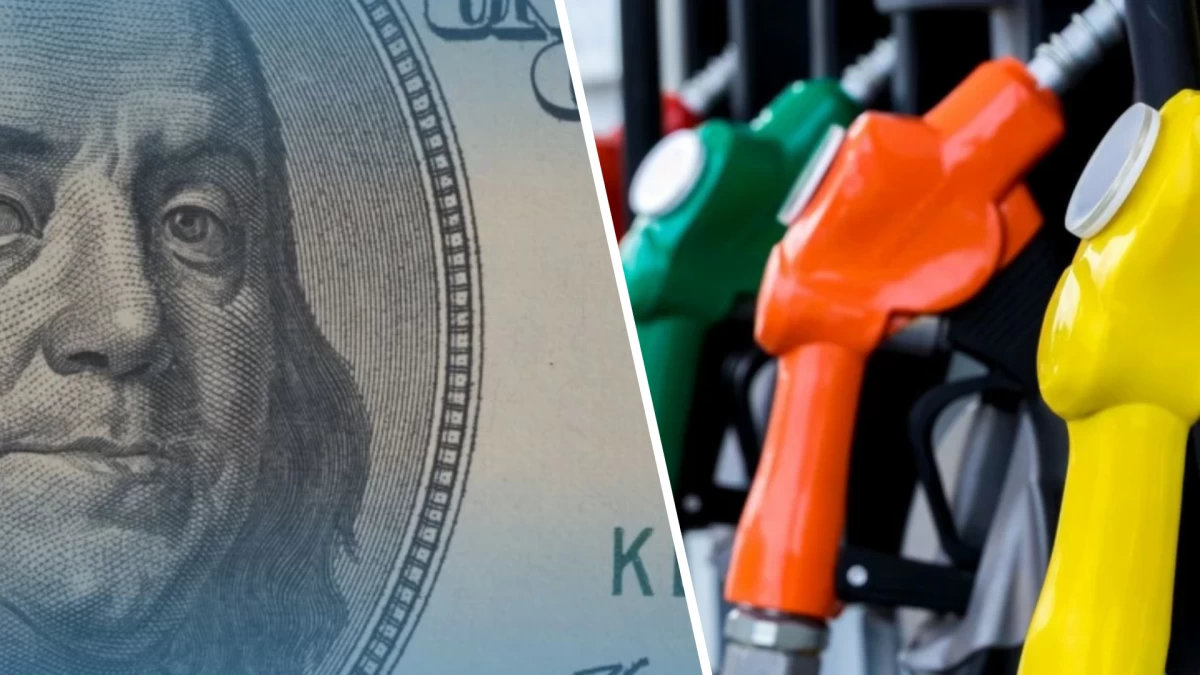
Japanese financial giant MUFG Bank Ltd. said the Philippine peso may start clawing back recent losses and reverse its underperformance following unexpected news that the United States (US) and Iran will sign a peace deal on Friday, allowing the Strait of Hormuz to reopen.
“Asian currencies such as the Indian rupee, Indonesian rupiah, and peso, which have underperformed, may also start to reverse some weakness,” Michael Wan, senior currency analyst at MUFG, said in a June 15 commentary.
This temporary agreement to reopen the vital shipping lane followed what Wan described as a “whirlwind weekend where at times a deal seemed out of reach, not least because of Israel’s bombings in Lebanon.” Both nations are scheduled to meet in Switzerland on June 19 to formally sign the accord.
The geopolitical breakthrough triggered immediate shifts in global markets. Brent crude oil prices fell sharply to $84 per barrel, providing crucial relief for energy-import-dependent economies in the region like the Philippines.
Wan noted that in the wake of the news, “Asian currencies that have been weighed down most by the Iran conflict—such as the rupee, rupiah, and peso” have already begun outperforming as risk assets gain meaningful ground.
Reflecting this sentiment, the peso traded at the ₱60 level against the greenback on Monday, June 15, after closing at ₱61.17:$1 last Thursday. Financial markets were closed on Friday, June 12, in celebration of Independence Day. The local currency last traded at this strength more than a month ago at ₱60.613:$1, before slipping back to the ₱61 level.
However, it remains uncertain whether the rally can be sustained, as details of the agreement have not been finalized. Wan said hurdles remain, including the level of financial relief for Iran and Tehran's push to maintain some control over shipping through the strait alongside Oman.
For the peso, the external peace deal is only one piece of the puzzle. Wan stressed that “local factors will also matter significantly in whether this reversal in currency weakness is durable.”
Rizal Commercial Banking Corp. chief economist Michael Ricafort told the Manila Bulletin that the peso stands to further benefit from the de-escalation, even seeing the local currency returning to the ₱59:$1 level in the second half of June or July.
“Yes, [it is] possible, especially if global crude oil prices ease further, which would also help reduce inflation pressure,” Ricafort said.
SM Investments Corp. Group economist Robert Dan Roces countered that while returning to ₱59:$1 is “not impossible, it would likely take more than geopolitics alone, as the broader direction of the dollar will matter just as much.”
Union Bank of the Philippines chief economist Ruben Carlo O. Asuncion agreed that the peso could test the ₱60:$1 level in the near term if improved risk sentiment continues to support emerging market currencies.
“Developments such as easing geopolitical tensions, including a potential US‑Iran peace deal, could further weaken the US dollar and provide room for the peso to appreciate,” Asuncion said. “However, a sustained move toward the ₱59:$1 level will likely depend on a broader combination of factors, including US Federal Reserve policy signals, global oil prices, and domestic macro fundamentals.”
While short-term gains are achievable, Asuncion added that a return to the ₱59:$1 mark in June or July remains optimistic unless global conditions shift decisively toward risk assets and the greenback weakens further.