







Freedom, sovereignty, and the Filipino will to endure
Published Jun 15, 2026 12:05 am
|
Updated Jun 14, 2026 04:20 pm


BARRACKS AND STRATEGY
Every June 12, we raise the Philippine flag not only to remember a date in history, but to renew a duty that belongs to every generation. Independence Day reminds us that freedom was never handed to the Filipino people as a gift. It was asserted, defended, and paid for by those who believed that this nation had the right to determine its own destiny. The declaration of Philippine independence on June 12, 1898, represented our people’s assertion of self-determination, liberty, and independence.
As a retired Army general, I have seen how deeply love of country lives in the heart of the Filipino. I have seen it in soldiers standing guard in remote detachments, in fishermen braving uncertain waters to earn a living, in teachers shaping young minds, in farmers rising before dawn, and in ordinary citizens who continue to serve their families and communities despite hardship. The strength of our Republic has never rested on weapons alone. It rests on the courage, resilience, and unity of its people.
This year, our commemoration of Independence Day carries even deeper meaning as we approach another historic milestone: the 10th anniversary of the Arbitral Award on July 12, 2026. On July 12, 2016, the arbitral tribunal in the case brought by the Republic of the Philippines against the People’s Republic of China rendered its award under the United Nations Convention on the Law of the Sea. That ruling affirmed the importance of international law in resolving maritime disputes and strengthened the legal position of the Philippines in the West Philippine Sea.
These two dates, June 12 and July 12, are connected by one enduring truth: the Filipino people have always fought for freedom with courage, dignity, and faith in what is right.
In 1898, our forefathers declared that the Filipino nation was entitled to independence. In 2016, the Philippines proved before the international community that even a smaller nation could stand on the strength of law, principle, and truth. The battlefield may have changed, but the struggle remains the same. It is the struggle to protect our sovereignty, defend our rights, and preserve the dignity of the Filipino people.
I spent many years in uniform, and I know that sovereignty is not an abstract concept. It is not merely a word written in the Constitution or spoken during ceremonies. Sovereignty is the fisherman’s right to sail safely in our waters. It is the soldier’s duty to guard our territory. It is the diplomat’s responsibility to defend our position before the world. It is the citizen’s obligation to understand, value, and protect the nation we call our own.
The West Philippine Sea is not only a matter of territory or resources. It is a test of national character. It asks whether we have the patience to stand firm without being reckless, the courage to defend our rights without abandoning peace, and the wisdom to unite beyond politics. In this test, the Filipino people have shown remarkable resilience.
Our fishermen continue to go to sea. Our uniformed personnel continue to perform their duties. Our diplomats continue to speak for the nation. Our citizens continue to raise awareness, defend the truth, and reject narratives that weaken our national resolve. These are not small acts. Together, they form the quiet strength of a people who refuse to surrender their dignity.
As we commemorate Independence Day, we must remember that freedom is not preserved by memory alone. It must be practiced. It must be defended in our institutions, in our communities, in our schools, in our public conversations, and in the way we treat one another as Filipinos. A divided people can be pressured. A confused people can be misled. But a united, informed, and resilient people cannot easily be broken.
The 10th anniversary of the Arbitral Award should not be treated merely as a legal commemoration. It should be a national moment of reflection. It should remind us that the Philippines chose the path of law over force, reason over intimidation, and principle over silence. That decision reflected the best of the Filipino spirit. We did not seek conflict. We sought justice. We did not threaten another nation. We defended our own rights under international law.
This is the kind of strength the world must see in the Filipino people: not arrogance, but resolve; not aggression, but courage; not hatred, but patriotism rooted in truth.
For the younger generation, these commemorations carry a special responsibility. The freedom declared in 1898 and the legal victory affirmed in 2016 will mean little if they are not understood by those who will inherit the Republic. Our youth must know that independence is more than celebration. It is responsibility. Sovereignty is more than a claim. It is stewardship. Patriotism is more than emotion. It is service.
As a retired soldier, I believe that national defense begins in the mind and heart of every citizen. The Armed Forces may guard the frontiers, but the people guard the soul of the nation. When citizens know the truth, reject disinformation, support lawful action, and stand together in defense of national interest, they become part of the country’s shield.
June 12 reminds us that Filipinos were brave enough to dream of freedom. July 12 reminds us that Filipinos are strong enough to defend that freedom through law and principle. Between these two dates stands the continuing story of a nation tested by history but never defeated by it.
The Filipino people have endured colonization, war, dictatorship, disasters, poverty, and external pressure. Yet through every trial, we rise. We rebuild. We remember. We continue. That resilience is our inheritance, but it is also our responsibility.
As we raise the flag this Independence Day, and as we mark the 10th year of the Arbitral Award, let us do so with clear eyes and steady hearts. Let us honor our heroes not only with ceremonies, but with commitment. Let us defend our sovereignty not only with words, but with unity, discipline, and national purpose.
The Philippines does not stand because it is powerful in size. It stands because its people are strong in spirit. And as long as Filipinos remain faithful to freedom, justice, and country, no challenge in the West Philippine Sea, or anywhere else, can diminish the dignity of our Republic.
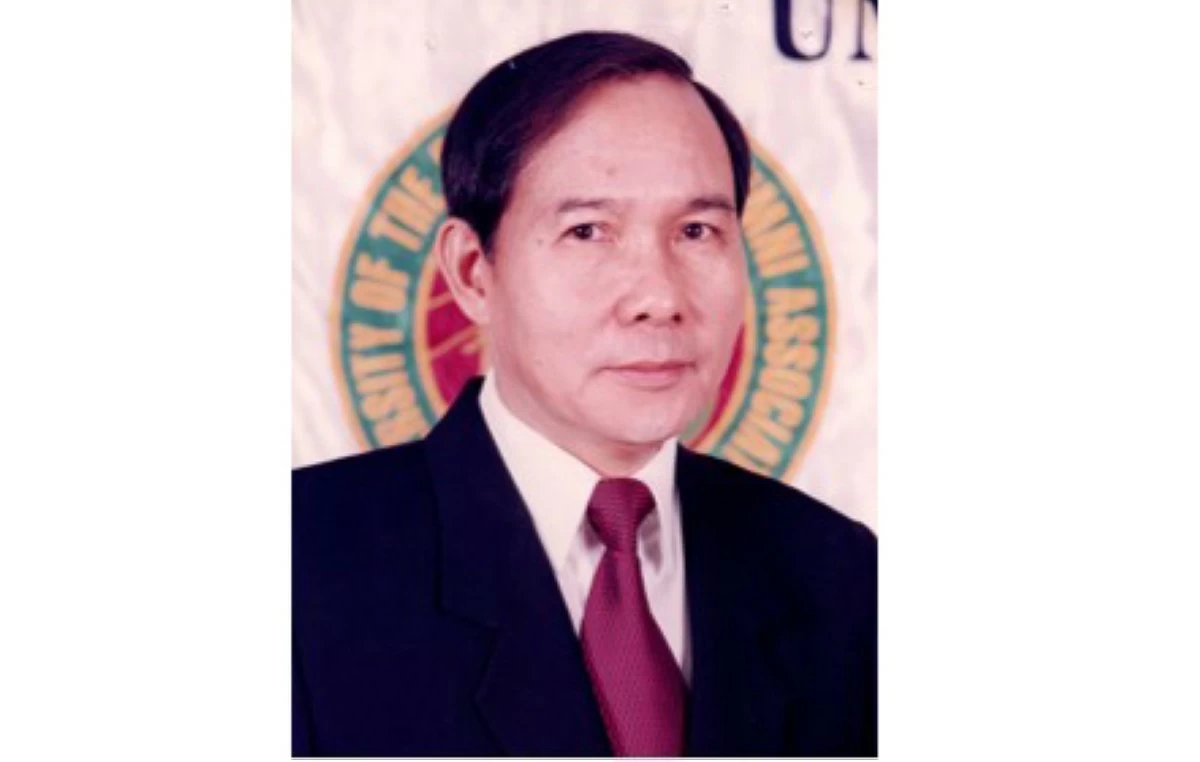
(Lt. Gen. Jaime S. de los Santos served with distinction as a military professional, 42nd Commanding Gen. Philippine Army, 1st Force Commander, UN Multi-National Peacekeeping Force in East Timor, former member, UP Board of Regents and Professorial Lecturer II (part-time), UP-Diliman.)