






Manila Bulletin
 Philippines
National
DOH, PhilHealth urged to resolve widow's plight on alleged P1-M hospital deposit demand, inability to access medical benefits
Philippines
National
DOH, PhilHealth urged to resolve widow's plight on alleged P1-M hospital deposit demand, inability to access medical benefits
Philippines
National
DOH, PhilHealth urged to resolve widow's plight on alleged P1-M hospital deposit demand, inability to access medical benefits
DOH, PhilHealth urged to resolve widow's plight on alleged P1-M hospital deposit demand, inability to access medical benefits
Published Jun 15, 2026 10:09 am


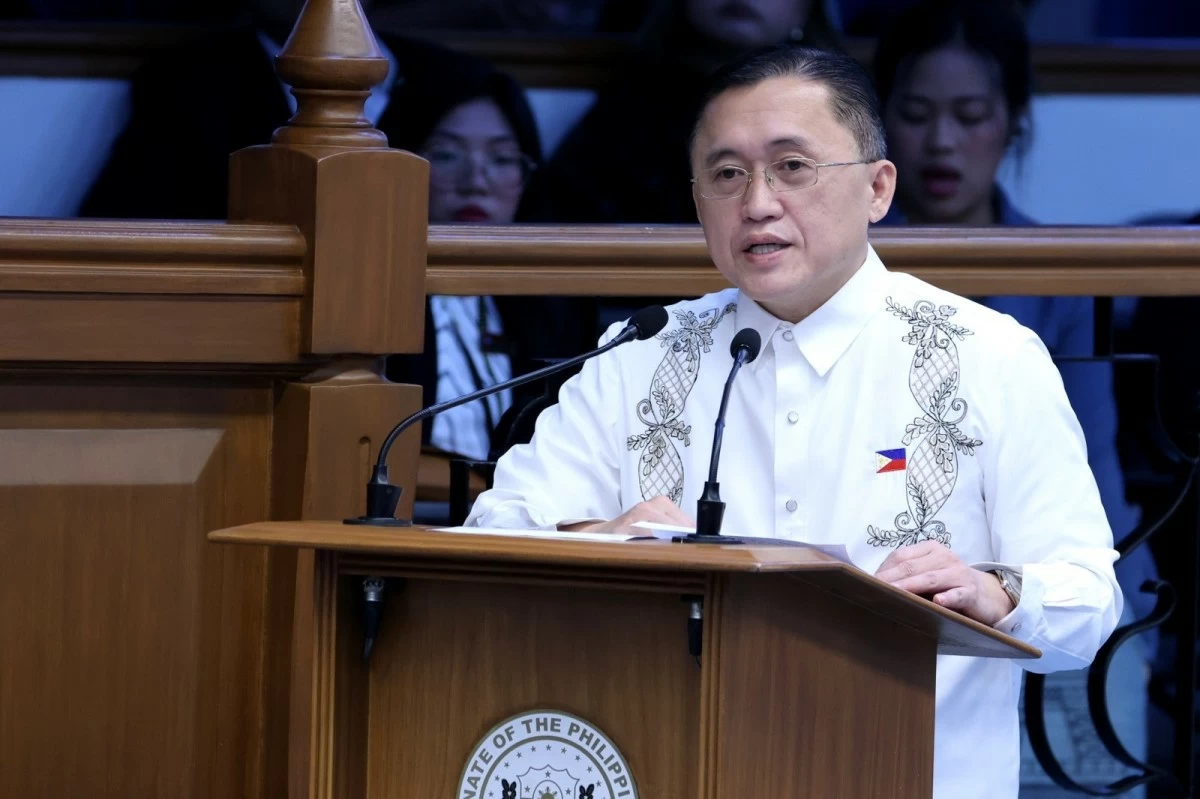
Senator Christopher Lawrence "Bong" Go (Photo from OS Bong Go)
In a Facebook post, Sen. Christopher “Bong” Go said the information disclosed by Maria Lourdes Sulit, whose husband died from brain hematoma on June 4, 2026, warrants a fresh congressional probe, noting that PhilHealth had earlier said it has stopped its anti-poor and illogical 24-hour confinement policy under its emergency care benefit.
Sulit, in her own Facebook post, claimed that PhilHealth officials told their family her husband is not eligible for PhilHealth benefits because he had been hospitalized for less than 24 hours even though her husband has been a lifelong member and faithfully contributing to the agency for more than 25 years.
Prior to this, Sulit said the first hospital they went to told them that brain surgery would cost around P4-million and was advised by his attending neuro surgeon that they can transfer to a hospital where the cost of operation can be reduced by almost P2-million.
Because they were desperate to save him, they agreed to transfer him, but the second hospital required them to pay a P1-million deposit upfront. The family, according to Mrs. Sulit, had no choice but to wait for her husband to die.
“If it is true that such a policy is still being implemented, it is unacceptable because the funds allocated for PhilHealth this year are in billions, in addition to the contributions of its members,” Go said in Filipino in his statement.
“We also held a series of public hearings during the 19th Congress as chairman of the Senate Committee on Health, where we called for reforms in the agency. We expect PhilHealth to address this incident and update the public on its actions,” the senator insisted.
“PhilHealth is not a business that should raise funds. It is medical insurance for everyone so that Filipinos can rely on someone when they get sick,” he reiterated.
Sen. Joseph Victor “JV” Ejercito, author and principal sponsor of the Universal Health Care (UHC) Act, said the incident raised two serious concerns:
“First, the matter may involve possible violations of Batas Pambansa Blg. 702 as amended Republic Act No. 10932 or the Anti-Hospital Deposit Law. This law clearly prohibits hospitals from requiring deposits or advance payments before providing emergency or critical medical treatment,” Ejercito pointed out.
“If it is true that a patient in critical condition and in need of immediate surgery has not been provided with the necessary treatment due to lack of ability to pay or due to the deposit required, this should be investigated immediately,” he stressed.
Ejercito maintained that the law is clear that in times of emergency, the patient's life should come first, not the ability to spend money. The senator reiterated no family should be forced to look for a large sum of money while their loved one is fighting for survival.
“Second, it should be looked at why a patient was not allowed to avail of Philhealth benefits. It is clear from the UHC law that all Filipinos are members. All Filipinos should benefit from Philhealth benefits. If there is non-compliance with Philhealth policies, it should be investigated. PhilHealth has the power to impose penalties, including fines and suspension of accreditation, on partner hospitals that fail to properly implement its policies,” he emphasized.
“If there is a violation, someone must be held accountable. We urge the DOH and PhilHealth to immediately resolve this case. Let this be an opportunity to strengthen accountability,” Ejercito reiterated.
Ejercito reminded health authorities that the provision of immediate health services to every Filipino should not depend on the size of their pocket.
“This is a Constitutional right that is intended to be fulfilled through the Universal Health Care Law,” he insisted.