






Manila Bulletin
 Business
Trade & Industry
DOE looks to IAEA for nuclear safety after Mindanao earthquake
Business
Trade & Industry
DOE looks to IAEA for nuclear safety after Mindanao earthquake
Business
Trade & Industry
DOE looks to IAEA for nuclear safety after Mindanao earthquake
DOE looks to IAEA for nuclear safety after Mindanao earthquake
Published Jun 15, 2026 12:01 am
|
Updated Jun 13, 2026 04:01 pm


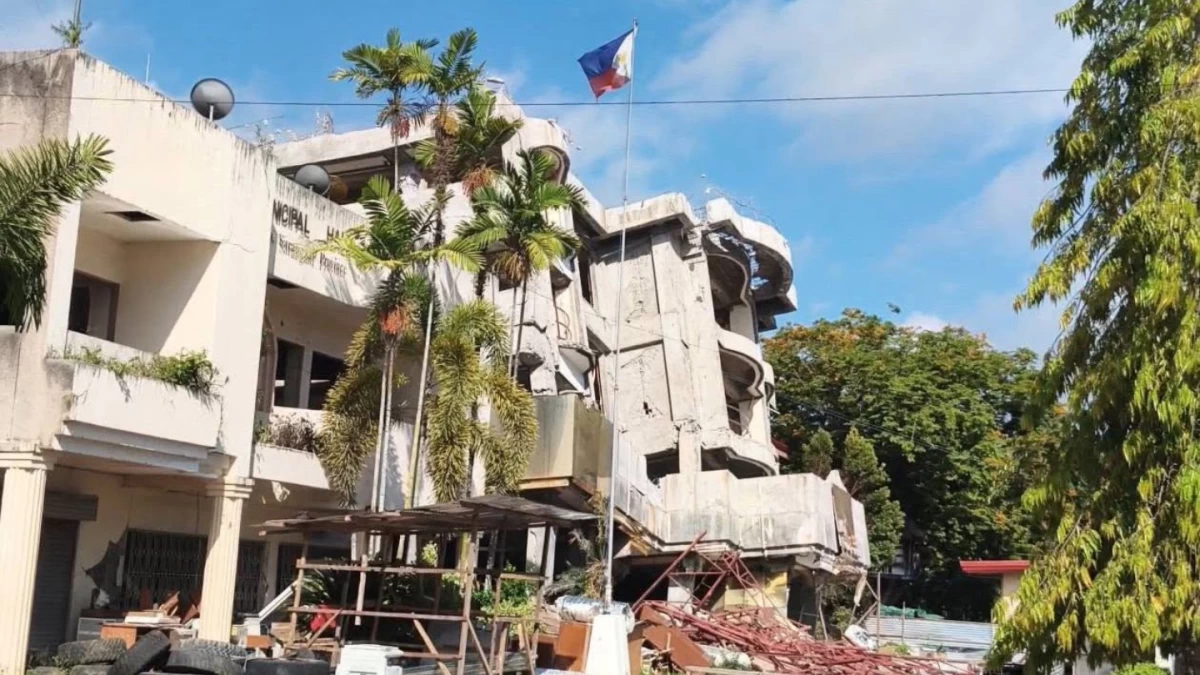
VIENNA, Austria — The Philippines is seeking emergency assistance from the United Nations’ nuclear watchdog to re-evaluate potential atomic power sites after the powerful 7.8 magnitude earthquake devastated parts of Mindanao, damaging local communities and regional power infrastructure.
Heanu Lee, project manager for the external events safety section at the International Atomic Energy Agency, said the Department of Energy (DOE) requested technical intervention following the June 8 disaster.
The government has already deployed an expert to the site to analyze the structural and geological impact of the earthquake, following initial discussions between Lee and Energy Secretary Sharon Garin.
The Vienna-based agency will dispatch a team of experts to Manila within six weeks under its Site and External Events Design Review Service (SEED).
The mission will evaluate whether previously identified locations in the country remain technically viable for nuclear installations, including small modular reactors (SMRs).
The Marcos administration has increasingly leaned on atomic technology to address persistent power shortages and volatile electricity costs, which historically run into billions of pesos annually in grid losses.
The upcoming SEED workshop and field studies will measure local data against rigid international safety regulations, which dictate that proximity to active volcanoes or severe seismic fault lines can disqualify potential sites.
Beyond Mindanao, regions previously earmarked for potential atomic projects include Masbate, Palawan, and sections of Western Visayas.
IAEA Director General Rafael Mariano Grossi said that the recent seismic activity does not automatically eliminate Mindanao from the country’s nuclear expansion plans.
Modern engineering standards can mitigate significant seismic hazards, leaving the final technical verdict to geologists and structural engineers who must determine if Philippine locations can safely host atomic projects.
The DOE did not immediately respond to requests for comment regarding the timeline of the safety reviews or potential adjustments to its long-term energy roadmap.
The upcoming IAEA safety recommendations are expected to guide the energy department’s next regulatory procedures as Manila attempts to construct a more resilient energy grid capable of regular operations amid severe natural disasters.