






Manila Bulletin
 Business
The Stock Market
Cebu Pacific sees travel bounce back as fuel surcharges drop
Business
The Stock Market
Cebu Pacific sees travel bounce back as fuel surcharges drop
Business
The Stock Market
Cebu Pacific sees travel bounce back as fuel surcharges drop
Cebu Pacific sees travel bounce back as fuel surcharges drop
Published Jun 15, 2026 03:58 pm


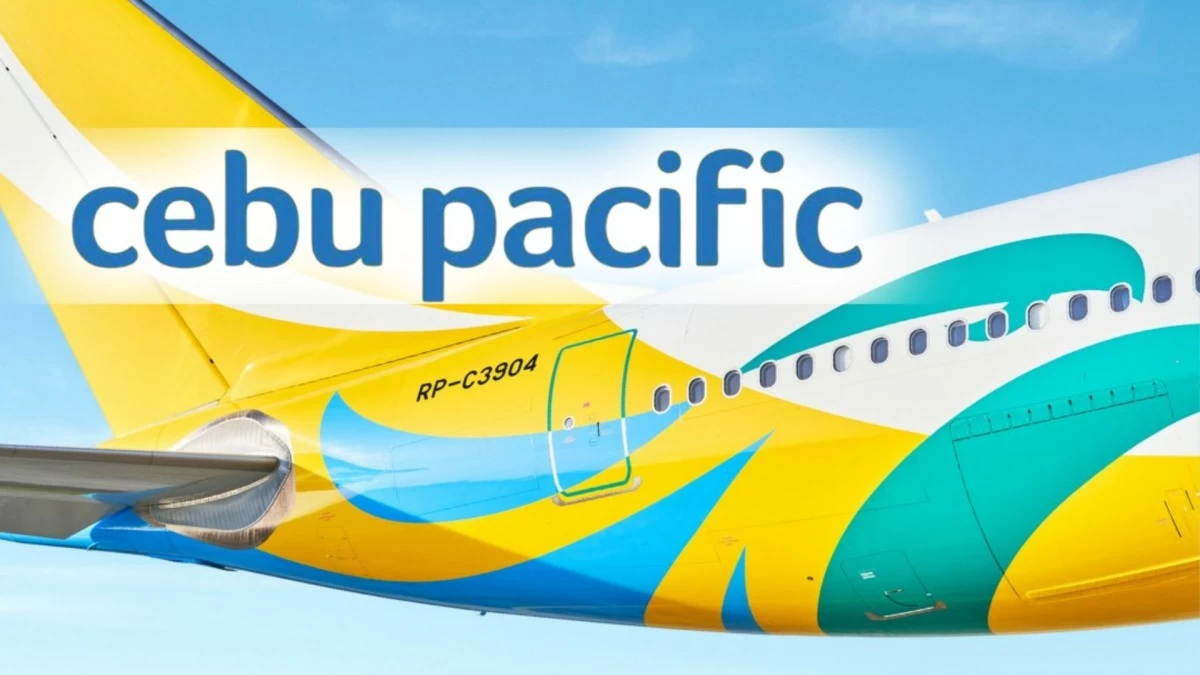
Cebu Pacific, the country’s largest carrier by passenger volume, posted a slight recovery in travel demand in May as plane ticket prices eased on the back of a declining passenger fuel surcharge.
In a regulatory disclosure, Cebu Pacific reported that it carried 2.40 million passengers in the reference month, a 1.3 percent decline from the 2.44 million recorded in the same month last year.
While down year-on-year, the latest passenger volume rose 5.7 percent from April’s 2.27 million, which had itself fallen by eight percent from March.
The low-cost carrier said its domestic passenger volume, which accounted for 76 percent of the total, remained relatively stable at 1.83 million in May.
International traffic, on the other hand, stood at 575,000 passengers, a decline from the previous month's 602,000, maintaining its downward trajectory on an annual basis.
Cebu Pacific raised its seat capacity during the month by nine percent to 3.07 million, while its seat load factor (SLF), or the percentage of occupied seats, stood at 78.3 percent.
“May marked a meaningful improvement from April as SLF increased by 4 points, as commercial initiatives and pricing adjustments gained traction,” the company said.
The improvement in May coincided with the easing of the fuel surcharge, which the government allows carriers to add to plane tickets to recover losses caused by jet fuel costs. After the Civil Aeronautics Board (CAB) raised the surcharge to a record Level 19 in the second half of April, it went down to Level 18 in the first half of May and later dropped to Level 15.
Cebu Pacific president and chief commercial officer Alexander Lao said that following these price adjustments, the airline saw stronger booking momentum, which he said demonstrates the “market’s responsiveness to calibrated fare levels.”
“As we enter the seasonally softer third quarter, we are taking a disciplined approach to capacity and revenue management to match demand, support healthy load factors, and maintain affordable fares while managing elevated operating costs, particularly fuel,” he said.
As part of these efforts, Cebu Pacific said flights operated by its boutique unit AirSWIFT Transport Inc. will be handled by its regional arm CebGo starting July 1.
“During this transition, there will be no changes in AirSWIFT’s flight schedules and services, as flights to and from El Nido will continue as scheduled,” the company said in a statement. AirSWIFT carried a total of 429,222 passengers in 2025, the year Cebu Pacific completed its ₱1.75 billion takeover of the airline.
For the first five months of the year, Cebu Pacific’s passenger volume expanded by 4.6 percent to 12.21 million from 11.67 million in the same period last year. The airline’s domestic segment jumped by 4.7 percent to 9.09 million passengers, while the international segment grew by 4.5 percent to 3.12 million.
SLF at the end of May declined to 80.7 percent, while seat capacity increased by 10.2 percent to 15.13 million.