

ADVERTISEMENT

ICC orders fresh medical examination of Duterte ahead of Nov. 30 trial

Published Jun 14, 2026 05:51 am  |  Updated Jun 14, 2026 02:06 pm

At A Glance

  • The ICC has ordered a fresh medical examination of former President Rodrigo Duterte to determine whether he is fit to stand trial.
  • The same panel of three experts that previously found Duterte fit for pre-trial proceedings will conduct the assessment.
  • The trial remains scheduled to begin on Nov. 30, 2026, with expert reports due in August.
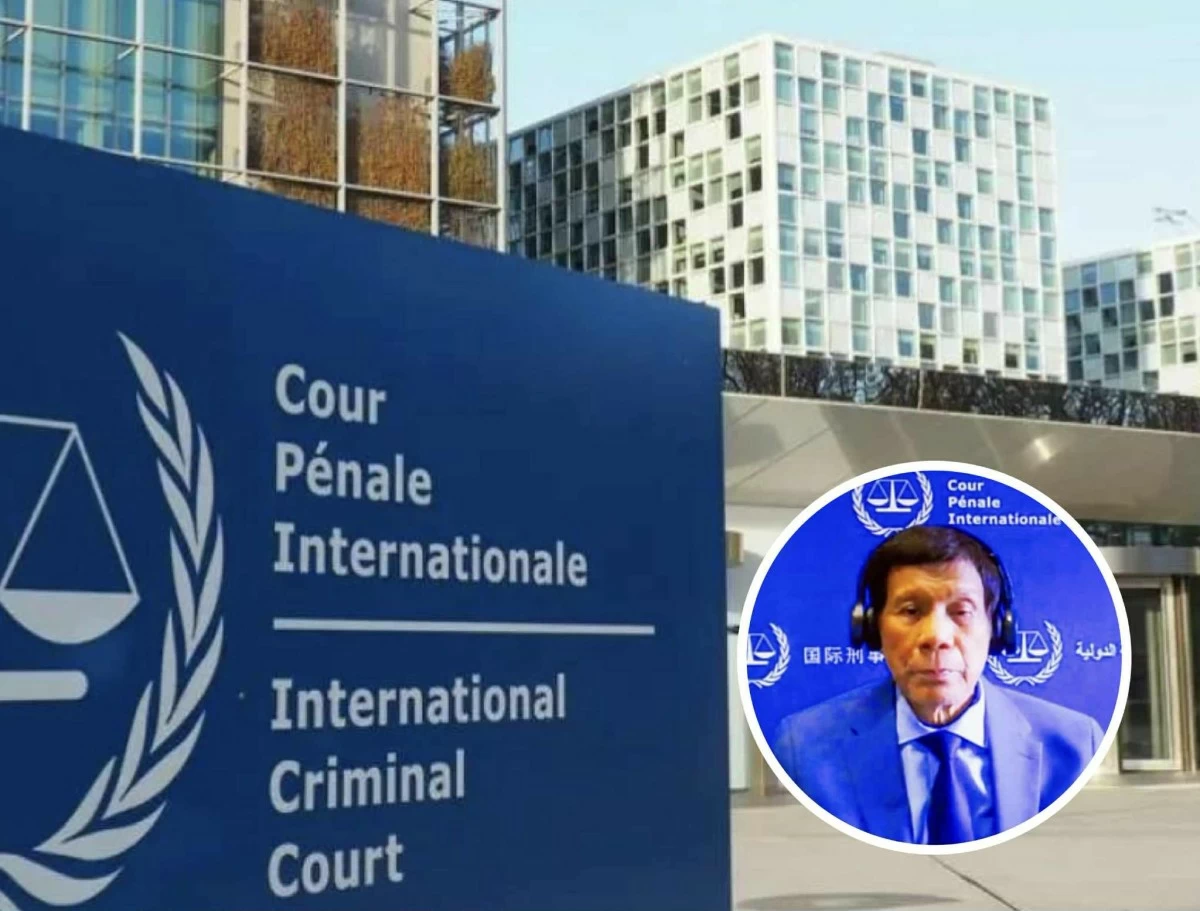
Former president Rodrigo Duterte (ICC Photos)

The International Criminal Court (ICC) has ordered a fresh medical examination of former president Rodrigo Duterte to determine whether he is fit to stand trial in connection with crimes against humanity charges linked to his anti-drug campaign, while keeping the start of trial on Nov. 30, 2026.

In a 17-page decision dated June 12, Trial Chamber III said a new medical assessment is necessary for it to properly determine Duterte's fitness to participate in trial proceedings and fulfill its obligation to ensure a fair and expeditious trial.

The chamber noted that while Duterte had previously undergone a medical examination during the pre-trial phase and was found fit to participate in those proceedings, the earlier assessment was limited to pre-trial proceedings and did not address his capacity to stand trial.

"The Chamber finds that it requires an objective assessment of the Accused's health by independent experts for the purposes of making a determination as to his fitness to stand trial," the decision read.

Defense cites deteriorating condition

The new assessment stemmed from submissions by Duterte's defense team, which argued that the former president's condition "continues to deteriorate" and therefore needs to be reviewed before trial proceedings commence.

The defense subsequently requested the chamber to order a medical examination under Rule 135 of the ICC's Rules of Procedure and Evidence and sought oral hearings to examine the experts on their conclusions.

Under the Rome Statute, questions on an accused person's fitness to stand trial are rooted in the right to a fair trial, particularly when ill health may prevent an accused from meaningfully exercising procedural rights.

Same experts retained

The ICC also decided to retain the same multidisciplinary panel of three experts that evaluated Duterte during the pre-trial stage.

The experts specialize in forensic psychiatry, geriatric and behavioral neurology, and neuropsychology, and previously concluded that Duterte was fit to participate in pre-trial proceedings.

The chamber instructed the experts to use their December 2025 findings as a point of departure and determine whether Duterte's medical condition has changed in any manner relevant to his ability to stand trial.

Capacity to understand trial

The experts have been directed to determine whether Duterte possesses the capacity necessary for the meaningful exercise of his procedural and fair trial rights, including his ability to understand the charges, comprehend the purpose and consequences of the proceedings, follow the course of the trial, understand evidence, testify or make a statement if he chooses, and instruct his lawyers.

They must also determine whether any mental impairment is reversible or irreversible, recommend possible treatments, identify factors that may worsen his condition, and assess whether he can physically and psychologically endure full-time trial proceedings.

The chamber also asked the experts to recommend any special measures or adjustments that could facilitate Duterte's attendance and participation during the trial.

Trial schedule remains

Despite the new examination, the ICC maintained that Duterte's trial is scheduled to commence on Nov. 30, 2026.

The chamber said hearings are expected to run Monday to Friday from 9:30 a.m. to 4 p.m. (3:30 p.m. to 10 p.m., Manila time), with evidence presented in uninterrupted blocks of two to four weeks separated by periodic adjournments of one to two weeks.

The expert panel has been ordered to submit its report to the ICC Registry by Aug. 18, 2026, while the Registry must file the reports by Aug. 24. The parties and participants have until Aug. 31 to submit their observations.

The chamber deferred its decision on the defense's request for oral hearings involving the experts until after the submission of their reports.

Duterte was surrendered to the ICC on March 12, 2025, following the issuance of an arrest warrant on March 7, 2025. The charges against him were confirmed by Pre-Trial Chamber I on April 23, 2026, after which the case was referred to Trial Chamber III.

Related Tags

ICC International Criminal Court Rodrigo Duterte President Duterte crimes against humanity medical exam
ADVERTISEMENT
.most-popular .layout-ratio{ padding-bottom: 79.13%; } @media (min-width: 768px) and (max-width: 1024px) { .widget-title { font-size: 15px !important; } }

{{ articles_filter_1561_widget.title }}

.most-popular .layout-ratio{ padding-bottom: 79.13%; } @media (min-width: 768px) and (max-width: 1024px) { .widget-title { font-size: 15px !important; } }

{{ static_articles_1562_widget.title }}

.most-popular .layout-ratio{ padding-bottom: 79.13%; } @media (min-width: 768px) and (max-width: 1024px) { .widget-title { font-size: 15px !important; } }

{{ articles_filter_1563_widget.title }}

{{ articles_filter_1564_widget.title }}

.mb-article-details { position: relative; } .mb-article-details .article-body-preview, .mb-article-details .article-body-summary{ font-size: 17px; line-height: 30px; font-family: "Libre Caslon Text", serif; color: #000; } .mb-article-details .article-body-preview iframe , .mb-article-details .article-body-summary iframe{ width: 100%; margin: auto; } .read-more-background { background: linear-gradient(180deg, color(display-p3 1.000 1.000 1.000 / 0) 13.75%, color(display-p3 1.000 1.000 1.000 / 0.8) 30.79%, color(display-p3 1.000 1.000 1.000) 72.5%); position: absolute; height: 200px; width: 100%; bottom: 0; display: flex; justify-content: center; align-items: center; padding: 0; } .read-more-background a{ color: #000; } .read-more-btn { padding: 17px 45px; font-family: Inter; font-weight: 700; font-size: 18px; line-height: 16px; text-align: center; vertical-align: middle; border: 1px solid black; background-color: white; } .hidden { display: none; }
function initializeAllSwipers() { // Get all hidden inputs with cms_article_id document.querySelectorAll('[id^="cms_article_id_"]').forEach(function (input) { const cmsArticleId = input.value; const articleSelector = '#article-' + cmsArticleId + ' .body_images'; const swiperElement = document.querySelector(articleSelector); if (swiperElement && !swiperElement.classList.contains('swiper-initialized')) { new Swiper(articleSelector, { loop: true, pagination: false, navigation: { nextEl: '#article-' + cmsArticleId + ' .swiper-button-next', prevEl: '#article-' + cmsArticleId + ' .swiper-button-prev', }, }); } }); } setTimeout(initializeAllSwipers, 3000); const intersectionObserver = new IntersectionObserver( (entries) => { entries.forEach((entry) => { if (entry.isIntersecting) { const newUrl = entry.target.getAttribute("data-url"); if (newUrl) { history.pushState(null, null, newUrl); let article = entry.target; // Extract metadata const author = article.querySelector('.author-section').textContent.replace('By', '').trim(); const section = article.querySelector('.section-info ').textContent.replace(' ', ' '); const title = article.querySelector('.article-title h1').textContent; // Parse URL for Chartbeat path format const parsedUrl = new URL(newUrl, window.location.origin); const cleanUrl = parsedUrl.host + parsedUrl.pathname; // Update Chartbeat configuration if (typeof window._sf_async_config !== 'undefined') { window._sf_async_config.path = cleanUrl; window._sf_async_config.sections = section; window._sf_async_config.authors = author; } // Track virtual page view with Chartbeat if (typeof pSUPERFLY !== 'undefined' && typeof pSUPERFLY.virtualPage === 'function') { try { pSUPERFLY.virtualPage({ path: cleanUrl, title: title, sections: section, authors: author }); } catch (error) { console.error('ping error', error); } } // Optional: Update document title if (title && title !== document.title) { document.title = title; } } } }); }, { threshold: 0.1 } ); function showArticleBody(button) { const article = button.closest("article"); const summary = article.querySelector(".article-body-summary"); const body = article.querySelector(".article-body-preview"); const readMoreSection = article.querySelector(".read-more-background"); // Hide summary and read-more section summary.style.display = "none"; readMoreSection.style.display = "none"; // Show the full article body body.classList.remove("hidden"); } document.addEventListener("DOMContentLoaded", () => { let loadCount = 0; // Track how many times articles are loaded const offset = [1, 2, 3, 4, 5, 6, 7, 8, 9, 10]; // Offset values const currentUrl = window.location.pathname.substring(1); let isLoading = false; // Prevent multiple calls if (!currentUrl) { console.log("Current URL is invalid."); return; } const sentinel = document.getElementById("load-more-sentinel"); if (!sentinel) { console.log("Sentinel element not found."); return; } function isSentinelVisible() { const rect = sentinel.getBoundingClientRect(); return ( rect.top < window.innerHeight && rect.bottom >= 0 ); } function onScroll() { if (isLoading) return; if (isSentinelVisible()) { if (loadCount >= offset.length) { console.log("Maximum load attempts reached."); window.removeEventListener("scroll", onScroll); return; } isLoading = true; const currentOffset = offset[loadCount]; window.loadMoreItems().then(() => { let article = document.querySelector('#widget_1690 > div:nth-last-of-type(2) article'); intersectionObserver.observe(article) loadCount++; }).catch(error => { console.error("Error loading more items:", error); }).finally(() => { isLoading = false; }); } } window.addEventListener("scroll", onScroll); });

Sign up by email to receive news.