







El Niño is coming; act before it strikes
Published Jun 14, 2026 12:05 am
|
Updated Jun 13, 2026 03:55 pm


Warnings are most valuable when they are heeded.
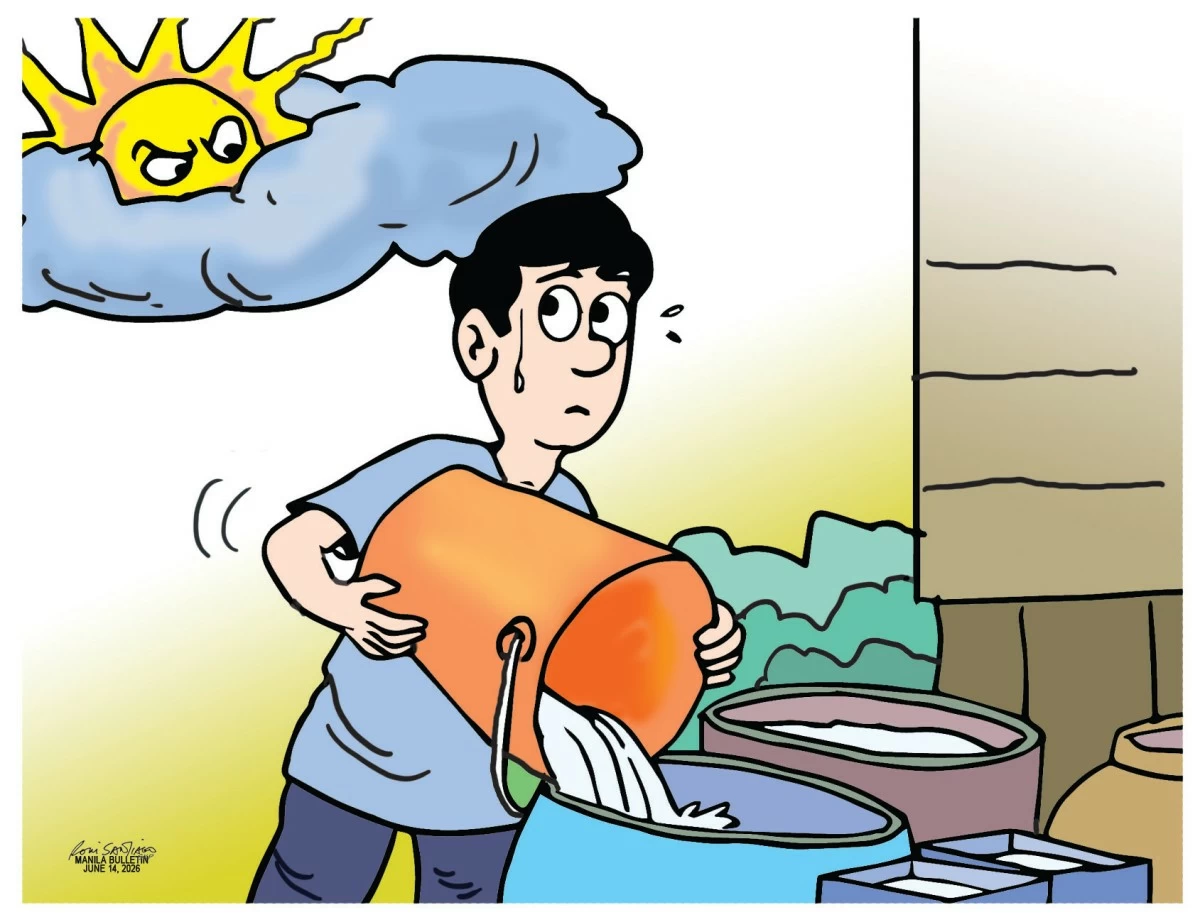
The Philippine Atmospheric, Geophysical, and Astronomical Services Administration (PAGASA) has sounded an alarm that should compel government leaders, businesses, communities, and every Filipino household to act without hesitation. With a reported 92 percent probability that El Niño will develop in the coming months and the possibility that it could intensify significantly by the end of 2026, the nation cannot afford the luxury of waiting for the crisis to arrive before responding.
While El Niño is a weather phenomenon, history has repeatedly shown that it is an economic, agricultural, environmental, and humanitarian challenge. Prolonged dry spells can decimate crops, reduce water supply, weaken power generation, drive up food prices, and threaten livelihoods, particularly in farming and fishing communities. The poorest sectors often suffer the most, as they have the fewest resources to withstand the consequences of drought and rising costs.
The government’s response must begin now with a genuine whole-of-government preparedness strategy. National agencies, local government units, water districts, agricultural offices, and disaster management councils must coordinate their plans long before the dry months intensify. Water security should be at the center of these efforts. Reservoir levels, irrigation systems, and groundwater resources must be closely monitored, while repairs to aging water infrastructure should be accelerated to reduce wastage. Every drop saved today may prove valuablel tomorrow.
Agriculture requires immediate intervention. Authorities should identify drought-prone provinces and provide farmers with climate-resilient seeds, alternative cropping calendars, water-efficient farming techniques, and timely weather advisories. Emergency funds and crop insurance mechanisms must be strengthened to protect farmers from devastating losses. Livestock producers should also receive support to secure adequate water and feed supplies before shortages emerge.
Food security is another critical factor. The government must closely monitor production forecasts and supply chains to prevent shortages and sudden price spikes. Strategic food reserves should be reviewed and replenished where necessary. Early planning will be far less costly than emergency interventions once the effects of El Niño are fully felt.
Energy preparedness must likewise be part of the equation. Reduced rainfall can affect hydroelectric power generation, placing additional pressure on the country's energy supply. Government regulators and power producers should assess contingency measures to ensure stable electricity services during prolonged dry conditions.
Yet government action alone will not be enough. The private sector has a crucial role to play. Businesses can invest in water conservation technologies, improve operational efficiency, and support climate adaptation programs in the communities where they operate. Agricultural firms can assist farmers through technical support and climate-smart innovations. Corporate social responsibility programs should focus on resilience-building rather than short-term relief alone.
Every Filipino also has a responsibility. Conserving water, avoiding waste, supporting local food producers, and staying informed through official advisories are practical actions that can collectively make a significant difference. Communities should develop local preparedness plans and encourage responsible resource use before shortages become severe.
So, let’s treat the warning issued by PAGASA as an opportunity to prepare, not a prediction of an inevitable disaster. The true measure of leadership is not how effectively a nation responds to a crisis after it strikes, but how wisely it acts before the danger arrives. If government agencies, businesses, and citizens work together today, the country can lessen the hardships that a potentially strong El Niño may bring tomorrow.
Preparedness is prudence, not panic. And the time for prudence is now for tomorrow might be too late.