






Manila Bulletin
 Business
Trade & Industry
Ozempic: Soaring prices, shrinking stock of Philippines' most wanted injection
Business
Trade & Industry
Ozempic: Soaring prices, shrinking stock of Philippines' most wanted injection
Business
Trade & Industry
Ozempic: Soaring prices, shrinking stock of Philippines' most wanted injection
Ozempic: Soaring prices, shrinking stock of Philippines' most wanted injection
Published Jun 13, 2026 07:06 am


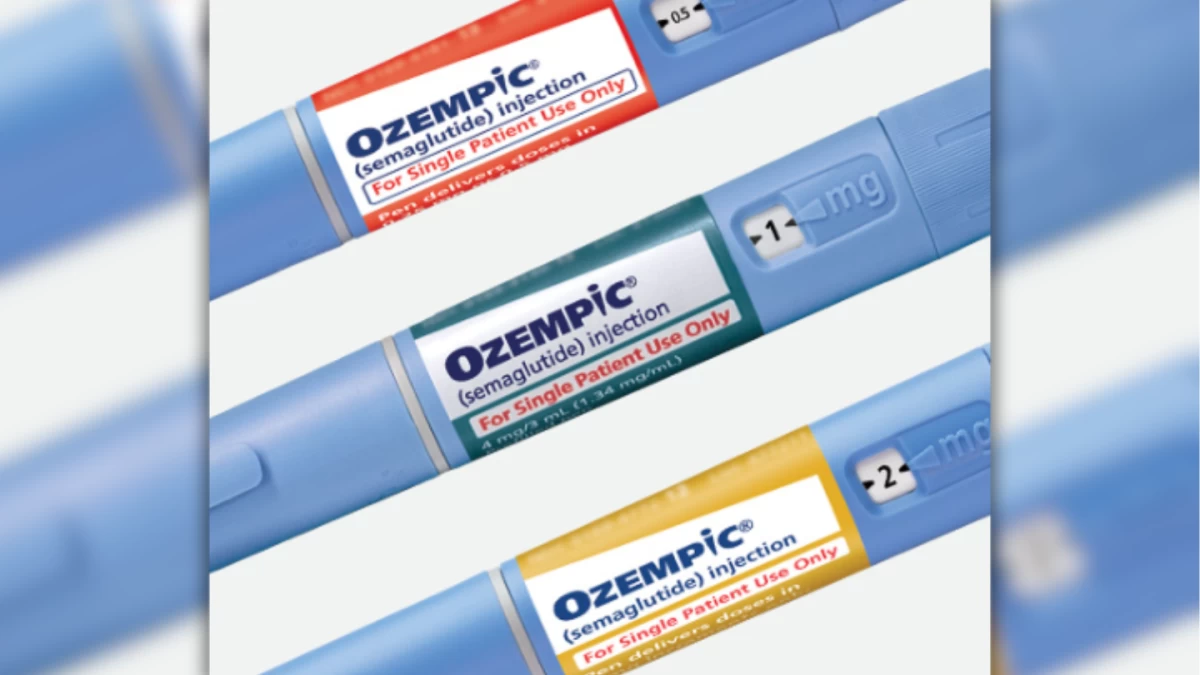
From ₱6,200 to upwards of ₱8,700—and even hitting over ₱11,000 in some areas—the retail price of a single Ozempic pen has ballooned over the last few years, swallowing huge portions of patients' monthly incomes.
For years now, a diabetes medication has been touted by social media content creators as a “miracle drug” for weight loss. But what some perceive as a sweet shortcut to a better body image has yielded a bitter experience for others.
Lexi Ortanez was on her usual pharmacy run when she faced the unexpected. A major local pharmacy chain was down to its last stock of Ozempic, an injectable drug prescribed to diabetics. Lexi did not think twice; she immediately bought the last pen, telling herself it was for the better—even if it meant cutting short her own Ozempic streak.
“Mas kailangan ng mom ko ‘yung pen versus sa akin (My mom needs the pen more than I do),” Ortanez said, noting that her 60-year-old mother has been taking the medication since 2023, longer than she has.
The older Ortanez was diagnosed with diabetes in 2015. Eight years later, Lexi was diagnosed with prediabetes alongside polyendocrine metabolic ovarian syndrome (PMOS)—formerly known as polycystic ovary syndrome.
For a month, the younger Ortanez was unable to take her weekly semaglutide injection—a medicine developed specifically to treat type 2 diabetes—due to domestic supply shortage driven by the surge in off-label demand.
In 2024, approximately 4.7 million Filipino adults were diabetic, accounting for more than 7.5 percent of the country’s total adult population, according to a report from the International Diabetes Federation.
Furthermore, the Philippine Statistics Authority reported that diabetes was the fifth leading cause of death in 2025, with 27,516 cases constituting 6.1 percent of the total recorded deaths from January to September of that year.
Struggling with multiple health conditions, Lexi found Ozempic to be a game-changer. Since her PMOS diagnosis—a condition closely linked to insulin resistance—sharp increases in her blood sugar had placed her on the brink of developing full-blown diabetes.
She shared that taking the injectable medication, prescribed by her endocrinologist (a medical doctor specializing in hormone-related conditions), successfully kept her sugar levels within a healthy range.
However, the local supply of Ozempic failed to exhibit that same stability.
“I’ve reached out to a lot of branches of the pharmacies,” she recalled. “Sa Mindanao may available. Doon lang [...] They had to ship it pa from Mindanao to Metro Manila so that I could get it (There was stock available in Mindanao—only there… They actually had to ship it all the way from Mindanao to Metro Manila just so I could get it).”
Pricier shots
Lexi said there were few alternatives on the market when she began taking Ozempic three years ago.
Left with no other options during the shortage, she decided to buy from a reseller—only to end up with a counterfeit product.
“It was recommended by a friend. They did not know that it was also fake,” she said, adding that she was convinced to buy because the pen was being sold for around ₱6,000, the same price as local drugstores.
But apart from falsified medicines lurking on the market, the younger Ortanez also witnessed a big spike in the drug’s legitimate retail price.
“When I first started, Ozempic was at ₱6,200 [or] ₱6,300. Two years down the line, it is ₱8,700,” she said.
As of May 2026, both the 0.25 mg and 0.50 mg doses of Ozempic are listed for ₱7,650 on the websites of several leading local drugstores, whereas the one mg dose is priced at ₱8,734. Meanwhile, the same one mg dosage is being sold for ₱11,368 per pen on the page of a pharmacy based in Las Piñas.
The country’s supply of the semaglutide injection comes from Denmark, home to Novo Nordisk, the manufacturer of Ozempic.
The Therapeutic Goods Administration, Australia’s medicine and therapeutic regulatory agency, noted that the worldwide supply crunch of Ozempic began in 2022. The agency attributed the high demand to a surge in off-label use—meaning the drug is prescribed for purposes other than its registered indication. In Ozempic’s case, it is being used for weight management instead of diabetes care.
Constricting sales
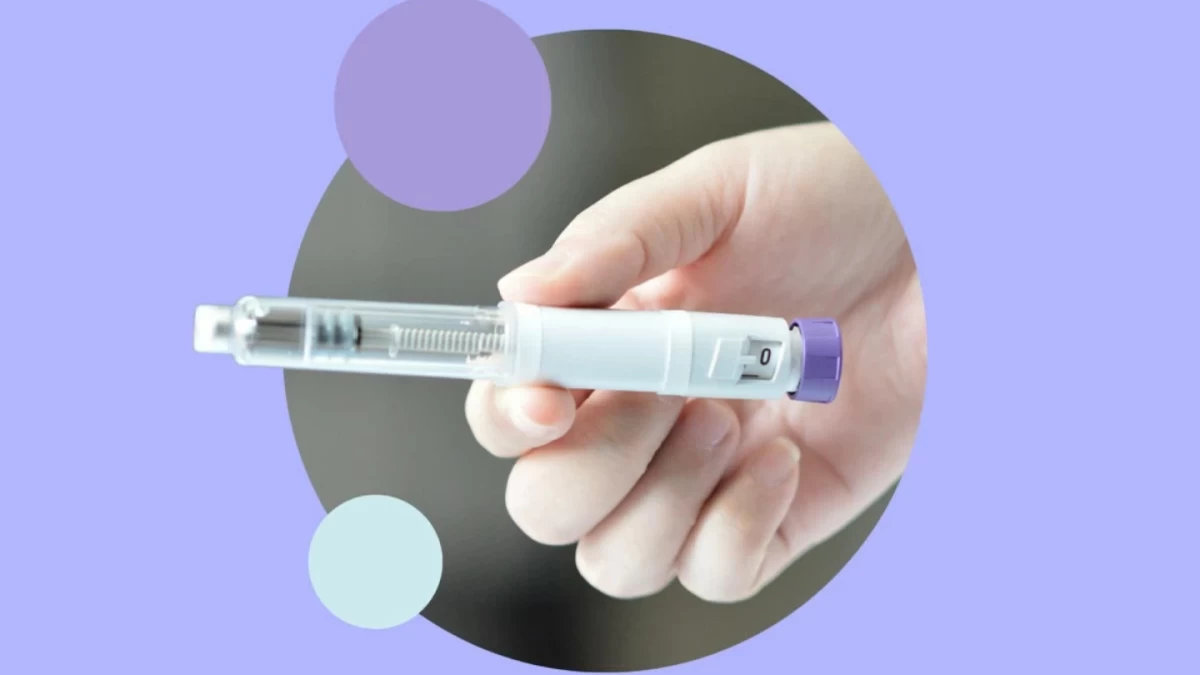
Manufactured in Denmark by Novo Nordisk, Ozempic has been caught in a worldwide supply bottleneck since 2022—leaving Philippine pharmacies struggling to keep up with intense consumer interest.
Kayla Sacdalan, a pharmacist at a major drugstore branch in Baliuag, Bulacan, stated that this exact demand prompted their management to direct all branches to limit sales of the semaglutide brand last year.
“Dati nagpapa-reserve talaga kami ng ganiyan [Ozempic] (We used to let customers reserve Ozempic),” she said. “Pero nagka-memo kasi kami na i-limit. Kaya nag-start kami mag-limit ng stock, pati pagbibigay sa patient (But we received a memo instructing us to limit sales. That’s when we started rationing our stocks, as well as what we dispense to each patient).”
With a monthly allocation limit of two Ozempic pens per dosage, accessing the drug has become strenuous for consumers. While each patient relies on one pen to cover the four required monthly shots recommended by Novo Nordisk, the pharmacy’s limited stock means it can only accommodate a handful of diabetic patients each month.
This shortage prompted the pharmacy to become more stringent to ensure the medicine reaches the right patients, especially since cases of misuse and fake prescriptions remain prevalent, Sacdalan said.
“Kami namimili na kami ng customer na pagbibigyan. (We’ve had to start screening which customers we give them to),” she explained. “Kung ilan ‘yung nagagamit mo per month, ‘yun lang ang binibigay namin (Whatever amount you actually use per month, that’s strictly all we dispense).”
Unlike other diabetes medications, Ozempic has no direct equivalent, leaving customers stranded when stocks run out.
“Hindi naman kasi kami puwedeng mag-suggest ng ibang drug. (It’s not as if we can just suggest another drug),” Sacdalan added. “Ang Ozempic, wala siyang counterpart. Wala siyang ibang pamalit na available sa botika namin (Ozempic has no direct counterpart. There is simply no other alternative available in our pharmacy).”
Citing the American Diabetes Association’s guidelines on semaglutide use, general practitioner Dr. Maria Anunciacio said that convenience and high efficacy are the primary reasons patients prefer injectable medications.
“Ozempic is one of the best anti-diabetic drugs at the moment,” Anunciacio said. “Mas stable, mas mabilis mag-control using ‘yung mga injectable like Ozempic and Insulin (Blood sugar levels are more stable, and control is achieved much faster using injectables like Ozempic and insulin).”
Although the Philippine Food and Drug Administration (FDA) registered the prescription drug only for its approved therapeutic indication of managing type 2 diabetes, Anunciacio noted that it is sometimes prescribed off-label for people with PMOS or morbid obesity.
While the practice remains common and permissible in the Philippines due to the absence of prohibitory laws, she emphasized that it still carries health risks if conducted without strict medical supervision.
On Dec. 1, 2025, the World Health Organization issued updated global guidelines stating that Ozempic could now be prescribed to adults dealing with obesity.
Obesity in the Philippines
Approximately 27 million Filipinos are classified as overweight or obese, according to a survey conducted by the Department of Science and Technology’s Food and Nutrition Research Institute (DOST-FNRI).
Because obesity is a primary risk factor for developing type 2 diabetes, the weight-reduction side effects of semaglutide injections continue to feed intense consumer interest.
For Alyssa Bernabe (not her real name), taking Ozempic was a last resort after years of struggling with obesity and blood sugar fluctuations caused by PMOS. After seeing no changes despite adopting a healthier lifestyle through diet and exercise, Bernabe consulted an endocrinologist, who placed her on the medication.
With almost five years of experience working in the medical field, Bernabe is no stranger to the side effects of semaglutide injections. But for her, the desire to break free from the physical limitations of her condition far outweighed the risks.
“Ayoko ng ganito kalaki. Ang hirap manamit. Mahirap physically, ang bigat-bigat mo (I don’t want to be this big. It’s hard to find clothes that fit. It’s physically exhausting—you just feel so heavy),” the 32-year-old shared. “Ang sedentary ng lifestyle ganiyan. Ang dami mong hindi nagagawa (Your lifestyle becomes so sedentary. There is just so much that you can't do).”
Despite the lasting positive impact Ozempic has made on her health, Bernabe admitted she plans to stop using it once she reaches her target weight and blood sugar levels.
Bernabe stressed the importance of seeking professional medical supervision instead of resorting to self-medication, emphasizing that drugs like Ozempic are not primary, first-line treatments for weight loss.
She recalled considering Saxenda—an injectable prescription medicine specifically approved for chronic weight management that retails at around ₱3,000 for three pens—before switching to Ozempic. However, because Saxenda requires daily injections, Bernabe feared she would not be able to cover the long-term cumulative costs.
“Malaking portion ng sweldo ko nagagastos ko for [Ozempic] (A huge portion of my salary goes toward Ozempic),” she shared. “Sakto, pero kung bumaba ‘yung suweldo ko, hindi ko kakayanin [i-sustain] (I’m getting by right now, but if my pay ever drops, I won’t be able to sustain it).”
Shifting brands
After nearly three years on Ozempic, Lexi decided to switch to Mounjaro, a brand of Tirzepatide injection approved by the United States FDA for both chronic weight management and type 2 diabetes.
While Ozempic's supply issues factored into her decision, Ortanez clarified that the true turning point was hitting a plateau, where she began seeing little to no further improvement in her condition.
Though she considers Tirzepatide a cheaper alternative—with one pen priced between ₱5,000 and ₱6,000—Ortanez said it is even more challenging to source locally, forcing her to rely on third-party sellers.
“With Tirzepatide, it’s actually a lot harder to buy kasi wala pa siya sa pharmacies natin, (With Tirzepatide, it’s actually a lot harder to buy because it isn’t available in our local pharmacies yet),” she said.
In August, the Philippine College of Endocrinology, Diabetes, and Metabolism (PCEDM) warned the public against using compounded semaglutide and tirzepatide formulations circulating online.
“Their safety, efficacy, and quality cannot be guaranteed due to the absence of rigorous regulatory oversight,” the medical group warned.
This story was produced by Trisha Mae Palanas and Alliah Lyn Reyes, junior journalism students at the University of Santo Tomas, for their macroeconomic indicators class.