

ADVERTISEMENT

DENR targets 49 low-cost water refilling stations nationwide by year-end

Published Jun 13, 2026 04:28 pm

At A Glance

  • The WRMO said the refilling stations use systems that consume less electricity and require simpler maintenance than conventional water refilling facilities, helping reduce operating expenses and consumer prices.
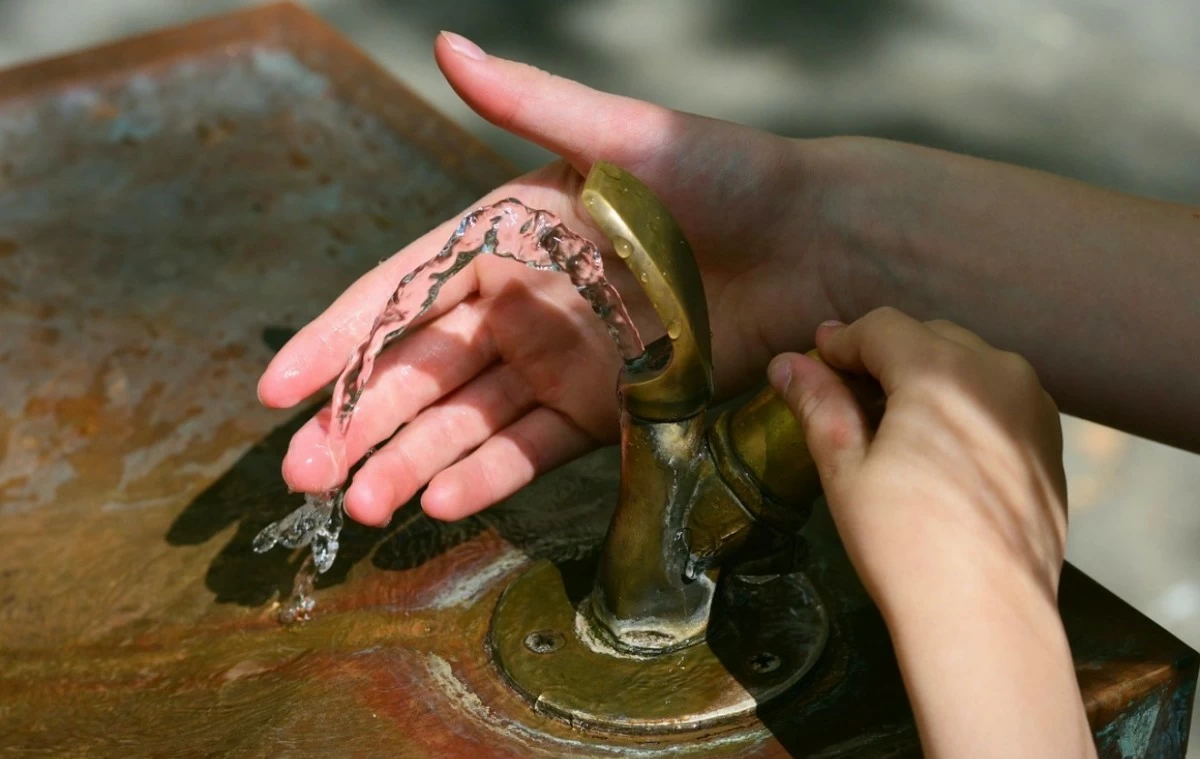
(PHOTO: PIXABAY)
(PHOTO: PIXABAY)
The Department of Environment and Natural Resources (DENR) said it is targeting to build 49 low-cost water refilling stations nationwide by the end of the year as part of efforts to make safe drinking water more affordable and accessible to communities, particularly in areas where potable water remains expensive or unreliable.
Dr. Carlos Primo David, DENR undersecretary for Integrated Environmental Science and concurrent head of the Water Resources Management Office (WRMO), said six DENR-WRMO-supported water refilling stations are already operational across the country, while 18 more are currently being installed.
“Six (6) DENR-WRMO-supported water refilling stations are already operational nationwide: one in Negros Oriental, one in Leyte, one in Cagayan, one in Lanao del Norte, and two locations in Zamboanga del Sur, with 18 more under installation,” David said in a statement.
He added that the agency expects a total of 49 stations to be operational nationwide by year-end.
The stations, which are operated by Local Water Districts, sell purified drinking water at approximately half the prevailing market price in their respective areas, per David.
“In a country where many families spend a disproportionate share of their income on bottled or refilled water, the price cut is significant,” he said.
The WRMO said the refilling stations use systems that consume less electricity and require simpler maintenance than conventional water refilling facilities, helping reduce operating expenses and consumer prices.
“These systems use far less power and are easier to maintain,” David said.
“Lower production costs translate directly into lower prices for consumers, without compromising safety,” he added.
As such, David said the program strengthens public health safeguards by placing the facilities under the management of Local Water Districts, which already oversee water quality in their respective service areas.
“Local Water Districts already manage water quality every day,” he said.
“They bring technical rigor and accountability that private vendors often cannot match,” he added.
Aside from lowering the cost of potable water, the agency said the program also seeks to reduce the environmental footprint of water purification through lower energy consumption.
The DENR said revenues generated by the stations are reinvested into maintenance and expansion efforts, creating what David described as a circular and self-sustaining model.
DENR Secretary Juan Miguel Cuna said the initiative reflects the mandate of the WRMO, which was established in 2023 to strengthen the country’s water security efforts.
“The President established the WRMO so the country could finally have a central body focused on water security,” HE said.
“This refilling station program is a direct result of that decision — a government-led solution that lowers costs, improves quality, and strengthens local utilities,” he added.
The DENR noted that the WRMO has been working with the Philippine Association of Water Districts since 2024 to develop the program and is now coordinating with Local Water Districts to identify additional sites, prioritizing areas where drinking water remains expensive or unreliable.
The agency said the planned expansion to 49 stations will mark a major milestone in the government’s efforts to broaden access to safe and affordable drinking water nationwide.
“No Filipino community should be left behind,” Cuna said.
“Water is a basic need. Our responsibility is to make it safe, reliable, and within reach.”

Related Tags

DENR WRMO water security water refilling stations potable water public health Local Water Districts environmental sustainability water access affordable water
ADVERTISEMENT
.most-popular .layout-ratio{ padding-bottom: 79.13%; } @media (min-width: 768px) and (max-width: 1024px) { .widget-title { font-size: 15px !important; } }

{{ articles_filter_1561_widget.title }}

.most-popular .layout-ratio{ padding-bottom: 79.13%; } @media (min-width: 768px) and (max-width: 1024px) { .widget-title { font-size: 15px !important; } }

{{ articles_filter_1562_widget.title }}

.most-popular .layout-ratio{ padding-bottom: 79.13%; } @media (min-width: 768px) and (max-width: 1024px) { .widget-title { font-size: 15px !important; } }

{{ articles_filter_1563_widget.title }}

{{ articles_filter_1564_widget.title }}

.mb-article-details { position: relative; } .mb-article-details .article-body-preview, .mb-article-details .article-body-summary{ font-size: 17px; line-height: 30px; font-family: "Libre Caslon Text", serif; color: #000; } .mb-article-details .article-body-preview iframe , .mb-article-details .article-body-summary iframe{ width: 100%; margin: auto; } .read-more-background { background: linear-gradient(180deg, color(display-p3 1.000 1.000 1.000 / 0) 13.75%, color(display-p3 1.000 1.000 1.000 / 0.8) 30.79%, color(display-p3 1.000 1.000 1.000) 72.5%); position: absolute; height: 200px; width: 100%; bottom: 0; display: flex; justify-content: center; align-items: center; padding: 0; } .read-more-background a{ color: #000; } .read-more-btn { padding: 17px 45px; font-family: Inter; font-weight: 700; font-size: 18px; line-height: 16px; text-align: center; vertical-align: middle; border: 1px solid black; background-color: white; } .hidden { display: none; }
function initializeAllSwipers() { // Get all hidden inputs with cms_article_id document.querySelectorAll('[id^="cms_article_id_"]').forEach(function (input) { const cmsArticleId = input.value; const articleSelector = '#article-' + cmsArticleId + ' .body_images'; const swiperElement = document.querySelector(articleSelector); if (swiperElement && !swiperElement.classList.contains('swiper-initialized')) { new Swiper(articleSelector, { loop: true, pagination: false, navigation: { nextEl: '#article-' + cmsArticleId + ' .swiper-button-next', prevEl: '#article-' + cmsArticleId + ' .swiper-button-prev', }, }); } }); } setTimeout(initializeAllSwipers, 3000); const intersectionObserver = new IntersectionObserver( (entries) => { entries.forEach((entry) => { if (entry.isIntersecting) { const newUrl = entry.target.getAttribute("data-url"); if (newUrl) { history.pushState(null, null, newUrl); let article = entry.target; // Extract metadata const author = article.querySelector('.author-section').textContent.replace('By', '').trim(); const section = article.querySelector('.section-info ').textContent.replace(' ', ' '); const title = article.querySelector('.article-title h1').textContent; // Parse URL for Chartbeat path format const parsedUrl = new URL(newUrl, window.location.origin); const cleanUrl = parsedUrl.host + parsedUrl.pathname; // Update Chartbeat configuration if (typeof window._sf_async_config !== 'undefined') { window._sf_async_config.path = cleanUrl; window._sf_async_config.sections = section; window._sf_async_config.authors = author; } // Track virtual page view with Chartbeat if (typeof pSUPERFLY !== 'undefined' && typeof pSUPERFLY.virtualPage === 'function') { try { pSUPERFLY.virtualPage({ path: cleanUrl, title: title, sections: section, authors: author }); } catch (error) { console.error('ping error', error); } } // Optional: Update document title if (title && title !== document.title) { document.title = title; } } } }); }, { threshold: 0.1 } ); function showArticleBody(button) { const article = button.closest("article"); const summary = article.querySelector(".article-body-summary"); const body = article.querySelector(".article-body-preview"); const readMoreSection = article.querySelector(".read-more-background"); // Hide summary and read-more section summary.style.display = "none"; readMoreSection.style.display = "none"; // Show the full article body body.classList.remove("hidden"); } document.addEventListener("DOMContentLoaded", () => { let loadCount = 0; // Track how many times articles are loaded const offset = [1, 2, 3, 4, 5, 6, 7, 8, 9, 10]; // Offset values const currentUrl = window.location.pathname.substring(1); let isLoading = false; // Prevent multiple calls if (!currentUrl) { console.log("Current URL is invalid."); return; } const sentinel = document.getElementById("load-more-sentinel"); if (!sentinel) { console.log("Sentinel element not found."); return; } function isSentinelVisible() { const rect = sentinel.getBoundingClientRect(); return ( rect.top < window.innerHeight && rect.bottom >= 0 ); } function onScroll() { if (isLoading) return; if (isSentinelVisible()) { if (loadCount >= offset.length) { console.log("Maximum load attempts reached."); window.removeEventListener("scroll", onScroll); return; } isLoading = true; const currentOffset = offset[loadCount]; window.loadMoreItems().then(() => { let article = document.querySelector('#widget_1690 > div:nth-last-of-type(2) article'); intersectionObserver.observe(article) loadCount++; }).catch(error => { console.error("Error loading more items:", error); }).finally(() => { isLoading = false; }); } } window.addEventListener("scroll", onScroll); });

Sign up by email to receive news.