ADVERTISEMENT

Why these moms believe hygiene is really about confidence

The founders of Lumee Kids are helping children ages three to 12 develop independence through age-appropriate personal care products

Published Jun 12, 2026 09:16 am
(Photos: Lumee Kids)
It started during a casual brunch after school drop-off. Someone asked a simple question: What do you use to clean your child after they use the bathroom?
Some used regular soap. Others reached for products intended for adults. A few had improvised solutions of their own. It seemed no one really knew what to do.
That conversation eventually led to the creation of Lumee Kids, a personal care and hygiene line designed for children ages three to 12.
As mothers themselves—Mara Madarang to Morgan, 8, and Maya, 1; Chelle So to Chloe, 8; and Bea Syson to Bella, 5, and Bianca, 3—the three women found themselves noticing the same concerns repeatedly among parents.

Bea Syson, Lumme Kids' co-founder, marketing, branding and growth; Mom to Bella, 5, and Bianca, 3
Children are becoming more active, more independent, and increasingly aware of themselves. Body odor seemed to appear earlier than expected. But many of the products available were designed either for babies or for adults.
"The baby products were already too mild, while adult products felt too harsh," says Bea. While infancy and adolescence receive significant attention from parents and brands alike, the years in between are often treated as a waiting period rather than a developmental stage of their own.

Mara Madarang, Lumee Kids' co-founder, product development and comunications; Mom to Morgan, 8, and Maya, 1
Mara believes that part of the reason is that the changes are subtle. "Nothing dramatic is happening on the surface. The changes are quieter and more gradual."
For the three founders, their conversations eventually evolved from being less about hygiene products and more about confidence. A child who feels capable of caring for themselves gains more than a routine, they gain a sense of ownership.
"We kept talking about confidence with our fellow moms. What we noticed was that confident children often had many small successes adding up over time,” adds Mara.
Learning to manage personal hygiene may seem minor to adults, but for a child, it can be quite an achievement. Remembering a routine, completing it independently, and taking responsibility for their own care all contribute to a growing sense of capability and independence.
"Every time a child does something by themselves, they get proof that they can," Bea explains.
Those small moments matter.
Children at this age are also highly aware of how others perceive them. Chelle notes, "One comment can stay with a child. It can affect how they carry themselves."
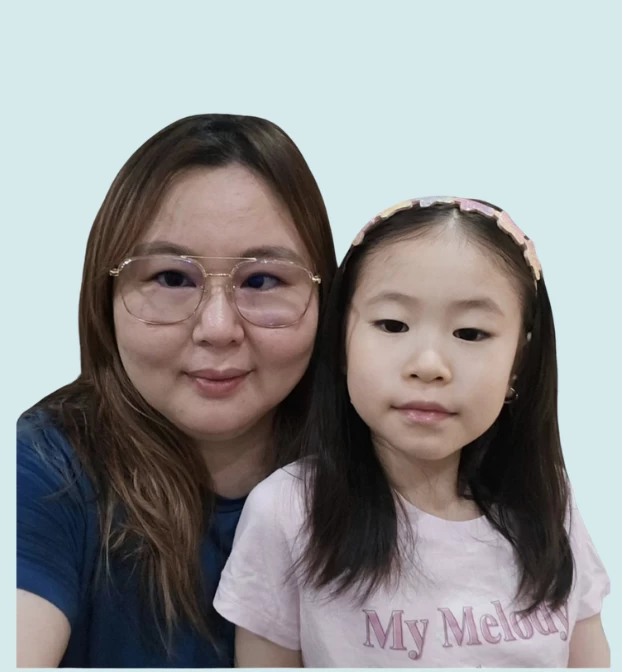
Chelle So, Lumee Kids' co-founder, operations and finance; Mom to Chloe, 8
This is why the founders believe parents should view hygiene not simply as a task, but as a habit that affects self-care, confidence, and responsibility. This philosophy has guided them in developing Lumee Kids.
Rather than creating miniature versions of adult products, the founders spent time identifying the specific hygiene challenges children encounter during the often-overlooked years between toddlerhood and adolescence. The result is a line designed to help children care for themselves safely and independently while giving parents peace of mind.
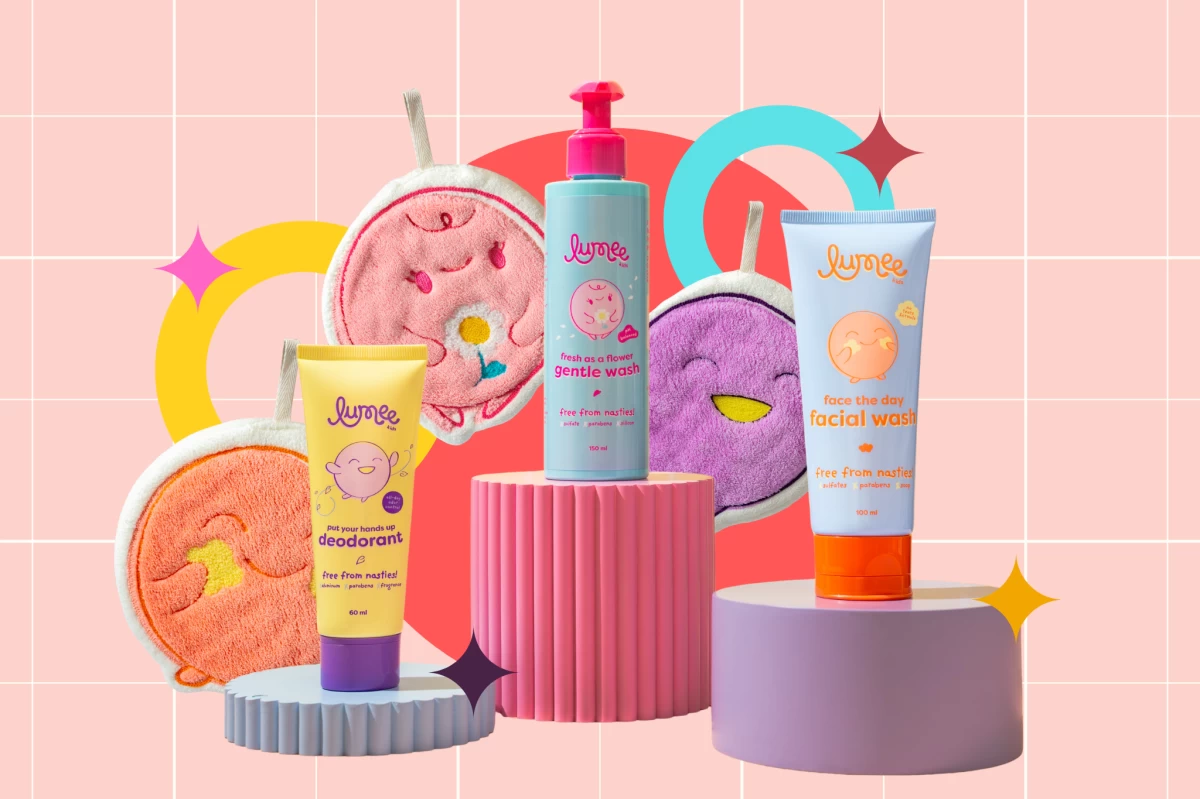
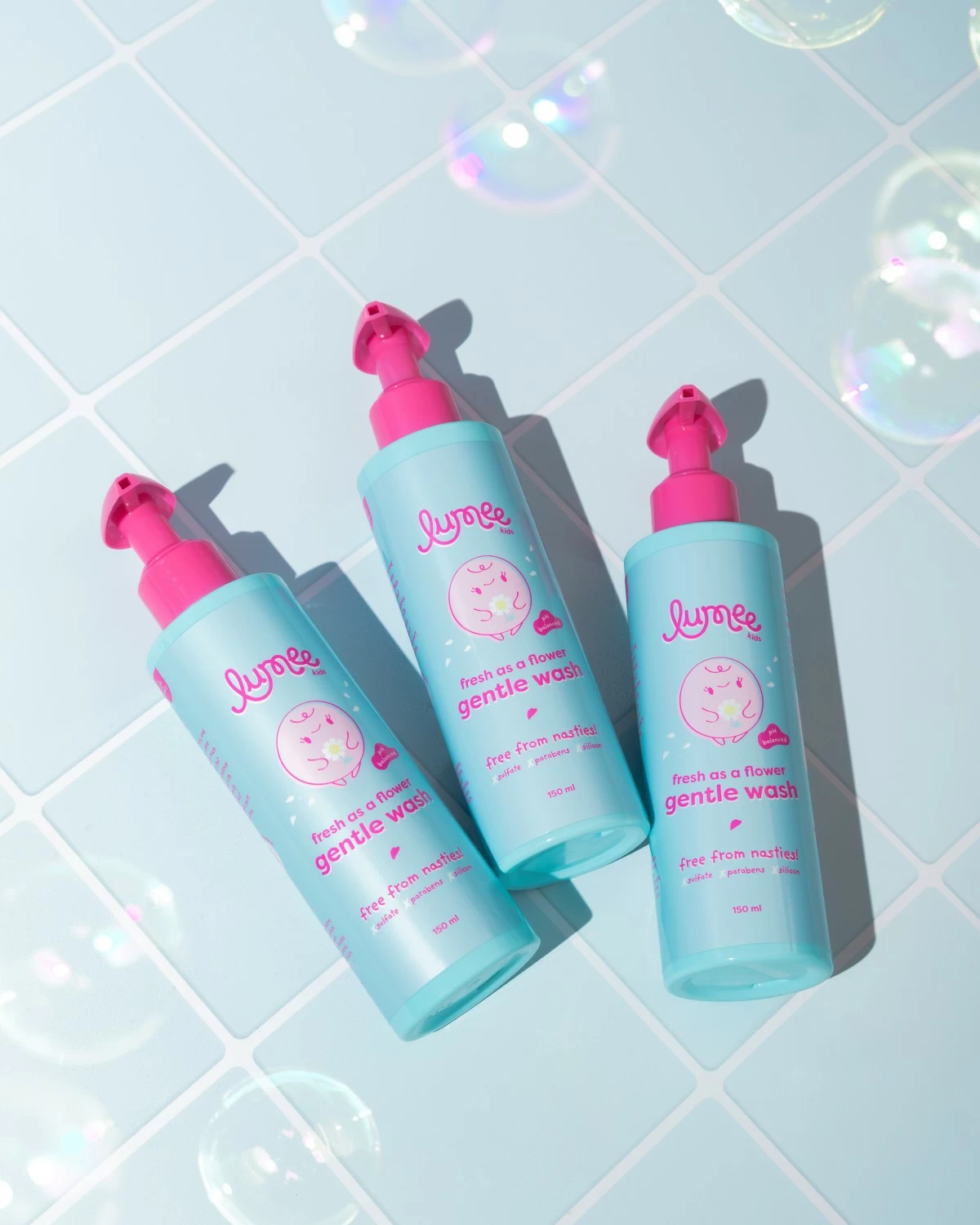
One of these is their Gentle Wash, a soap-free cleanser created for both boys and girls learning proper hygiene. Intended for use after bathroom visits and active days of play, it contains calendula, chamomile, and aloe extract, ingredients chosen for their soothing properties. The founders saw it as a practical solution for children who have outgrown baby wipes and washes but are not yet ready for adult products.
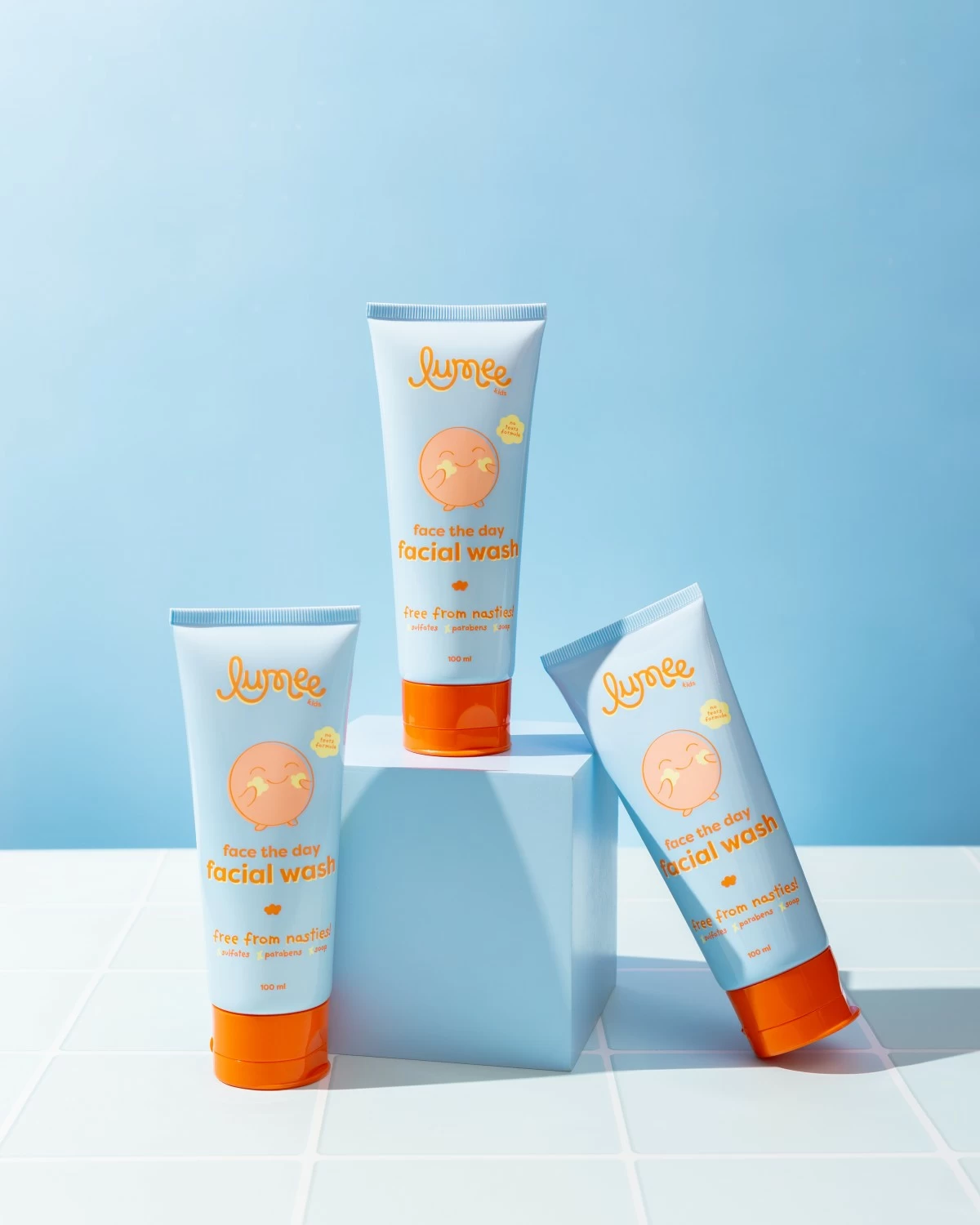
Facial Wash
Facial Wash
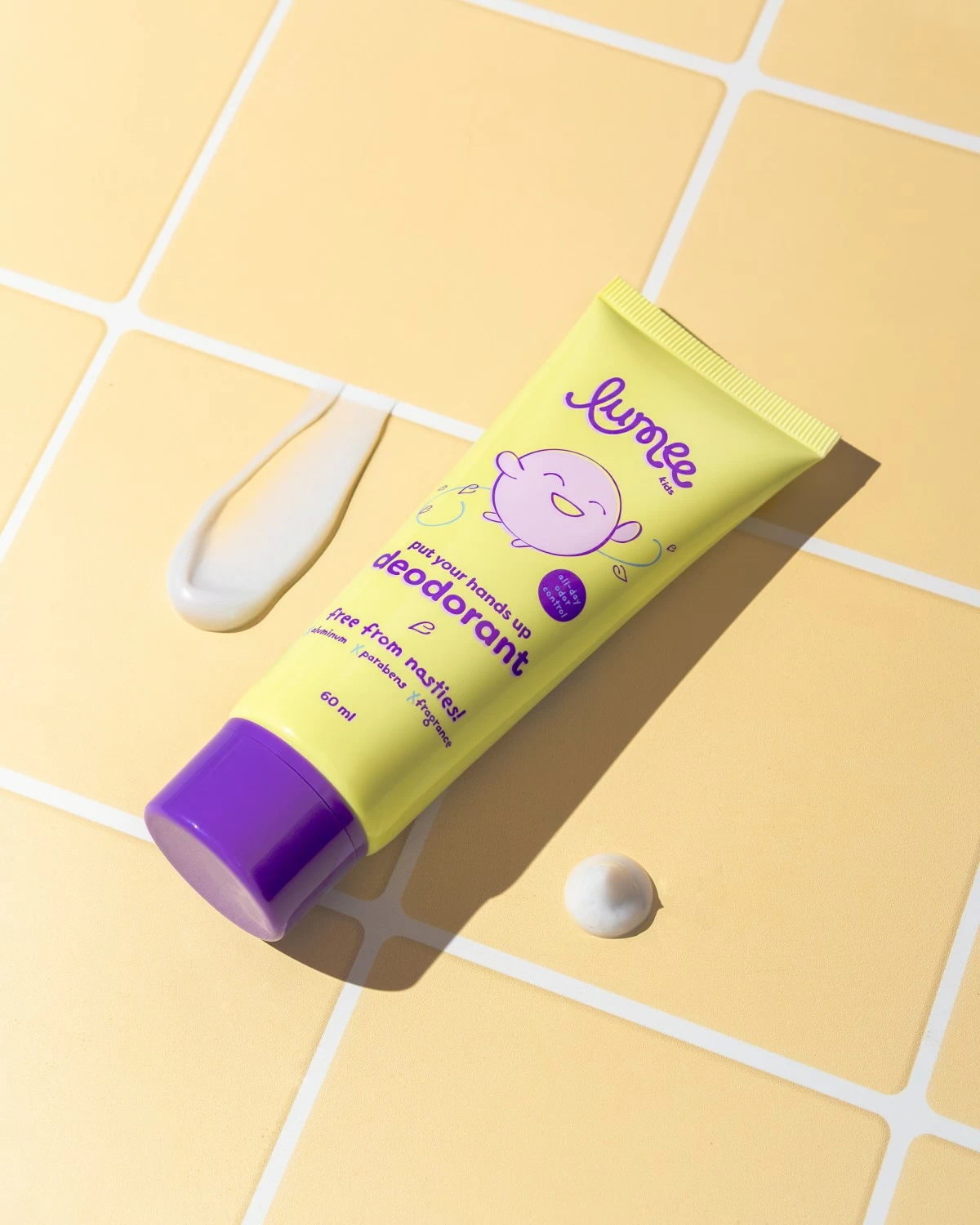
Deodorant
Deodorant
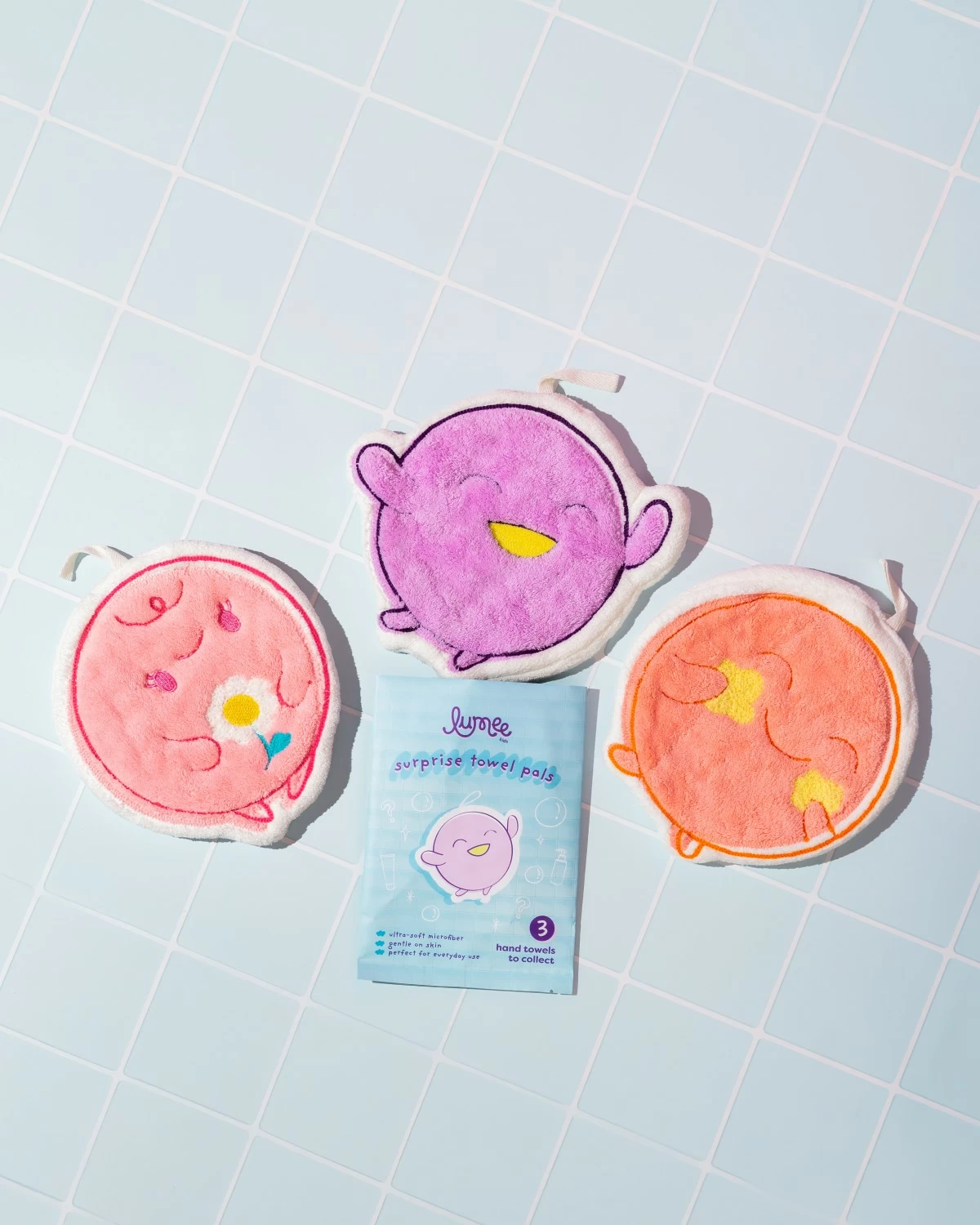
Towel Pals
Towel Pals
Gentle Wash
Gentle Wash
For children beginning to experience body odor, a Cream Deodorant was developed. Rather than using aluminum-based antiperspirants that block sweat glands, the formula relies on zinc ricinoleate derived from castor oil and charcoal to help manage odor and moisture. Applied through an easy-to-use applicator, the cream is also formulated with bentonite clay and allantoin, ingredients that help soothe delicate skin. The founders wanted a product that would help children stay fresh through school, sports, and outdoor activities while encouraging independence in their daily routines.
Another common milestone the founders observed was children's growing interest in skincare. The Facial Wash features a tear-free formula with virgin coconut oil and witch hazel to help remove dirt, sweat, and excess oil without leaving skin feeling dry or irritated. Rather than introducing children to complicated skincare routines, the founders see it as a gentle first step toward healthy hygiene habits.
Safety is of utmost importance. Lumee Kids products are pediatrician- and dermatologist-recommended and are FDA-notified cosmetic products that comply with Philippine FDA cosmetic safety regulations. The founders intentionally developed gentle formulas suitable for children's more delicate skin, allowing parents to support growing independence while placing their confidence on the products their children use every day.
For Mara, Chelle, and Bea, the goal has never been to make children overly conscious of their appearance. Instead, they want children to understand that taking care of themselves is a form of self-respect. As Mara puts it, "These are habits that stay with them. When children learn to take care of themselves early, they carry that confidence into other areas of their lives."

Related Tags

Parenting Lumee Kids
ADVERTISEMENT
.most-popular .layout-ratio{ padding-bottom: 79.13%; } @media (min-width: 768px) and (max-width: 1024px) { .widget-title { font-size: 15px !important; } }

{{ articles_filter_1561_widget.title }}

.most-popular .layout-ratio{ padding-bottom: 79.13%; } @media (min-width: 768px) and (max-width: 1024px) { .widget-title { font-size: 15px !important; } }

{{ articles_filter_1562_widget.title }}

.most-popular .layout-ratio{ padding-bottom: 79.13%; } @media (min-width: 768px) and (max-width: 1024px) { .widget-title { font-size: 15px !important; } }

{{ articles_filter_1563_widget.title }}

{{ articles_filter_1564_widget.title }}

.mb-article-details { position: relative; } .mb-article-details .article-body-preview, .mb-article-details .article-body-summary{ font-size: 17px; line-height: 30px; font-family: "Libre Caslon Text", serif; color: #000; } .mb-article-details .article-body-preview iframe , .mb-article-details .article-body-summary iframe{ width: 100%; margin: auto; } .read-more-background { background: linear-gradient(180deg, color(display-p3 1.000 1.000 1.000 / 0) 13.75%, color(display-p3 1.000 1.000 1.000 / 0.8) 30.79%, color(display-p3 1.000 1.000 1.000) 72.5%); position: absolute; height: 200px; width: 100%; bottom: 0; display: flex; justify-content: center; align-items: center; padding: 0; } .read-more-background a{ color: #000; } .read-more-btn { padding: 17px 45px; font-family: Inter; font-weight: 700; font-size: 18px; line-height: 16px; text-align: center; vertical-align: middle; border: 1px solid black; background-color: white; } .hidden { display: none; }
function initializeAllSwipers() { // Get all hidden inputs with cms_article_id document.querySelectorAll('[id^="cms_article_id_"]').forEach(function (input) { const cmsArticleId = input.value; const articleSelector = '#article-' + cmsArticleId + ' .body_images'; const swiperElement = document.querySelector(articleSelector); if (swiperElement && !swiperElement.classList.contains('swiper-initialized')) { new Swiper(articleSelector, { loop: true, pagination: false, navigation: { nextEl: '#article-' + cmsArticleId + ' .swiper-button-next', prevEl: '#article-' + cmsArticleId + ' .swiper-button-prev', }, }); } }); } setTimeout(initializeAllSwipers, 3000); const intersectionObserver = new IntersectionObserver( (entries) => { entries.forEach((entry) => { if (entry.isIntersecting) { const newUrl = entry.target.getAttribute("data-url"); if (newUrl) { history.pushState(null, null, newUrl); let article = entry.target; // Extract metadata const author = article.querySelector('.author-section').textContent.replace('By', '').trim(); const section = article.querySelector('.section-info ').textContent.replace(' ', ' '); const title = article.querySelector('.article-title h1').textContent; // Parse URL for Chartbeat path format const parsedUrl = new URL(newUrl, window.location.origin); const cleanUrl = parsedUrl.host + parsedUrl.pathname; // Update Chartbeat configuration if (typeof window._sf_async_config !== 'undefined') { window._sf_async_config.path = cleanUrl; window._sf_async_config.sections = section; window._sf_async_config.authors = author; } // Track virtual page view with Chartbeat if (typeof pSUPERFLY !== 'undefined' && typeof pSUPERFLY.virtualPage === 'function') { try { pSUPERFLY.virtualPage({ path: cleanUrl, title: title, sections: section, authors: author }); } catch (error) { console.error('ping error', error); } } // Optional: Update document title if (title && title !== document.title) { document.title = title; } } } }); }, { threshold: 0.1 } ); function showArticleBody(button) { const article = button.closest("article"); const summary = article.querySelector(".article-body-summary"); const body = article.querySelector(".article-body-preview"); const readMoreSection = article.querySelector(".read-more-background"); // Hide summary and read-more section summary.style.display = "none"; readMoreSection.style.display = "none"; // Show the full article body body.classList.remove("hidden"); } document.addEventListener("DOMContentLoaded", () => { let loadCount = 0; // Track how many times articles are loaded const offset = [1, 2, 3, 4, 5, 6, 7, 8, 9, 10]; // Offset values const currentUrl = window.location.pathname.substring(1); let isLoading = false; // Prevent multiple calls if (!currentUrl) { console.log("Current URL is invalid."); return; } const sentinel = document.getElementById("load-more-sentinel"); if (!sentinel) { console.log("Sentinel element not found."); return; } function isSentinelVisible() { const rect = sentinel.getBoundingClientRect(); return ( rect.top < window.innerHeight && rect.bottom >= 0 ); } function onScroll() { if (isLoading) return; if (isSentinelVisible()) { if (loadCount >= offset.length) { console.log("Maximum load attempts reached."); window.removeEventListener("scroll", onScroll); return; } isLoading = true; const currentOffset = offset[loadCount]; window.loadMoreItems().then(() => { let article = document.querySelector('#widget_1690 > div:nth-last-of-type(2) article'); intersectionObserver.observe(article) loadCount++; }).catch(error => { console.error("Error loading more items:", error); }).finally(() => { isLoading = false; }); } } window.addEventListener("scroll", onScroll); });

Sign up by email to receive news.