






Manila Bulletin
 Philippines
National
Through longganisa and corned beef, Philippine envoy in Israel makes Filipinos feel at home
Philippines
National
Through longganisa and corned beef, Philippine envoy in Israel makes Filipinos feel at home
Philippines
National
Through longganisa and corned beef, Philippine envoy in Israel makes Filipinos feel at home
Through longganisa and corned beef, Philippine envoy in Israel makes Filipinos feel at home
Published Jun 12, 2026 12:28 pm
|
Updated Jun 12, 2026 02:51 pm


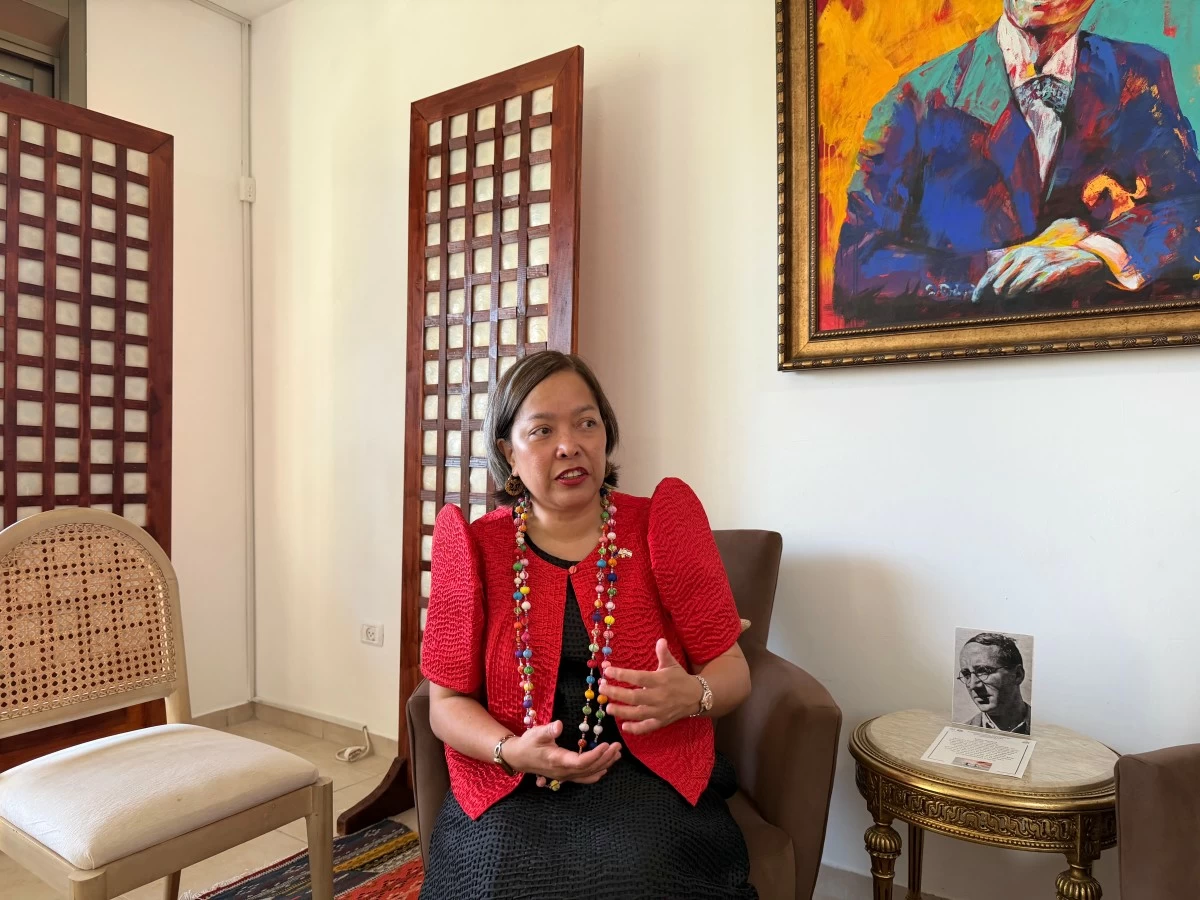
TEL AVIV, Israel—A single tray of pork longganisa, of corned beef and of rice would have passed on as typical Filipino breakfast except it was served here, where anything that reminded of home gave at least warmth for the heart of overseas Filipino workers (OFWs) who have chosen to stay, even on wartime.
Philippine Ambassador to Israel Aileen Mendiola-Rau was wearing a red Filipiniana when she welcomed several dozen Filipinos to a breakfast reception at the embassy here in the Israeli capital to celebrate the Philippines' 128th Independence Day.
The selection of food—served on a long table covered with white cloth—was completely different from what the people here usually eat—cheese, hummus, bread, and chopped vegetable salad. So the typical oil-fried, unhealthy breakfast that Filipinos had comfortably loved and grown to make them feel at home.
"It's a tradition that we have a breakfast with the Filipino community leaders to celebrate our national day," Mendiola-Rau said in an interview.
On regular days, the embassy—a four-storey compact building just 10 minutes away from the beach—hosts discussions crucial in Philippine bilateral relations, processes visas, and assists Filipinos facing whatever problem they have in Israel. During active conflict, it turns into a relief warehouse.
But on June 11, it served another purpose—gather Filipinos and make them feel at home even in a different part of the world.
"It's an effort also to celebrate despite what's happening, in a modest way. This year, we did not hold a diplomatic reception in a hotel, also in keeping with what's happening in the region, and to support the difficulties due to the oil price increase," she added.
The celebration was "austere," as Vice Consul Teri Bautista described. But it didn't miss Filipino hospitality, as the ambassador herself prepared buko-macapuno and quezo-real ice cream, which were even served from a traditional sorbetes push cart.
Coping with war
Cooking—or making ice cream in that case—is one of the ways Mendiola-Rau diverts her mind, Bautista said. Most days, she attends to the needs and welfare of Filipinos in Israel, which has become more crucial due to the ongoing war.
Another way is to do volunteer work.
"Kahapon (Yesterday), we went to a place, it's a food bank... the fact that you can use your hands and try to be a volunteer, it clears your mind eh. Because your attention is to pack the food. So it's one way," she said.
Around 27,000 Filipinos are currently working in Israel. Even though the war has dragged on for more than two years, many of them still prefer to stay.
"Isn't it most of our kababayan leave home, it’s because of economic reasons. It’s a fact. The salaries here are high compared to the Middle East," she said.
"That alone is a big incentive for them to come here. And then you have the treatment of the Israelis toward the Filipinos, which is different from what you would expect from other employers. They’re considered part of the family.”
"So that is how they also cope with the stresses—there’s an economic part. There’s also a security part," she added.