






Manila Bulletin
 Philippines
National
Marcos urges Filipinos to uphold truth, strengthen unity on 128th Independence Day
Philippines
National
Marcos urges Filipinos to uphold truth, strengthen unity on 128th Independence Day
Philippines
National
Marcos urges Filipinos to uphold truth, strengthen unity on 128th Independence Day
Marcos urges Filipinos to uphold truth, strengthen unity on 128th Independence Day
President calls on Filipinos to draw inspiration from national heroes as he stresses the need to restore public trust
Published Jun 12, 2026 09:06 am
|
Updated Jun 12, 2026 02:16 pm


At A Glance
- Marcos urged Filipinos to draw inspiration from national heroes and uphold the responsibilities that come with freedom.
- The President warned against misinformation and called for restoring public trust amid growing social divisions.
- He cited corruption, poverty, global uncertainties, and climate change as challenges to national progress while expressing confidence in the resilience and unity of the Filipino people.
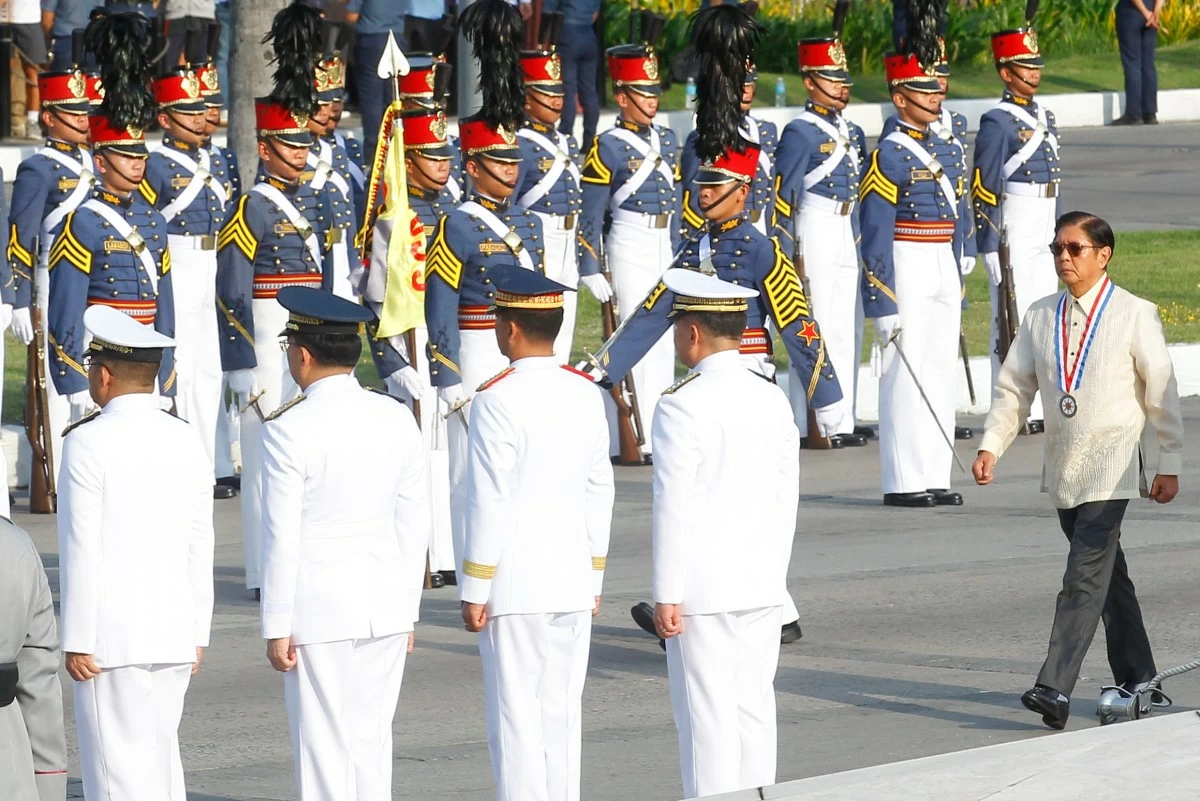
President Ferdinand R. Marcos Jr. leads the 128th Independence Day celebration at the Rizal Park in Manila on June 12, 2026, honoring Filipino heroes and calling for truth, unity, and shared responsibility in building a stronger Philippines. (Mark Balmores / Manila Bulletin)
President Ferdinand R. Marcos Jr. called on Filipinos to draw inspiration from the nation’s heroes, uphold the responsibilities that come with freedom, and work together for the common good as the country commemorated the 128th Anniversary of the Proclamation of Philippine Independence on Friday, June 12.
Leading the nation’s Independence Day celebration, Marcos emphasized the importance of honoring the sacrifices of Filipino heroes while strengthening national unity and fostering shared responsibility in building a better future.
In his Independence Day message, the President paid tribute to the men and women whose courage and dedication helped secure the country’s freedom and sovereignty.
“It was the moment we formally asserted our right to govern ourselves and determine our own destiny,” Marcos said, referring to the historic declaration of Philippine independence in Kawit, Cavite, on June 12, 1898.
The President noted that the years following independence tested the nation’s resolve as Filipinos worked to build institutions, strengthen unity, and sustain a truly independent republic.
“Yet through wars, crises, and uncertainty, the Filipino spirit endured, and our determination to build a better Philippines prevailed,” he said.
“As we honor this day, we are reminded that freedom is not merely a legacy we inherit but a responsibility we must uphold,” Marcos added.
Marcos also expressed hope that the annual commemoration would deepen Filipinos’ understanding of the nation’s history and inspire a renewed sense of duty as the country continues pursuing the vision of a “Bagong Pilipinas.”
He said the nation must remain worthy of “the sacrifices that secured our sovereignty and of the dreams and aspirations that gave birth to our Republic.”
Independence Day rites at Rizal Monument
The celebration of the 128th Anniversary of the Proclamation of Philippine Independence and Nationhood began with flag-raising and wreath-laying ceremonies at the Rizal National Monument in Manila.
Marcos, together with members of the First Family, led the rites honoring Dr. Jose Rizal and other Filipino heroes whose sacrifices paved the way for the country’s freedom.
Following the ceremonies at Rizal Park, the Independence Day festivities continued at the Quirino Grandstand, where colorful floats, cultural performances, and patriotic musical presentations showcased the Filipino spirit and the freedoms cherished by every generation.
Through various presentations, organizers sought to portray the many dimensions of freedom that Filipinos continue to pursue, including social justice, national unity, compassion, and shared responsibility.
Lessons from history
In his speech, Marcos reflected on the country’s more than three centuries under colonial rule, during which Filipinos endured hardship, injustice, and oppression under foreign powers.
He said the nation’s quest for justice and equality inspired generations of Filipinos to resist colonial rule, citing early revolutionaries such as Tamblot, Sumuroy, Dagohoy, and the spouses Diego and Gabriela Silang.
The President noted that uprisings in Bohol, Piddig in Ilocos Norte, and Cavite reflected Filipinos’ strong desire for freedom, although many of these movements failed because of division and the absence of a common cause.
According to Marcos, the founding of the Katipunan under Andres Bonifacio helped unite Filipinos behind a shared struggle for independence, which was later carried forward by General Emilio Aguinaldo.
Marcos said the establishment of the Republic of the Philippines enabled Filipinos to build institutions that serve the people and shape the country’s future.
More than a century after independence was achieved, he challenged Filipinos to reflect on how they have used the freedom won by previous generations.
“Ang ating kasaysayan ay nagturo sa atin na sa pagkakaisa lamang makakamit ang kasarinlan; na ang tunay na mga pinuno ay yaong nagsasakripisyo ng sariling interes para sa ikabubuti ng bayan; at na ang kalayaan ay dapat inaalagaan (Our history has taught us that independence can only be achieved through unity; that true leaders are those who sacrifice personal interests for the good of the nation; and that freedom must always be safeguarded),” Marcos said.
He emphasized that Philippine history teaches the importance of unity in achieving national aspirations, selfless leadership, and the responsibility to safeguard freedom.
Marcos also urged Filipinos to apply these lessons in strengthening the nation and preserving its independence amid contemporary challenges.
Addressing modern challenges
The President also highlighted the challenges facing modern society, including misinformation, technological change, and growing social divisions.
“We must protect truth from distortion, harness technology wisely, and restore trust in a time increasingly marked by division and distrust,” Marcos said in his Independence Day message.
“How we respond to these demands will shape the course of our nation and define what we pass on to future generations,” he added.
In his speech, Marcos also identified corruption, poverty, division, global uncertainties, and climate change as among the challenges confronting the country’s freedom and development.
Despite these difficulties, he expressed confidence in the resilience, industry, and compassion of the Filipino people, citing their ability to stand for what is right, help one another, and recover from adversity.
He pointed to the spirit of unity and bayanihan displayed by Filipinos, particularly during times of disaster and crisis.
“Sa bawat Pilipino, ito ang aking panawagan: Huwag po tayong mapagod na mahalin, piliin, at ipaglaban ang Pilipinas (To every Filipino, this is my appeal: Let us never grow weary of loving, choosing, and fighting for the Philippines),” Marcos said.
The President urged Filipinos to deepen their awareness, remain discerning in seeking the truth, use their abilities responsibly, compete fairly, and prioritize the nation's welfare over the interests of a few.
He said that by remaining faithful to these ideals, future generations would inherit a stronger, more just, and more prosperous country.
Marcos likewise reminded Filipinos that the peace, independence, and freedom they enjoy today were secured through the sacrifices and blood of those who came before them.
He expressed hope that the Philippine flag, the national anthem, and a shared sense of nationhood would continue to unite Filipinos in building a “Bagong Pilipinas.”