






Manila Bulletin
 Environment and Sustainability
Filipino youth lead the charge for climate action at I ACT Philippines Workshop
Environment and Sustainability
Filipino youth lead the charge for climate action at I ACT Philippines Workshop
Environment and Sustainability
Filipino youth lead the charge for climate action at I ACT Philippines Workshop
Filipino youth lead the charge for climate action at I ACT Philippines Workshop
Published Jun 12, 2026 10:00 am
|
Updated Jun 12, 2026 09:19 pm


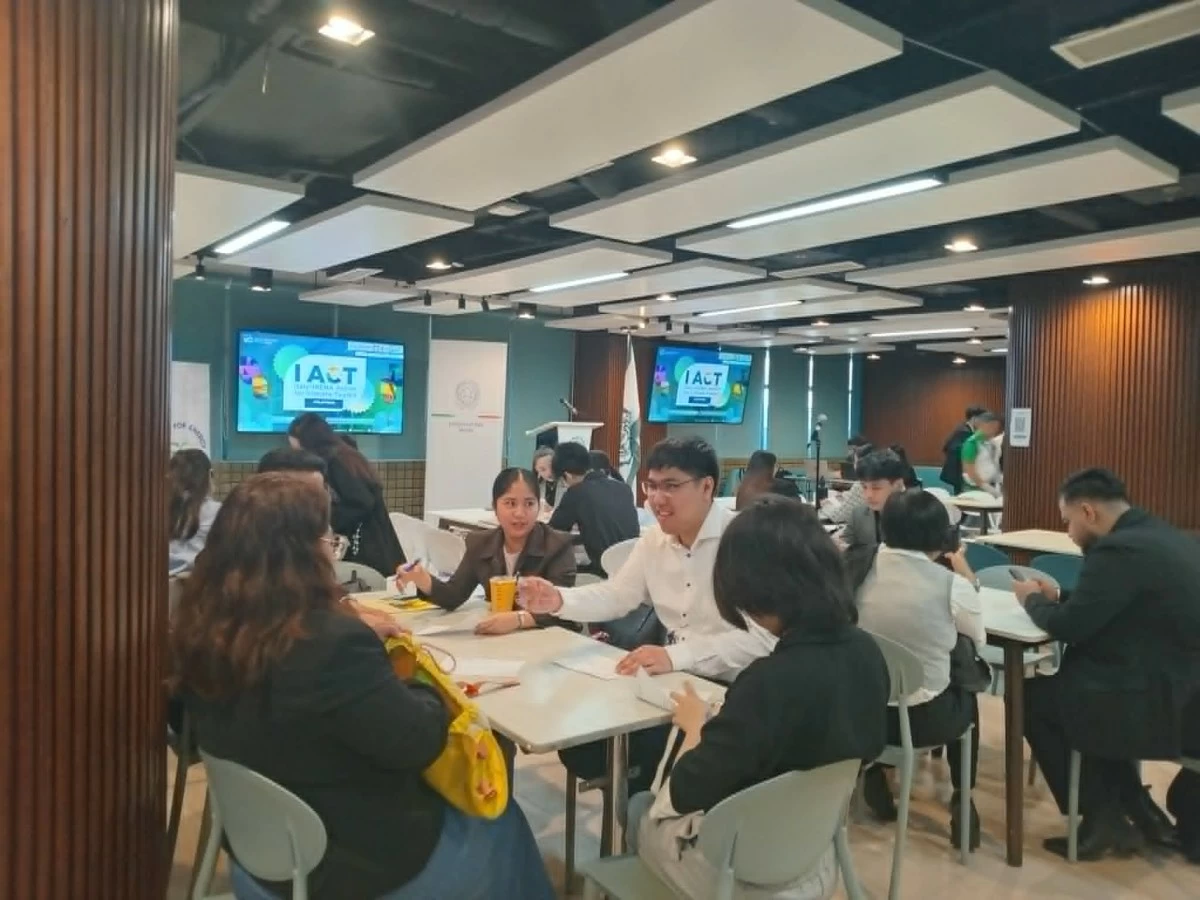
Participants grouped during the morning sessions of the IACT Workshop (Photo by Sean Fernando).
A new generation of Filipino sustainability leaders took center stage as students and young professionals gathered for the inaugural Italy-IRENA Action for Climate Toolkit (I ACT) Philippines workshop held at the De La Salle-College of Saint Benilde on May 23.
Organized by Youth for Energy Southeast Asia (Y4E-SEA) in partnership with Green Economy Ready, the Benilde School of Diplomacy and Governance, and the Embassy of Italy in Manila, the day-long event became more than just a climate workshop—it became a hopeful starting point for a growing movement of young Filipinos eager to become future leaders, educators, and advocates for sustainability and climate action.
Inside the venue, delegates filled the halls with energy and enthusiasm as they participated in interactive discussions, collaborative activities, and module sessions throughout the day. Participants, many of whom were students and emerging professionals from different schools and sectors, actively exchanged ideas on renewable energy, climate action, and sustainable development while building connections with fellow youth advocates.
Italian Ambassador to the Philippines Davide Giglio delivered the opening remarks, emphasizing the importance of international cooperation and youth participation in building a more sustainable future while offering words of encouragement that resonated with participants throughout the workshop.
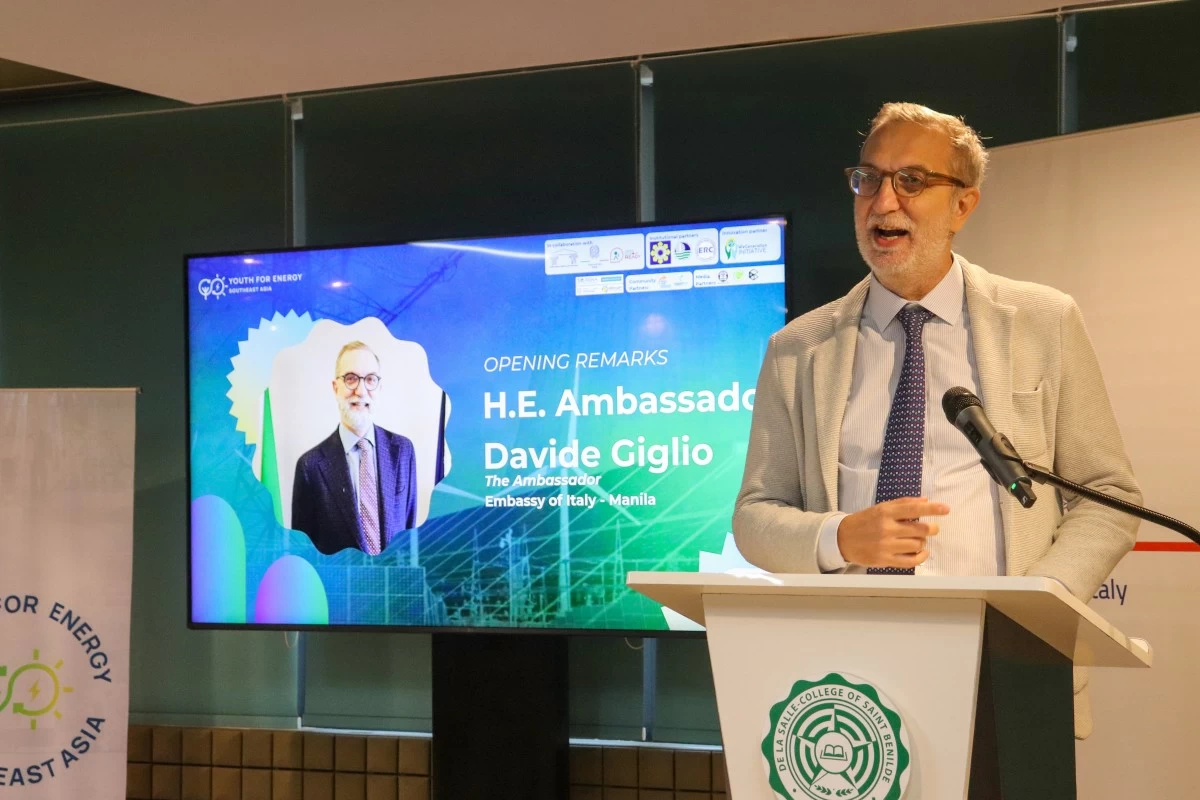
Italian Ambassador Davide Giglio delivers his opening remarks.
“Climate change and energy security are global issues that require collective solutions and stronger partnerships. Dialogue, as well as cooperation among governments, institutions, civil society, and youth, is essential to building a more sustainable, inclusive and resilient future,” he said.
Throughout the workshop, participants engaged in a series of modules tackling renewable energy, climate action, sustainable development, and inclusive transitions. Sessions were facilitated by Filipino I ACT Peer Educators Bernadette Anne Buensuceso, Lara Jean Salaysay, and Stvenson George Tupas, who guided attendees through discussions on climate myths, renewable energy solutions, energy for development, and youth engagement.
In an interview, Bernadette Anne Buensuceso emphasized the importance of youth leadership and the role of young people in addressing energy and climate challenges in Southeast Asia.
“They are the next generation energy policy makers, energy actors. Strengthening their knowledge and capacity building, while also inspiring and empowering them, signifies that we are continuously including everyone in the energy transition, ” she said.
Buensuceso led Module 1 on dispelling common climate myths and later facilitated discussions on youth engagement, emphasizing the role of young people as catalysts for change.
Lara Jean Salaysay introduced participants to the fundamentals of climate and renewable energy before leading conversations on just and inclusive transitions, highlighting the importance of ensuring that sustainability efforts leave no community behind.
Meanwhile, Stvenson George Tupas facilitated modules on renewable energy for climate action and energy for development, helping participants understand the connection between clean energy and social progress.
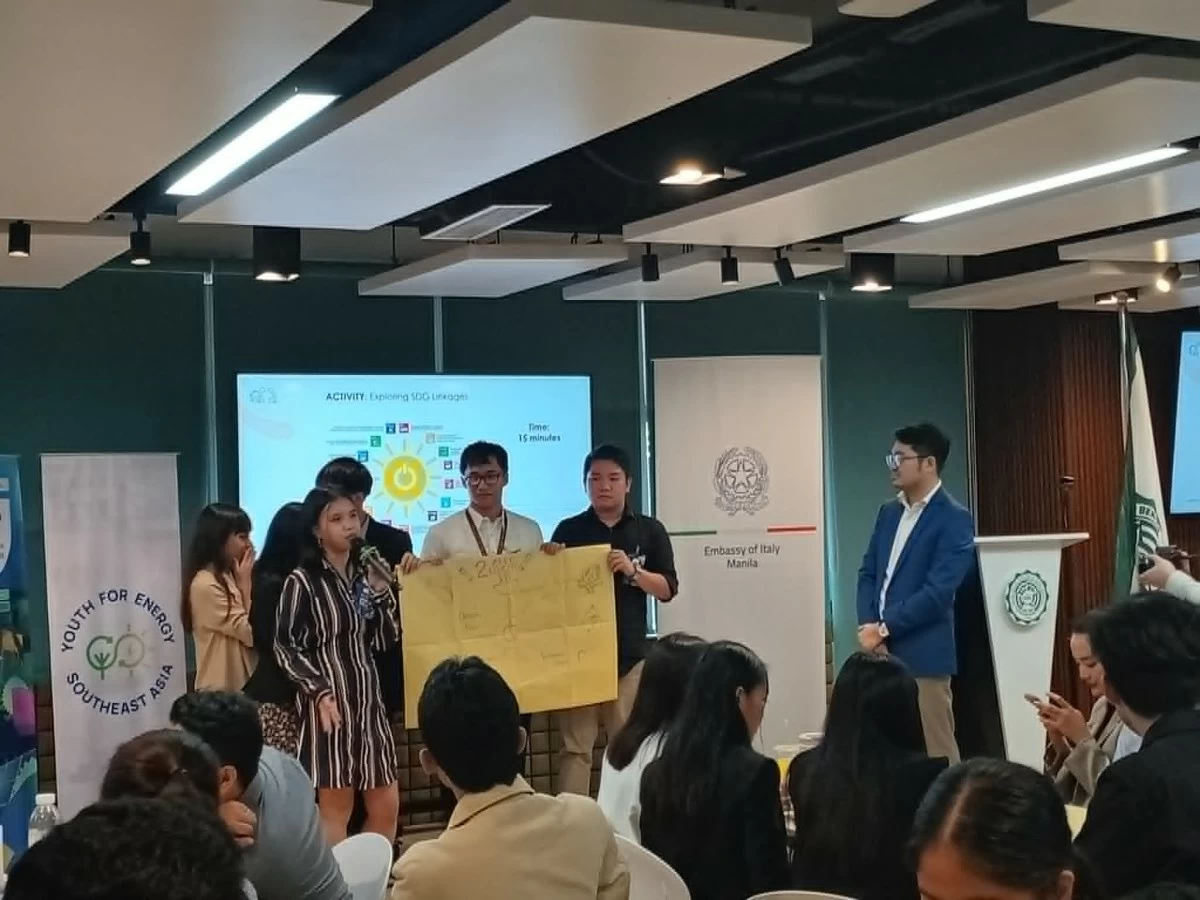
Youth delegates participate in group activities throughout the IACT module sessions (Photo by Sean Fernando).
The workshop’s interactive format allowed participants not only to learn but also to engage through group activities, conversations, and collaborative exercises. Each module focused on developing a critical understanding of the state of climate change in the country and its effects on various sectors, including energy, health, and governance.
The workshop was carefully curated to ensure that each youth delegate gained a deeper understanding of climate change while further developing critical thinking skills through discussions and activities focused on possible solutions.
By the end of the program, participants gathered for a vision exercise and pledge reflecting the workshop’s central message: that today’s students and young professionals have the potential to become tomorrow’s sustainability instructors, policymakers, innovators, and climate leaders.
With nearly 80 youth participants expected to become part of a future Philippine I ACT Peer Educator Network, the workshop demonstrated growing optimism that climate education and youth leadership can continue expanding across the country.
As the inaugural I ACT Philippines workshop came to a close, the atmosphere remained filled with hope and possibility. What began as a one-day event now carries the promise of becoming a continuing platform where more Filipino youth can learn, collaborate, and lead meaningful climate action in the years ahead.
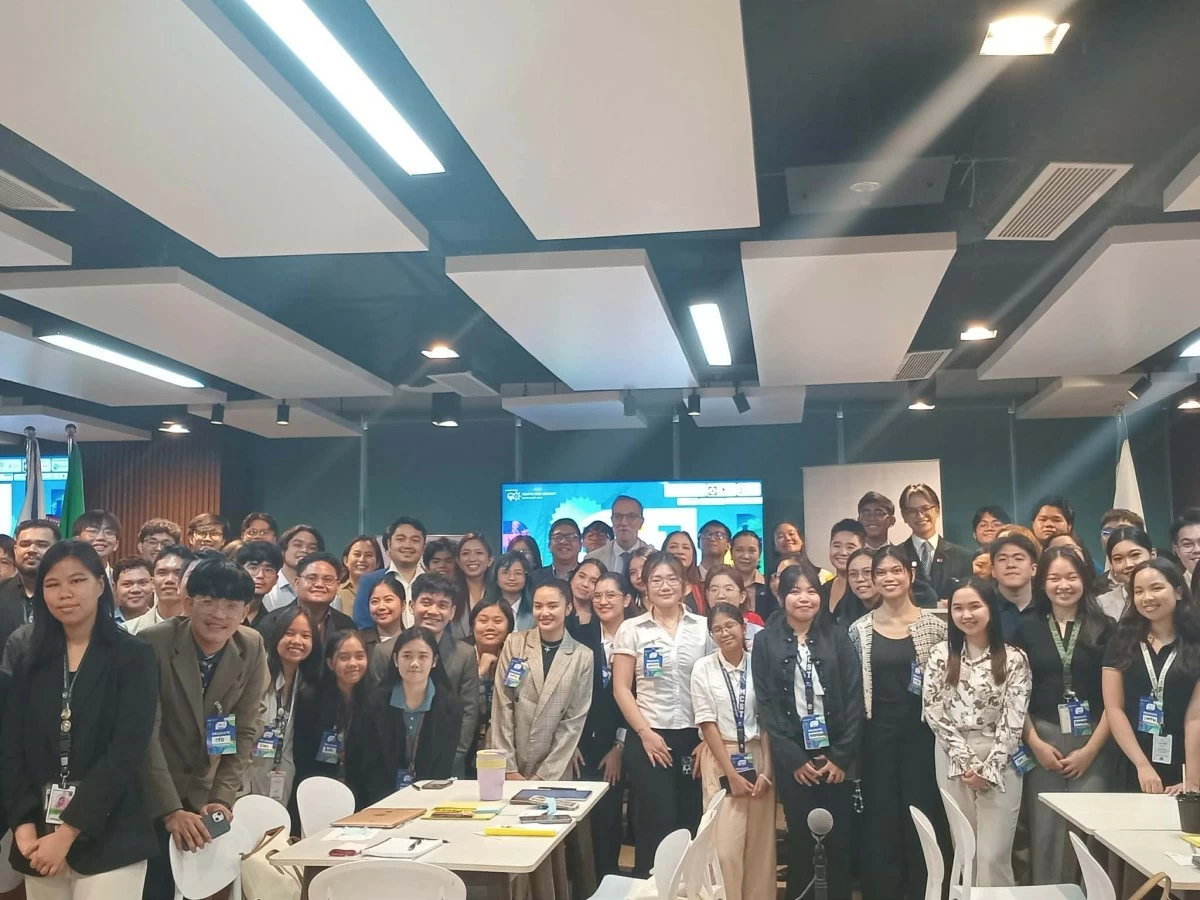
Youth delegates and official speakers gather for the inaugural IACT Workshop Philippines (Photo by Sean Fernando).