






Manila Bulletin
 Philippines
National
DSWD: Aid delivery to quake-hit Mindanao areas gaining pace despite access challenges
Philippines
National
DSWD: Aid delivery to quake-hit Mindanao areas gaining pace despite access challenges
Philippines
National
DSWD: Aid delivery to quake-hit Mindanao areas gaining pace despite access challenges
DSWD: Aid delivery to quake-hit Mindanao areas gaining pace despite access challenges
By Jel Santos
Published Jun 12, 2026 12:52 pm
|
Updated Jun 12, 2026 02:10 pm


At A Glance
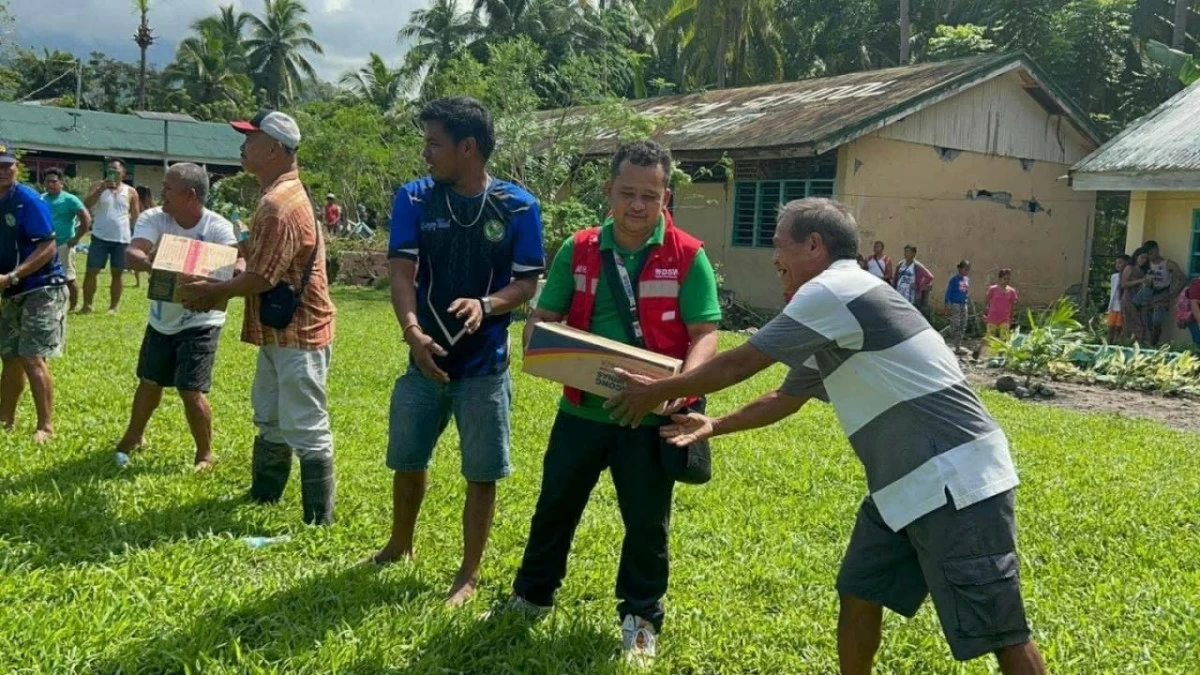
- DSWD Secretary Rex Gatchalian said the agency continues to transport relief goods to affected local government units (LGUs), which are responsible for distributing the assistance to residents.
(DSWD PHOTO)
The relief distribution to communities affected by the magnitude 7.8 earthquake in Southern Mindanao has been slower than expected but is now gaining pace as local governments recover and access routes are cleared, the Department of Social Welfare and Development (DSWD) said on Friday, June 12.
On June 8, a magnitude 7.8 tectonic earthquake struck off Southern Mindanao, damaging buildings, disrupting utility services, and prompting the suspension of classes and work in several areas as authorities assessed the extent of the damage.
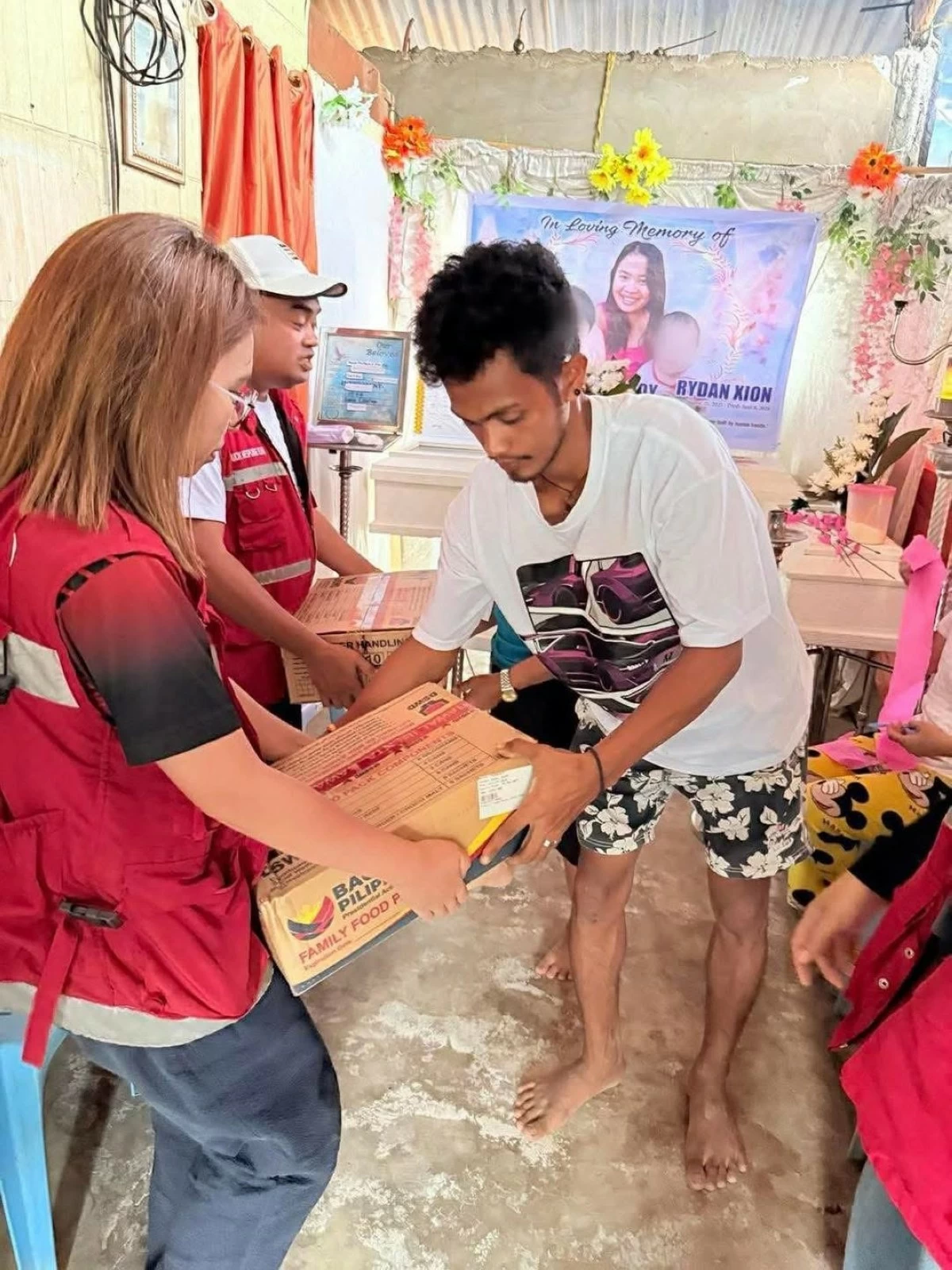
DSWD Secretary Rex Gatchalian said the agency continues to transport relief goods to affected local government units (LGUs), which are responsible for distributing the assistance to residents.
“Ang ginagawa namin, binibigay namin ang mga goods sa LGU para sila ang magdi-distribute sa mga mamamayan nila. Admittedly, medyo mas mabagal tayo ngayon pero bumibilis na rin kasi, una nga, biktima rin ‘yung mga tao ng local government unit. ‘Yung inaasahan nating mag-distribute, sila rin napinsala. Ngayon bumabalik na sila sa trabaho (What we are doing is delivering the goods to the LGUs so they can distribute them to their constituents. Admittedly, we are moving a bit slower right now, but things are picking up because, first of all, the people in the local government units were also victims. The people we expected to distribute the aid were themselves affected. Now, they are gradually returning to work),” Gatchalian said during an ambush interview in Caloocan.
(DSWD PHOTO)
The DSWD chief noted that many local government personnel tasked with relief operations were themselves affected by the earthquake, contributing to the initial slowdown in aid distribution.
He added that while relief goods have already reached municipal governments in some of the hardest-hit areas, damaged roads continue to hamper the delivery of assistance to remote communities.
“Pangalawa, in the case of Glan, Jose Abad Santos, and Sarangani towns sa Balut Island, nadadala namin sa munisipyo ‘yung goods, pero ‘yung mga barangay papasok ng mga inner roads, may mga areas parin na impassable kasi ang na-clear naman is the major arteries, pero ‘yung mga looban, meron parin tayong konting struggle doon that’s causing some of the delay sa loob. (Secondly, in the case of Glan, Jose Abad Santos, and the Sarangani towns on Balut Island, we are able to bring the goods to the municipalities, but some barangays accessed through inner roads remain unreachable because while the major roads have already been cleared, there are still some interior areas that remain impassable. That is causing some delays in the distribution of aid within those communities),” he said.
According to Gatchalian, major roads have largely been cleared, allowing relief supplies to reach municipal centers. However, some interior roads leading to barangays remain impassable, resulting in delays in the distribution of aid to affected residents.
Despite the challenges, the DSWD chief commended local first responders and government workers for continuing relief operations while dealing with the impact of the disaster on their own families.
“Ako, sa punto na ito, gusto ko magpasalamat sa ating first responders sa local government unit, biktima na sila pero iniwanan nila ang kanilang pamilya para makatulong muna sa atin. (At this point, I would like to thank our first responders in the local government units. They are victims themselves, yet they left their families behind for the meantime so they could help others),” he said.