







Charging up the journey with VinFast e-motorcycles
VinFast battery-swappable motorcycles
Published Jun 12, 2026 11:07 am


At A Glance
- Vinfast e-motorcycles look like they're ready to shake up the two-wheeled mobility landscape in the Philippines.
- The accompanying battery swap technology, will make going electric easier.
- These capable e-motorcycles will give the Filipino commuter an alternative to conventional forms of mobility.
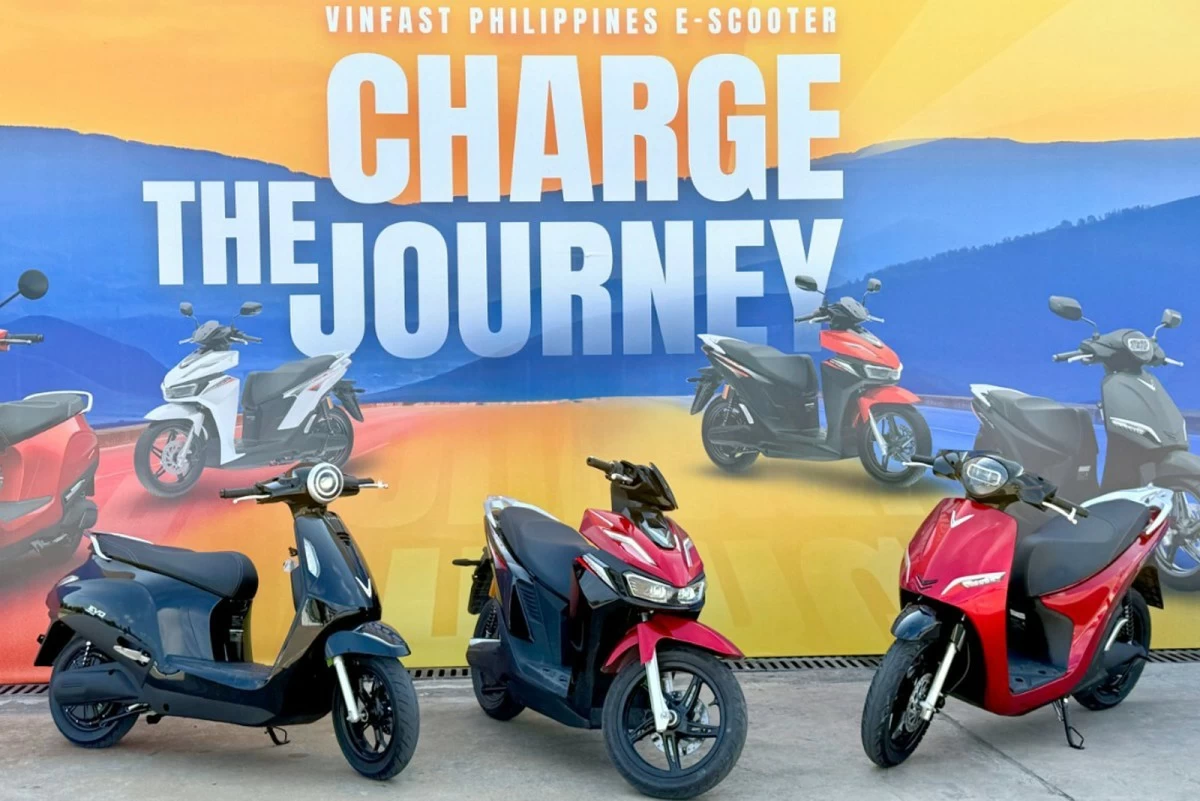
Vinfast e-motorcycles look like they‘re ready to shake up the two-wheeled mobility landscape in the Philippines, and with the accompanying battery swap technology, will make going electric easier.
A few weeks ago, VinFast invited a sizeable group of Philippine media and content creators to experience their soon-to-arrive e-motorcycles and ecosystem. We were given a peek into the retail experience, the battery swapping process, the factory where they’re built, and a test ride of the models.
Quick swapping
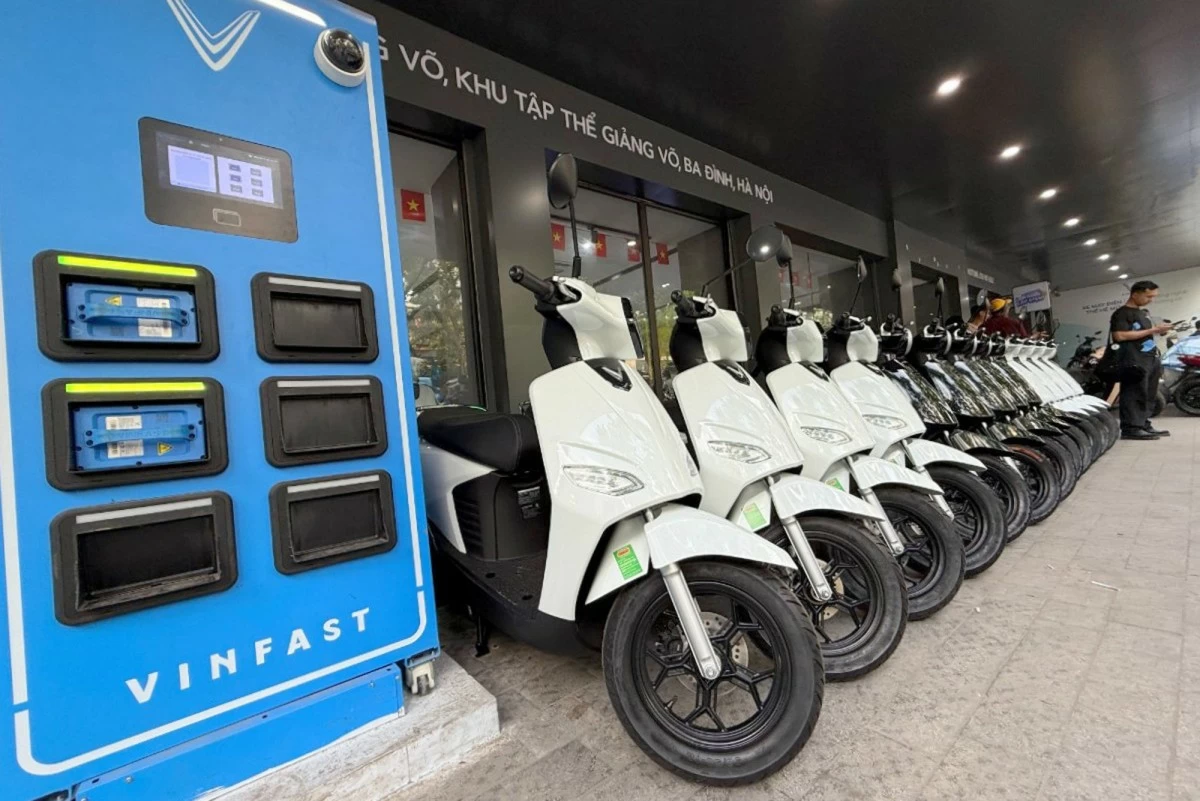
The trip did not start with a flashy reveal, but something I think was pretty relevant; a visit to a VinFast e-motorcycle dealership and battery swap station in Hanoi.
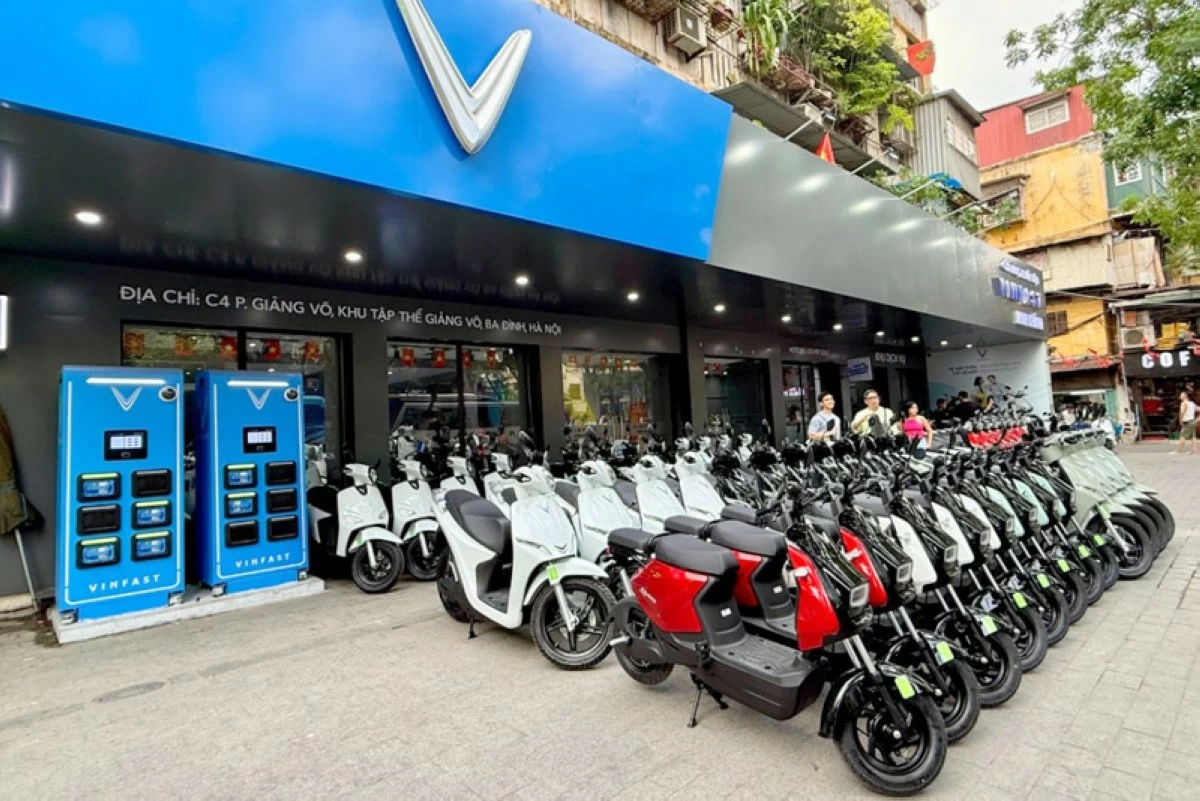
At first glance, it looked like a typical modern motorcycle showroom. But beside rows of VinFast electric motorcycles on sale, is one of the company’s growing network of battery swap stations, compact, automated, and designed to make EV ownership as convenient as refueling a gasoline powered scooter.
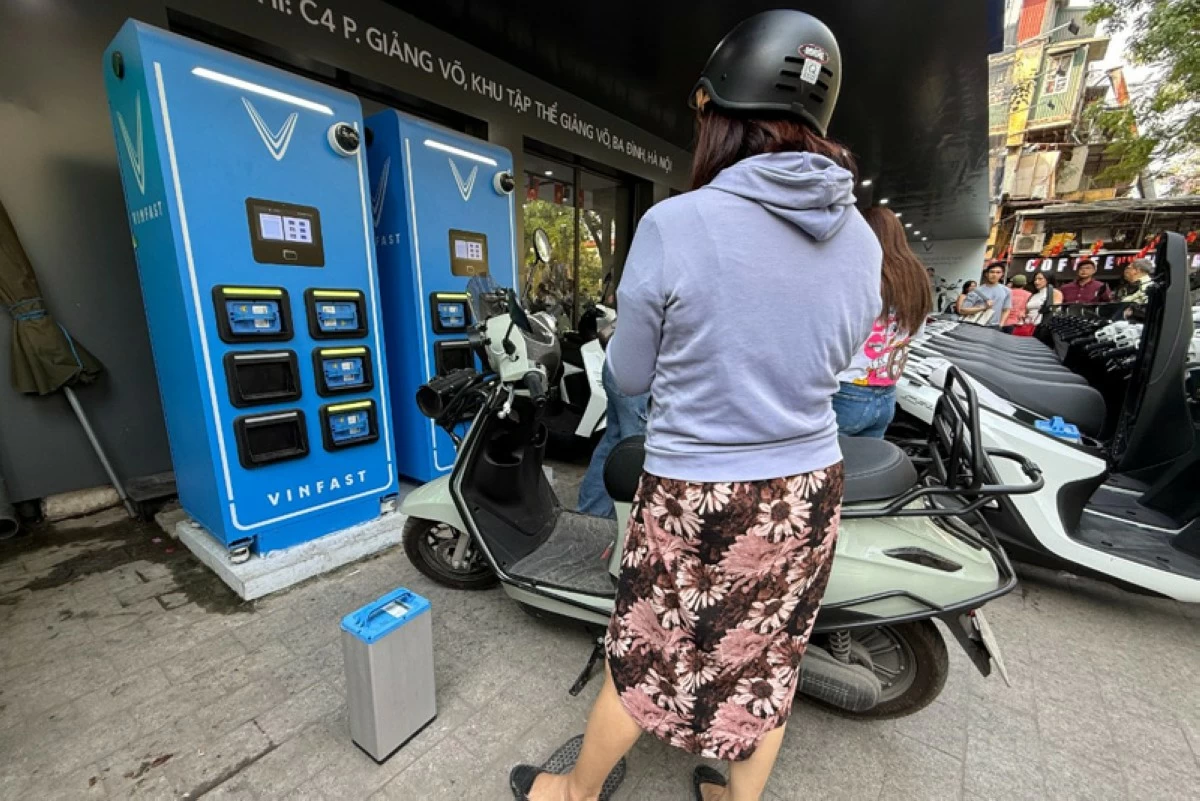
Unlike the e-bikes and electric motorcycles sold in Manila, which you plug in and charge from your wall socket, VinFast’s e-motorcycle batteries can be swapped out with a fresh fully charged one from a swap station whenever you need it.
We witnessed local riders pull in, commuters, and delivery riders, swap depleted batteries within minutes, and ride away. This highlighted just how practical the established system already works in Vietnam. For us, coming from the Philippines, where inadequate charging infrastructure remains one of the biggest hurdles for EV adoption, this was a peek into the future.
Scooter factory
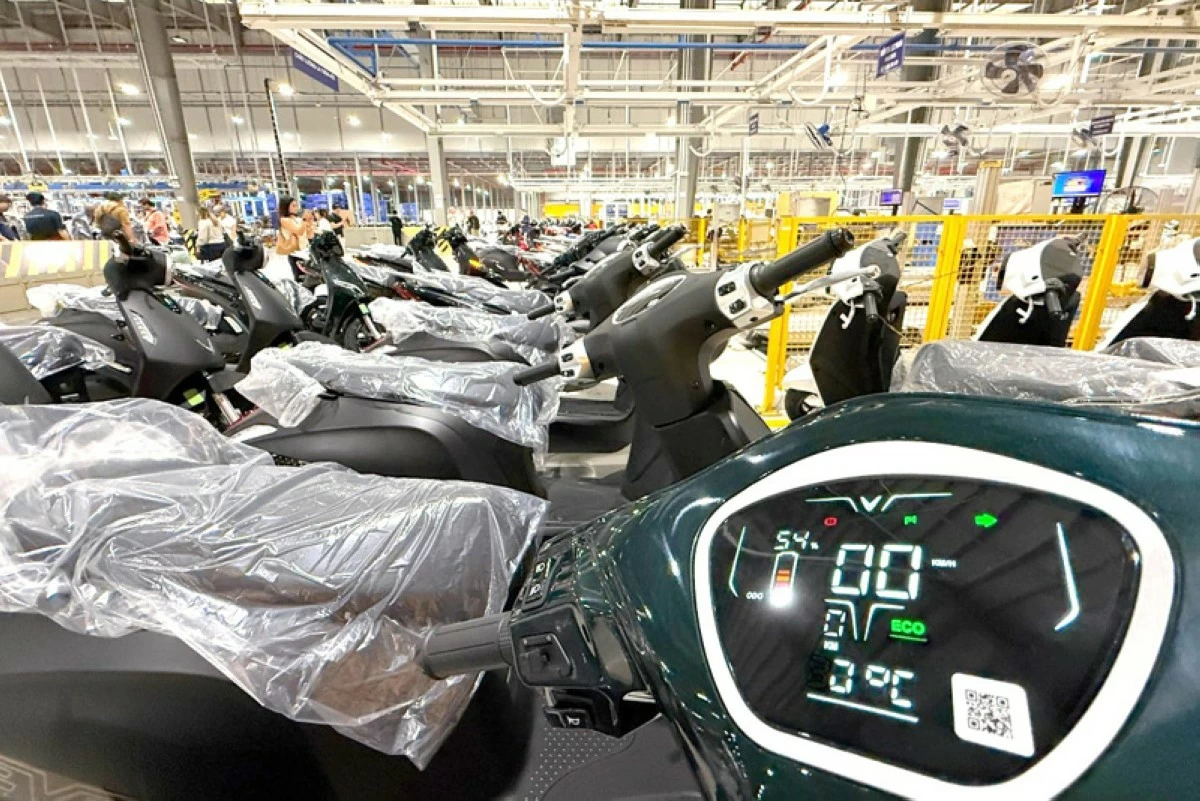
The following day, the journey continued with a visit to VinFast’s massive 335-hectare manufacturing complex in Hai Phong, Vietnam. This isn’t just a factory, it’s the centerpiece of the company’s rapidly expanding electric mobility ambitions in Southeast Asia. The sprawling facility houses multiple production zones for electric cars, e-motorcycles, and e-buses, its own R&D institute, training center, and auxiliary industrial operations.
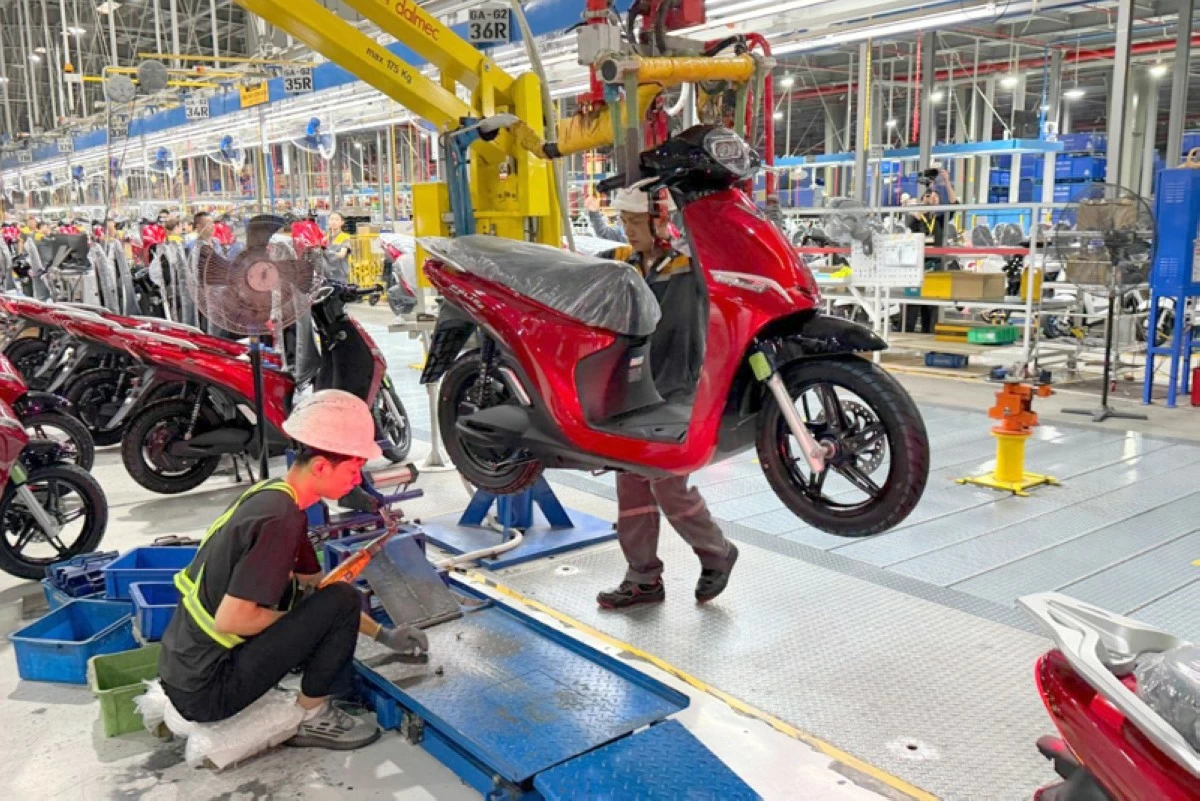
An impressive section of the complex is the e-scooter manufacturing facility, which has been operational since 2018 and spans roughly 31,000 square meters. It has three production lines capable of producing up to 240 vehicles per hour, the plant can manufacture as many as 5,000 e-motorcycles daily or around 1.2 million units annually. This is where the first three models which will be launched soon, in the Philippines will be made: the Evo, Felize II and the Viper.
What makes the Hai Phong complex remarkable is the level of technology and automation in the production process. The body shop utilizes ABB robotic systems for fully automated frame welding using advanced CMT technology, resulting in cleaner and more precise welds. The paint shop operates with up to 95% automation while incorporating advanced environmental treatment systems for waste and emissions management.
Every finished e-scooter undergoes extensive end-of-line inspections covering brakes, lighting systems, steering, tire pressure, and motor verification.
Test rides
Just behind the e-scooter production facility, sits VinFast’s dedicated e-motorcycle test track. This is where we had the opportunity to put the Evo, Feliz II, and Viper through their paces.
VinFast Evo
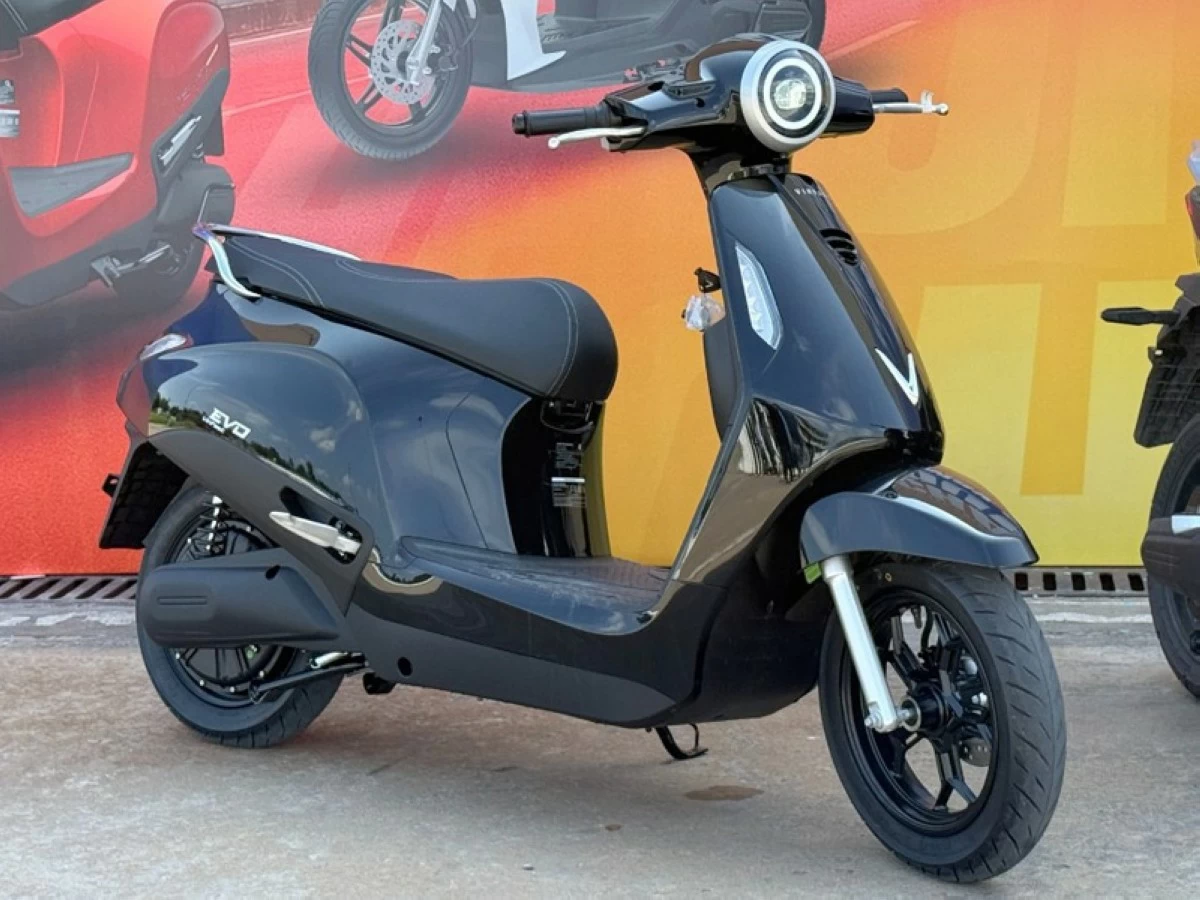
VinFast Evo
The VinFast Evo feels like the kind of electric motorcycle specifically built for the realities of urban commuting in our region, the Evo immediately stood out for its simplicity, lightness, and unintimidating character. Depending on battery configuration, this scooter can deliver up to 150 kilometers of range per charge, with top speeds of up to 80 km/h on selected variants. It is priced at ₱70,000 (with battery subscription), ₱82,700 (including one battery), and ₱95,400 (including two batteries)
Other EV scooters try to look and feel futuristic, the Evo focuses on ease. Twist and go, and power delivery comes in smoothly and predictably. There’s enough instant torque to make city riding effortless, but not where it becomes overwhelming for first-time riders. Around the tighter sections of the test track, the Evo was easy to maneuver.
Its lightweight nature is its biggest feature. I imagine this would make it easy to filter through traffic, make quick turns, and navigate Manila’s narrow roads effortlessly. Suspension feels tuned more toward daily comfort than sportiness, which suits this scooter’s personality.
For casual riders looking to transition from gasoline-powered scooters to EVs, the Evo removes much of the intimidation associated with electric mobility.
VinFast Feliz II
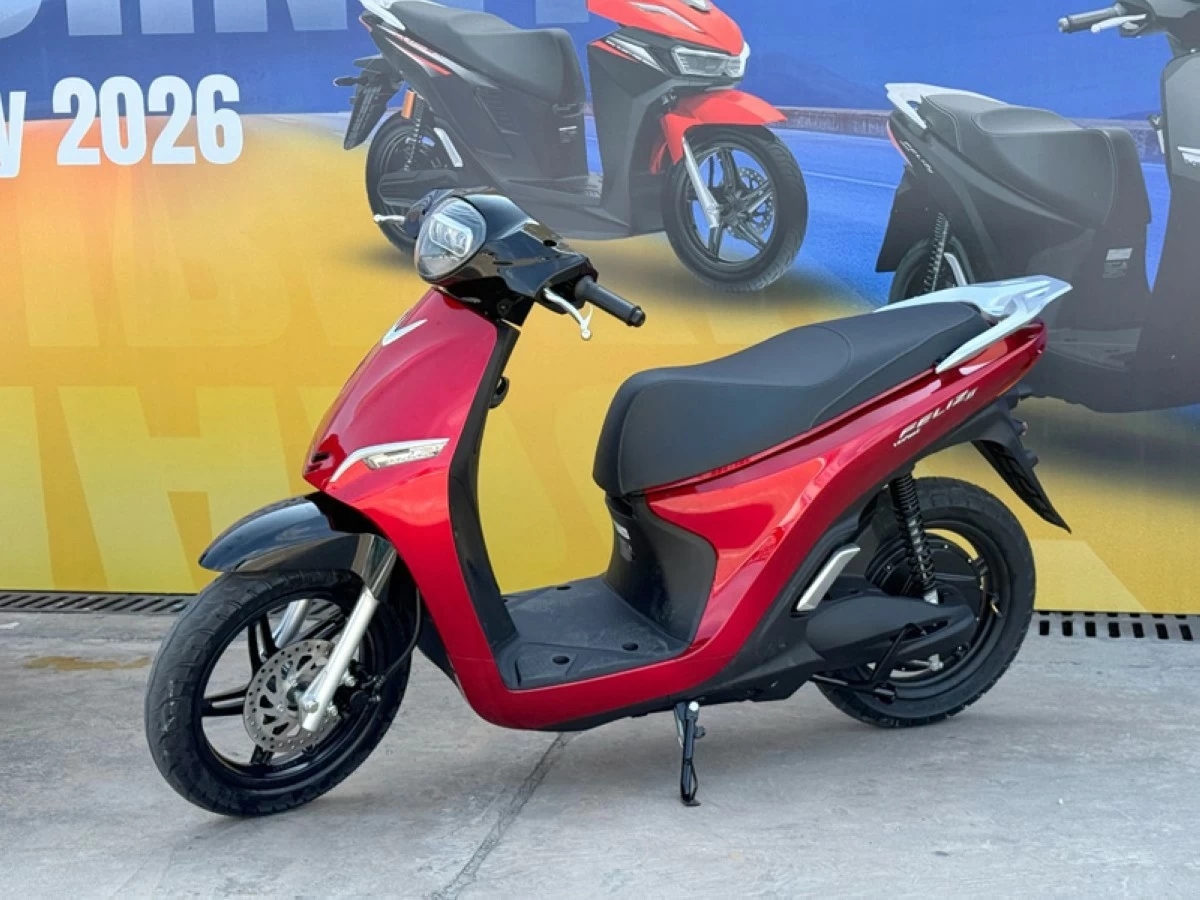
VinFast Feliz II
The VinFast Feliz II is priced at ₱72,400 (with battery subscription), ₱85,100 (including one battery), and ₱97,800 (including two batteries).
It strikes that sweet spot between practicality and refinement, after several laps around the track, it immediately felt like a scooter designed for riders who spend more time on the road daily.
Compared to the smaller Evo, it did feel like I was sitting on “more” bike. The riding position is upright and comfortable, while the seat provides good support for longer commutes. Throttle feel is also smooth and response is predictable, I noticed this had more urgency in acceleration, especially when pulling out of corners or short straights.
Its ride is stable, even through tight turns and rough sections of the track, the Feliz II remained composed and controllable. Suspension was also tuned toward comfort, absorbing the rough stuff well, without making the scooter feel too soft. It has a range of 145 kilometers when used with dual batteries and can hit a top speed of 90km/h.
VinFast Viper
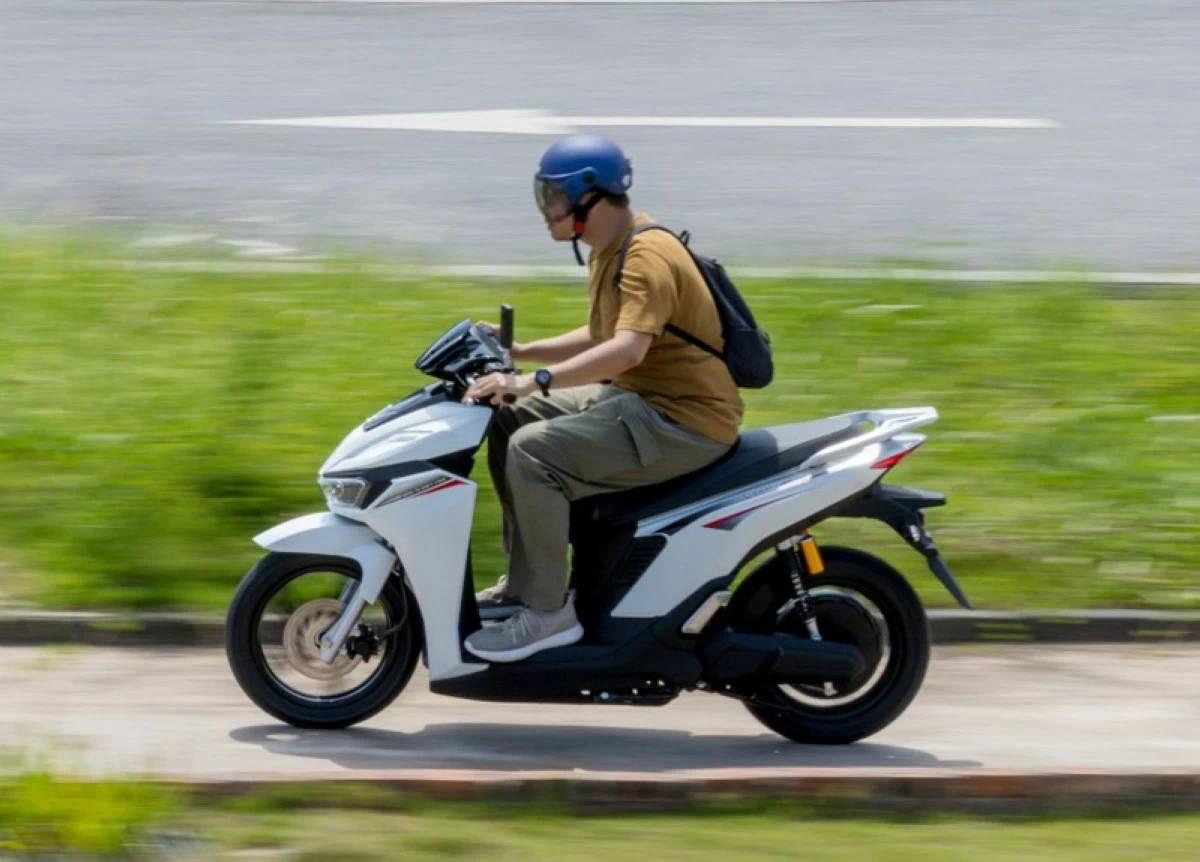
VinFast Viper
The VinFast Viper would probably appeal to younger riders who want their daily commute to feel a little more exciting. It felt very sporty for an urban-focused electric scooter. It is priced at ₱81,900 (with battery subscription), ₱94,600 (including one Battery), and ₱107,300 (including two batteries).
The first thing you notice is the throttle response. Like most EVs, power delivery is instant, but the Viper controls the torque so you don’t lose control off the line. Acceleration on straights is brisk. The lightweight chassis makes it easy to weave through the track’s technical sections. It still managed to feel compact, definitely what you need in Metro Manila traffic.
Suspension tuning is firmer, but it makes the Viper more planted at take offs and higher speeds. The scooter remained composed around the test circuit’s sweeping bends, while braking performance brought you down to reasonable speeds. With a dual battery configuration, you can drive about 156 kilometers and hit highs of 90 km/h.
What stood out for me was its refinement. The Viper doesn’t feel like an experimental EV product. It feels properly engineered. Even after several laps around the track, the scooter consistently felt predictable and easy to ride. It’s ideal for the rider who wants more performance.
Made for Asian roads

One of the features of the test track was a stretch that simulates floods to show that Vinfast’s e-scooters can handle being submerged up to the footboard. The models we tested all had rear hub motors with an IP67 rating, which means the electronics are protected from dust and water ingress of up to 0.5 meters for 30 minutes. This makes it perfect for floods in the Philippines.
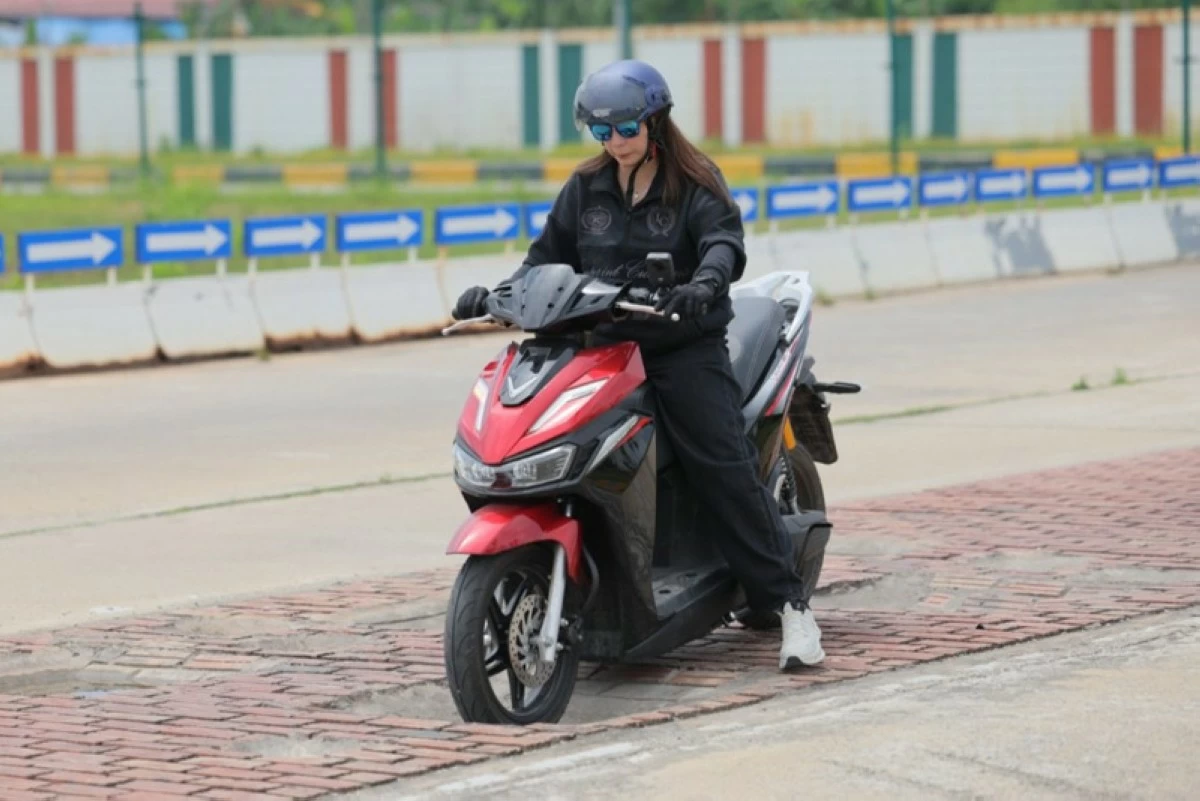
I tested all three with a back rider on the inclines, and they all performed as expected, even on the Eco setting. These capable e-motorcycles will give the Filipino commuter an alternative to conventional forms of mobility. The three e-motorcycle models have the option to have one or two battery packs, giving you flexibility. And the removable battery pack, can also be charged via a wall adapter at home if you were wondering.
While I haven’t been on two wheels for quite some time before going on this this trip, it has got me seriously thinking about the electric two-wheeled option again. VinFast e-scooters and their battery swap ecosystem make a strong case.