






Manila Bulletin
 Business
Banking & Finance
BSP orders crypto platforms to purge risky tokens, privacy coins
Business
Banking & Finance
BSP orders crypto platforms to purge risky tokens, privacy coins
Business
Banking & Finance
BSP orders crypto platforms to purge risky tokens, privacy coins
BSP orders crypto platforms to purge risky tokens, privacy coins
By Derco Rosal
Published Jun 12, 2026 05:30 pm
|
Updated Jun 12, 2026 01:37 pm


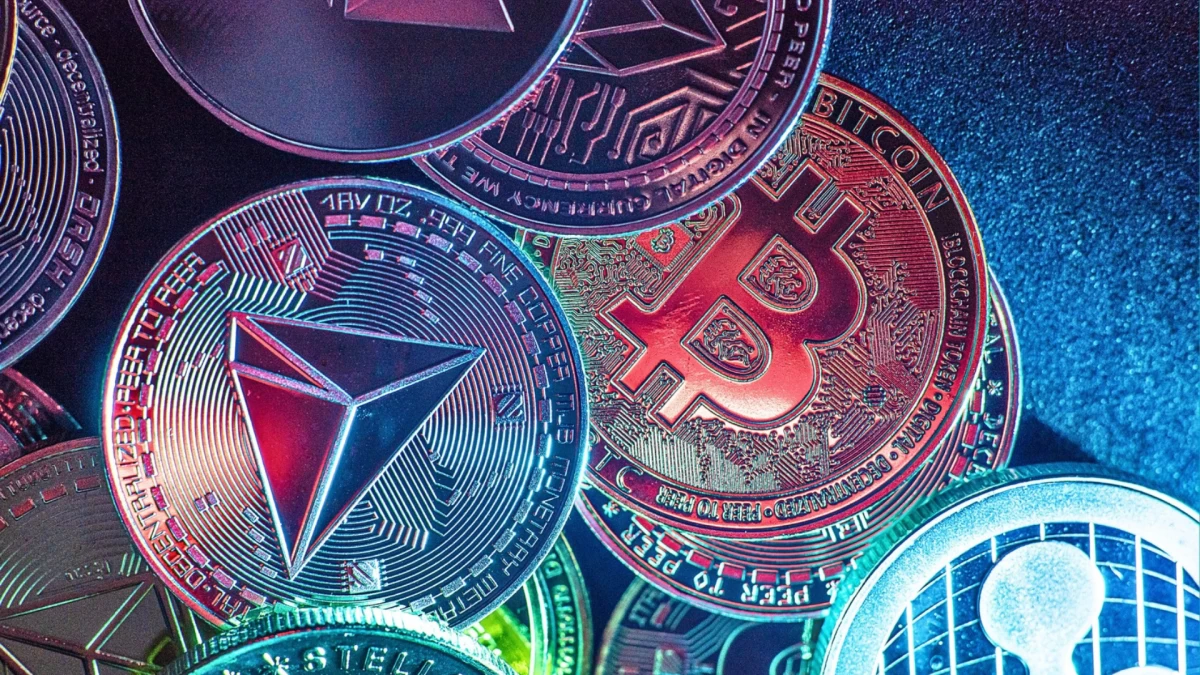
The Bangko Sentral ng Pilipinas (BSP) has prohibited virtual asset service providers (VASPs) from trading privacy coins—cryptocurrencies designed to conceal transaction details—to ensure traceability and transparency in the financial system.
Under BSP Memorandum No. 23-2026, the central bank said VASPs are barred from listing or supporting anonymity-enhancing virtual assets (VAs), also known as privacy VAs.
This forms part of the strict banking guidelines the BSP has imposed, which include mandating continuous monitoring of assets and setting internal thresholds such as a drop in a coin’s value or a decline in trading activity. Breaching these caps would automatically trigger a review or removal of the asset from the platform.
“VASPs are required to conduct ongoing monitoring of the criteria applied during the listing of virtual assets and to define thresholds for deviations from these standards, which will act as triggers for the delisting of a virtual asset,” the BSP said.
These new rules, the BSP said, require firms to “establish a robust due diligence and accreditation process for selecting the VAs that will be listed or traded on their platforms.” This ensures that every token undergoes a rigorous vetting process before reaching the investing public, shifting the responsibility of asset quality to the exchanges.
To standardize the evaluation process, the BSP has grouped the assessment criteria into six pillars, including the issuer’s background, market maturity, and the intended use cases of the asset. It also covers transparency, traceability, and security, as well as redemption, liquidity, and reserves, with the final pillar focusing on legal and compliance requirements.
Under the first pillar, VASPs are required to examine the ultimate beneficial owners and the audited financial statements of the coin issuer. This is done to determine the issuer’s credibility and overall risk profile.
On market maturity, exchanges must assess the coin or token’s current or planned market capitalization, as well as its average trading volume over the past 30 days. Higher capitalization generally indicates a more stable market foundation and stronger potential for wider adoption.
For safety, the guidelines set “red lines” that require the removal of a token. “VASPs shall either suspend the offering or immediately proceed with the delisting of a specific token or coin to safeguard customers from further asset losses,” the memorandum read.
This action is required under certain adverse conditions, including when there is a loss of liquidity support, insolvency of the issuer, or when the asset has been involved in a scam or scandal, or has been flagged by a regulator.
Technical integrity and security also remain top priorities. Delisting becomes mandatory if there is a “material security threat to the coin/token’s cybersecurity infrastructure” or if the asset is subject to “market abuse or abnormal market or price movements.”
These stringent measures are anchored to the BSP’s objective of promoting financial stability and protecting the financial welfare of customers “by ensuring that VA services are provided in a safe, sound, and consumer-centric manner.”
In all, these protocols aim to reduce the risk of fraud and ensure that the Philippine virtual asset market remains transparent and secure.