ADVERTISEMENT

BIR: Multinational giants prefer paying 15% global minimum tax to Philippines

Published Jun 11, 2026 11:05 am
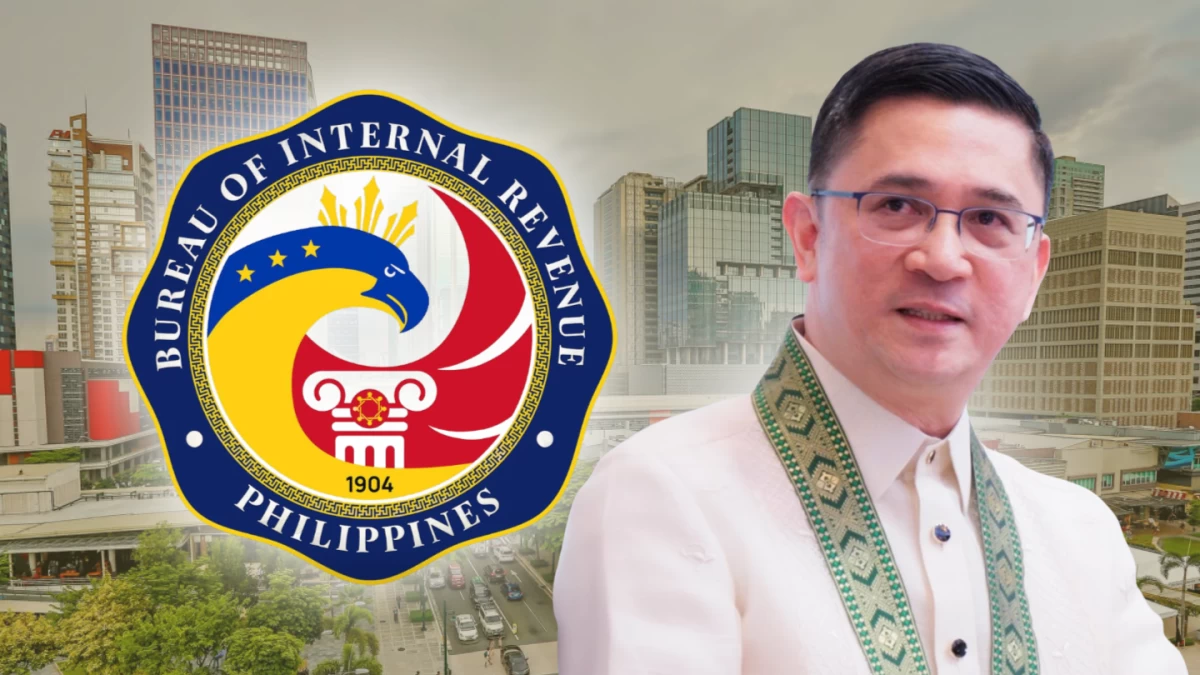
BIR Commissioner Charlito Martin R. Mendoza
Government preparations for the possible implementation of the proposed global top-up tax are ongoing, as large multinational enterprises (MNEs) have expressed a preference to settle the 15 percent global minimum tax in the Philippines rather than comply with “unfamiliar rules” abroad.
Bureau of Internal Revenue (BIR) Commissioner Charlito Martin R. Mendoza said in a statement on Thursday, June 11, that the immediate priority of the country’s main tax collection agency is to prepare the systems, processes, and structures required for tax administration.
“As global tax rules evolve, we have to make sure that income earned in the Philippines remains taxable in the Philippines,” Mendoza stressed.
He told the Manila Bulletin that the agency is still preparing while the bill remains under congressional review.
“We’re just preparing—better to prepare this early. This is a priority bill of the Department of Finance (DOF), but whether this will be passed into law rests on Congress,” Mendoza said.
Mendoza recently met with officials from the DOF and the Fiscal Incentives Review Board (FIRB) to discuss tax administration considerations for implementing the Qualified Domestic Minimum Top-Up Tax (QDMTT) in 2026. These considerations include compliance, reporting, audit readiness, and institutional capacity.
Finance Assistant Secretary Euvimil Nina Asuncion noted that the measure responds directly to feedback from MNEs operating in the country.
“We have been informed that many of our multinationals would rather comply with the global minimum tax (GMT) domestically than comply with unfamiliar rules of other jurisdictions or pay top-up taxes abroad,” Asuncion said.
Asuncion added that the primary goals are simplifying domestic compliance and ensuring that implementation strictly follows international standards.
Mendoza emphasized that building internal capacity to manage this transition is vital. “At this stage, our immediate priority is to build the capability of our personnel and prepare the systems, processes, and organizational structures needed to administer the proposed regime effectively,” he said.
Among the agency's major action points are conducting specialized training and developing new tax forms and compliance mechanisms. These preparatory efforts form part of the BIR DARES program, which seeks to protect the country’s tax base and boost revenue collection.
In September 2025, the DOF pushed for the legislation of the QDMTT, citing the need to contain the flight of potential earnings of more than ₱50 billion annually.
The QDMTT stems from an Organization for Economic Co-operation and Development (OECD) rule requiring very large MNEs—those earning at least €750 million, or about ₱50 billion, in two of the past four years—to pay a minimum global tax rate of 15 percent.
Finance Undersecretary Karlo Fermin S. Adriano earlier reported that the bulk of MNEs in the Philippines that satisfy the criteria for the global tax rule are headquartered in Japan, accounting for 32 percent of the total. This is followed by the United States and the United Kingdom at 6 percent each, Germany at 5 percent, and France at 4 percent.
On average, ₱54.3 billion worth of revenues could have been collected in previous years had the QDMTT already been implemented. Specifically, the government could have collected ₱48.3 billion in 2021, ₱60.5 billion in 2022, and ₱54.1 billion in 2023—totaling ₱162.9 billion over the three-year period. (Derco Rosal)

Related Tags

Tax Bureau of Internal Revenue (BIR) Charlito Martin R. Mendoza Department of Finance (DOF) Fiscal Incentives Review Board (FIRB)
ADVERTISEMENT
.most-popular .layout-ratio{ padding-bottom: 79.13%; } @media (min-width: 768px) and (max-width: 1024px) { .widget-title { font-size: 15px !important; } }

{{ articles_filter_1561_widget.title }}

.most-popular .layout-ratio{ padding-bottom: 79.13%; } @media (min-width: 768px) and (max-width: 1024px) { .widget-title { font-size: 15px !important; } }

{{ articles_filter_1562_widget.title }}

.most-popular .layout-ratio{ padding-bottom: 79.13%; } @media (min-width: 768px) and (max-width: 1024px) { .widget-title { font-size: 15px !important; } }

{{ articles_filter_1563_widget.title }}

{{ articles_filter_1564_widget.title }}

.mb-article-details { position: relative; } .mb-article-details .article-body-preview, .mb-article-details .article-body-summary{ font-size: 17px; line-height: 30px; font-family: "Libre Caslon Text", serif; color: #000; } .mb-article-details .article-body-preview iframe , .mb-article-details .article-body-summary iframe{ width: 100%; margin: auto; } .read-more-background { background: linear-gradient(180deg, color(display-p3 1.000 1.000 1.000 / 0) 13.75%, color(display-p3 1.000 1.000 1.000 / 0.8) 30.79%, color(display-p3 1.000 1.000 1.000) 72.5%); position: absolute; height: 200px; width: 100%; bottom: 0; display: flex; justify-content: center; align-items: center; padding: 0; } .read-more-background a{ color: #000; } .read-more-btn { padding: 17px 45px; font-family: Inter; font-weight: 700; font-size: 18px; line-height: 16px; text-align: center; vertical-align: middle; border: 1px solid black; background-color: white; } .hidden { display: none; }
function initializeAllSwipers() { // Get all hidden inputs with cms_article_id document.querySelectorAll('[id^="cms_article_id_"]').forEach(function (input) { const cmsArticleId = input.value; const articleSelector = '#article-' + cmsArticleId + ' .body_images'; const swiperElement = document.querySelector(articleSelector); if (swiperElement && !swiperElement.classList.contains('swiper-initialized')) { new Swiper(articleSelector, { loop: true, pagination: false, navigation: { nextEl: '#article-' + cmsArticleId + ' .swiper-button-next', prevEl: '#article-' + cmsArticleId + ' .swiper-button-prev', }, }); } }); } setTimeout(initializeAllSwipers, 3000); const intersectionObserver = new IntersectionObserver( (entries) => { entries.forEach((entry) => { if (entry.isIntersecting) { const newUrl = entry.target.getAttribute("data-url"); if (newUrl) { history.pushState(null, null, newUrl); let article = entry.target; // Extract metadata const author = article.querySelector('.author-section').textContent.replace('By', '').trim(); const section = article.querySelector('.section-info ').textContent.replace(' ', ' '); const title = article.querySelector('.article-title h1').textContent; // Parse URL for Chartbeat path format const parsedUrl = new URL(newUrl, window.location.origin); const cleanUrl = parsedUrl.host + parsedUrl.pathname; // Update Chartbeat configuration if (typeof window._sf_async_config !== 'undefined') { window._sf_async_config.path = cleanUrl; window._sf_async_config.sections = section; window._sf_async_config.authors = author; } // Track virtual page view with Chartbeat if (typeof pSUPERFLY !== 'undefined' && typeof pSUPERFLY.virtualPage === 'function') { try { pSUPERFLY.virtualPage({ path: cleanUrl, title: title, sections: section, authors: author }); } catch (error) { console.error('ping error', error); } } // Optional: Update document title if (title && title !== document.title) { document.title = title; } } } }); }, { threshold: 0.1 } ); function showArticleBody(button) { const article = button.closest("article"); const summary = article.querySelector(".article-body-summary"); const body = article.querySelector(".article-body-preview"); const readMoreSection = article.querySelector(".read-more-background"); // Hide summary and read-more section summary.style.display = "none"; readMoreSection.style.display = "none"; // Show the full article body body.classList.remove("hidden"); } document.addEventListener("DOMContentLoaded", () => { let loadCount = 0; // Track how many times articles are loaded const offset = [1, 2, 3, 4, 5, 6, 7, 8, 9, 10]; // Offset values const currentUrl = window.location.pathname.substring(1); let isLoading = false; // Prevent multiple calls if (!currentUrl) { console.log("Current URL is invalid."); return; } const sentinel = document.getElementById("load-more-sentinel"); if (!sentinel) { console.log("Sentinel element not found."); return; } function isSentinelVisible() { const rect = sentinel.getBoundingClientRect(); return ( rect.top < window.innerHeight && rect.bottom >= 0 ); } function onScroll() { if (isLoading) return; if (isSentinelVisible()) { if (loadCount >= offset.length) { console.log("Maximum load attempts reached."); window.removeEventListener("scroll", onScroll); return; } isLoading = true; const currentOffset = offset[loadCount]; window.loadMoreItems().then(() => { let article = document.querySelector('#widget_1690 > div:nth-last-of-type(2) article'); intersectionObserver.observe(article) loadCount++; }).catch(error => { console.error("Error loading more items:", error); }).finally(() => { isLoading = false; }); } } window.addEventListener("scroll", onScroll); });

Sign up by email to receive news.