







We are not alone: A review of 'Disclosure Day'


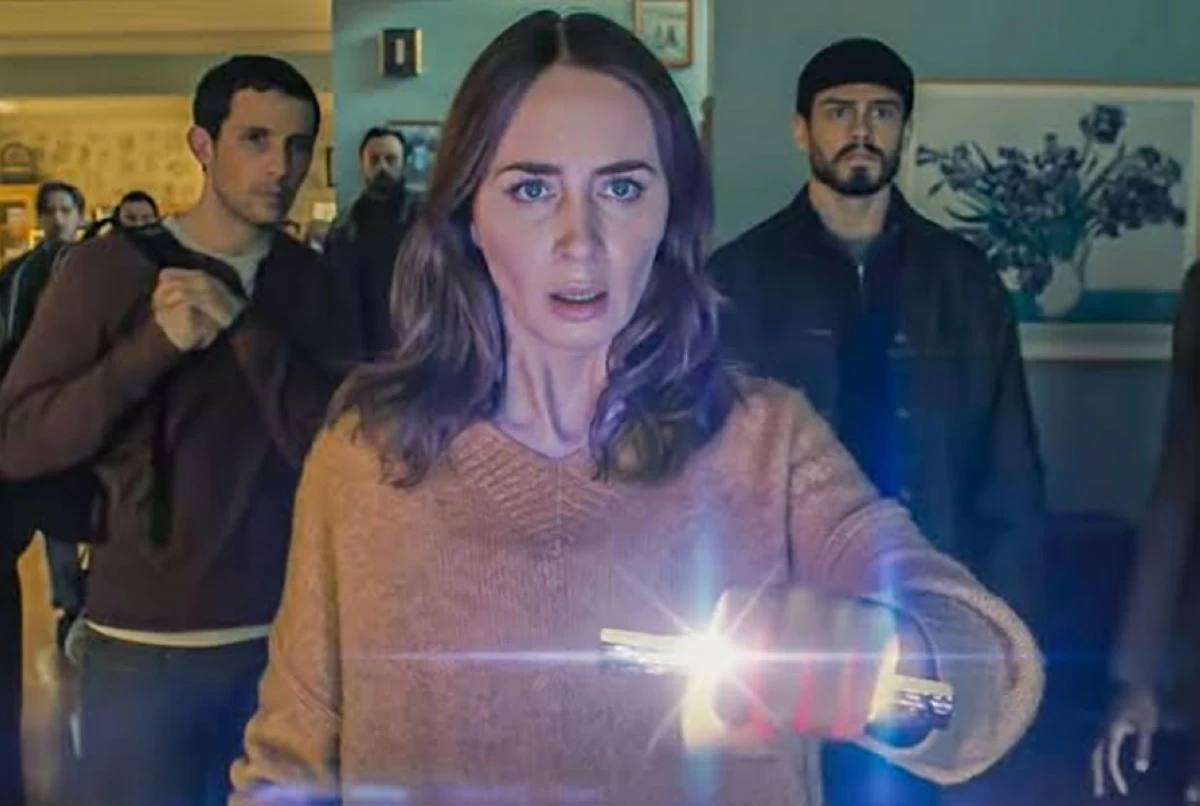
Any film that’s stamped with the name Steven Spielberg will always be treated with an extraordinary amount of curiosity and anticipation. For not only is he a legendary filmmaker and a pioneer of the modern blockbuster; he’s also regarded as one of the most influential filmmakers in the history of cinema, and the highest-grossing film director of all time.
When it comes to films of the sci-fi genre dealing with extraterrestrials and life out there, people will point to his "Close Encounters of the Third Kind" (1977), his "E.T." (1982), and "War of the Worlds" (2005). And they’re all marked by how his approach to the genre is to humanize the story, inject very real human drama, and let the hard science and speculation flow from the point of view of individuals experiencing something strange, a young boy protecting an alien, or keeping your family safe in the face of an alien invasion. This same premise wonderfully propels his new film, "Disclosure Day."
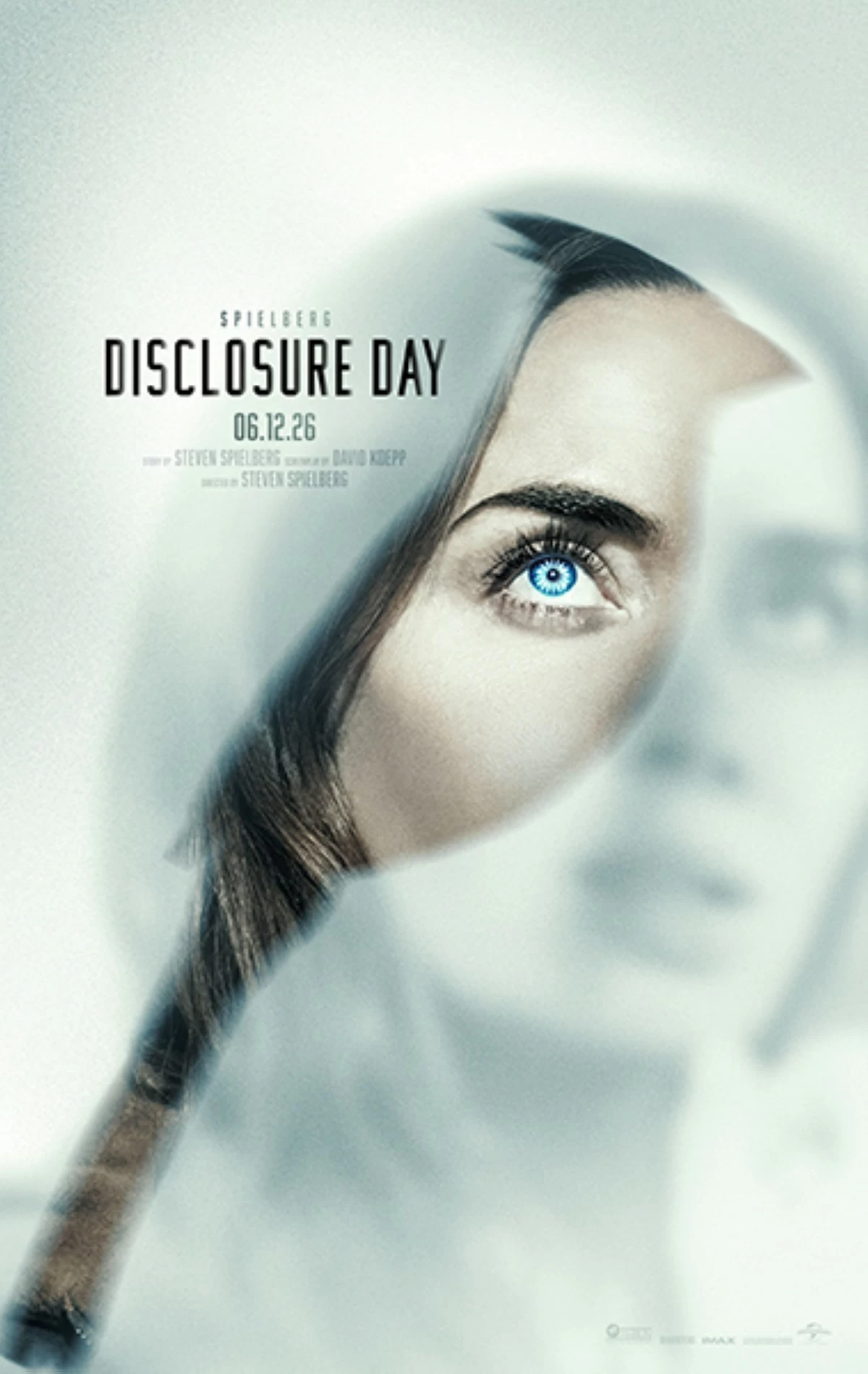
While the director and the writer, David Koepp, insist this is not a sequel, or directly related to any of the films mentioned above, one can’t help but speculate how the film could very well function as the answer to the question, "What has happened in the intervening years since the events of 'Close Encounters'?" And "Disclosure Day" does provide some answers.
That there is an ongoing real-life disclosure movement, with the Pentagon releasing previously classified reports and videos about anomalous aerial activity, will only help give this film an immediacy and fuel conspiracy theorists to rally around the film. But this suspenseful sci-fi thriller deserves to stand on its own, as it is a potent lesson on how to keep an audience riveted and guessing. The main characters resonate, and we care about them; and we willingly suspend disbelief in the sure hands of Spielberg and his storytelling.
A tale of UFO presence, government cover-ups, and organized resistance to this secrecy, the film’s narrative is to watch the events depicted through the prism of two individuals who possess some strange, paranormal connection. There’s Daniel Kellner (Josh O’Connor), a cybersecurity expert and whistleblower, and there’s Margaret Fairchild (Emily Blunt), a Kansas City TV meteorologist and weather news reporter.
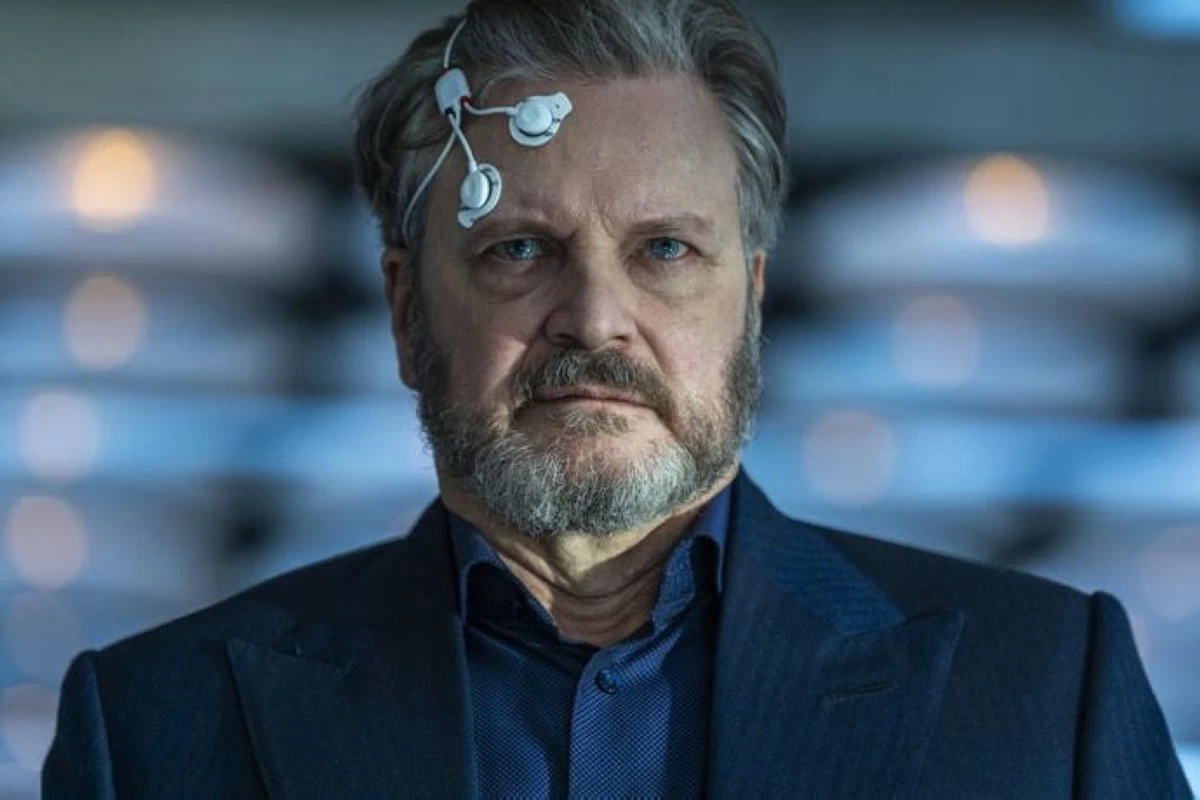
Big Brother comes in the form of the heavy-handed Wardex Corporation, headed by Noah Scanlon (Colin Firth). A Wardex defector, Hugo Wakefield (Colman Domingo), a former nun and now girlfriend of Daniel, Jane (Eve Hewson), and Jackson, Margaret’s partner (Wyatt Russell), are the other characters worth noting.
So it’s basically one whistleblower and one meteorologist trying to broadcast the news that, for over 70 years, the government has shrouded in secrecy the existence of visitors from other galaxies, and that we are in possession of some of their technology. It goes beyond whether they exist, and focuses more on what the government has decided we can’t handle as public knowledge.
The score by John Williams truly lends itself to the suspense of this film, and if there’s a standout in the acting department, the prize would go to Emily Blunt and her portrayal of Margaret. Coming in second would be Colin Firth for being so willing to go against type in this film.
Do watch this on an SM IMAX screen and get ready for a wild trip. It’s thought-provoking and suspenseful. Whether you’ll be happy with the resolution or ending is beside the point, as it’s the irrepressible journey that Spielberg takes us on that leaves the lasting impression.