ADVERTISEMENT

Reflecting on our 'Independence'

Published Jun 10, 2026 12:05 am
THE VIEW FROM RIZAL
This coming Friday, June 12, our Nation will mark its 128th Independence Day.
We join our fellow Filipinos in celebrating this important date in our history under the continuing theme “Kalayaan, Kinabukasan, Kasaysayan” — Freedom. Future. History.
The theme adopted by the National Historical Commission, first used in 2023, offers more than a slogan. It serves as a powerful reminder to all of us that freedom is not a finished monument but a living bridge between our past sacrifices and the future we choose to build.
As our readers pause on this non-working holiday, I invite them to reflect on those three words. Let us ask ourselves what this year’s celebration means to us, especially at a time of global turmoil and domestic political chaos. Let me offer mine.
Our history (Kasaysayan) is rich with courage and costly lessons. From the revolutionary cry of 1896 to the proclamation of independence in 1898, our forefathers fought not just against colonial rule but for the right to define our Nation’s own destiny. Dr. José Rizal, Andrés Bonifacio, Emilio Aguinaldo, and countless unnamed heroes understood that sovereignty demands both blood and intellect.
Yet independence was never fully secured in one moment. It was tested by the invasion and occupation by foreign powers, martial law, and the persistent struggles of the post-EDSA era. History whispers that freedom, once won, must be vigilantly guarded.
Our view is that our Kalayaan is still being challenged today. While we celebrate the right to self-rule, external pressures continue to challenge our maritime sovereignty. There are internal challenges, too. Internally, our revered political institutions continue to face the risk of eroding public trust. In times like these, we are reminded that true freedom is not merely the absence of foreign flags but the presence of economic opportunity, justice, and dignity for each of our countrymen.
Let us reflect, too, on our Kinabukasan — the future. The theme urges us to stop romanticizing the past and start applying its lessons. Our country possesses immense potential: a young, vibrant population, rich natural resources, a thriving creative industry, and a resilient spirit proven time and again in the face of typhoons and crises.
The beauty of the theme chosen by the NHI lies in its interconnectedness. History without a vision for the future breeds nostalgia or bitterness. Freedom without historical grounding becomes shallow and easily manipulated. A future disconnected from our collective memory risks repeating old mistakes under new guises.
On this coming Friday, Independence Day, let “Kalayaan. Kinabukasan. Kasaysayan.” become our personal and national commitment.
Meanwhile, tomorrow, June 11, our fellow Rizaleños will honor the leaders of the province who were key to the creation of a separate, free and independent Rizal Province.
The province refers to it as its own “Independence Day.”
When we reflect on the story of Rizal Province’s own “Independence Day,” we are reminded of the very same lessons gleaned from the national celebration. Three valuable lessons. One: that “Independence” is a choice. Two: it is also a responsibility. Three: that one has to prove that he or she deserves the “Independence.”
We have always made sure that future generations of Rizaleños know this bit of history. Before June 11, 1901, there was no Rizal province. The towns and cities which would eventually become part of the province were formerly part of two erstwhile provinces: the province of Manila and the province of Morong.
In February 1901, the then-American-supervised government decided to redraw the country's geopolitical subdivisions. A heated debate broke out when a proposal to merge the then-province of Morong with the then-province of Manila was raised. The proponent said Morong was not strong enough nor fit to be an independent entity.
The representatives of Morong took a brave stand. They declared that the will of the people was for Morong to become an independent province. This was how Rizal Province came to be.
Independence did not prove easy for the new province. It will be recalled that what started as a province with 29 municipalities was eventually dismembered following the creation of Metro Manila in the late 1970s. Cynics predicted that Rizal may end up as nothing more than a backward neighbor of Metro Manila.
History proved them wrong. The province, which survived with 13 municipalities and one component city, has performed well — perhaps even beyond expectations. Instead of allowing itself to be reduced to an independent but backward province, Rizal transformed itself into one of the richest, most competitive local government units in the country today.
When Rizaleños were given their “independence” on June 11, 1901, they made sure to do exactly what the national hero had asked them: treat it as both a privilege and a responsibility.
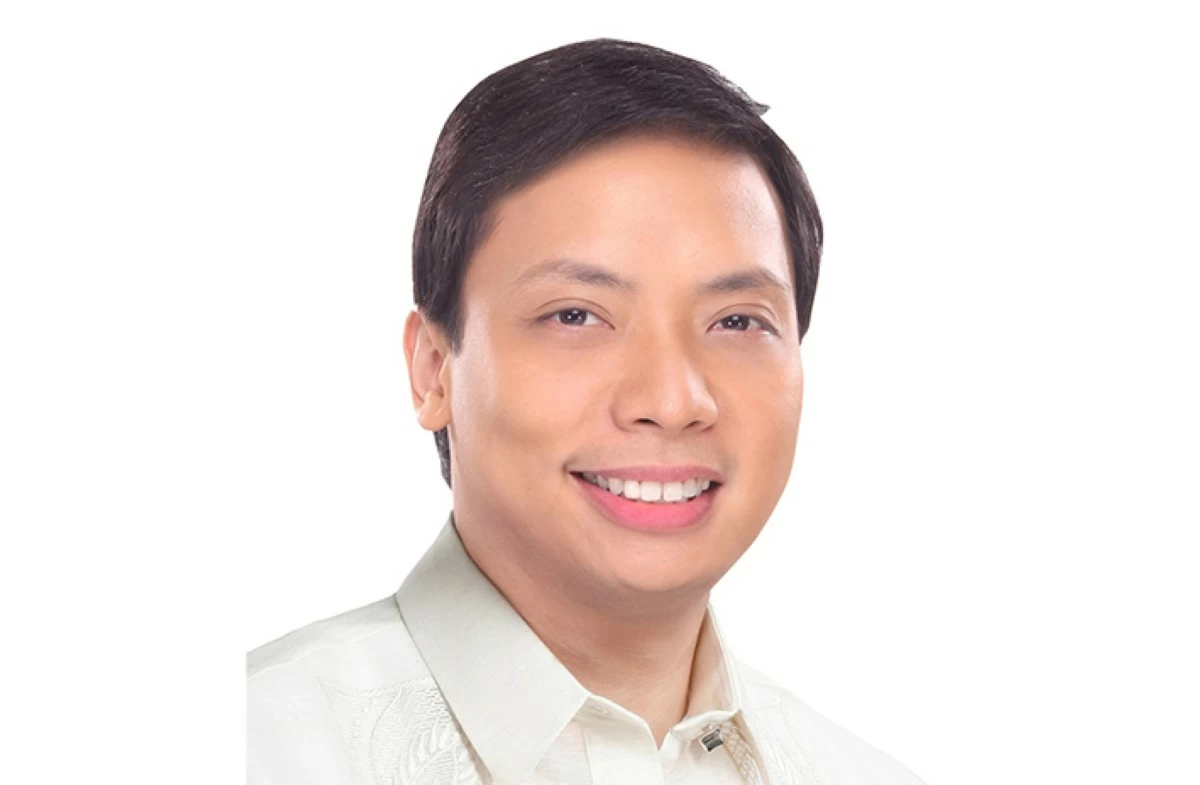
(The author is a Doctor of Medicine, an entrepreneur and the mayor of Antipolo City, former Rizal governor, and DENR assistant secretary, LLDA general manager. Email: [email protected])

Related Tags

THE VIEW FROM RIZAL DR. JUN YNARES
ADVERTISEMENT
.most-popular .layout-ratio{ padding-bottom: 79.13%; } @media (min-width: 768px) and (max-width: 1024px) { .widget-title { font-size: 15px !important; } }

{{ articles_filter_1561_widget.title }}

.most-popular .layout-ratio{ padding-bottom: 79.13%; } @media (min-width: 768px) and (max-width: 1024px) { .widget-title { font-size: 15px !important; } }

{{ articles_filter_1562_widget.title }}

.most-popular .layout-ratio{ padding-bottom: 79.13%; } @media (min-width: 768px) and (max-width: 1024px) { .widget-title { font-size: 15px !important; } }

{{ articles_filter_1563_widget.title }}

{{ articles_filter_1564_widget.title }}

.mb-article-details { position: relative; } .mb-article-details .article-body-preview, .mb-article-details .article-body-summary{ font-size: 17px; line-height: 30px; font-family: "Libre Caslon Text", serif; color: #000; } .mb-article-details .article-body-preview iframe , .mb-article-details .article-body-summary iframe{ width: 100%; margin: auto; } .read-more-background { background: linear-gradient(180deg, color(display-p3 1.000 1.000 1.000 / 0) 13.75%, color(display-p3 1.000 1.000 1.000 / 0.8) 30.79%, color(display-p3 1.000 1.000 1.000) 72.5%); position: absolute; height: 200px; width: 100%; bottom: 0; display: flex; justify-content: center; align-items: center; padding: 0; } .read-more-background a{ color: #000; } .read-more-btn { padding: 17px 45px; font-family: Inter; font-weight: 700; font-size: 18px; line-height: 16px; text-align: center; vertical-align: middle; border: 1px solid black; background-color: white; } .hidden { display: none; }
function initializeAllSwipers() { // Get all hidden inputs with cms_article_id document.querySelectorAll('[id^="cms_article_id_"]').forEach(function (input) { const cmsArticleId = input.value; const articleSelector = '#article-' + cmsArticleId + ' .body_images'; const swiperElement = document.querySelector(articleSelector); if (swiperElement && !swiperElement.classList.contains('swiper-initialized')) { new Swiper(articleSelector, { loop: true, pagination: false, navigation: { nextEl: '#article-' + cmsArticleId + ' .swiper-button-next', prevEl: '#article-' + cmsArticleId + ' .swiper-button-prev', }, }); } }); } setTimeout(initializeAllSwipers, 3000); const intersectionObserver = new IntersectionObserver( (entries) => { entries.forEach((entry) => { if (entry.isIntersecting) { const newUrl = entry.target.getAttribute("data-url"); if (newUrl) { history.pushState(null, null, newUrl); let article = entry.target; // Extract metadata const author = article.querySelector('.author-section').textContent.replace('By', '').trim(); const section = article.querySelector('.section-info ').textContent.replace(' ', ' '); const title = article.querySelector('.article-title h1').textContent; // Parse URL for Chartbeat path format const parsedUrl = new URL(newUrl, window.location.origin); const cleanUrl = parsedUrl.host + parsedUrl.pathname; // Update Chartbeat configuration if (typeof window._sf_async_config !== 'undefined') { window._sf_async_config.path = cleanUrl; window._sf_async_config.sections = section; window._sf_async_config.authors = author; } // Track virtual page view with Chartbeat if (typeof pSUPERFLY !== 'undefined' && typeof pSUPERFLY.virtualPage === 'function') { try { pSUPERFLY.virtualPage({ path: cleanUrl, title: title, sections: section, authors: author }); } catch (error) { console.error('ping error', error); } } // Optional: Update document title if (title && title !== document.title) { document.title = title; } } } }); }, { threshold: 0.1 } ); function showArticleBody(button) { const article = button.closest("article"); const summary = article.querySelector(".article-body-summary"); const body = article.querySelector(".article-body-preview"); const readMoreSection = article.querySelector(".read-more-background"); // Hide summary and read-more section summary.style.display = "none"; readMoreSection.style.display = "none"; // Show the full article body body.classList.remove("hidden"); } document.addEventListener("DOMContentLoaded", () => { let loadCount = 0; // Track how many times articles are loaded const offset = [1, 2, 3, 4, 5, 6, 7, 8, 9, 10]; // Offset values const currentUrl = window.location.pathname.substring(1); let isLoading = false; // Prevent multiple calls if (!currentUrl) { console.log("Current URL is invalid."); return; } const sentinel = document.getElementById("load-more-sentinel"); if (!sentinel) { console.log("Sentinel element not found."); return; } function isSentinelVisible() { const rect = sentinel.getBoundingClientRect(); return ( rect.top < window.innerHeight && rect.bottom >= 0 ); } function onScroll() { if (isLoading) return; if (isSentinelVisible()) { if (loadCount >= offset.length) { console.log("Maximum load attempts reached."); window.removeEventListener("scroll", onScroll); return; } isLoading = true; const currentOffset = offset[loadCount]; window.loadMoreItems().then(() => { let article = document.querySelector('#widget_1690 > div:nth-last-of-type(2) article'); intersectionObserver.observe(article) loadCount++; }).catch(error => { console.error("Error loading more items:", error); }).finally(() => { isLoading = false; }); } } window.addEventListener("scroll", onScroll); });

Sign up by email to receive news.