







Mitsubishi HQ in Japan names Philippines as priority market
Published Jun 10, 2026 08:48 pm


At A Glance
- Mitsubishi listed the Philippines as one of its priority countries, alongside Japan and Vietnam, under its new Mid-Long Term Vision.
- The company plans to locally produce new HEV models in the Philippines, though it has not yet named the models, timing, or plant details.
- Mitsubishi's wider product plan includes 13 new models from FY2026 to FY2031, including five HEV models and five PHEV models.
- The Pajero, known as Montero in some markets, will return as a new Triton-based cross-country SUV produced in Thailand.
- Mitsubishi is also cutting development lead time from 45 months to 36 months, reducing platforms from five to three, and shifting toward value-based sales, better financing, aftersales, certified used cars, and stronger customer retention.
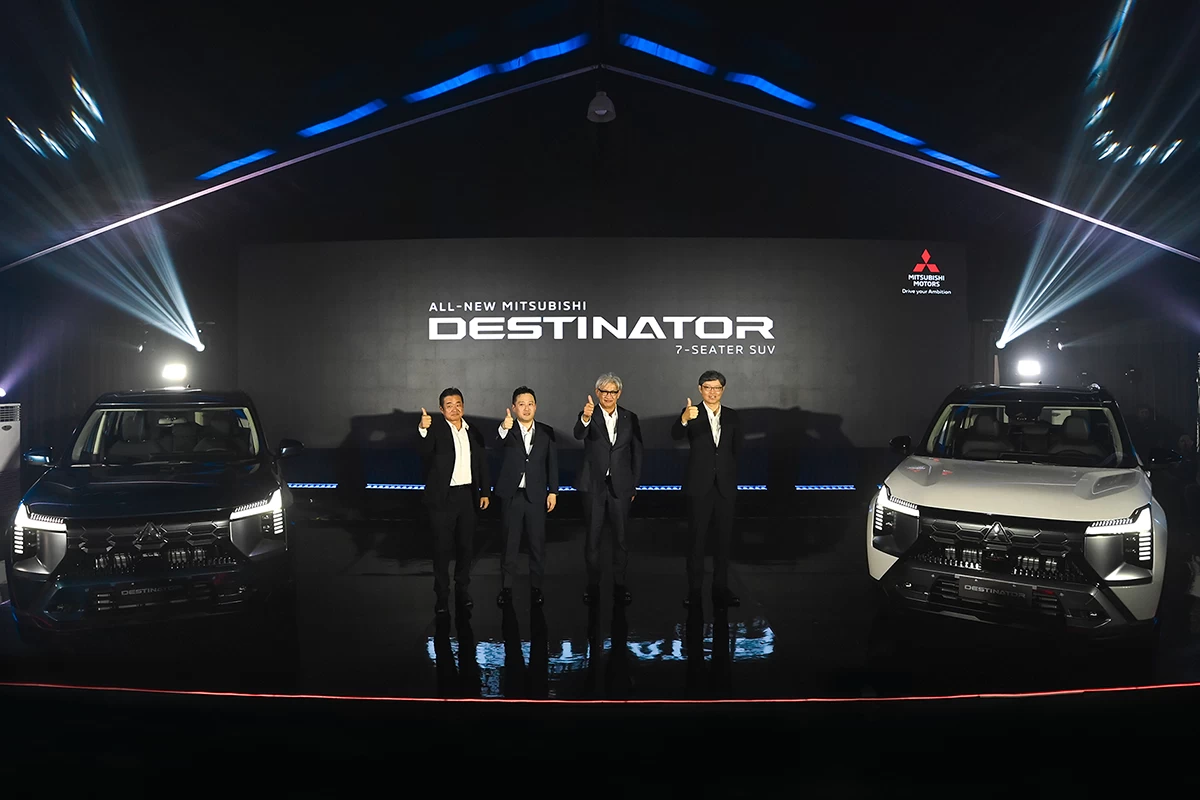
Photo courtesy of Mitsubishi Motor Corporation (MMC)
Mitsubishi Motors HQ is placing the Philippines among its key markets as the Japanese automaker prepares a more focused product and business strategy for the next several years.
Why Mitsubishi is changing direction
Mitsubishi entered the period with ambitious targets under its previous mid-term business plan. By FY2025, the company had aimed for 1.1 million vehicle sales and ¥220 billion in operating profit. It ended the period with 797,000 retail sales and ¥75.5 billion in operating profit.
The result may not look positive, but Mitsubishi claims this is a strong result. Net sales per vehicle rose from ¥1.766 million in FY2020 to ¥3.017 million in FY2025, above the original ¥2.5 million target. In simple terms, Mitsubishi sold fewer vehicles than planned, but the vehicles it sold brought in more revenue per unit, pointing to factors such as better pricing, lower dependence on discounts, and a stronger sales mix.
This has led the company to formulate its new Mid-Long Term Vision. Mitsubishi is placing greater emphasis on areas where the brand still has a clear identity: ASEAN-market vehicles, off-road models, hybrid systems, plug-in hybrids, 4WD capability, durability, and long-term ownership support. The company is also narrowing its product focus around two main groups: ASEAN products and off-road products.
The Philippines is a priority market
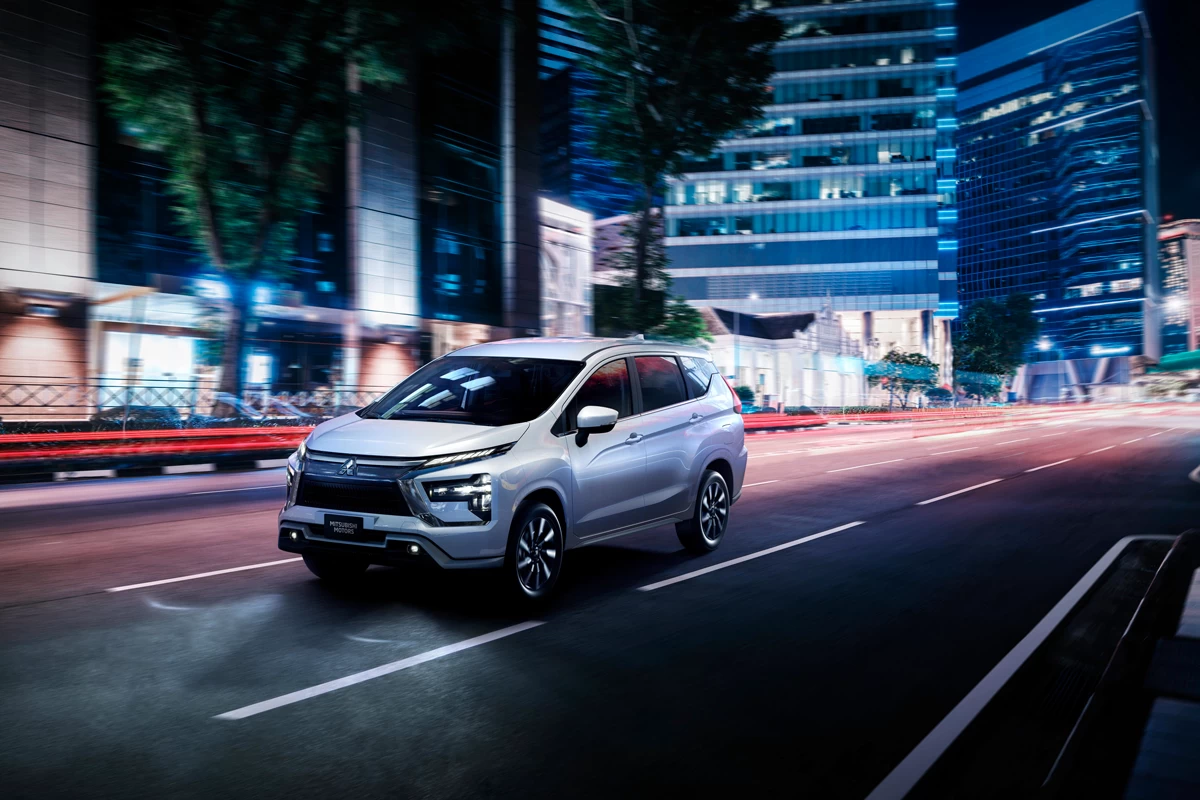
Photo courtesy of Mitsubishi Motor Corporation (MMC)
For the Philippines, the clearest development is local production of new hybrid electric vehicle models. Mitsubishi grouped the country with Japan and Vietnam as priority markets, placing it among the markets where the brand sees stronger room for growth.
The local strategy also includes wider sales finance offerings for higher-priced vehicles. That points to a possible shift toward better-equipped models, electrified variants, and stronger financing support rather than a strategy built mainly around entry-level pricing.
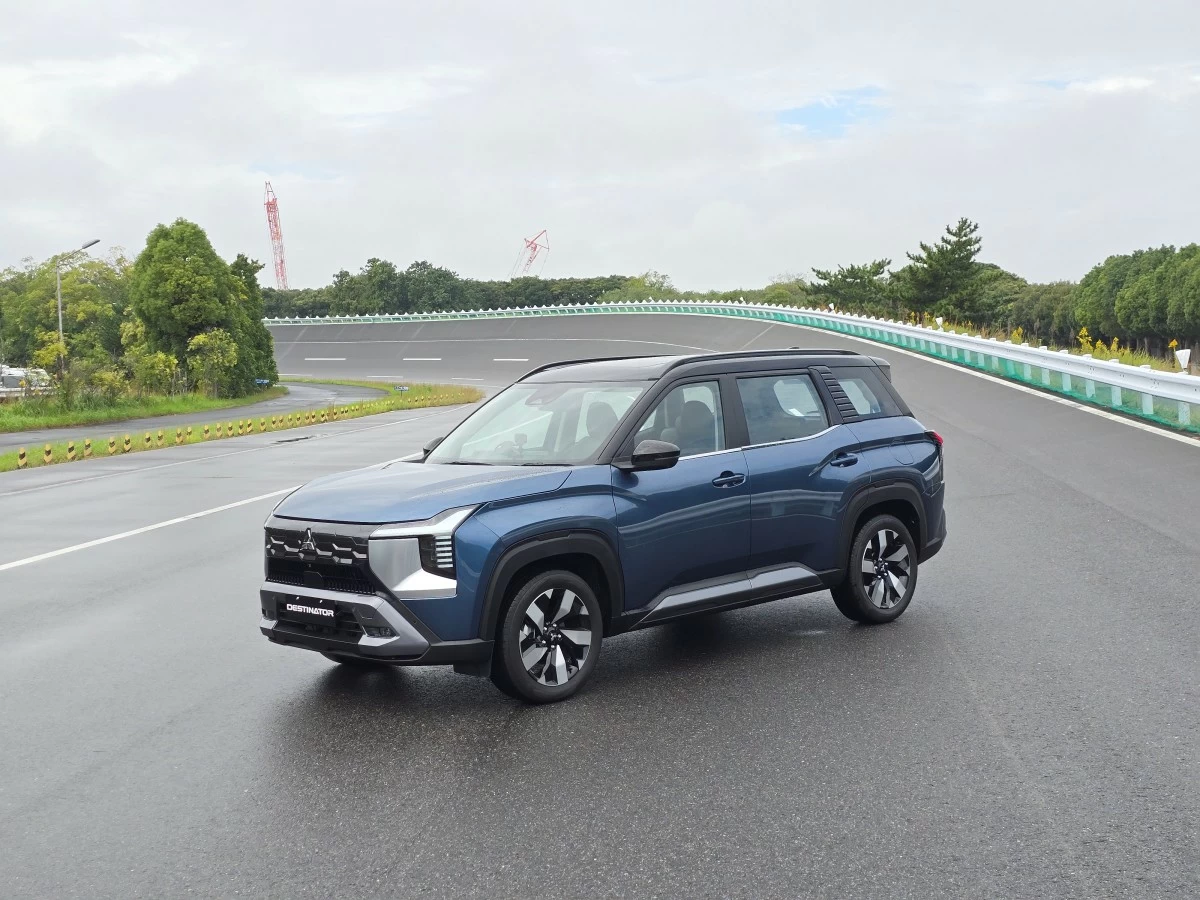
Mitsubishi has not named the models, production timing, or plant details for the Philippine-built hybrids. What is clear is that HEVs are the more immediate electrification route for the local market. That approach makes sense in a country where charging infrastructure is still developing and many buyers still need vehicles for daily traffic, provincial drives, family use, and occasional poor road conditions without relying on regular charging.
Hybrids first, BEVs more selective
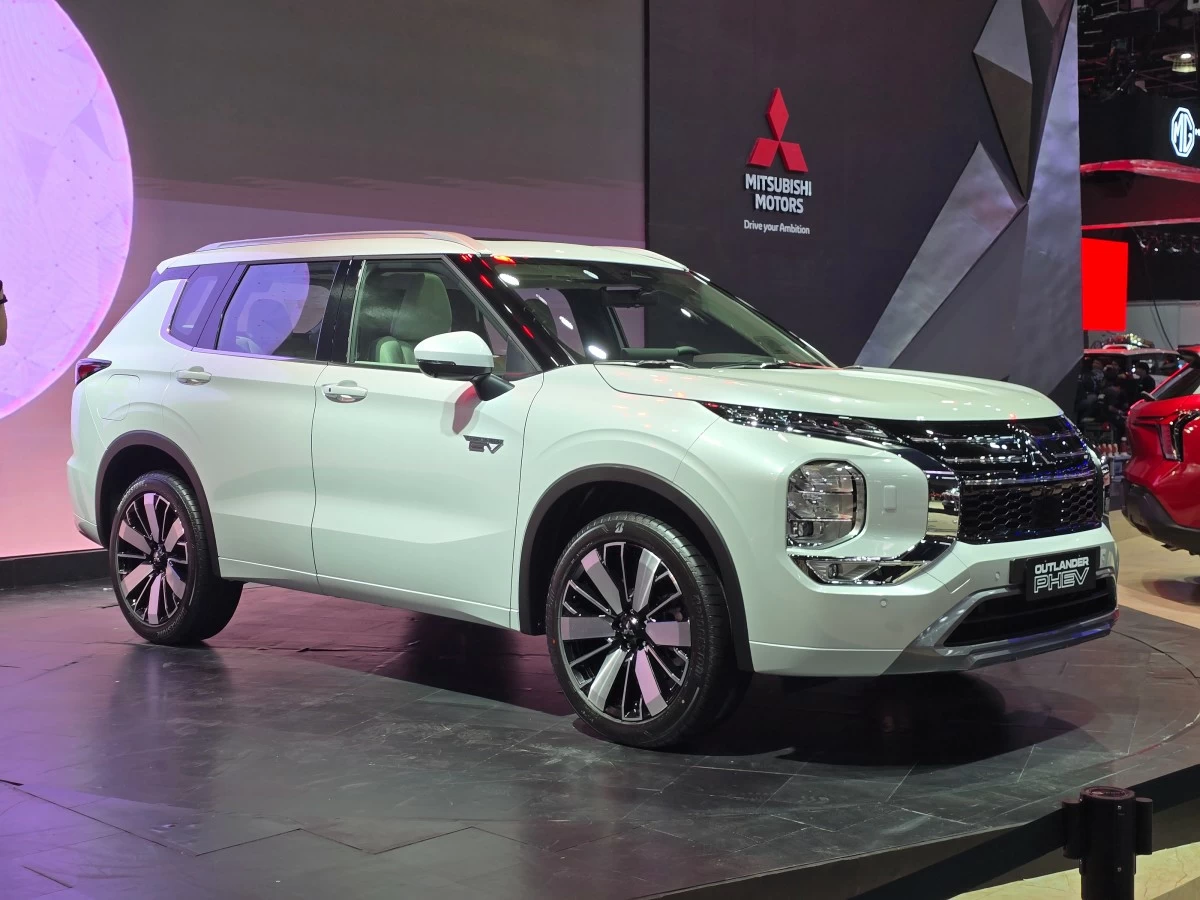
Mitsubishi’s product plan covers 13 new models from FY2026 to FY2031, including five HEV models and five PHEV models. The company’s own development work will focus more on hybrids and plug-in hybrids, while pure battery electric vehicles will be handled more selectively through partner-supplied models in certain markets.
For anyone expecting Mitsubishi to go all-in on EVs, that is not the direction being taken here. Mitsubishi has a BEV project with Hon Hai, better known as Foxconn, for Australia, along with BEV-related work with Nissan in other markets. For the Philippines, however, the confirmed electrification direction is local HEV production, not a full battery electric vehicle program.
Pajero and Montero return to the center
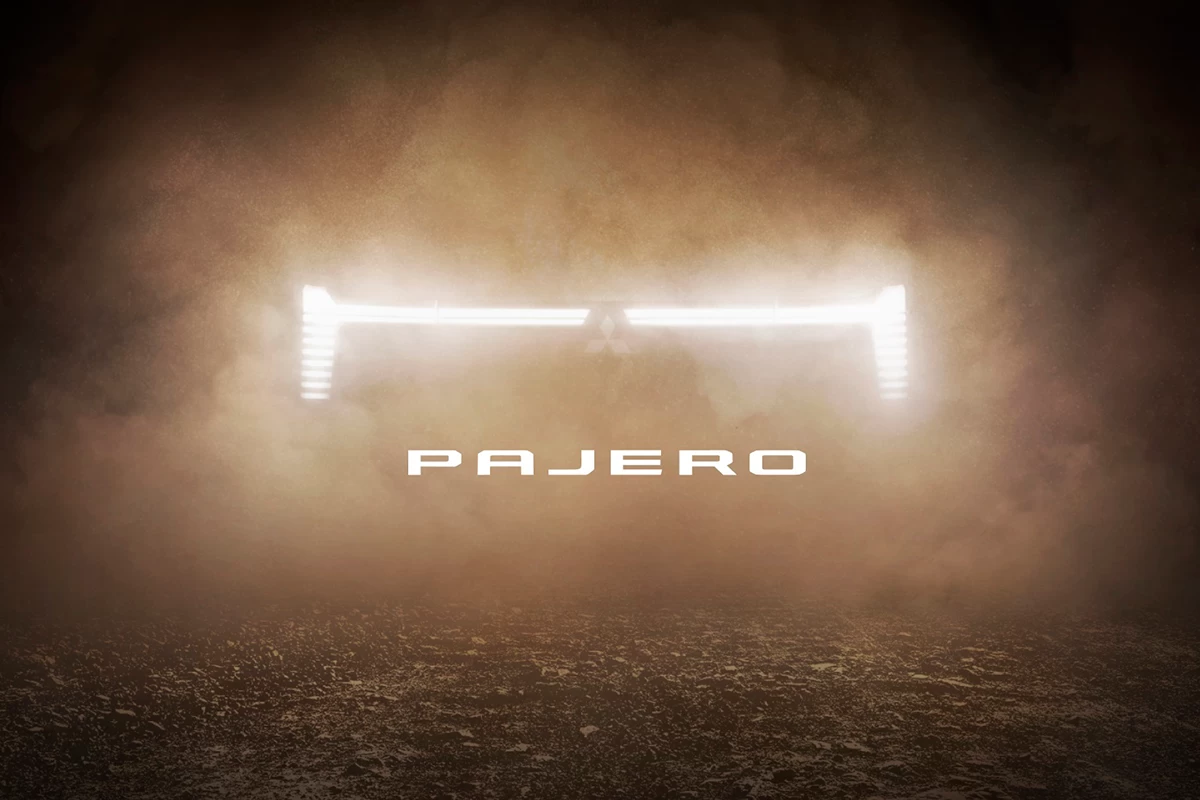
Photo courtesy of Mitsubishi Motor Corporation (MMC)
The return of the Pajero, known as Montero in some markets, is another major part of Mitsubishi’s next phase. The new cross-country SUV will use the Triton’s ladder frame and will be produced in Thailand.
The brand’s focus on rough-road capability, durability, flood-prone usage, family practicality, and 4WD technology still matches many local buyer needs, and the return of a well-loved nameplate has many excited about what the brand has in store. Mitsubishi is also turning the Pajero name into a series, pointing to a broader off-road product family rather than a single standalone model.
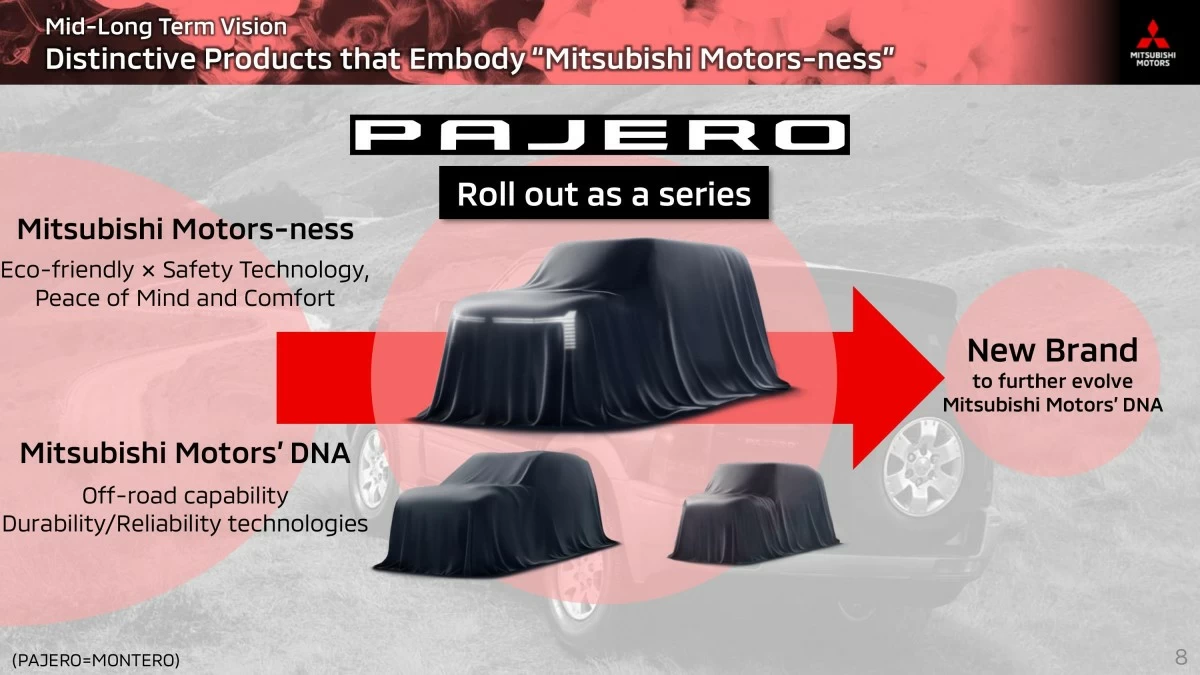
Photo courtesy of Mitsubishi Motor Corporation (MMC)
It also gives Mitsubishi a clearer way to separate itself from newer rivals, especially Chinese brands competing strongly on price, equipment, and electrification. Instead of trying to match every new entrant model-for-model, Mitsubishi appears to be leaning harder into the parts of its identity that are already familiar to many buyers.
Faster development and lower costs
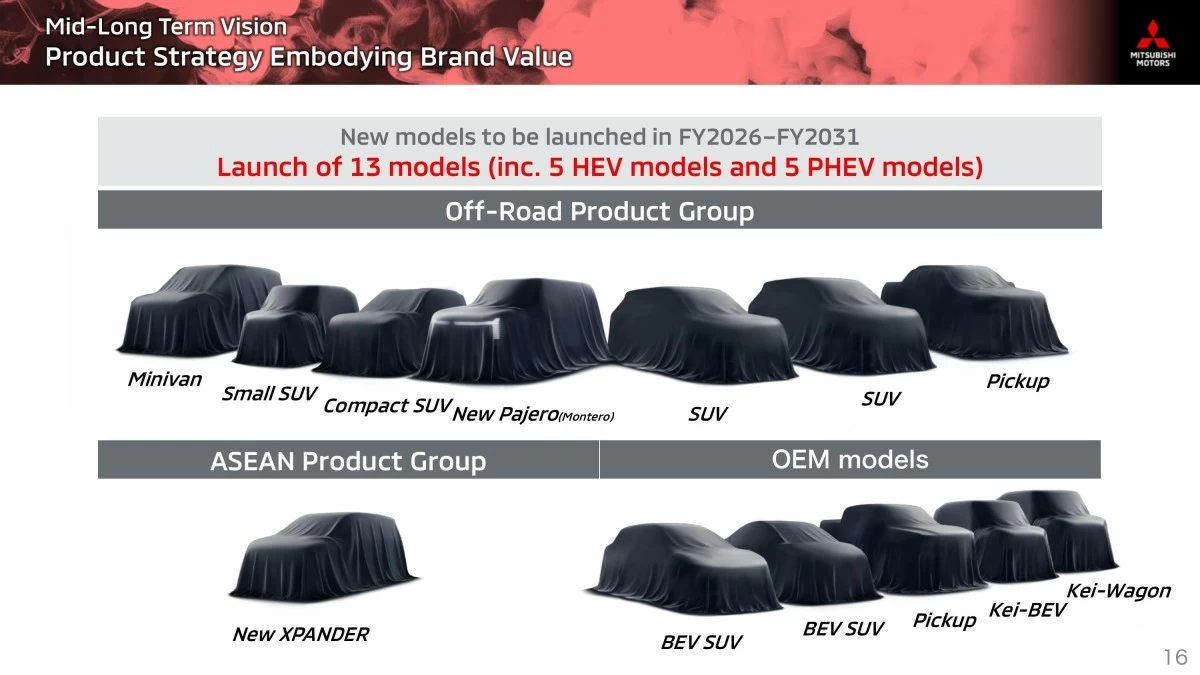
Photo courtesy of Mitsubishi Motor Corporation (MMC)
Mitsubishi is also working to speed up vehicle development and cut costs, two areas that have become more urgent as Chinese automakers bring out new models at a faster pace. The company wants to reduce development lead time by 20 percent, from 45 months to 36 months, using AI and digital tools across product planning, design, development, and production preparation.
On the hardware side, Mitsubishi will reduce its platforms from five to three. These will cover ASEAN products, off-road products, and frame-based models. It also plans to use more common parts and components across models, while sourcing more from globally competitive suppliers. This will affect how quickly new products arrive, how competitive pricing can be, and how efficiently Mitsubishi can support future models across different markets.
A more value-driven sales strategy
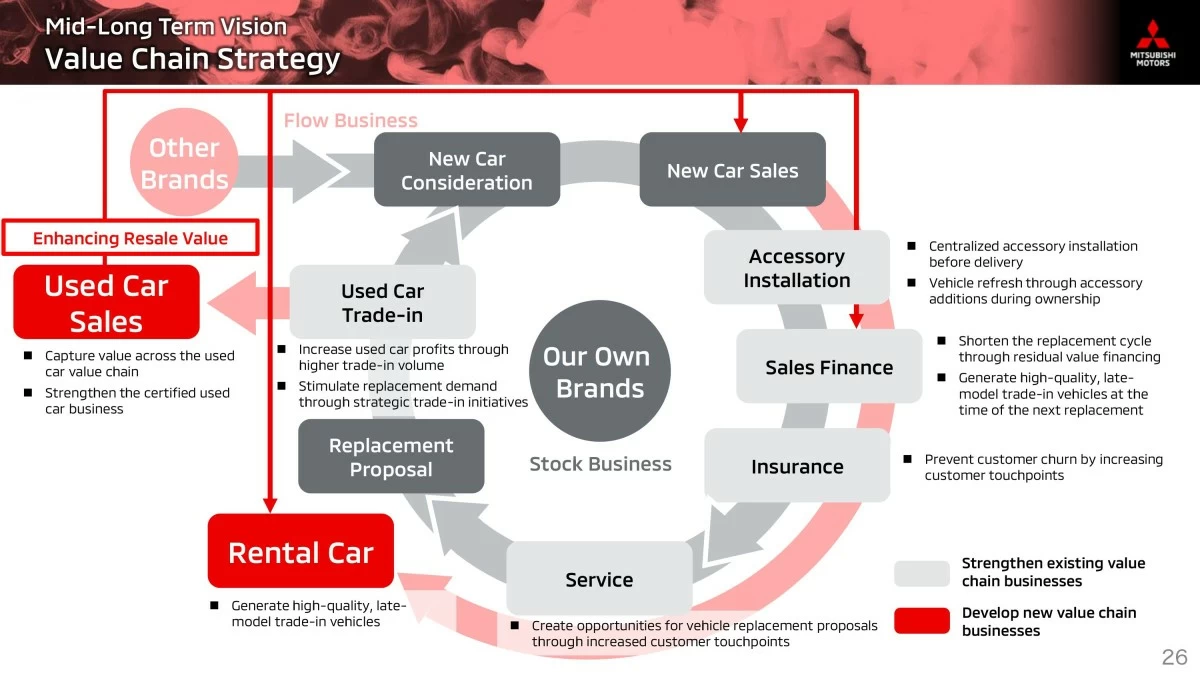
Photo courtesy of Mitsubishi Motor Corporation (MMC)
The company is moving further away from discount-led sales and toward value-based selling, better financing, accessories, certified used cars, aftersales, and stronger customer retention.
In the Philippines, that could mean more attention on higher-grade variants, electrified models, and ownership programs designed to make more expensive vehicles easier to purchase and maintain. It also fits the company’s wider push to earn more from the full ownership cycle, not just from the initial vehicle sale.
Mitsubishi sees the Philippines as a growth market, but its route is not built around cheap volume or an immediate shift to full EVs. Its next phase here looks more like a steady build-up to regain its footing, with locally built hybrids, stronger ASEAN models, more off-road products, faster vehicle development, and a more value-driven sales strategy.
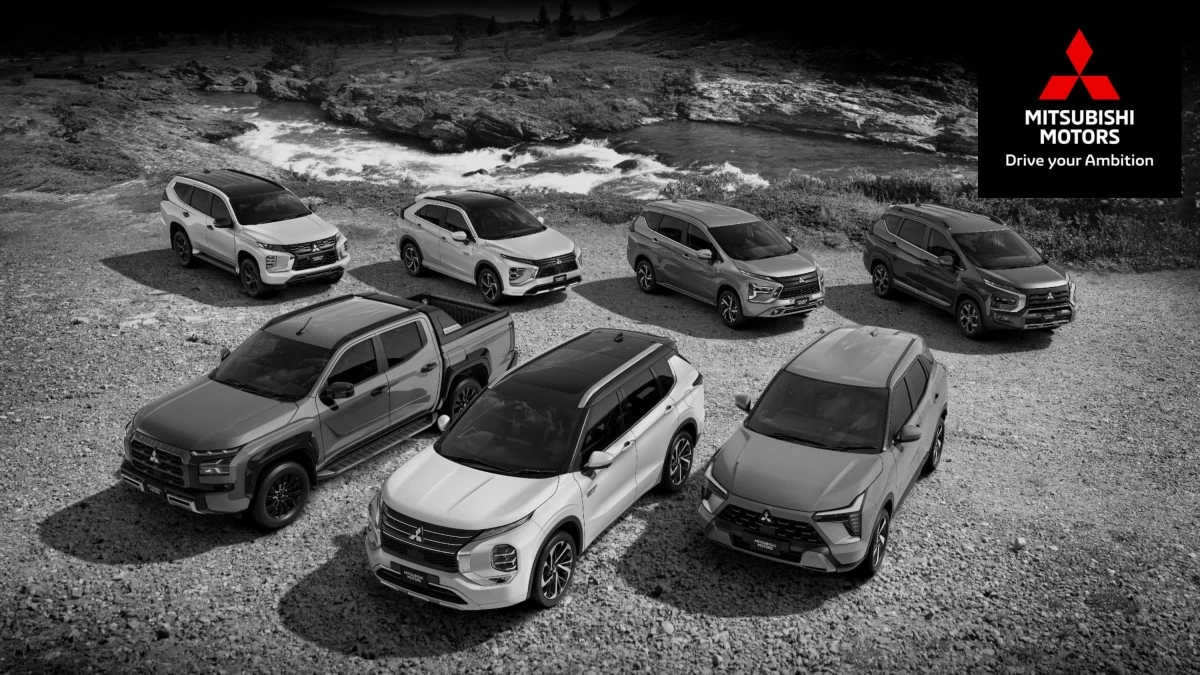
Photo courtesy of Mitsubishi Motor Corporation (MMC)
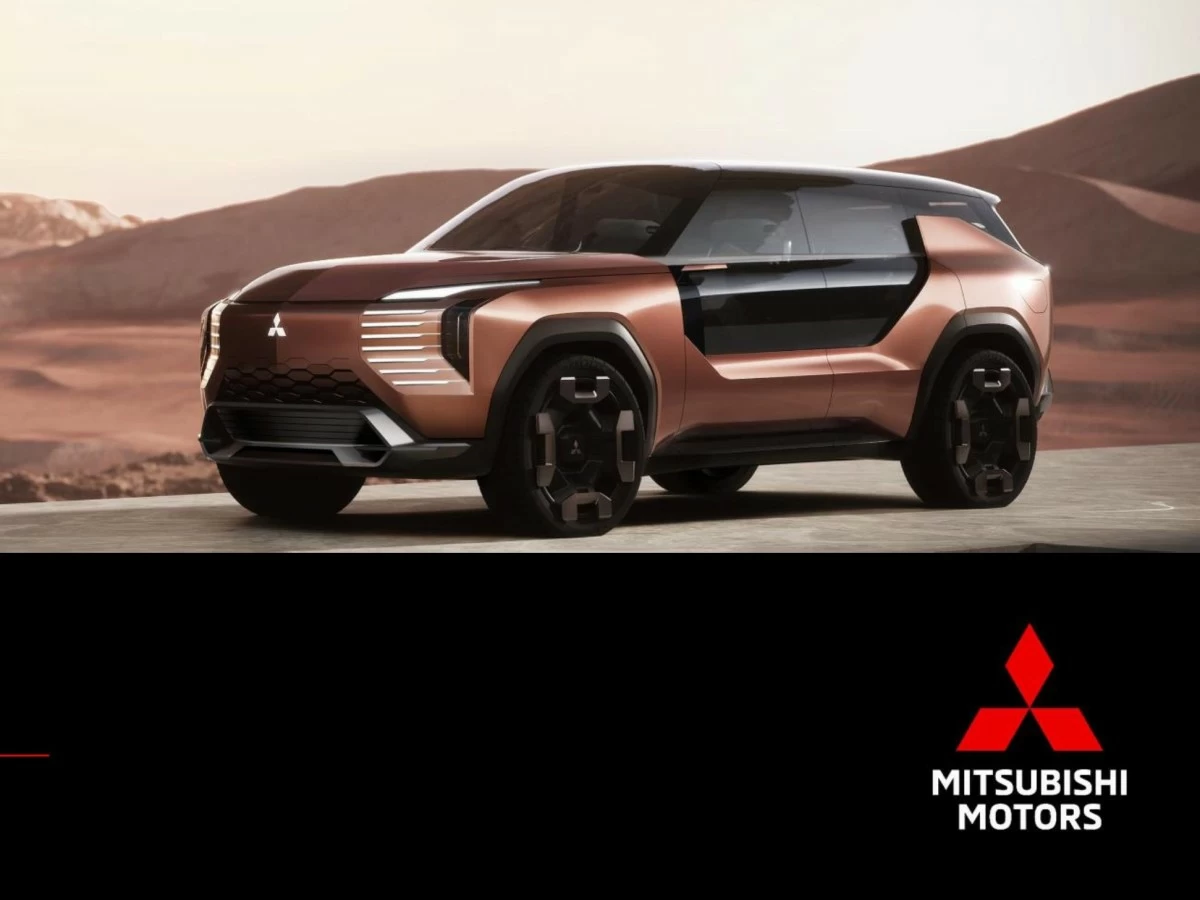
Photo courtesy of Mitsubishi Motor Corporation (MMC)