








The city government said Pre-Disaster Risk Assessment meetings are conducted as needed to evaluate possible risks and determine appropriate response measures.
Sandoval said response clusters and concerned offices have been directed to ensure the readiness of personnel, facilities, and supplies.
The city has also identified and assessed evacuation facilities, including schools, covered courts, and public buildings.
The City Social Welfare and Development Department has prepared food packs, drinking water, hygiene kits, sleeping kits, medicines, and other emergency supplies for affected residents.
The City Engineering Department has inspected flood control facilities such as pumping stations, drainage systems, floodgates, dikes, retaining walls, sluice gates, and waterways.
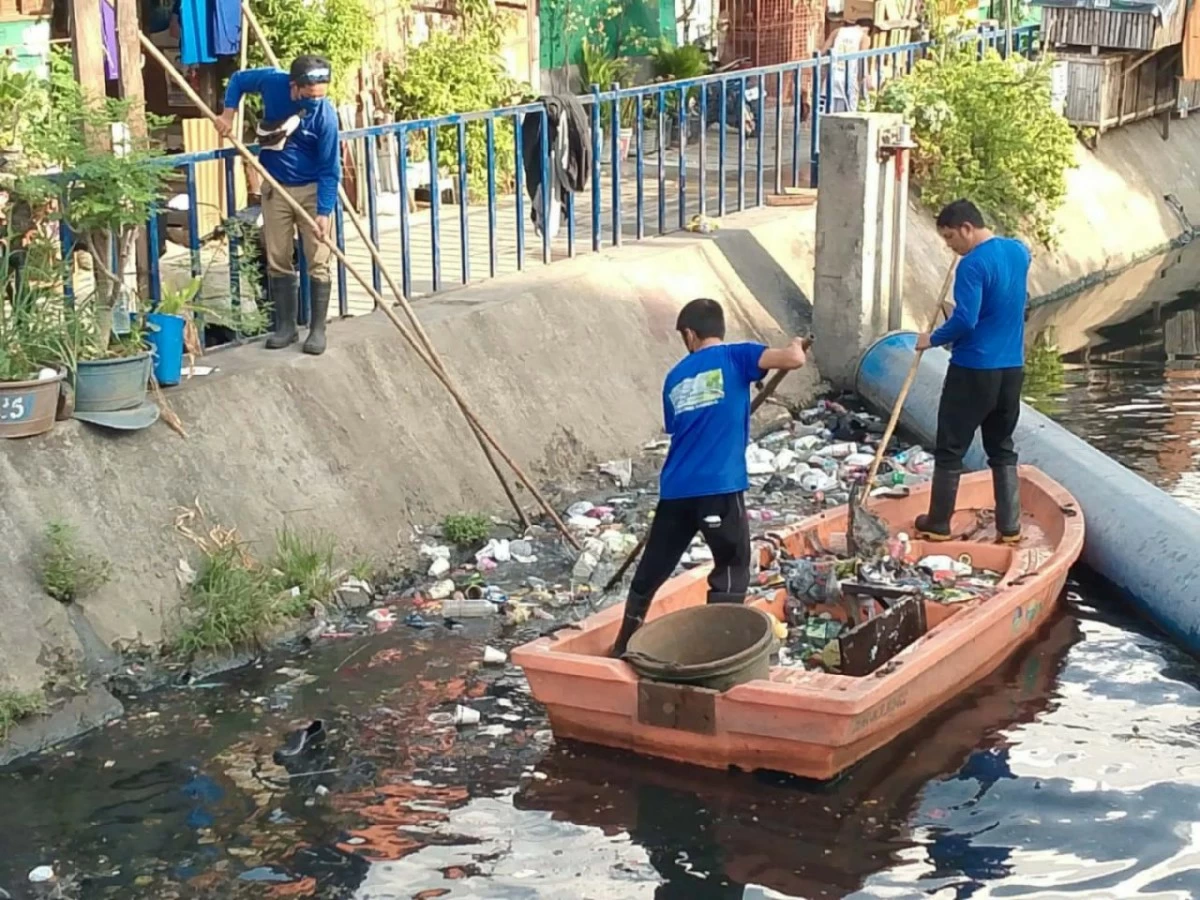
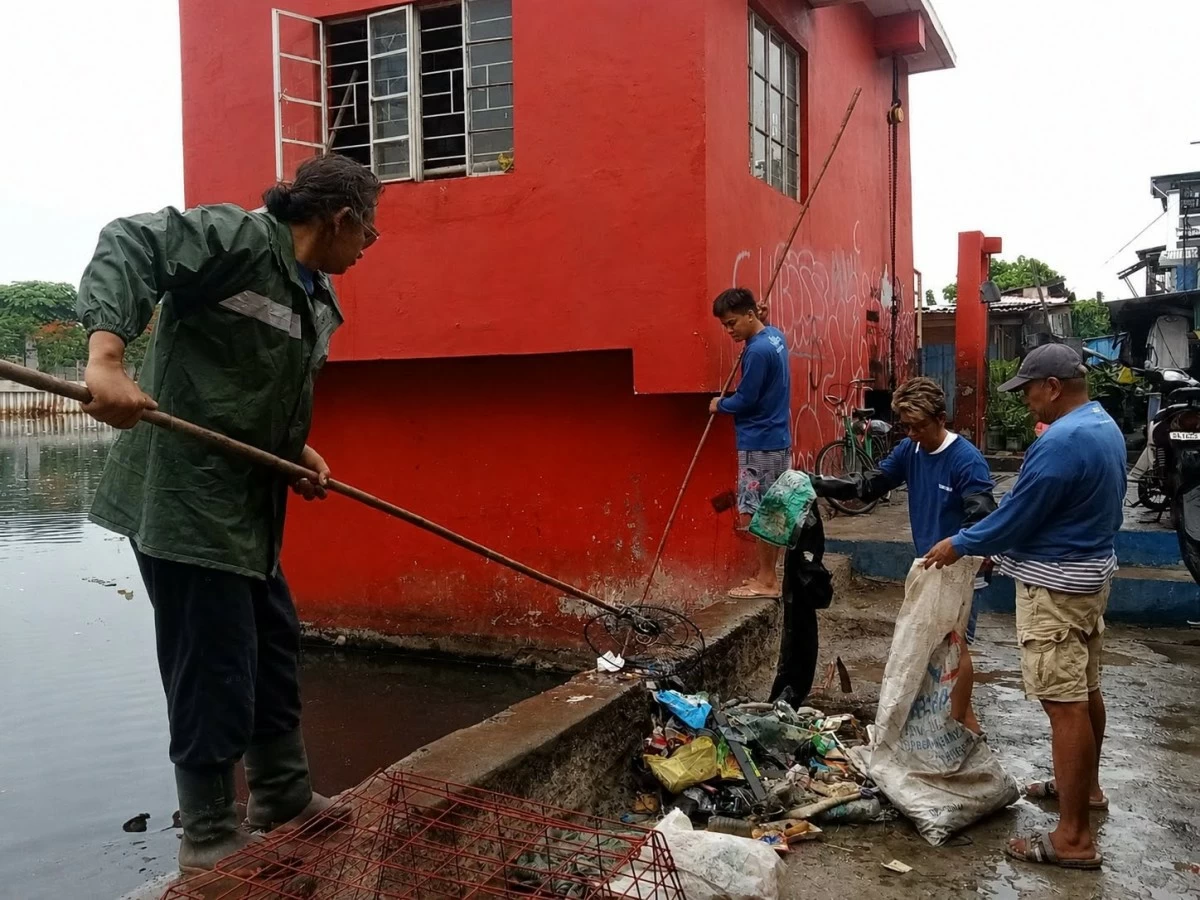
It has also carried out declogging, desilting, and clearing operations in critical drainage networks and waterways.
The city currently operates 40 pumping stations across different barangays to help prevent flooding during heavy rains.
The City Environment and Natural Resources Office said regular clean-up drives along roads and waterways are being conducted to prevent clogged drainage systems.
Health monitoring protocols are in place to prevent and address rainy season diseases such as dengue, leptospirosis, diarrhea, and respiratory infections.
Barangays have been directed to update their contingency and evacuation plans, monitor high-risk areas, issue warnings and advisories, and assist in evacuation, rescue, and relief operations.
City Administrator Dr. Alexander Rosete urged residents to stay informed, prepare emergency go-bags, and cooperate with authorities during emergencies.
He added that residents may use the Malabon Ahon 24/7 All Hazards One Network Application or contact the Malabon Command Center at 8921-6009, 8921-6029, 0942-372-9891, or 0919-062-5588 in case of emergencies.