






Manila Bulletin
 Lifestyle
Fashion and Beauty
Hermès women's fall-winter 2026 act two blends dance and dressmaking
Lifestyle
Fashion and Beauty
Hermès women's fall-winter 2026 act two blends dance and dressmaking
Lifestyle
Fashion and Beauty
Hermès women's fall-winter 2026 act two blends dance and dressmaking
Hermès women's fall-winter 2026 act two blends dance and dressmaking
By John Legaspi
Published Jun 10, 2026 10:27 am


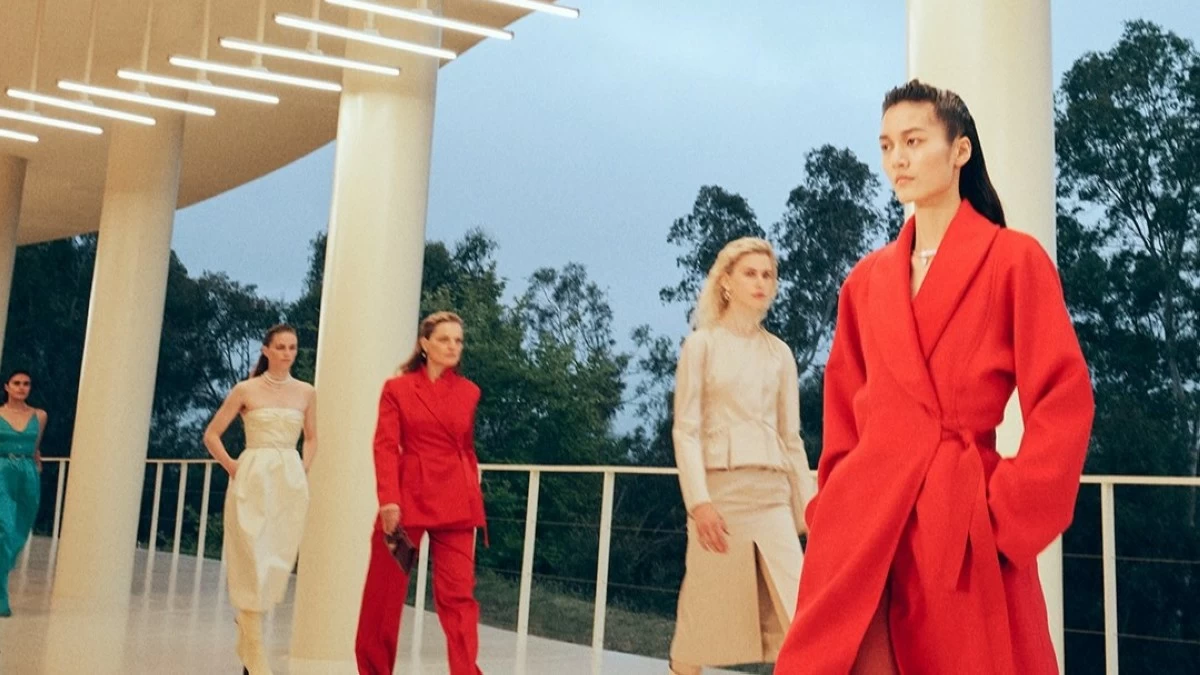
Hermès women's fall-winter 2026 collection act two (Photos: Hermès)
If there is a current trend among historic fashion houses, it is to hold shows away from their maisons’ places of origin. Louis Vuitton and Gucci chose New York as the destination for their Cruise 2027 collections. Max Mara is set to show in Shanghai this June, while Dior recently wrapped up its Cruise 2027 presentation in Los Angeles (LA). Joining the latter in showcasing its collection in the City of Angels is French luxury brand Hermès.
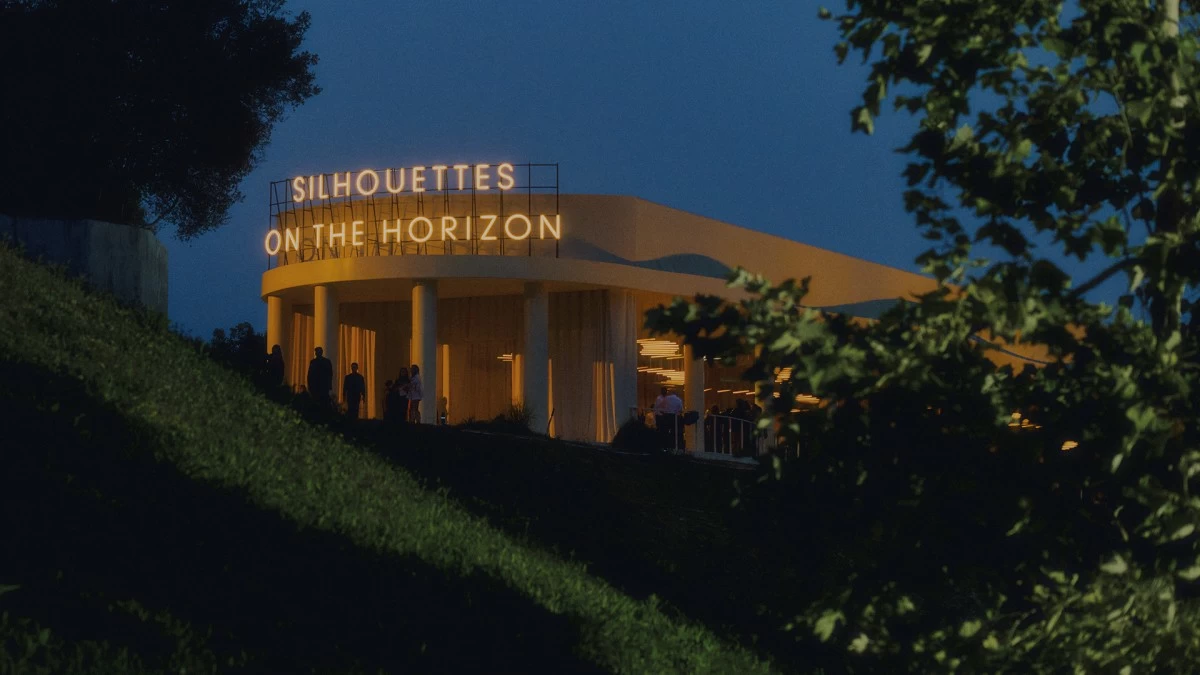
“Silhouettes on the Horizon” was held in a butter-yellow pavilion overlooking the Hotel Bel-Air.
On June 4, Hermès mounted Chapter II of its women’s fall-winter 2026 offering. The first chapter was presented during Paris Fashion Week in March and played with the idea of chiaroscuro, as patterns and colors revealed themselves under the final rays of the sun and glints of moonlight.
This time, Nadège Vanhée, artistic director of the brand’s womenswear collections, sought to explore modern femininity through dressmaking. To do so, she turned to the art of dance, resulting in a collection of pieces designed to follow the movement of their wearer.
“Dressmaking meets dance,” the brand said in a statement. “Craft and choreography converge through gestures perfected over time, revealing a form of beauty. A common language emerges, uniting dancer, artisan, and woman.”
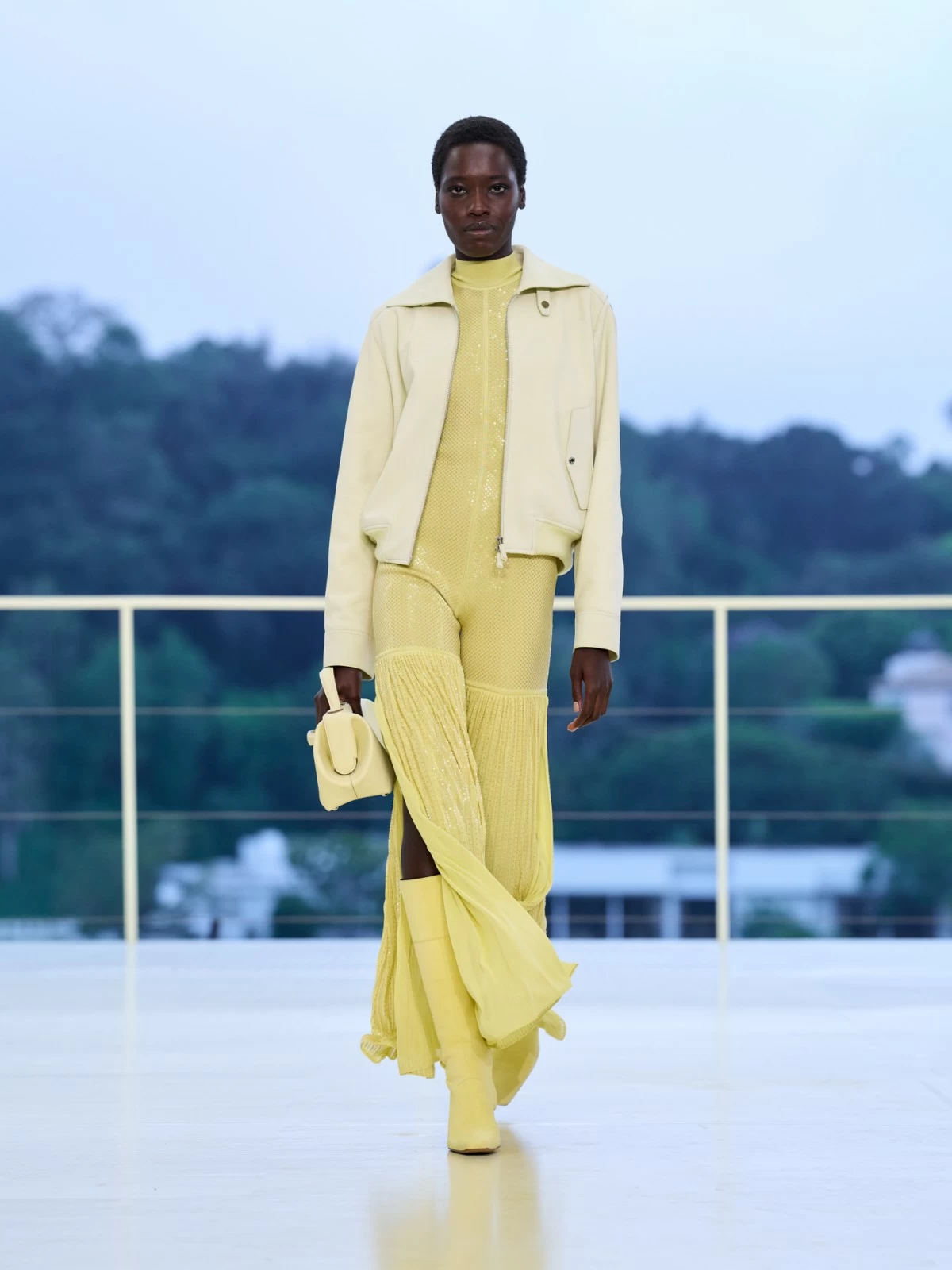
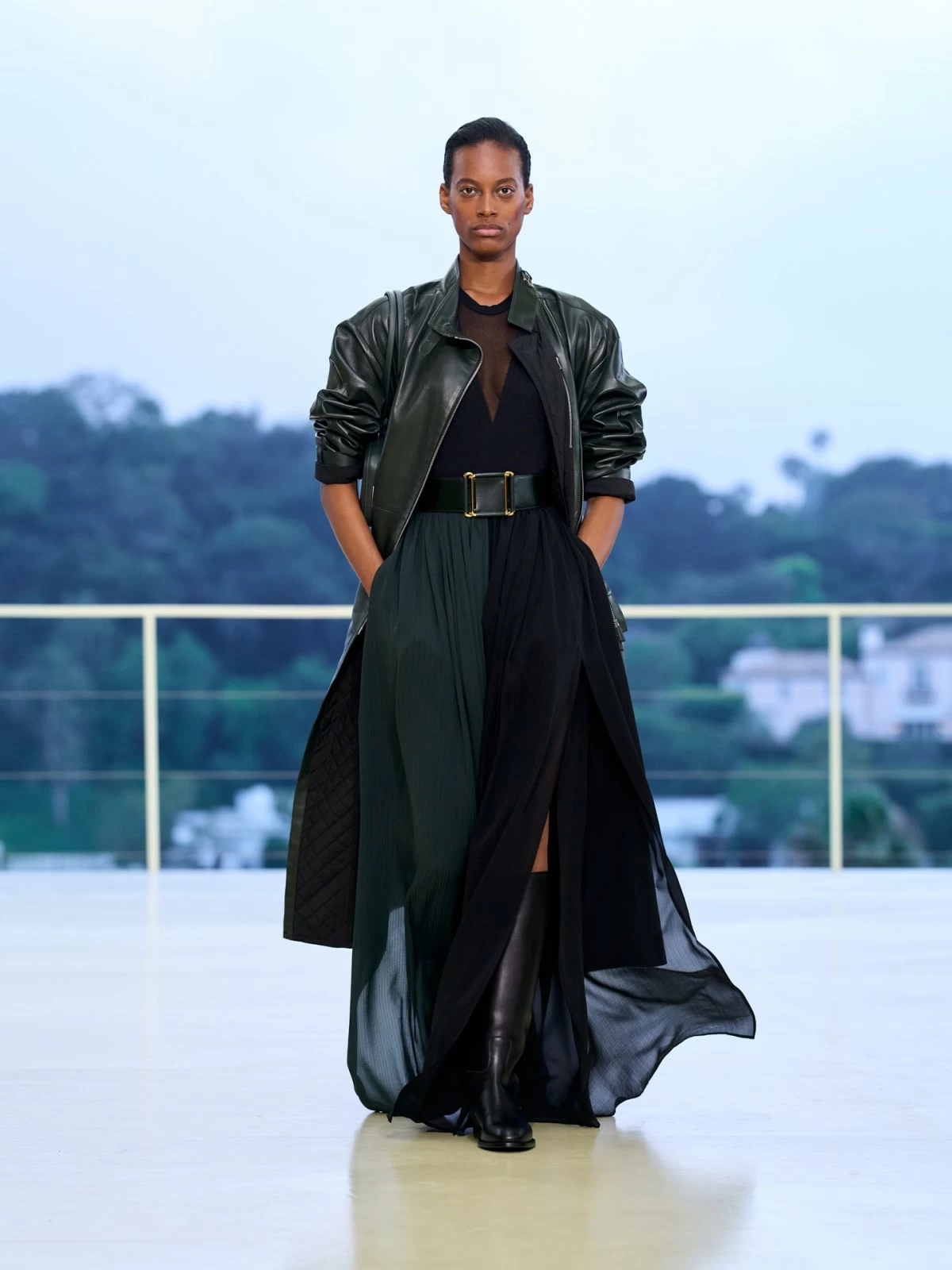
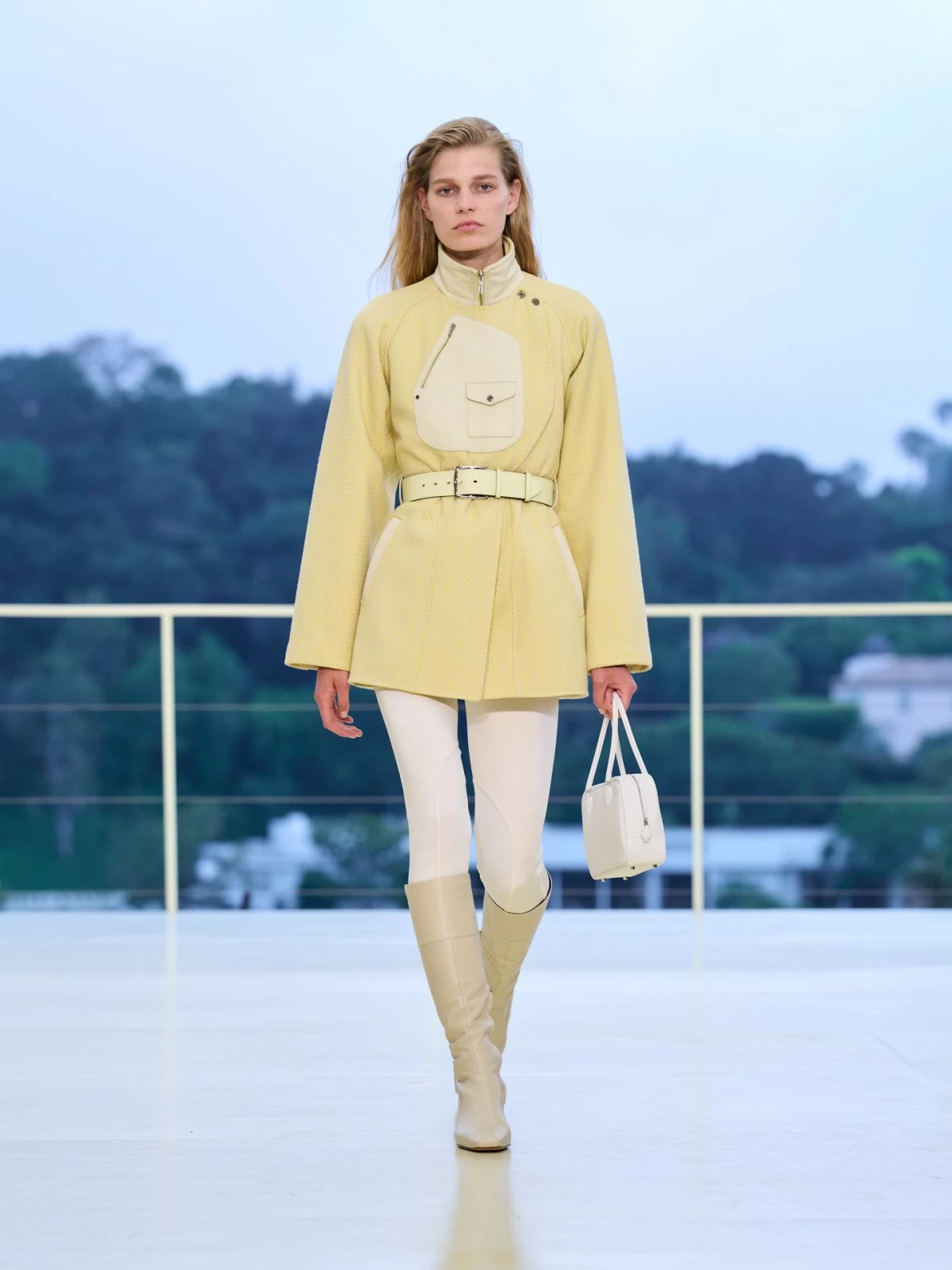
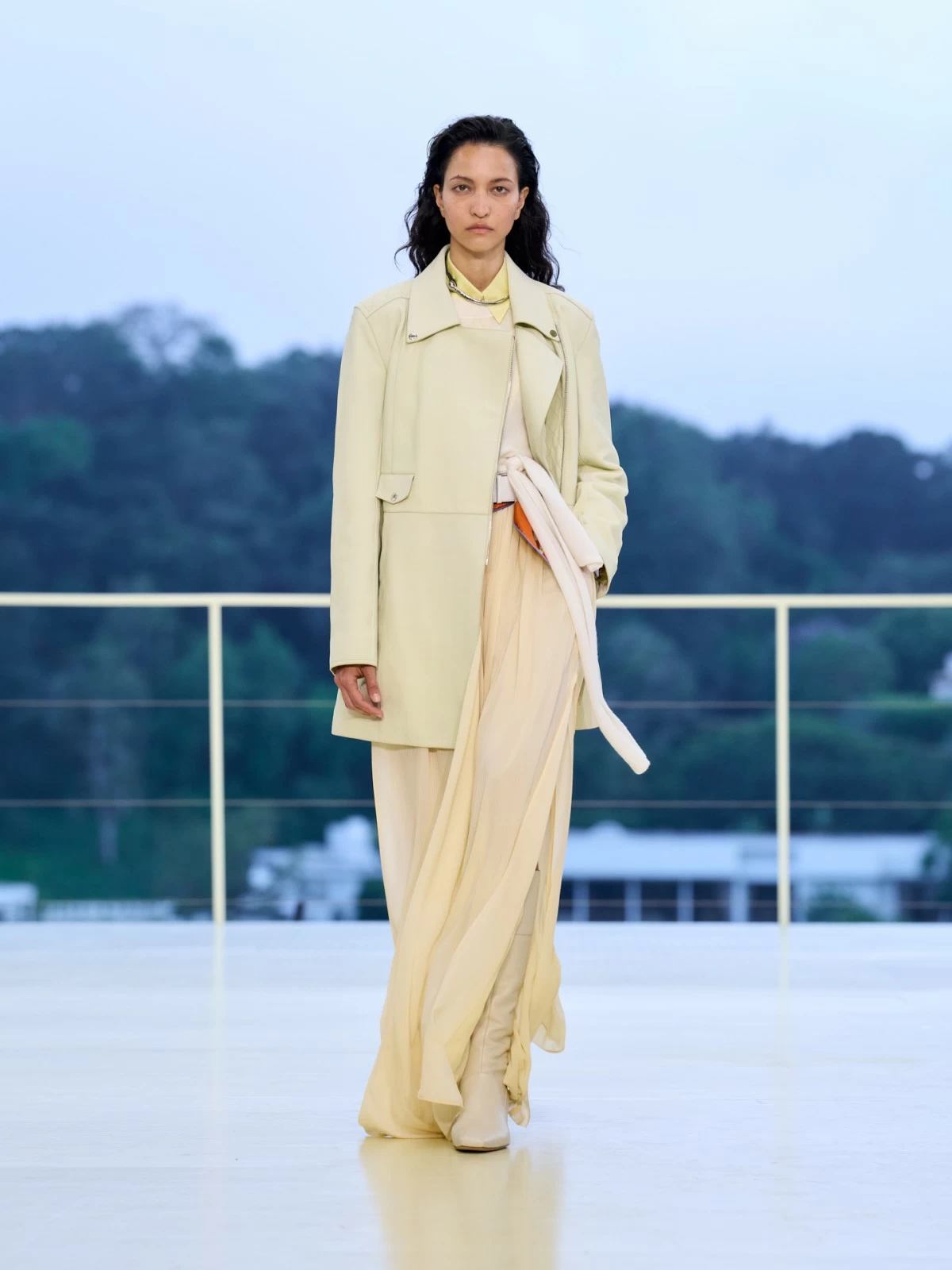
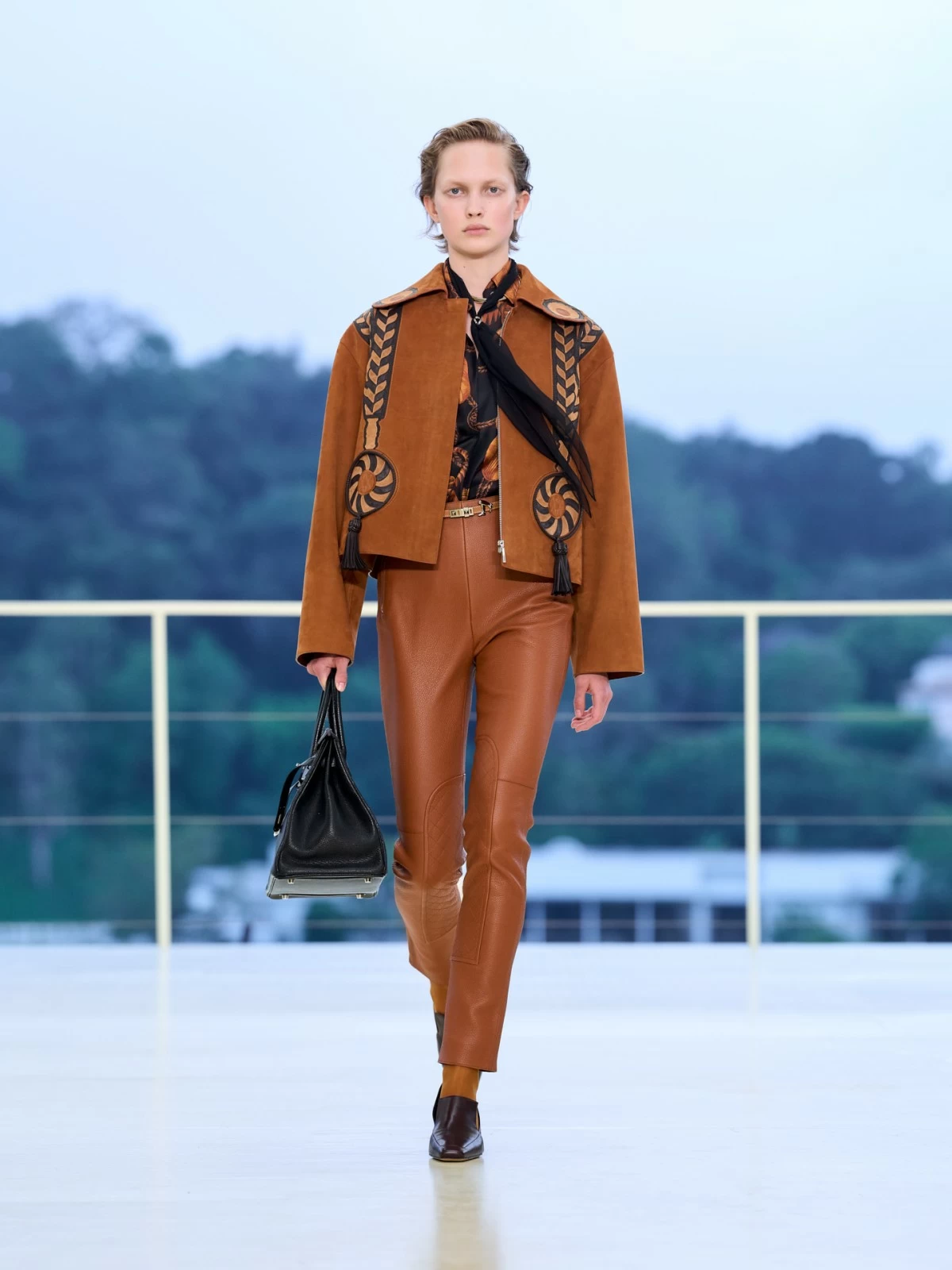
The show, dubbed “Silhouettes on the Horizon,” was held in a butter-yellow pavilion overlooking the Hotel Bel-Air. That color was echoed throughout the collection, with a series of looks in the pale yellow hue gracing the runway. Tailored jackets were paired with flowing semi-sheer trousers and maxi dresses.
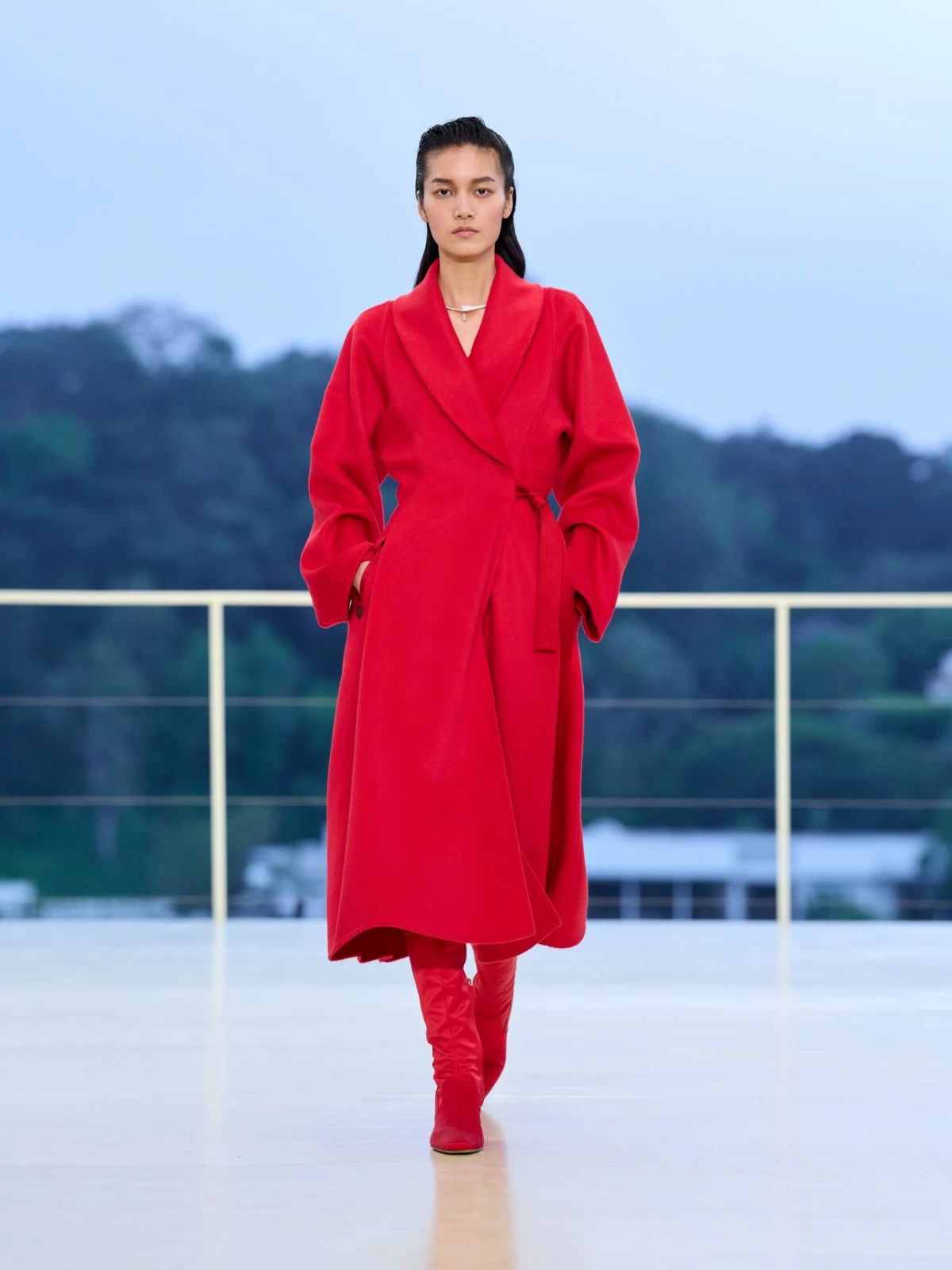
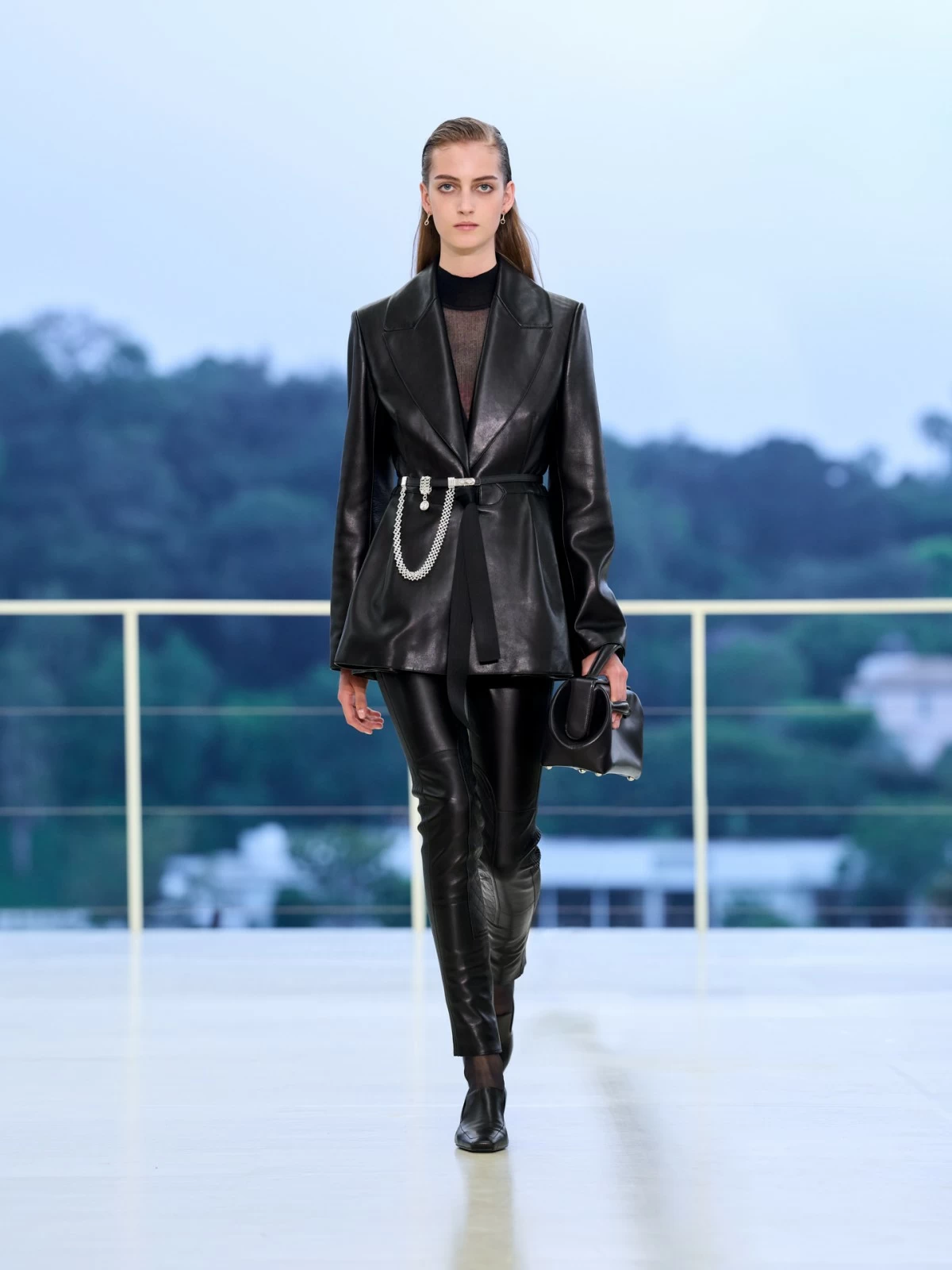
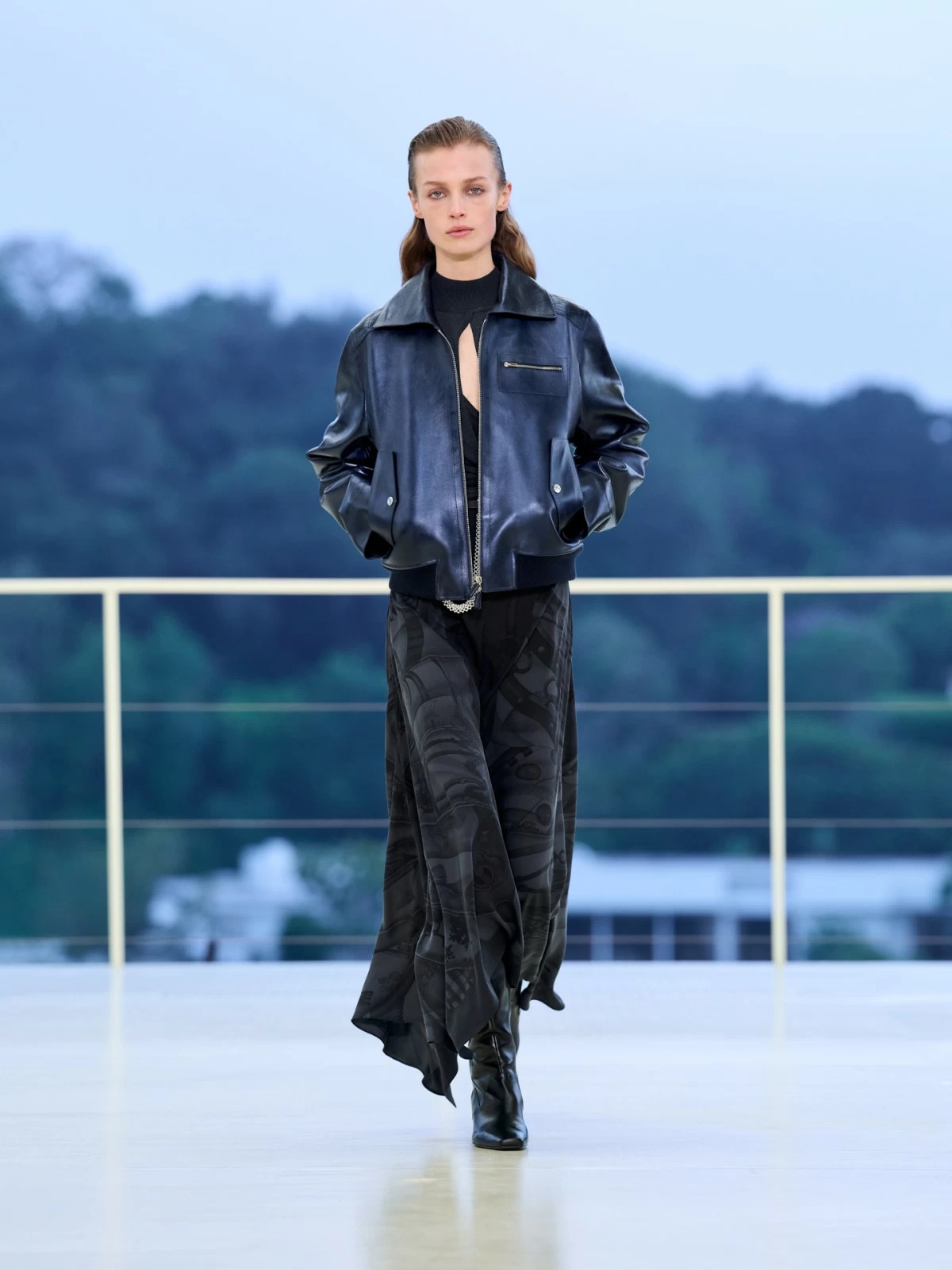
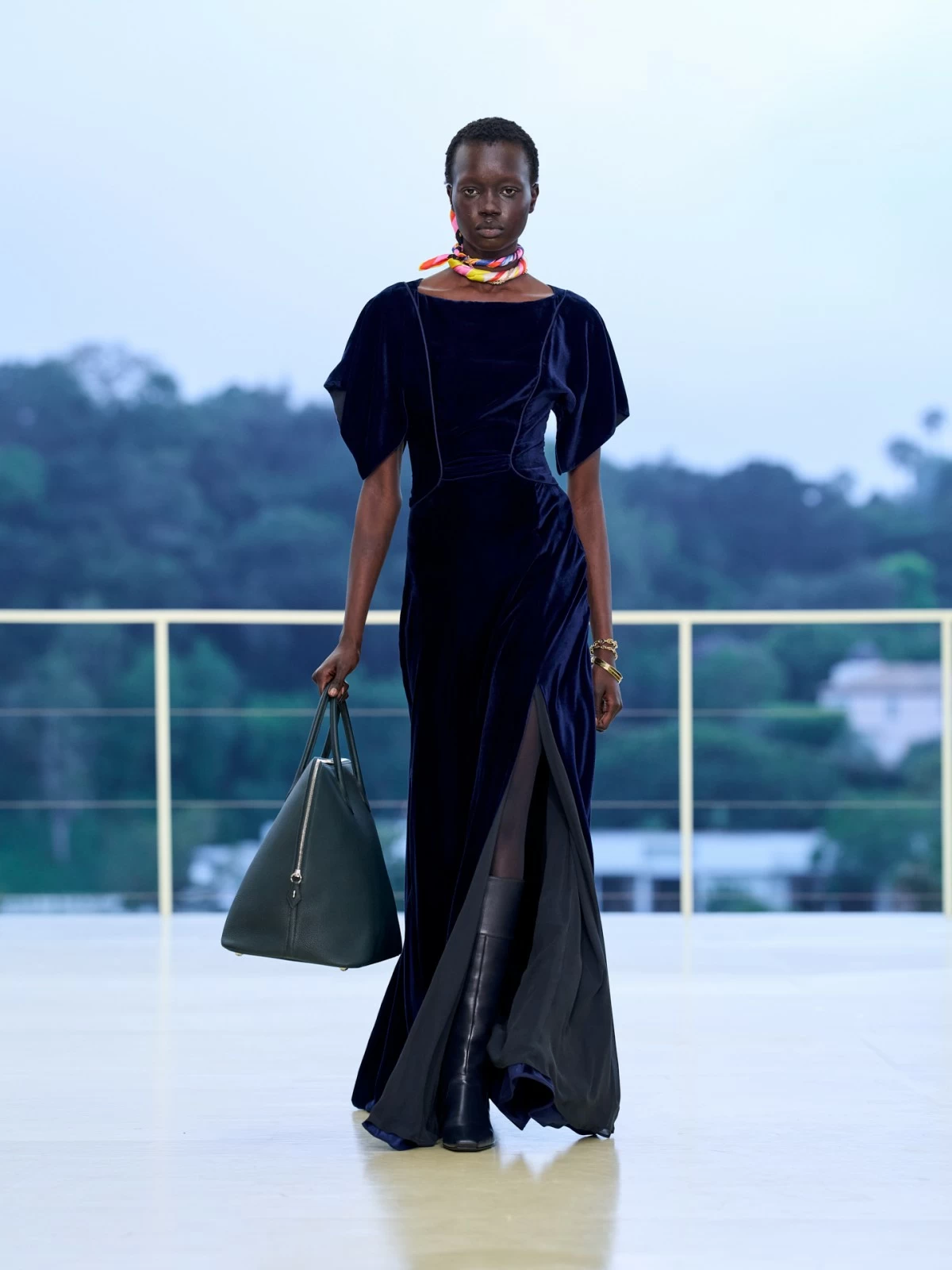
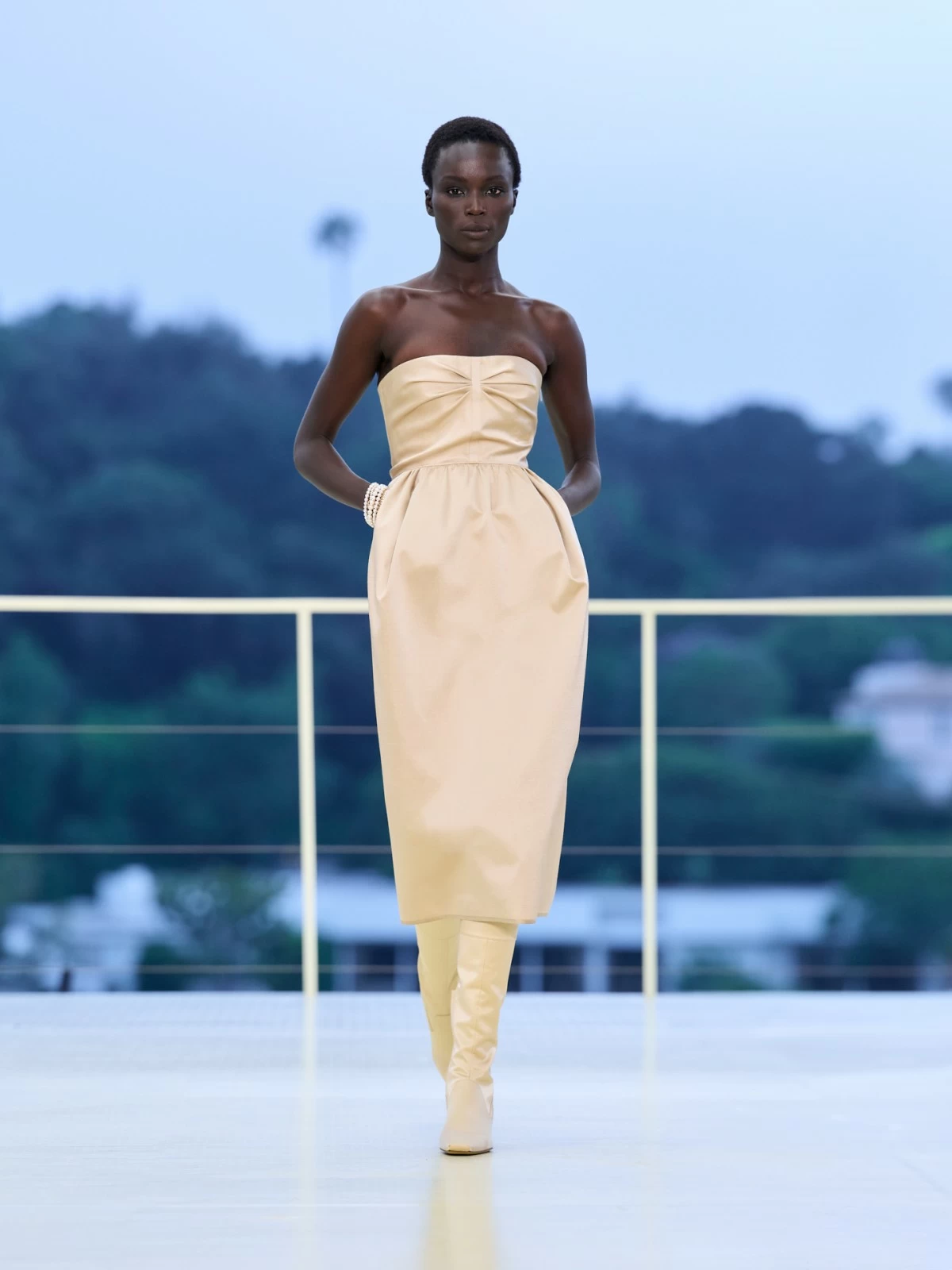
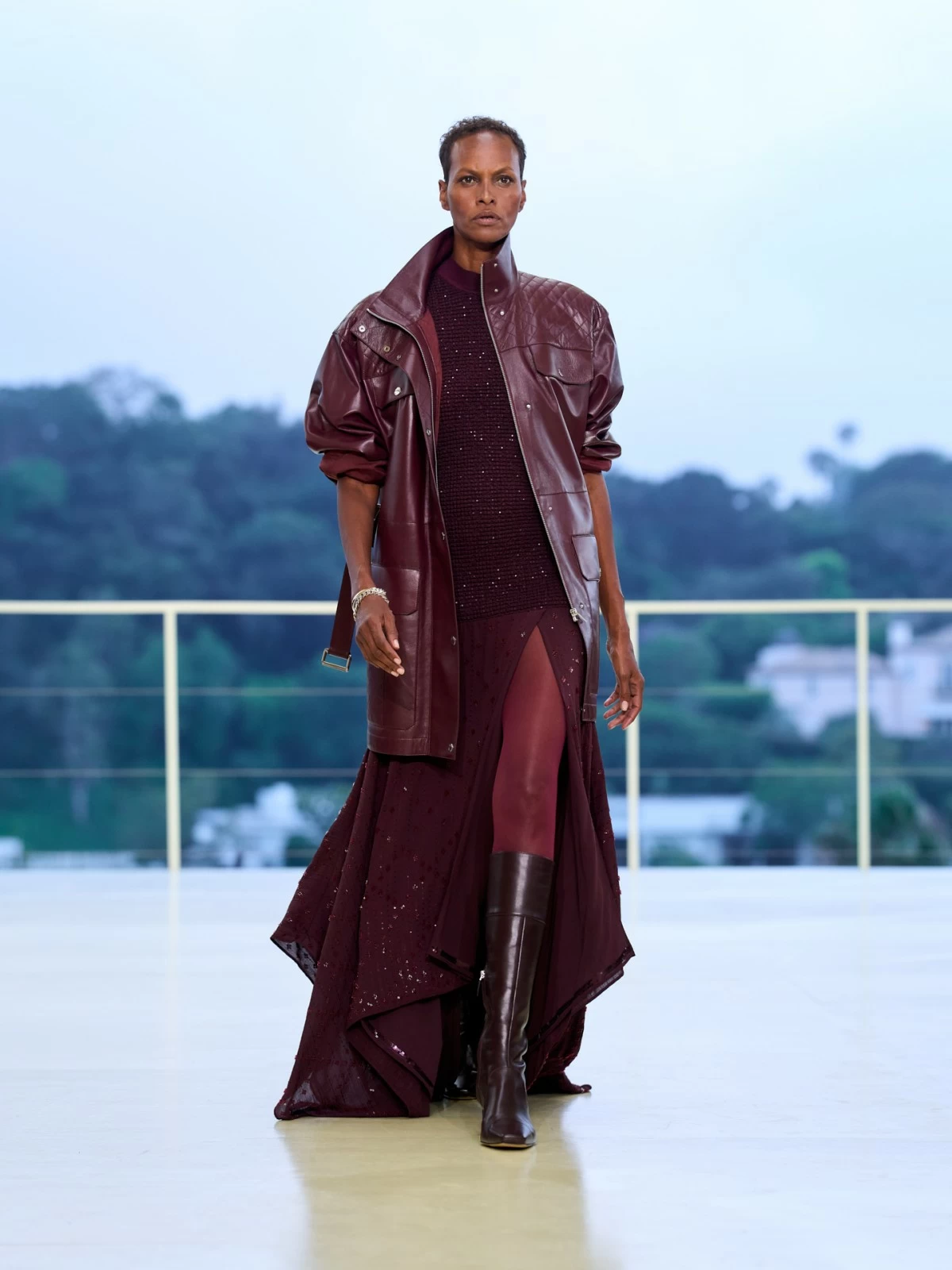
The collection’s dialogue with dance continued through pieces inspired by ballet attire. Corset-style lacing reminiscent of pointe shoes appeared on dresses and leather separates, while soft draping and fluid fringes accentuated movement with every step. Models glided through the pavilion in looks that balanced structure and ease, from supple leather jackets and fitted bodices to airy skirts that swayed with the evening breeze.
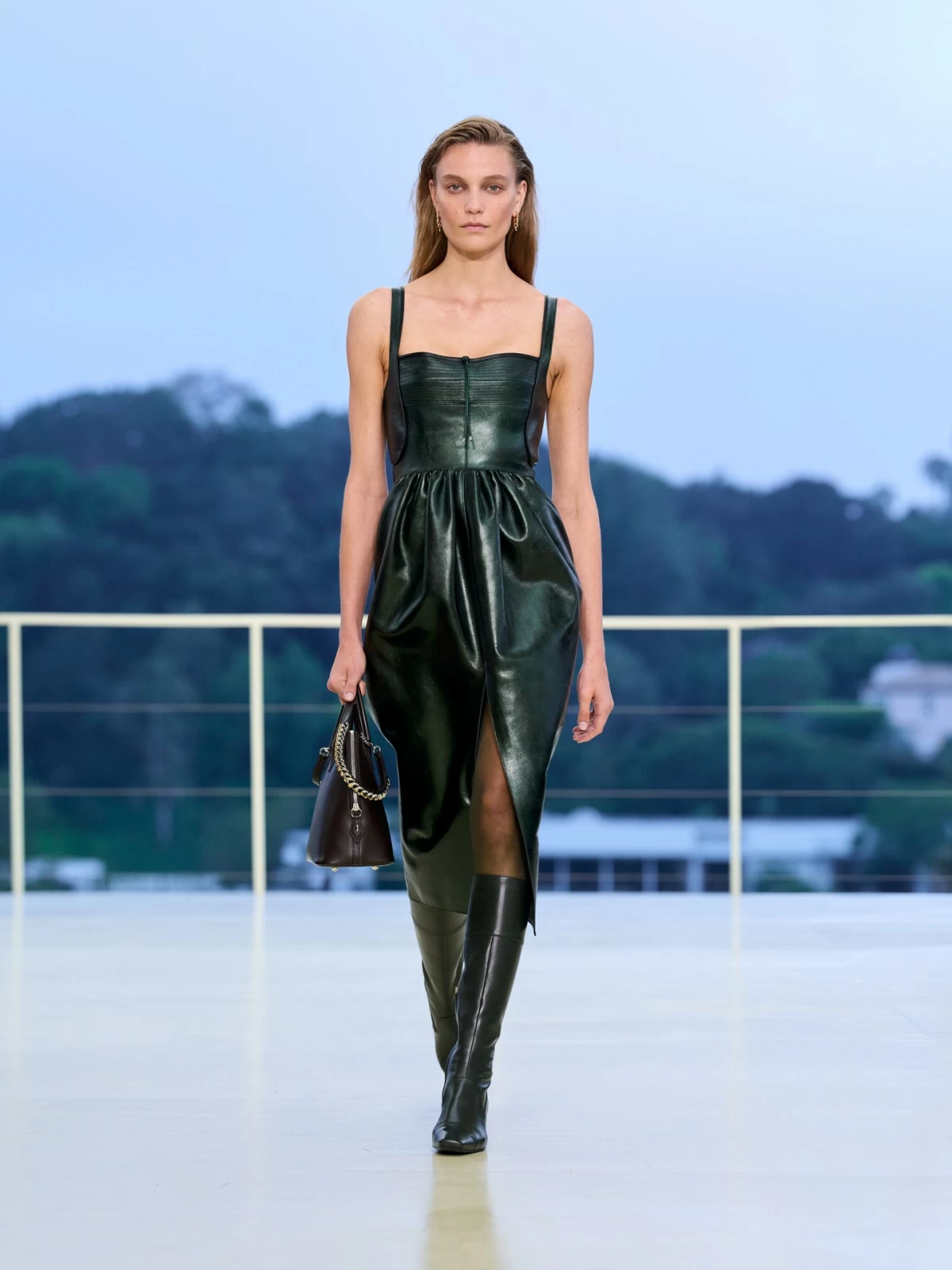
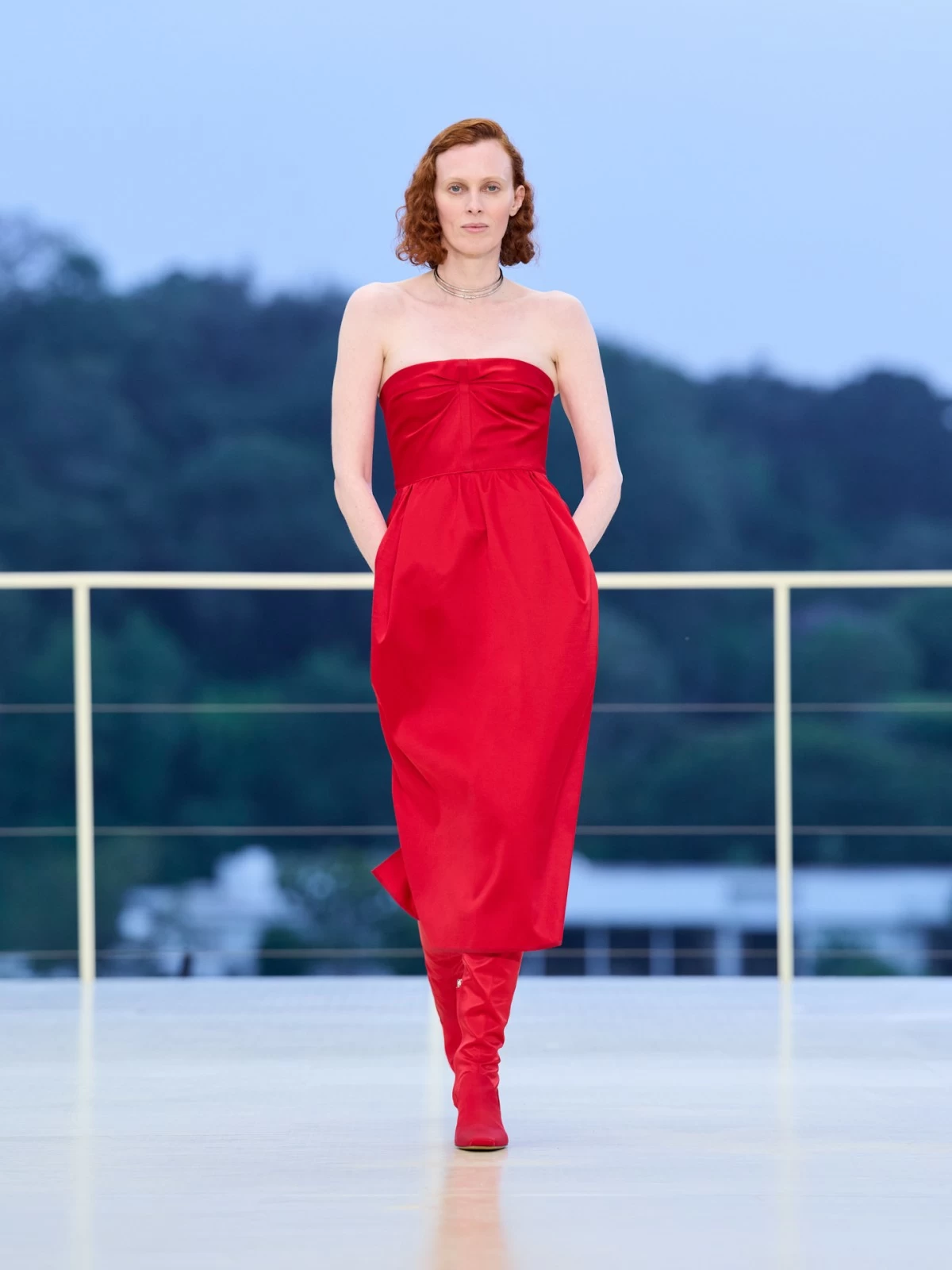
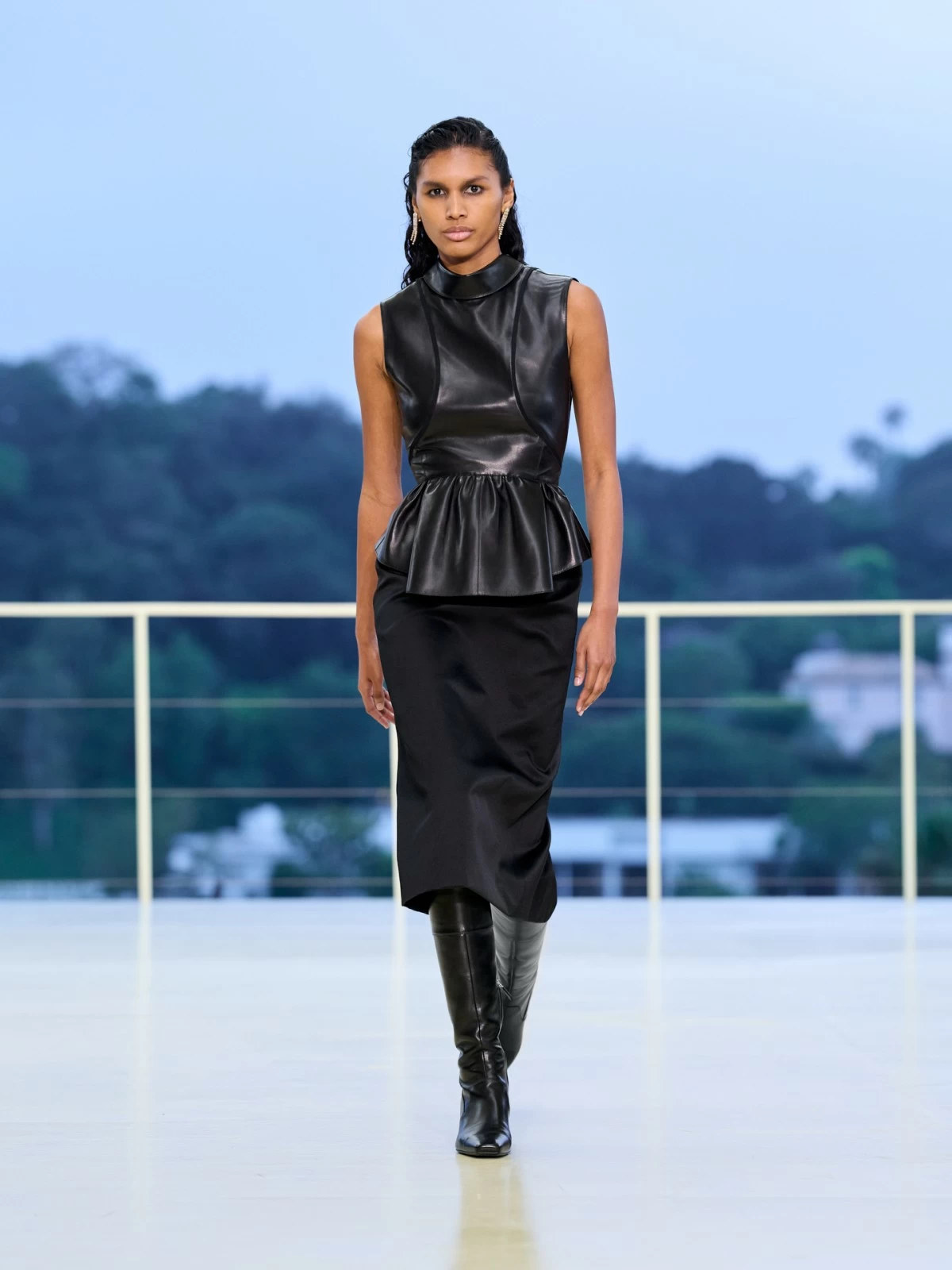
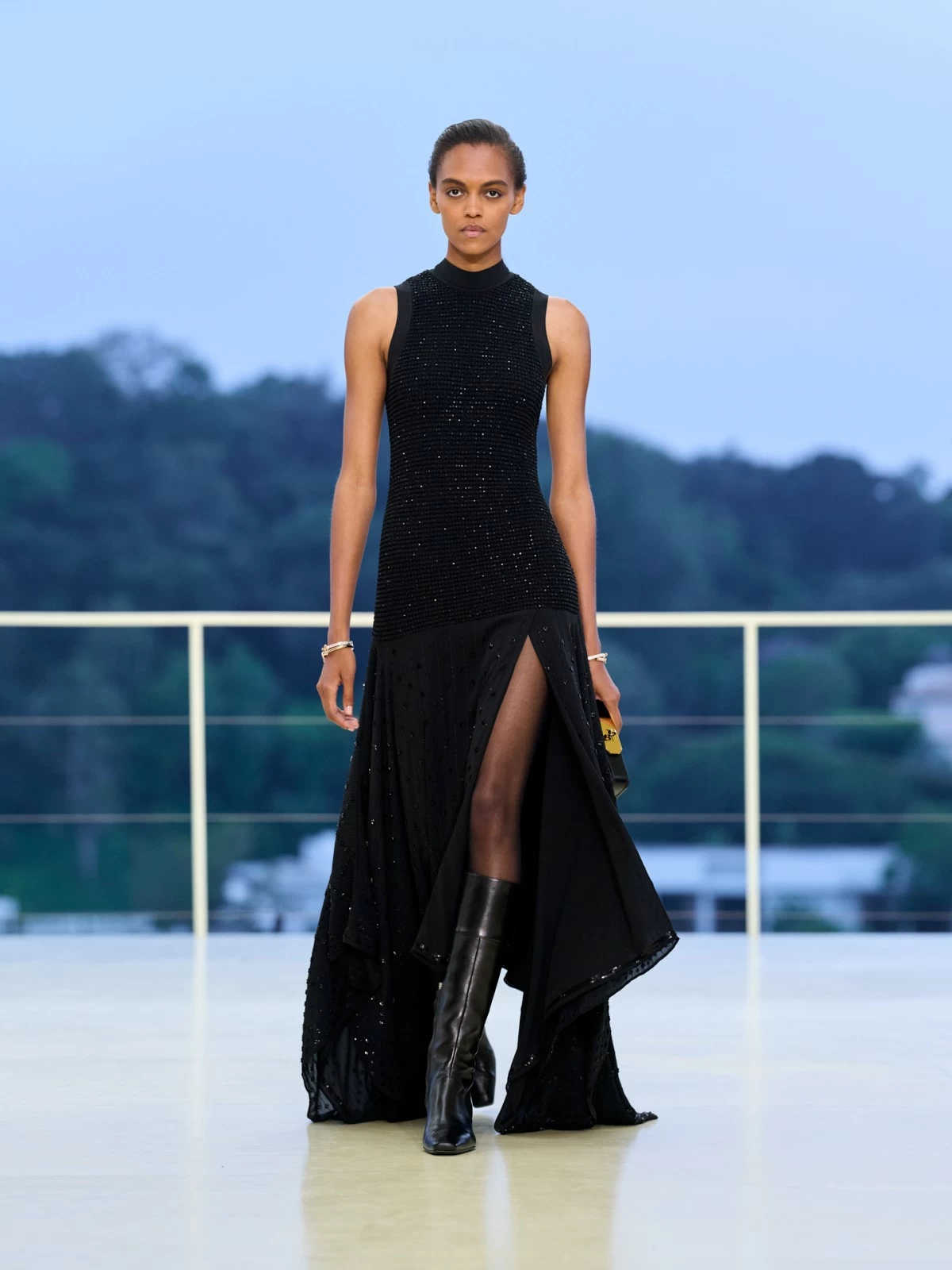
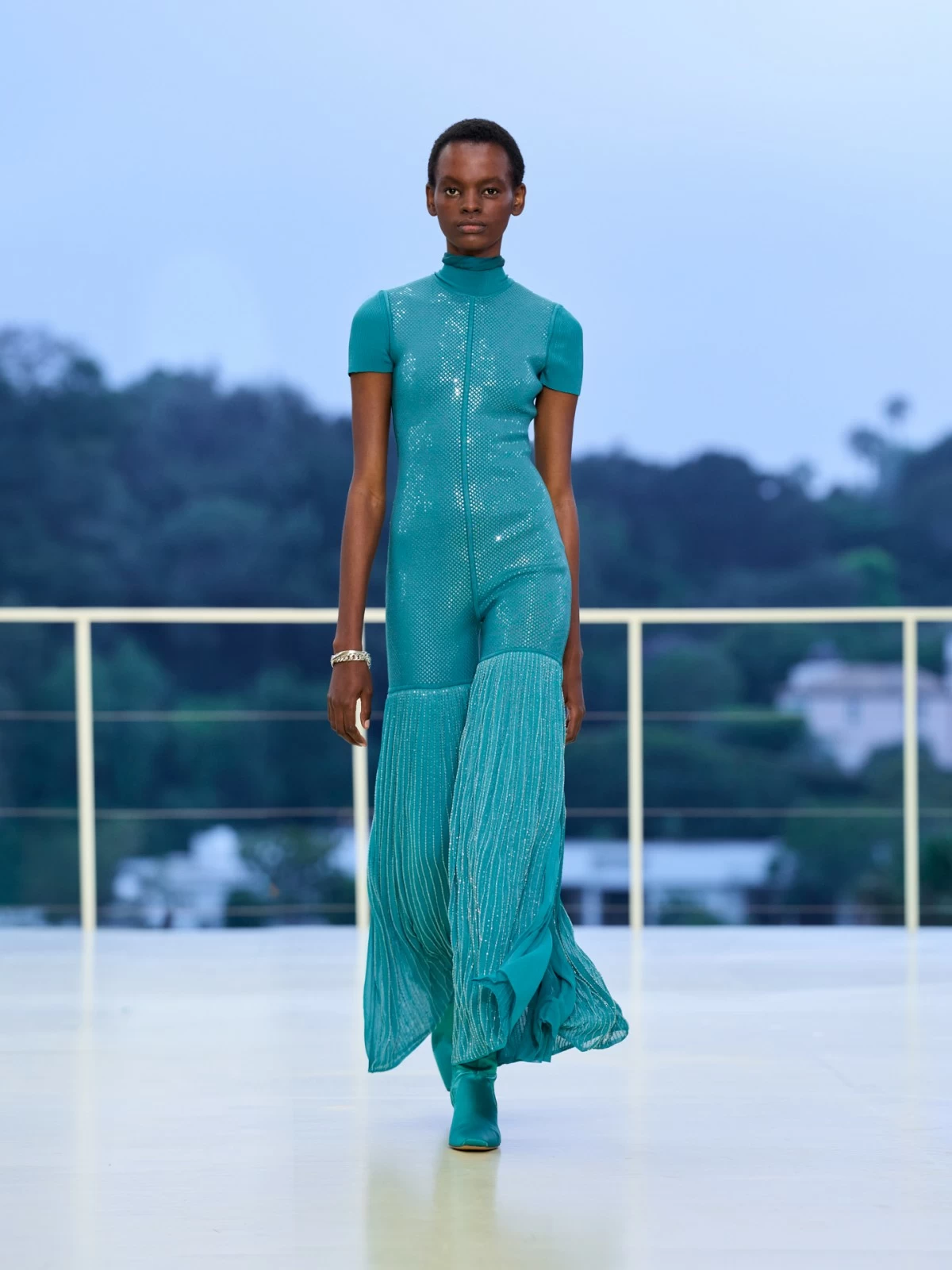
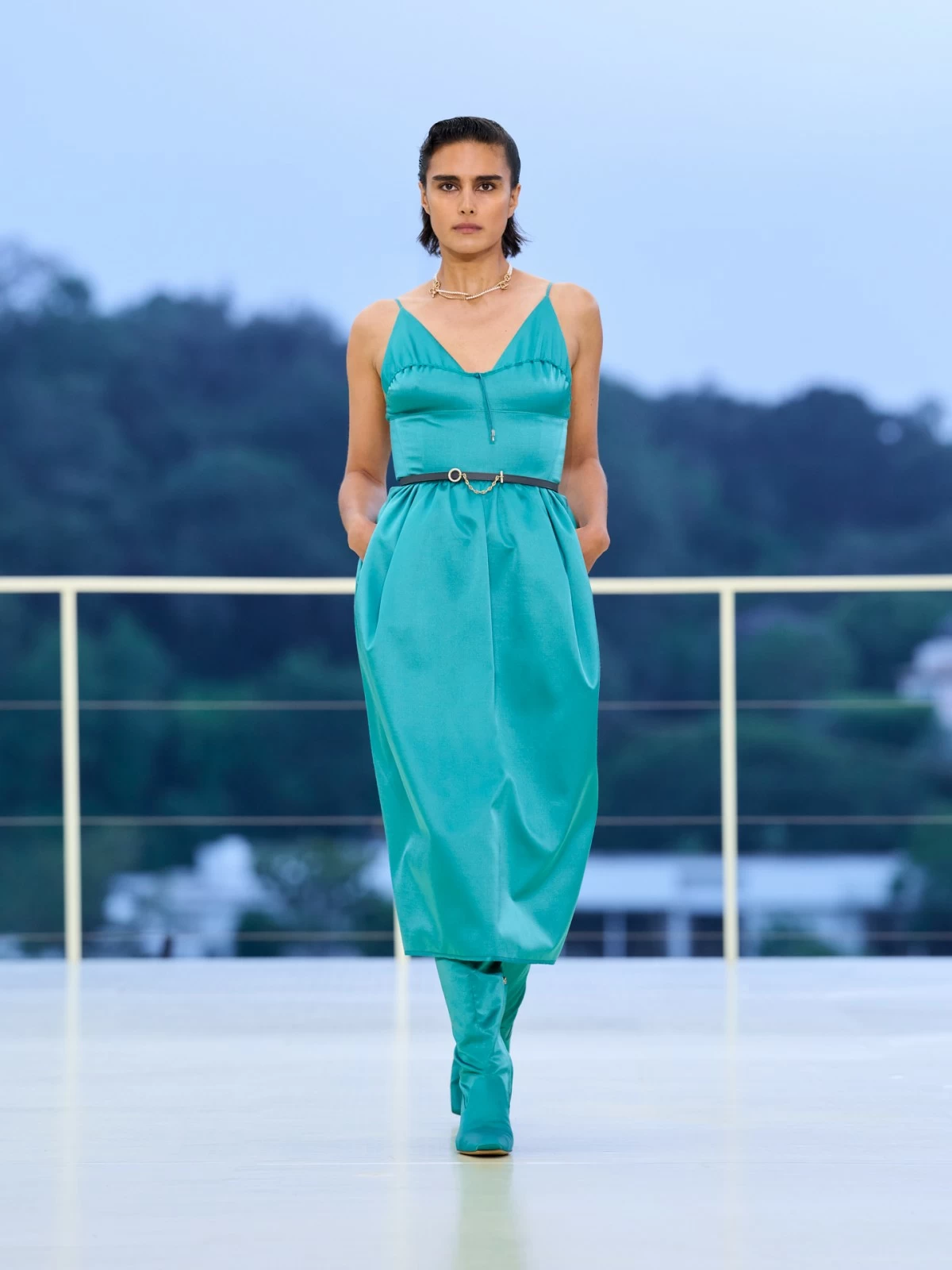
The collection also demonstrated Hermès’ mastery of leather craftsmanship. Signature materials were reimagined into lightweight silhouettes, proving that the house’s heritage can adapt to a wardrobe designed for motion. Fringed details, cutout accents, and intricate stitching added texture without sacrificing the understated elegance that has become a hallmark of Nadège's tenure.
Rather than delivering a spectacle driven by novelty, Hermès focused on refinement and wearability. The result was a collection that celebrated movement, craftsmanship, and contemporary femininity—one that felt equally at home in a dance studio, on city streets, or beneath the golden skies of Los Angeles.