ADVERTISEMENT

AI helps sari-sari stores raise sales—Packworks

Published Jun 10, 2026 10:43 am

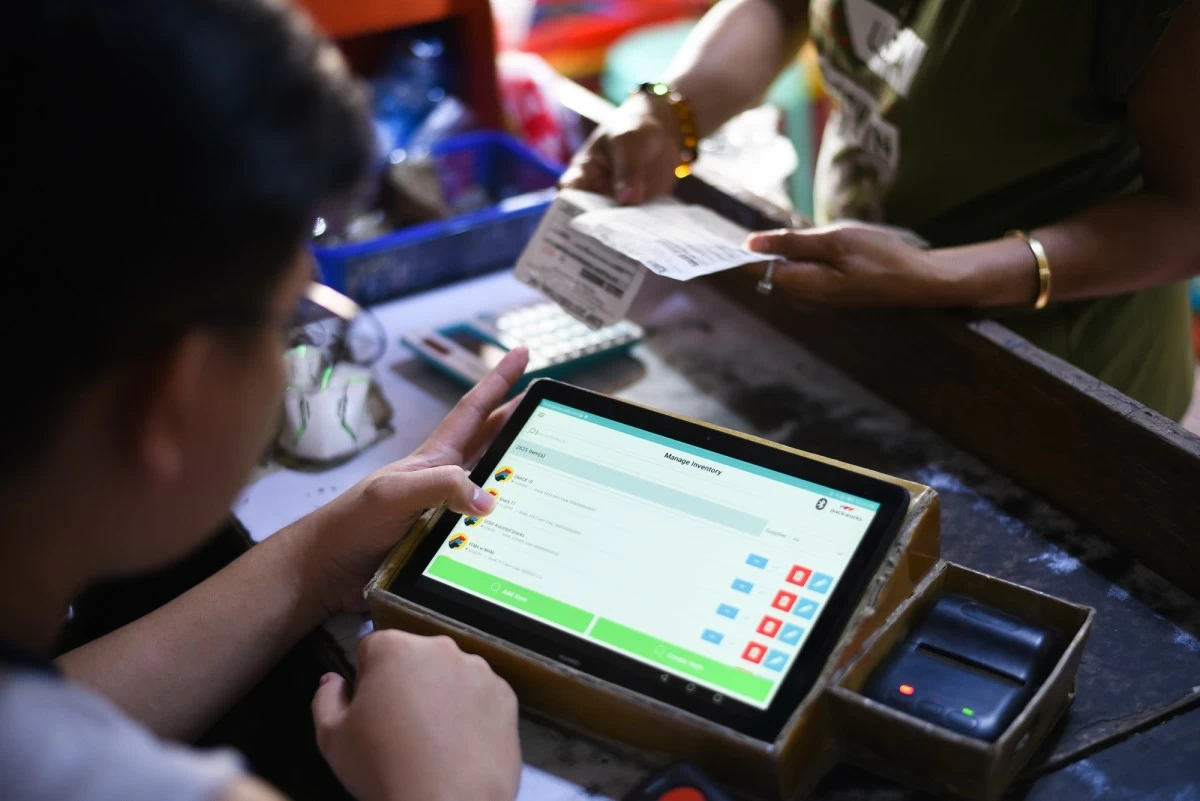
Sari-sari stores using artificial intelligence (AI) for inventory planning recorded higher sales, with median revenue from their top 50 products rising by nearly four-fifths, according to Filipino technology startup Packworks.

In a statement on Wednesday, June 10, Packworks said that the findings of its latest report were based on more than one million monthly transactions across Packworks’ network of 300,000 micro-retailers and covered stores using the company’s AI-powered store insighting project (SIP).

According to the report, median gross merchandise value (GMV) sales of top-selling products increased from ₱187,229 to ₱335,818 per store within two months of adopting the platform.

“Dinagdagan ko ang pag-order ng mga top 10 product na nasa SIP document [I increased my orders for the top 10 products identified in the SIP document],” Elizabeth Veluz, a sari-sari store owner from Camarines Sur province, was quoted by Packworks as saying.

The report also found that stores using SIP data recorded a 47-percent increase in median GMV sales of seasonal products, indicating that store owners were better able to anticipate demand during rainy days, weekends, and other peak buying periods.

“Nakikita rito ang mabebentang produkto, kaya makakapag-stock kami nang marami at maiiwasan ang ‘out of stock’ [The report helps us identify products that will sell well so we can stock more and avoid running out],” Lucia Bongot, a store owner from Cavite province, was quoted as saying.

Sales of slower-moving products also improved, with median GMV rising by 96 percent from ₱7,361.60 to ₱14,429 after store owners used SIP insights to manage inventory and promote less popular items.

Overall, stores using the platform’s data analytics tools posted a 29-percent increase in median total sales and a 20-percent rise in the median number of transactions.

“Our findings show that when data is democratized, we give grassroots entrepreneurs the power to chart their own growth. By equipping sari-sari store owners with the insights to stock smarter and operate efficiently, we are not only boosting individual store sales but expanding access to technology to build a more resilient grassroots economy,” Packworks chief data officer Andoy Montiel said.

SIP was developed through the Department of Science and Technology-Philippine Council for Industry, Energy, and Emerging Technology Research and Development’s (DOST-PCIEERD) Startup Grant Fund Program, which was awarded to Packworks in 2024 to support wider AI adoption among micro-retailers.

Packworks is also working with ST Telemedia Global Data Centres (Philippines) and Ateneo de Manila University’s (ADMU) Business Insights Laboratory for Development (BUILD) on the initiative.

Last May, Packworks and Connected Women won the Activate AI Challenge, a global initiative led by data.org and supported by Zoom. The project was selected as one of six awardees from 500 applicants and was the only Southeast Asian entry recognized among participants from 76 countries.

“Sari-sari stores remain the economic lifeblood of our communities, and women serve as the backbone of this ecosystem,” Packworks co-founder Ibba Bernardo said.

“True innovation must be inclusive, especially with AI. With the help of ecosystem partners such as Connected Women who ensure that there is a human-in-the-loop, Packworks strives to deliver accessible, equitable digital tools directly into the hands of our saripreneurs, to further unlock the full potential of grassroots retail while nurturing these communities for sustainability and scale,” Bernardo added.

Packworks said its efforts to bring AI tools to sari-sari stores support the Philippine Development Plan (PDP) 2023-2028–the medium-term socioeconomic blueprint of the Marcos Jr. administrationwhich promotes digital transformation and emerging technologies to improve productivity as well as expand economic opportunities.

Related Tags

Packworks sari-sari stores artificial intelligence (AI)
ADVERTISEMENT
.most-popular .layout-ratio{ padding-bottom: 79.13%; } @media (min-width: 768px) and (max-width: 1024px) { .widget-title { font-size: 15px !important; } }

{{ articles_filter_1561_widget.title }}

.most-popular .layout-ratio{ padding-bottom: 79.13%; } @media (min-width: 768px) and (max-width: 1024px) { .widget-title { font-size: 15px !important; } }

{{ articles_filter_1562_widget.title }}

.most-popular .layout-ratio{ padding-bottom: 79.13%; } @media (min-width: 768px) and (max-width: 1024px) { .widget-title { font-size: 15px !important; } }

{{ articles_filter_1563_widget.title }}

{{ articles_filter_1564_widget.title }}

.mb-article-details { position: relative; } .mb-article-details .article-body-preview, .mb-article-details .article-body-summary{ font-size: 17px; line-height: 30px; font-family: "Libre Caslon Text", serif; color: #000; } .mb-article-details .article-body-preview iframe , .mb-article-details .article-body-summary iframe{ width: 100%; margin: auto; } .read-more-background { background: linear-gradient(180deg, color(display-p3 1.000 1.000 1.000 / 0) 13.75%, color(display-p3 1.000 1.000 1.000 / 0.8) 30.79%, color(display-p3 1.000 1.000 1.000) 72.5%); position: absolute; height: 200px; width: 100%; bottom: 0; display: flex; justify-content: center; align-items: center; padding: 0; } .read-more-background a{ color: #000; } .read-more-btn { padding: 17px 45px; font-family: Inter; font-weight: 700; font-size: 18px; line-height: 16px; text-align: center; vertical-align: middle; border: 1px solid black; background-color: white; } .hidden { display: none; }
function initializeAllSwipers() { // Get all hidden inputs with cms_article_id document.querySelectorAll('[id^="cms_article_id_"]').forEach(function (input) { const cmsArticleId = input.value; const articleSelector = '#article-' + cmsArticleId + ' .body_images'; const swiperElement = document.querySelector(articleSelector); if (swiperElement && !swiperElement.classList.contains('swiper-initialized')) { new Swiper(articleSelector, { loop: true, pagination: false, navigation: { nextEl: '#article-' + cmsArticleId + ' .swiper-button-next', prevEl: '#article-' + cmsArticleId + ' .swiper-button-prev', }, }); } }); } setTimeout(initializeAllSwipers, 3000); const intersectionObserver = new IntersectionObserver( (entries) => { entries.forEach((entry) => { if (entry.isIntersecting) { const newUrl = entry.target.getAttribute("data-url"); if (newUrl) { history.pushState(null, null, newUrl); let article = entry.target; // Extract metadata const author = article.querySelector('.author-section').textContent.replace('By', '').trim(); const section = article.querySelector('.section-info ').textContent.replace(' ', ' '); const title = article.querySelector('.article-title h1').textContent; // Parse URL for Chartbeat path format const parsedUrl = new URL(newUrl, window.location.origin); const cleanUrl = parsedUrl.host + parsedUrl.pathname; // Update Chartbeat configuration if (typeof window._sf_async_config !== 'undefined') { window._sf_async_config.path = cleanUrl; window._sf_async_config.sections = section; window._sf_async_config.authors = author; } // Track virtual page view with Chartbeat if (typeof pSUPERFLY !== 'undefined' && typeof pSUPERFLY.virtualPage === 'function') { try { pSUPERFLY.virtualPage({ path: cleanUrl, title: title, sections: section, authors: author }); } catch (error) { console.error('ping error', error); } } // Optional: Update document title if (title && title !== document.title) { document.title = title; } } } }); }, { threshold: 0.1 } ); function showArticleBody(button) { const article = button.closest("article"); const summary = article.querySelector(".article-body-summary"); const body = article.querySelector(".article-body-preview"); const readMoreSection = article.querySelector(".read-more-background"); // Hide summary and read-more section summary.style.display = "none"; readMoreSection.style.display = "none"; // Show the full article body body.classList.remove("hidden"); } document.addEventListener("DOMContentLoaded", () => { let loadCount = 0; // Track how many times articles are loaded const offset = [1, 2, 3, 4, 5, 6, 7, 8, 9, 10]; // Offset values const currentUrl = window.location.pathname.substring(1); let isLoading = false; // Prevent multiple calls if (!currentUrl) { console.log("Current URL is invalid."); return; } const sentinel = document.getElementById("load-more-sentinel"); if (!sentinel) { console.log("Sentinel element not found."); return; } function isSentinelVisible() { const rect = sentinel.getBoundingClientRect(); return ( rect.top < window.innerHeight && rect.bottom >= 0 ); } function onScroll() { if (isLoading) return; if (isSentinelVisible()) { if (loadCount >= offset.length) { console.log("Maximum load attempts reached."); window.removeEventListener("scroll", onScroll); return; } isLoading = true; const currentOffset = offset[loadCount]; window.loadMoreItems().then(() => { let article = document.querySelector('#widget_1690 > div:nth-last-of-type(2) article'); intersectionObserver.observe(article) loadCount++; }).catch(error => { console.error("Error loading more items:", error); }).finally(() => { isLoading = false; }); } } window.addEventListener("scroll", onScroll); });

Sign up by email to receive news.