

ADVERTISEMENT

Exporting Zar Donato to the global screen

Witnessing the life of OFWs in Cyprus through the lens of Elias Demetriou's 'Maricel'

Published Jun 9, 2026 10:51 am
The 29th Cine Europa edition last May 30, 2026, brought Elias Demetriou’s “Maricel,” a 120-minute film about an overseas Filipino worker (OFW) played by Zar Donato, as she struggles to live with an elderly couple in a small farm village in Cyprus.

A TOUCHING STORY Zar Donato wants genuine affection for OFWs. (Stills: 'Maricel')
Language barrier, food, culture, and values clash between the Filipina caregiver and the husband and wife tandem played by Dinos Lyras and Lenia Sorokou, who make life harder for the homesick single mother.
“I accepted the project because it gave me an opportunity to honor the stories of OFWs, especially my mother, who works abroad as a caregiver,” confesses Zar. Growing up, she witnessed firsthand the sacrifices made by her mother to give her a better future.
“The experience brought us closer and gave me a deeper sense of gratitude for everything she has done for me,” she explains.
“Maricel,” Elias’ third feature film, won Best International Film at the Manchester Film Festival 2026, and its actors Dinos and Lenia won Best Performance Award at the Cyprus Film Days International Festival.
A film graduate of De La Salle – College of Saint Benilde, Zar was discovered in QCinema’s “Billie and Emma.”
“In ‘Billie and Emma,’ I felt like I was telling a story that was close to my own experience as a queer person,” relates Zar, who was born on International Women’s Day. “Many of Billie’s emotions and struggles were things I could personally relate to.”
With “Maricel,” she had to step outside of her own reality and go deeper into the experiences of OFWs. While preparing for the role, she spent time talking to Filipinos living and working in Cyprus. “I asked them about their daily routines, their families, what they missed about home, and how they built a life for themselves in a foreign country,” she muses.
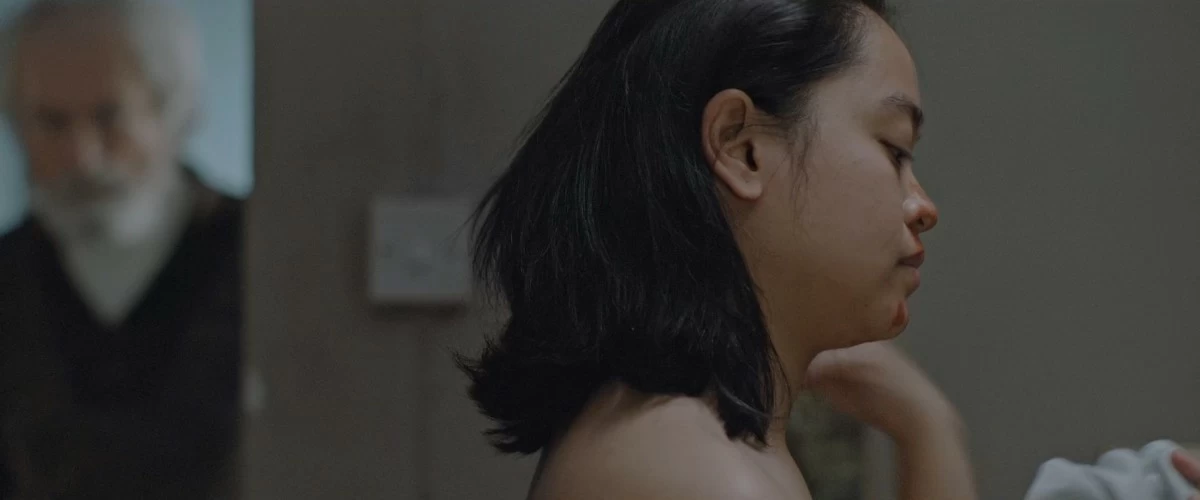
OFW LIFE 'Maricel' reveals the struggles of Filipino caregivers abroad.
One thing that touched her was the Sunday picnic gathering of the Filipinos after church. “It was a beautiful reminder that even when people are far from home, they find ways to create community and belonging.”
Before filming, Zar and Elias spent a month doing script readings over video calls. When the 29-year-old talent arrived in Cyprus, she continued to work together with co-lead cast Dinos and Lenia.
“What made the experience special was how much we shared with one another, not just as actors, but as people,” Zar recalls. “We exchanged stories about our cultures, taught each other words from our languages, and built a genuine connection.” Sharing scenes with them was a gift of learning for Zar.
Tilda Swinton and Dolly de Leon are the actresses she looks up to. “Tilda has an incredible ability to transform herself completely from one role to another, often taking on characters that are unconventional, fantastical, or androgynous while still making them feel deeply human,” says the Manila-based DJ.
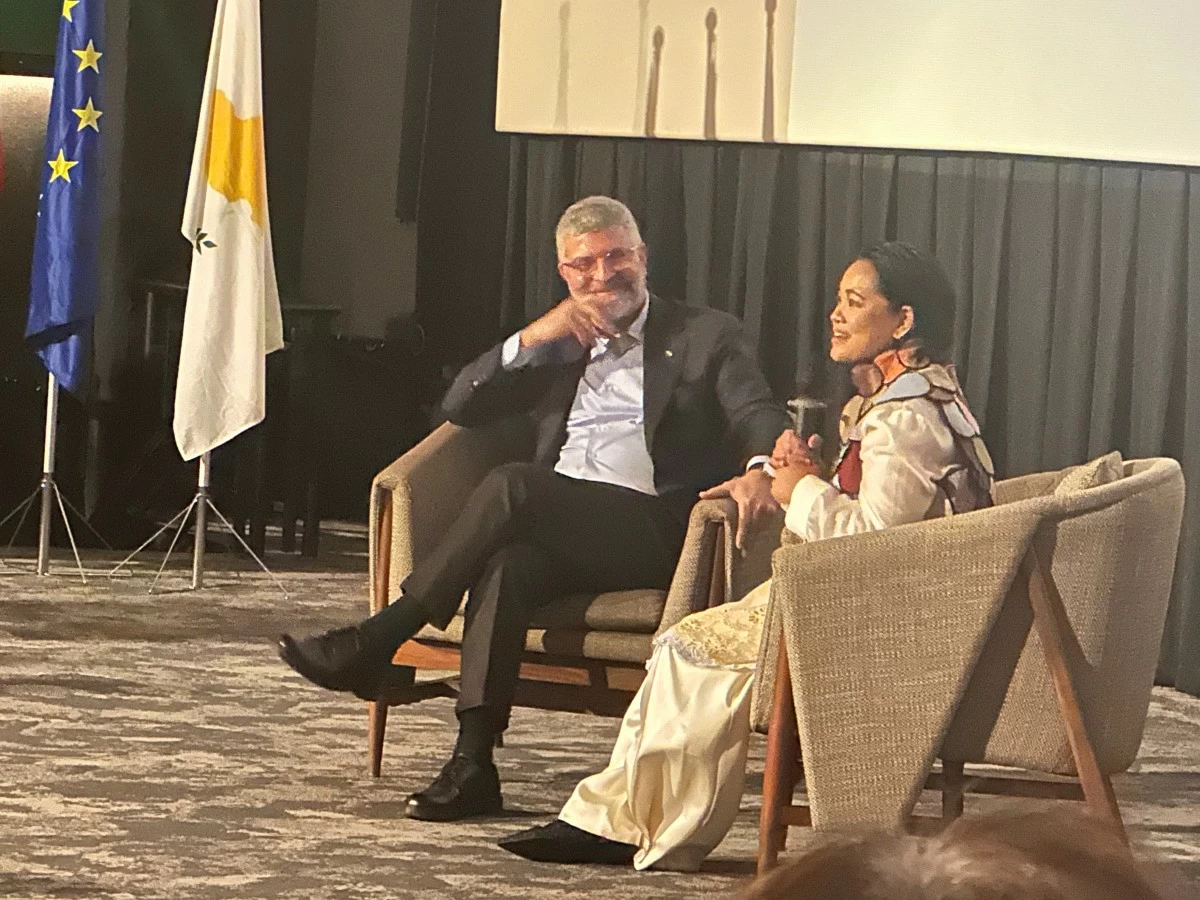
MEET THE CAST 'Maricel' lead star Zar Donato (Photo courtesy of Rica Arevalo)
“Dolly de Leon, on the other hand, taught me a lot through direct experience,” she blurts. They both worked in “Billie and Emma.” “Even between takes, she carried the character’s presence so convincingly that it brought back memories of my own school days, when the nuns at my elementary school felt intimidating and larger than life.”
“Maricel” is uniquely Filipino, but it is also universal. It was written by a Cypriot director who grew up with a Filipino caregiver whom he considers family.
“More than anything, I hope audiences will leave with greater empathy,” she pleads. “Whether someone is a domestic worker, caregiver, migrant worker, or employer, we all want the same things: dignity, connection, and a place where we feel we belong.”
“Maricel” is a Filipino story told through a foreign lens, but one that is rooted in genuine affection and understanding.
What is in store for her after “Maricel”? “I also have another Cypriot film coming soon called ‘Kino Kalo,’ which translates to ‘Common Good,’" she replies. “It's a project I'm incredibly proud of, and I'm excited for audiences to see it.”
Exporting a global talent like Zar is so worth it, proudly Philippine-made!

Related Tags

Arts and Culture Maricel Zar Donato Elias Demetriou
ADVERTISEMENT
.most-popular .layout-ratio{ padding-bottom: 79.13%; } @media (min-width: 768px) and (max-width: 1024px) { .widget-title { font-size: 15px !important; } }

{{ articles_filter_1561_widget.title }}

.most-popular .layout-ratio{ padding-bottom: 79.13%; } @media (min-width: 768px) and (max-width: 1024px) { .widget-title { font-size: 15px !important; } }

{{ articles_filter_1562_widget.title }}

.most-popular .layout-ratio{ padding-bottom: 79.13%; } @media (min-width: 768px) and (max-width: 1024px) { .widget-title { font-size: 15px !important; } }

{{ articles_filter_1563_widget.title }}

{{ articles_filter_1564_widget.title }}

.mb-article-details { position: relative; } .mb-article-details .article-body-preview, .mb-article-details .article-body-summary{ font-size: 17px; line-height: 30px; font-family: "Libre Caslon Text", serif; color: #000; } .mb-article-details .article-body-preview iframe , .mb-article-details .article-body-summary iframe{ width: 100%; margin: auto; } .read-more-background { background: linear-gradient(180deg, color(display-p3 1.000 1.000 1.000 / 0) 13.75%, color(display-p3 1.000 1.000 1.000 / 0.8) 30.79%, color(display-p3 1.000 1.000 1.000) 72.5%); position: absolute; height: 200px; width: 100%; bottom: 0; display: flex; justify-content: center; align-items: center; padding: 0; } .read-more-background a{ color: #000; } .read-more-btn { padding: 17px 45px; font-family: Inter; font-weight: 700; font-size: 18px; line-height: 16px; text-align: center; vertical-align: middle; border: 1px solid black; background-color: white; } .hidden { display: none; }
function initializeAllSwipers() { // Get all hidden inputs with cms_article_id document.querySelectorAll('[id^="cms_article_id_"]').forEach(function (input) { const cmsArticleId = input.value; const articleSelector = '#article-' + cmsArticleId + ' .body_images'; const swiperElement = document.querySelector(articleSelector); if (swiperElement && !swiperElement.classList.contains('swiper-initialized')) { new Swiper(articleSelector, { loop: true, pagination: false, navigation: { nextEl: '#article-' + cmsArticleId + ' .swiper-button-next', prevEl: '#article-' + cmsArticleId + ' .swiper-button-prev', }, }); } }); } setTimeout(initializeAllSwipers, 3000); const intersectionObserver = new IntersectionObserver( (entries) => { entries.forEach((entry) => { if (entry.isIntersecting) { const newUrl = entry.target.getAttribute("data-url"); if (newUrl) { history.pushState(null, null, newUrl); let article = entry.target; // Extract metadata const author = article.querySelector('.author-section').textContent.replace('By', '').trim(); const section = article.querySelector('.section-info ').textContent.replace(' ', ' '); const title = article.querySelector('.article-title h1').textContent; // Parse URL for Chartbeat path format const parsedUrl = new URL(newUrl, window.location.origin); const cleanUrl = parsedUrl.host + parsedUrl.pathname; // Update Chartbeat configuration if (typeof window._sf_async_config !== 'undefined') { window._sf_async_config.path = cleanUrl; window._sf_async_config.sections = section; window._sf_async_config.authors = author; } // Track virtual page view with Chartbeat if (typeof pSUPERFLY !== 'undefined' && typeof pSUPERFLY.virtualPage === 'function') { try { pSUPERFLY.virtualPage({ path: cleanUrl, title: title, sections: section, authors: author }); } catch (error) { console.error('ping error', error); } } // Optional: Update document title if (title && title !== document.title) { document.title = title; } } } }); }, { threshold: 0.1 } ); function showArticleBody(button) { const article = button.closest("article"); const summary = article.querySelector(".article-body-summary"); const body = article.querySelector(".article-body-preview"); const readMoreSection = article.querySelector(".read-more-background"); // Hide summary and read-more section summary.style.display = "none"; readMoreSection.style.display = "none"; // Show the full article body body.classList.remove("hidden"); } document.addEventListener("DOMContentLoaded", () => { let loadCount = 0; // Track how many times articles are loaded const offset = [1, 2, 3, 4, 5, 6, 7, 8, 9, 10]; // Offset values const currentUrl = window.location.pathname.substring(1); let isLoading = false; // Prevent multiple calls if (!currentUrl) { console.log("Current URL is invalid."); return; } const sentinel = document.getElementById("load-more-sentinel"); if (!sentinel) { console.log("Sentinel element not found."); return; } function isSentinelVisible() { const rect = sentinel.getBoundingClientRect(); return ( rect.top < window.innerHeight && rect.bottom >= 0 ); } function onScroll() { if (isLoading) return; if (isSentinelVisible()) { if (loadCount >= offset.length) { console.log("Maximum load attempts reached."); window.removeEventListener("scroll", onScroll); return; } isLoading = true; const currentOffset = offset[loadCount]; window.loadMoreItems().then(() => { let article = document.querySelector('#widget_1690 > div:nth-last-of-type(2) article'); intersectionObserver.observe(article) loadCount++; }).catch(error => { console.error("Error loading more items:", error); }).finally(() => { isLoading = false; }); } } window.addEventListener("scroll", onScroll); });

Sign up by email to receive news.