ADVERTISEMENT

Expert calls Japan-Philippines maritime talks 'big step'

Published Jun 9, 2026 12:56 pm
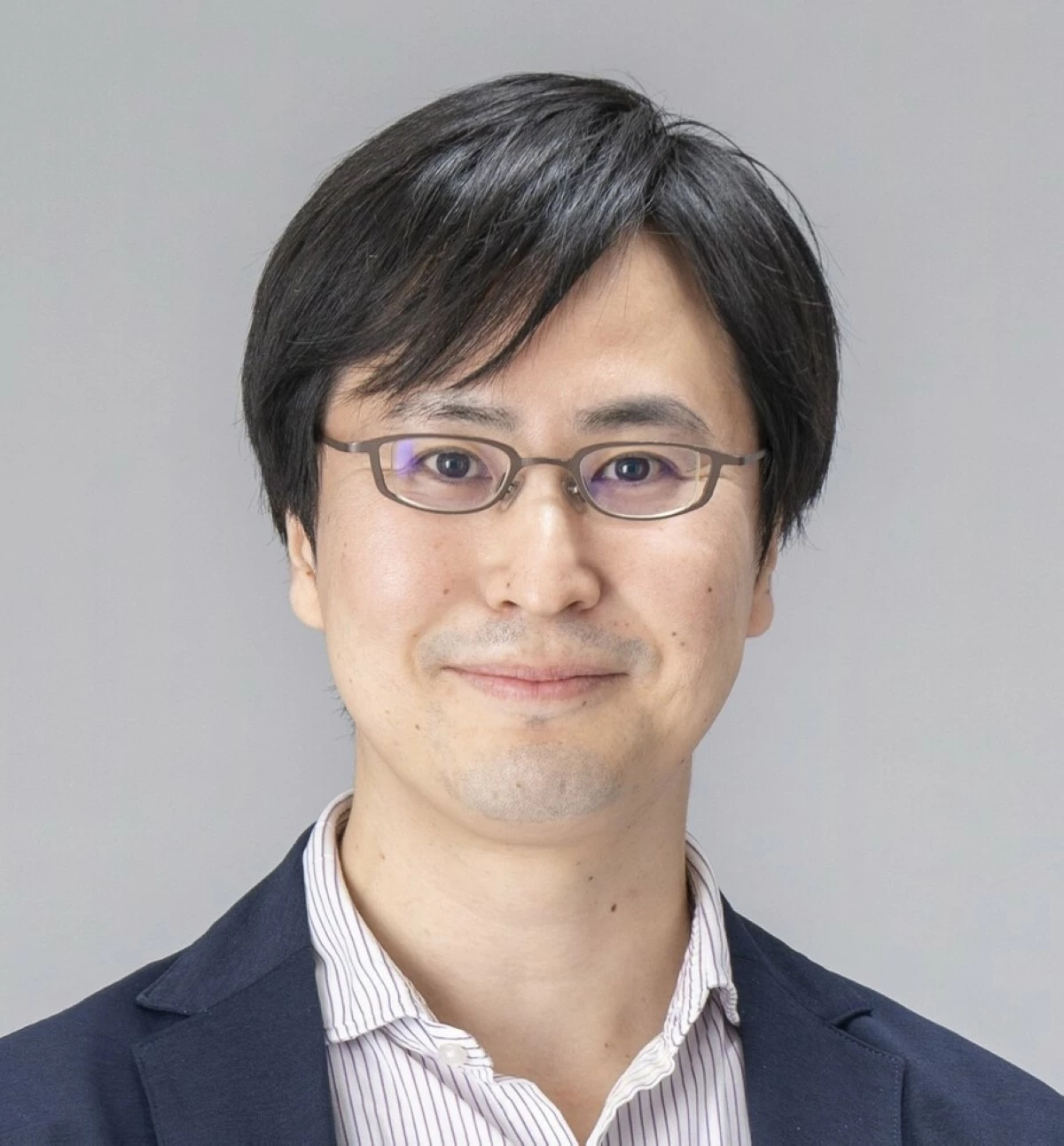
Makoto Seta, professor at Waseda University
A decision made by Japan and the Philippines late last month to begin talks to delimit a maritime boundary between the two countries represents a "big step" forward, Makoto Seta, an expert on the law of the sea and professor at Japan's Waseda University, said.
China's criticism that such talks are illegal was based on flimsy legal grounds in terms of international law, Seta said in an interview with Jiji Press.
The U.N. Convention on the Law of the Sea, or UNCLOS, recognizes each country has an exclusive economic zone of 200 nautical miles from its coasts.
The distance between Yonaguni and Hateruma islands in Okinawa Prefecture, southern Japan, and Mavulis Island in the northern part of the Philippines is less than 400 nautical miles. The EEZs of Japan and the Philippines overlap off eastern Taiwan, presenting the possibility that the boundary may be drawn within Taiwan's EEZ.
China, which considers Taiwan part of its territory, has criticized the Japan-Philippines negotiations, claiming that Beijing's participation is essential and that the talks are completely illegal and invalid.
Seta said it is common for two countries to delimit their boundary first and then negotiate with a third-party country, even if there is an overlap in the three nations' EEZs. As there is no need to start negotiations involving all parties concerned all at once under international law, Seta said that China's claims are "unreasonable."
Taiwan has asked Japan and the Philippines for talks. While acknowledging the possibility of holding fishery talks with Taiwan, Seta said that EEZ delimitation talks between Japan and the Philippines are expected to take precedence.
If Japan and the Philippines settle their boundary talks amicably, that would clarify the operating areas of fishing boats from the two countries.
Seta also said that such an outcome would mean that Tokyo and Manila had settled their boundary issue based on UNCLOS, highlighting the Philippines' stance to abide by international law amid its territorial disputes with China over the South China Sea.
In past cases, Japan has delimited its maritime boundary with South Korea through a bilateral continental shelf agreement that entered into force in 1978.
While Japan and South Korea had agreed to demarcate the border line around the Tsushima Strait, they have shelved the border demarcation in the East China Sea for 50 years due to differences in views.
With the Tokyo-Seoul agreement set to expire in 2028, Japan may start negotiations with South Korea.
"Japan going through the boundary delimitation process will be meaningful," Seta said of the talks with the Philippines.

Related Tags

NATIONAL NEWS Japan-Philippines maritime talks
ADVERTISEMENT
.most-popular .layout-ratio{ padding-bottom: 79.13%; } @media (min-width: 768px) and (max-width: 1024px) { .widget-title { font-size: 15px !important; } }

{{ articles_filter_1561_widget.title }}

.most-popular .layout-ratio{ padding-bottom: 79.13%; } @media (min-width: 768px) and (max-width: 1024px) { .widget-title { font-size: 15px !important; } }

{{ articles_filter_1562_widget.title }}

.most-popular .layout-ratio{ padding-bottom: 79.13%; } @media (min-width: 768px) and (max-width: 1024px) { .widget-title { font-size: 15px !important; } }

{{ articles_filter_1563_widget.title }}

{{ articles_filter_1564_widget.title }}

.mb-article-details { position: relative; } .mb-article-details .article-body-preview, .mb-article-details .article-body-summary{ font-size: 17px; line-height: 30px; font-family: "Libre Caslon Text", serif; color: #000; } .mb-article-details .article-body-preview iframe , .mb-article-details .article-body-summary iframe{ width: 100%; margin: auto; } .read-more-background { background: linear-gradient(180deg, color(display-p3 1.000 1.000 1.000 / 0) 13.75%, color(display-p3 1.000 1.000 1.000 / 0.8) 30.79%, color(display-p3 1.000 1.000 1.000) 72.5%); position: absolute; height: 200px; width: 100%; bottom: 0; display: flex; justify-content: center; align-items: center; padding: 0; } .read-more-background a{ color: #000; } .read-more-btn { padding: 17px 45px; font-family: Inter; font-weight: 700; font-size: 18px; line-height: 16px; text-align: center; vertical-align: middle; border: 1px solid black; background-color: white; } .hidden { display: none; }
function initializeAllSwipers() { // Get all hidden inputs with cms_article_id document.querySelectorAll('[id^="cms_article_id_"]').forEach(function (input) { const cmsArticleId = input.value; const articleSelector = '#article-' + cmsArticleId + ' .body_images'; const swiperElement = document.querySelector(articleSelector); if (swiperElement && !swiperElement.classList.contains('swiper-initialized')) { new Swiper(articleSelector, { loop: true, pagination: false, navigation: { nextEl: '#article-' + cmsArticleId + ' .swiper-button-next', prevEl: '#article-' + cmsArticleId + ' .swiper-button-prev', }, }); } }); } setTimeout(initializeAllSwipers, 3000); const intersectionObserver = new IntersectionObserver( (entries) => { entries.forEach((entry) => { if (entry.isIntersecting) { const newUrl = entry.target.getAttribute("data-url"); if (newUrl) { history.pushState(null, null, newUrl); let article = entry.target; // Extract metadata const author = article.querySelector('.author-section').textContent.replace('By', '').trim(); const section = article.querySelector('.section-info ').textContent.replace(' ', ' '); const title = article.querySelector('.article-title h1').textContent; // Parse URL for Chartbeat path format const parsedUrl = new URL(newUrl, window.location.origin); const cleanUrl = parsedUrl.host + parsedUrl.pathname; // Update Chartbeat configuration if (typeof window._sf_async_config !== 'undefined') { window._sf_async_config.path = cleanUrl; window._sf_async_config.sections = section; window._sf_async_config.authors = author; } // Track virtual page view with Chartbeat if (typeof pSUPERFLY !== 'undefined' && typeof pSUPERFLY.virtualPage === 'function') { try { pSUPERFLY.virtualPage({ path: cleanUrl, title: title, sections: section, authors: author }); } catch (error) { console.error('ping error', error); } } // Optional: Update document title if (title && title !== document.title) { document.title = title; } } } }); }, { threshold: 0.1 } ); function showArticleBody(button) { const article = button.closest("article"); const summary = article.querySelector(".article-body-summary"); const body = article.querySelector(".article-body-preview"); const readMoreSection = article.querySelector(".read-more-background"); // Hide summary and read-more section summary.style.display = "none"; readMoreSection.style.display = "none"; // Show the full article body body.classList.remove("hidden"); } document.addEventListener("DOMContentLoaded", () => { let loadCount = 0; // Track how many times articles are loaded const offset = [1, 2, 3, 4, 5, 6, 7, 8, 9, 10]; // Offset values const currentUrl = window.location.pathname.substring(1); let isLoading = false; // Prevent multiple calls if (!currentUrl) { console.log("Current URL is invalid."); return; } const sentinel = document.getElementById("load-more-sentinel"); if (!sentinel) { console.log("Sentinel element not found."); return; } function isSentinelVisible() { const rect = sentinel.getBoundingClientRect(); return ( rect.top < window.innerHeight && rect.bottom >= 0 ); } function onScroll() { if (isLoading) return; if (isSentinelVisible()) { if (loadCount >= offset.length) { console.log("Maximum load attempts reached."); window.removeEventListener("scroll", onScroll); return; } isLoading = true; const currentOffset = offset[loadCount]; window.loadMoreItems().then(() => { let article = document.querySelector('#widget_1690 > div:nth-last-of-type(2) article'); intersectionObserver.observe(article) loadCount++; }).catch(error => { console.error("Error loading more items:", error); }).finally(() => { isLoading = false; }); } } window.addEventListener("scroll", onScroll); });

Sign up by email to receive news.