







Why the world's oceans are in deep trouble
Published Jun 8, 2026 12:09 pm


Every June 8, the global community commemorates World Oceans Day to raise awareness of the essential role oceans play in supporting life and to advocate for their conservation and sustainable management.
The idea was first proposed in 1992 by Canada’s International Centre for Ocean Development and the Ocean Institute of Canada during the Earth Summit in Rio de Janeiro. The United Nations formally recognized it in 2008, and it is now observed by all UN member-states, including the Philippines.
This year’s theme is “REIMAGINE: Beyond the World We Know, A New Relationship with our Ocean.” The UN explained:
"For the first time in a generation, humanity has chosen to govern a significant part of our shared ocean together. The entry into force of the High Seas Treaty is not the end of negotiation but the beginning of a transformation that no treaty alone can complete.
“(The theme) asks us to close that distance together. To move from passive inheritors of the ocean’s generosity to active guardians of its future. To govern not just beyond our borders but beyond our blind spots, beyond the habits of taking, operating in silos, and the belief that the way things have been is the way they must remain.”
Why so much concern about oceans? Earth has five major oceans: the Pacific, Atlantic, Indian, Southern, and Arctic. All of them are in deep trouble!
“Once thought to be so vast and resilient that no level of human assault could damage them, the oceans are now crying out for attention,” the Washington-based Worldwatch Institute lamented.
“The world’s oceans are in danger, and the enormity of the challenge is bigger than one country or organization,” the World Bank said in a statement during the World Oceans Summit held in Singapore several years ago.
From a spatial perspective, the Earth is predominantly made up of water, with land appearing secondary. “Oceans cover nearly 71 percent of the earth’s surface, and their deepest trenches plunge farther below sea level than Mount Everest climbs above it,” wrote Worldwatch’s Peter Weber. “They contain 97 percent of the water on earth, and more than 10,000 times as much as all the world’s freshwater lakes and rivers combined.”
Since life first emerged on Earth, the oceans have served as the ecological foundation of the biosphere. Their greatest contribution to the planet, however, was the emergence of life itself.
Scientists theorize that the earliest organisms were bacteria that originated in the ocean depths about four billion years ago. These bacteria became the evolutionary precursors of all later life forms and helped establish the conditions necessary for life to evolve.
“Only around one-tenth of 115 million square miles of the sea floor has been explored and chartered,” wrote Donald Hinrichsen, award-winning journalist and author of “Coastal Waters of the World: Trends, Threats, and Strategies.”
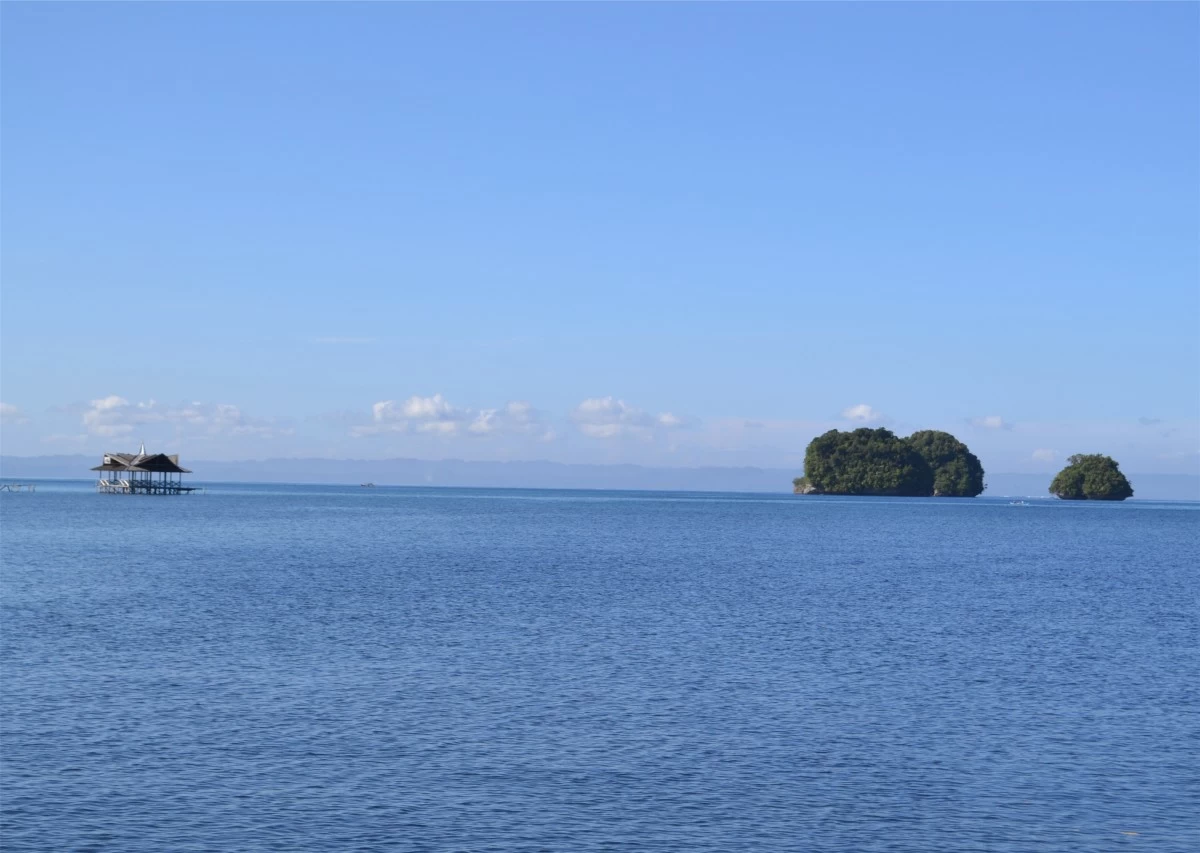
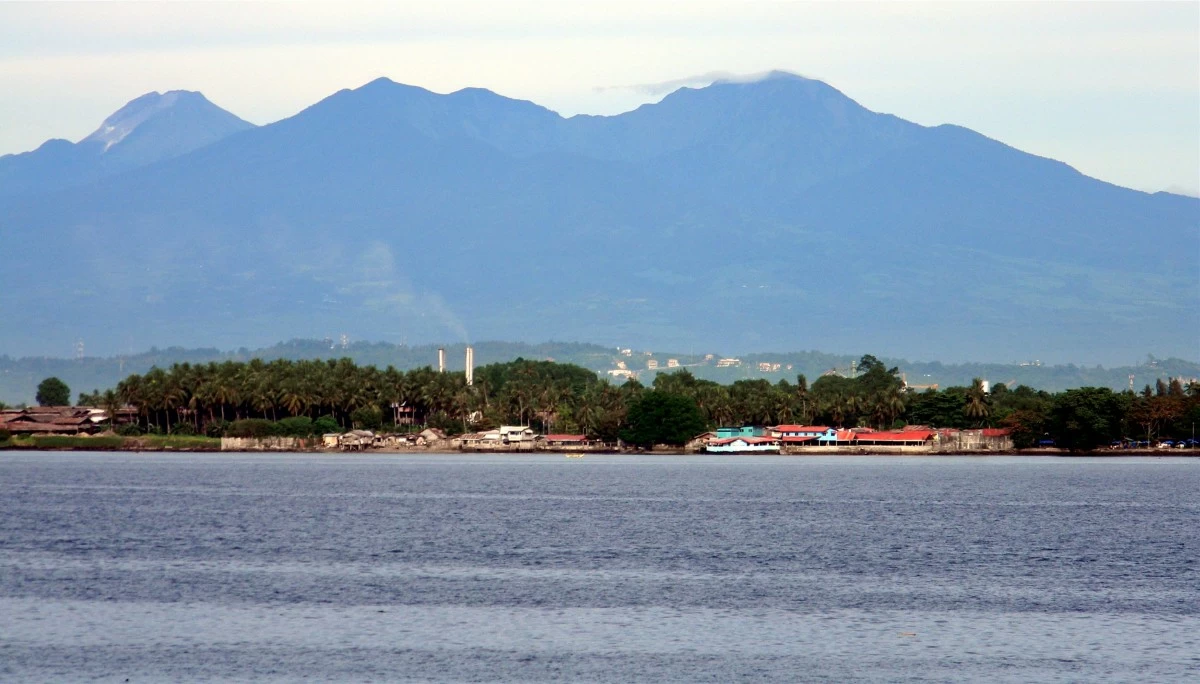
Where water exists, development goes with it.
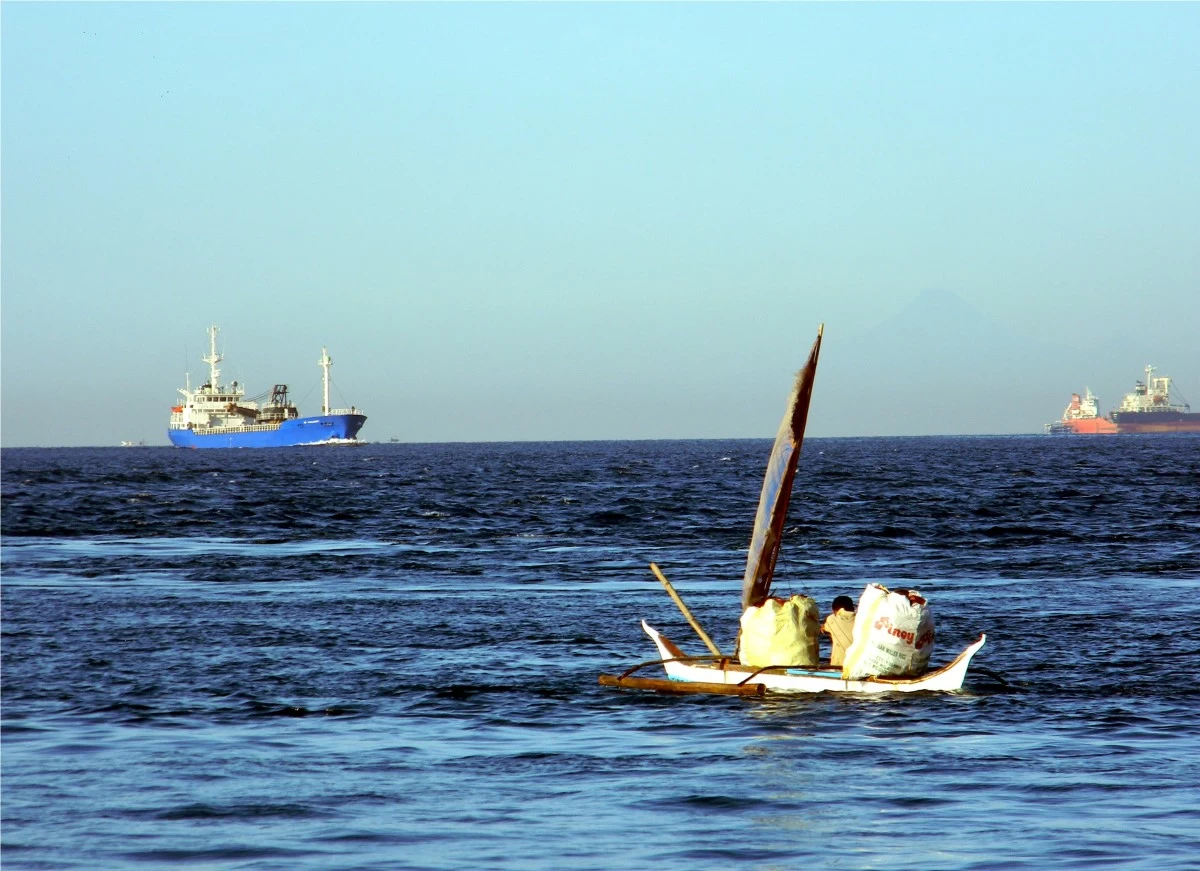
Shipping activities are increasing.
Some marine scientists estimated that the sea floor alone may contain up to 10 million species, most of them still undiscovered. “But no one knows for sure,” Hinrichsen pointed out. “The ocean is our last great frontier.”
However, this “last great frontier” may not remain so long because of humanity’s continuing emissions of greenhouse gases such as carbon dioxide and methane. These gases not only accumulate in the atmosphere and contribute to climate change, they also settle into the oceans, causing acidification.
Scientists estimate that between 25 percent and 50 percent of carbon dioxide emissions since the start of industrialization have been absorbed by the world's oceans, helping slow the buildup of atmospheric carbon dioxide.
“Two hundred years ago, the amount of carbon dioxide in the ocean was around 200 ppm (parts per million). Now it is nearly 400 ppm. If people continue their business as usual, the United Nations’ Intergovernmental Panel for Climate Change (IPCC) predicts that it will be more than 500 ppm at the end of the century,” explained Dr. Edgardo Gomez, founding director of the University of the Philippines Marine Science Institute.
Dr. Gomez said ocean acidification may be gradual but will occur simultaneously across the globe. He warned that it could become worse than the acidification of agricultural lands caused by chemical fertilizers.
“Land is more manageable,” he said. “With the use of organic fertilizer and chemicals, land can easily recover. But once the ocean becomes acidic, it would take millions of years to bring back its natural state.”
According to a study published in the journal “Science,” the current acidification may be worse than during four major mass extinctions in history when natural carbon releases from asteroid impacts and volcanic eruptions caused global temperatures to soar.
“We know that life during past ocean acidification events was not wiped out – new species evolved to replace those that died off,” noted Dr. Barbel Honisch, paleoceanographer at Columbia University’s Lamont-Doherty Earth Observatory and lead author of the study. “But if carbon emissions continue at the current pace, we may lose organisms we care about – coral reefs, oysters, salmon.”
Dr. Honisch and colleagues said the current rate of ocean acidification is at least 10 times faster than it was 56 million years ago. “The geological record suggests that the current acidification is potentially unparalleled in at least the last 300 million years of Earth history and raises the possibility that we are entering an unknown territory of marine ecosystem change,” said co-author Dr. Andy Ridgwell of Bristol University.
The IPCC has indicated that the ocean is experiencing the most significant effects of warming within the climate system, resulting in direct and well-documented physical and biogeochemical impacts.
Projected impacts of continued warming through 2050 include: a reduction in seasonal ice zones, with the potential disappearance of Arctic summer sea ice by about 2037; increased stratification of ocean layers, leading to oxygen depletion; and a higher frequency of anoxic and hypoxic (low-oxygen) events.
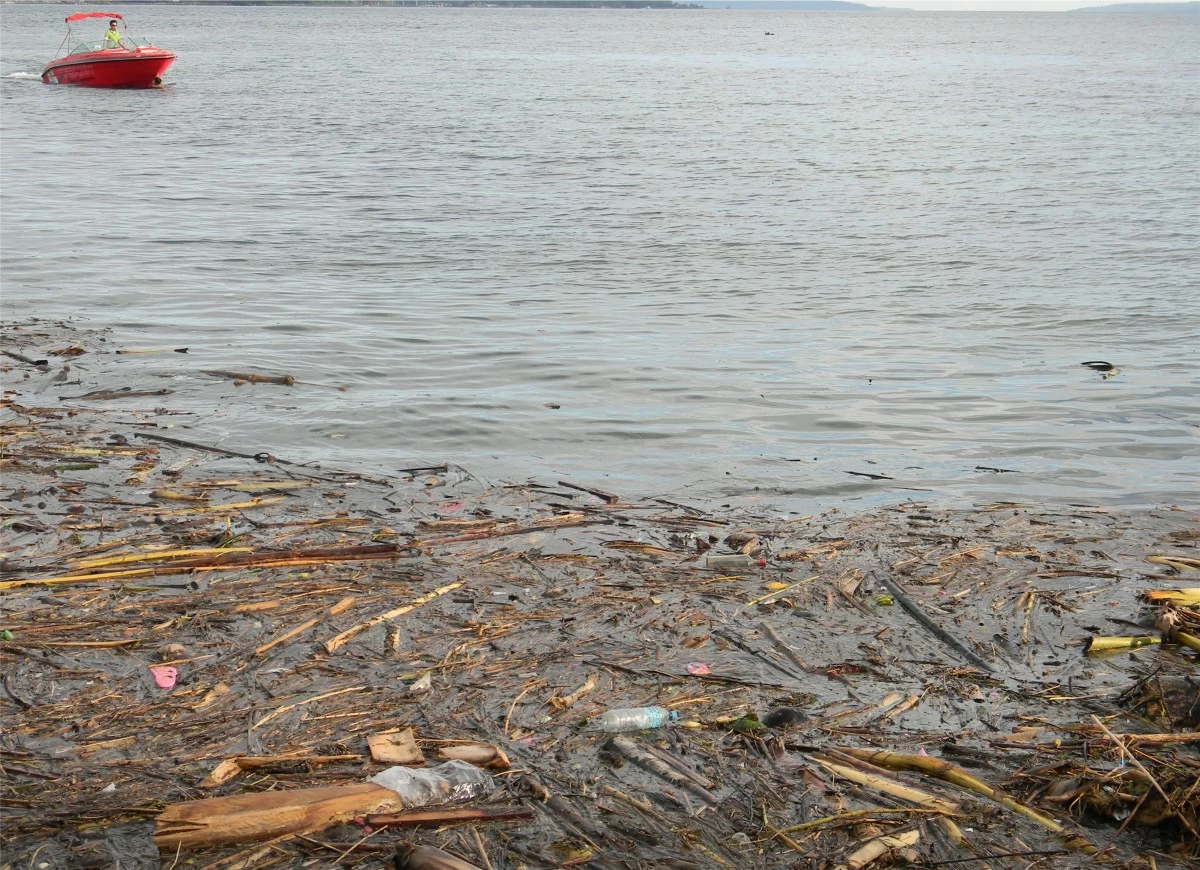
Growing amounts of litter have been found in the marine environment.
Garbage, oil spills and overfishing
In addition to these issues, about 270,000 tons of plastic, enough to fill more than 38,500 garbage trucks, is currently adrift in the world's oceans, according to a study by the 5 Gyres Institute, an organization dedicated to reducing plastic pollution in marine environments.
The finding aligns with a previous study by researchers in Spain who used a different methodology. That study estimated that “there were between 7,000 and 35,000 tons of plastics of this size floating in the ocean.”
These plastics are expected to persist. “Plastics persist for up to 50 years and, because they are usually buoyant, they are widely distributed by ocean currents and wind,” notes the Washington, D.C.-based World Resources Institute.
Oil is another major marine contaminant. The sinking of a Caltex oil tanker in Limay, Bataan, in 1990 comes to mind. Although the spill was significantly smaller than the 11 million gallons released by the Exxon Valdez in Alaska in 1989. It gave Filipinos a glimpse of the dangers associated with oil spills.
Ongoing overfishing continues to erode the resilience of ocean ecosystems. Despite some improvements, mostly in developed regions, fisheries management remains inadequate to prevent the decline of critical species and the degradation of ecosystems that support marine life.
“For the first time in this century, world marine fish catches are declining,” Greenpeace said. “Many of the world’s formerly productive fisheries are seriously depleted, and some have collapsed due to overfishing.”