ADVERTISEMENT

Explainer: What Phivolcs earthquake intensity levels tell us

Published Jun 8, 2026 04:16 pm

At A Glance

  • To describe how strongly an earthquake is felt in a specific area, the Philippine Institute of Volcanology and Seismology (Phivolcs) uses the Phivolcs Earthquake Intensity Scale (PEIS), which measures the observed effects of shaking.
  • Unlike magnitude, which refers to energy released at the source, intensity reflects how the earthquake is experienced on the ground.
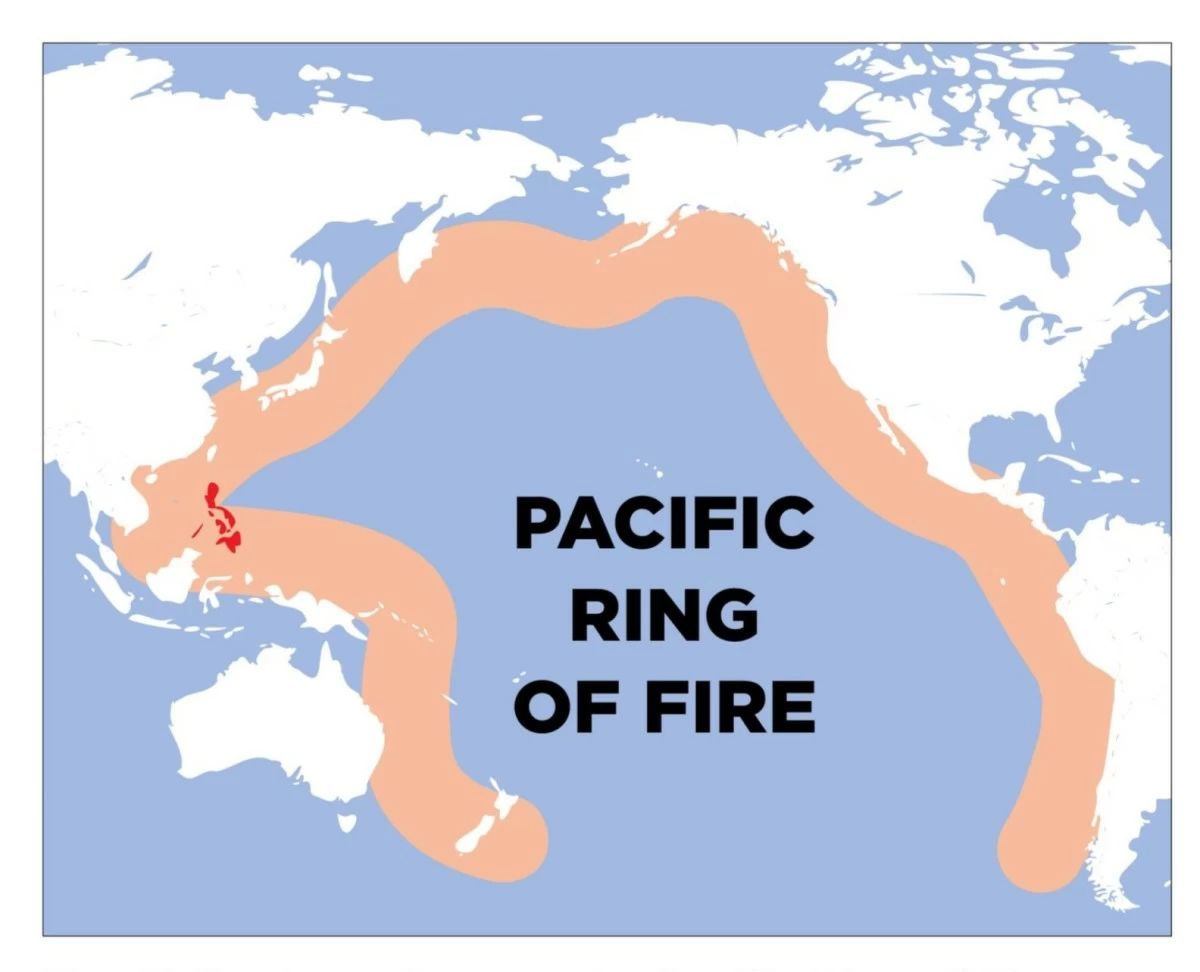
Earthquakes occur regularly in the Philippines due to its location along the Pacific Ring of Fire, where several tectonic plates meet and move.
These movements generate seismic activity of different strengths across the country.
Some shaking is barely noticeable, while other tremors are strong enough to rattle buildings or cause damage, depending on location and ground conditions.
To describe how strongly an earthquake is felt in a specific area, the Philippine Institute of Volcanology and Seismology (Phivolcs) uses the Phivolcs Earthquake Intensity Scale (PEIS), which measures the observed effects of shaking.
Unlike magnitude, which refers to energy released at the source, intensity reflects how the earthquake is experienced on the ground.
A single earthquake can produce different intensity levels in different areas, with stronger shaking often felt closer to the epicenter or in places with softer ground conditions.
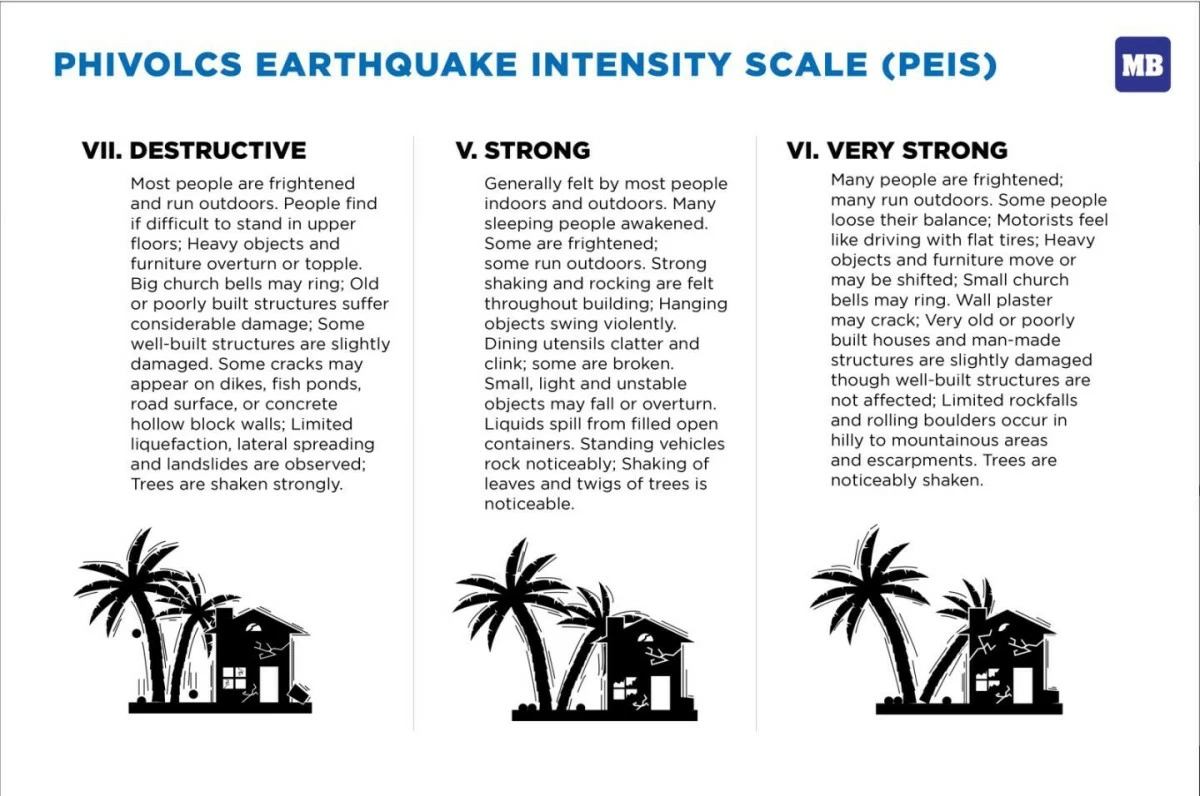
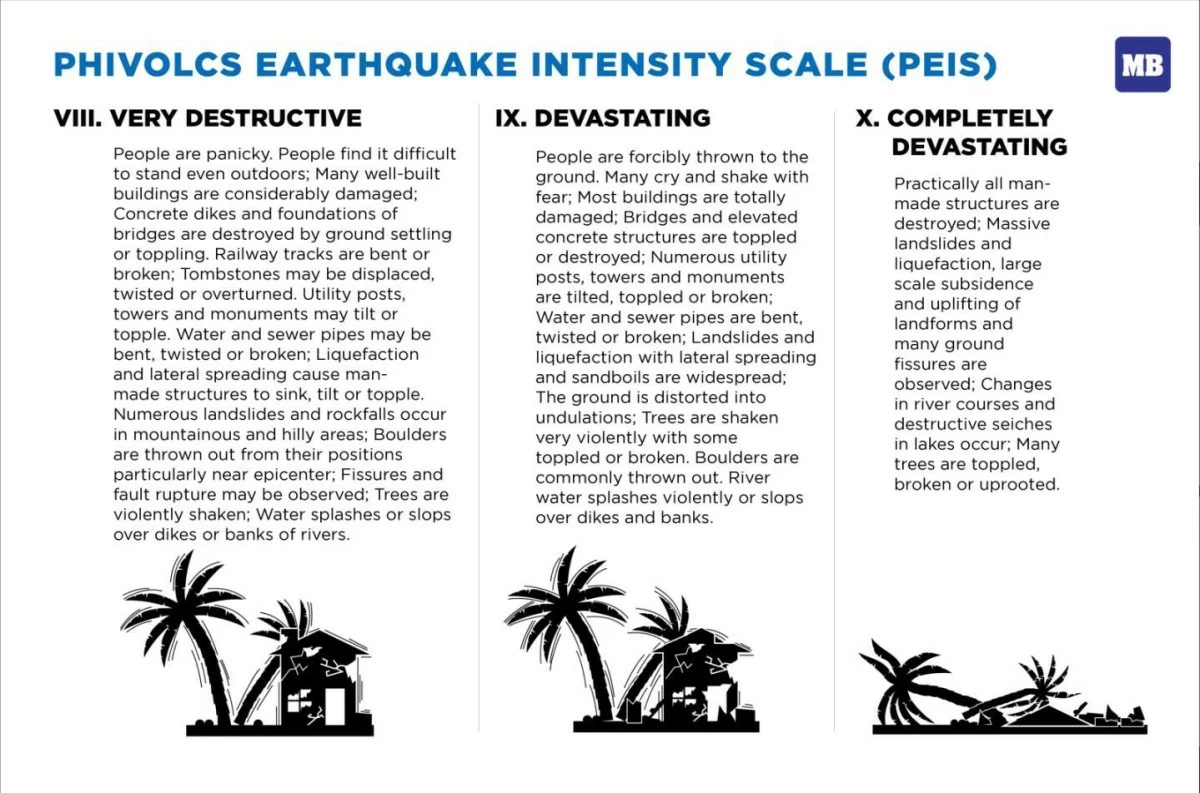
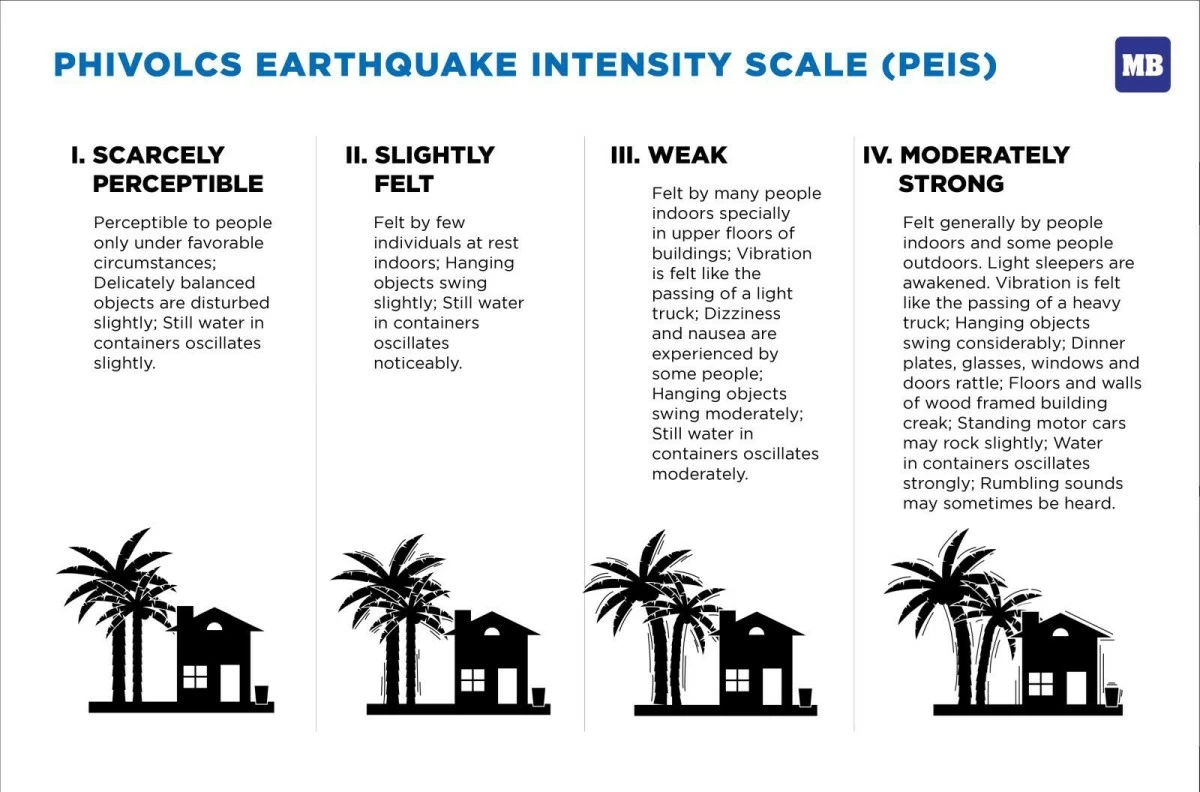
The PEIS has 10 levels, ranging from Intensity I, which represents the weakest shaking and least impact, to Intensity X, which indicates the strongest and most destructive ground shaking.
* Intensity I (Scarcely perceptible) – Felt only under favorable conditions. Light, delicately balanced objects are slightly disturbed. Water in containers moves very slowly.
* Intensity II (Slightly felt) – Felt by a few people at rest indoors. Hanging objects sway slightly, and water in containers shows noticeable movement.
* Intensity III (Weak) – Felt by many indoors, especially in upper floors. Motion is similar to a passing light truck. Some may feel dizziness. Hanging objects sway moderately.
* Intensity IV (Moderately strong) – Felt indoors and by some outdoors. Light sleepers are awakened. Hanging objects swing noticeably. Windows, doors, and glassware may rattle. Parked vehicles may rock slightly.
* Intensity V (Strong) – Generally felt by most people. Many are awakened or alarmed. Strong shaking is felt throughout buildings. Small objects may fall, and liquids may spill. Trees and vehicles visibly move.
* Intensity VI (Very strong) – Some people lose balance. Furniture may move. Weak structures may sustain slight damage. Motorists may feel like driving on flat tires. Minor ground effects may occur in some areas.
* Intensity VII (Destructive) – It becomes difficult to stand. Poorly built structures may suffer considerable damage. Some well-built buildings may be slightly affected. Cracks may appear on roads and walls. Landslides and liquefaction may occur.
* Intensity VIII (Very destructive) – Many well-built structures are damaged. Bridges and utility systems may be affected. Ground cracks, landslides, and rockfalls may occur. Trees may be violently shaken.
* Intensity IX (Devastating) – Widespread destruction of buildings and infrastructure. Bridges may collapse. Ground deformation and widespread landslides occur. Trees may be uprooted.
* Intensity X (Completely devastating) – Almost all structures are destroyed. Large-scale ground deformation occurs, including fissures, landslides, and changes in river courses.
Phivolcs compiles intensity reports using eyewitness accounts, observed impacts, and instrument readings after an earthquake to help authorities evaluate damage, guide response efforts, and improve preparedness measures.
(Graphics courtesy of Jepoy Soriano, Chino Andin, Aaron Villanueva, Jolo Flores, Naizer Dahuya)

Related Tags

PHIVOLCS EARTHQUAKE INTENSITY PHIVOLCS EARTHQUAKE INTENSITY SCALE
ADVERTISEMENT
.most-popular .layout-ratio{ padding-bottom: 79.13%; } @media (min-width: 768px) and (max-width: 1024px) { .widget-title { font-size: 15px !important; } }

{{ articles_filter_1561_widget.title }}

.most-popular .layout-ratio{ padding-bottom: 79.13%; } @media (min-width: 768px) and (max-width: 1024px) { .widget-title { font-size: 15px !important; } }

{{ articles_filter_1562_widget.title }}

.most-popular .layout-ratio{ padding-bottom: 79.13%; } @media (min-width: 768px) and (max-width: 1024px) { .widget-title { font-size: 15px !important; } }

{{ articles_filter_1563_widget.title }}

{{ articles_filter_1564_widget.title }}

.mb-article-details { position: relative; } .mb-article-details .article-body-preview, .mb-article-details .article-body-summary{ font-size: 17px; line-height: 30px; font-family: "Libre Caslon Text", serif; color: #000; } .mb-article-details .article-body-preview iframe , .mb-article-details .article-body-summary iframe{ width: 100%; margin: auto; } .read-more-background { background: linear-gradient(180deg, color(display-p3 1.000 1.000 1.000 / 0) 13.75%, color(display-p3 1.000 1.000 1.000 / 0.8) 30.79%, color(display-p3 1.000 1.000 1.000) 72.5%); position: absolute; height: 200px; width: 100%; bottom: 0; display: flex; justify-content: center; align-items: center; padding: 0; } .read-more-background a{ color: #000; } .read-more-btn { padding: 17px 45px; font-family: Inter; font-weight: 700; font-size: 18px; line-height: 16px; text-align: center; vertical-align: middle; border: 1px solid black; background-color: white; } .hidden { display: none; }
function initializeAllSwipers() { // Get all hidden inputs with cms_article_id document.querySelectorAll('[id^="cms_article_id_"]').forEach(function (input) { const cmsArticleId = input.value; const articleSelector = '#article-' + cmsArticleId + ' .body_images'; const swiperElement = document.querySelector(articleSelector); if (swiperElement && !swiperElement.classList.contains('swiper-initialized')) { new Swiper(articleSelector, { loop: true, pagination: false, navigation: { nextEl: '#article-' + cmsArticleId + ' .swiper-button-next', prevEl: '#article-' + cmsArticleId + ' .swiper-button-prev', }, }); } }); } setTimeout(initializeAllSwipers, 3000); const intersectionObserver = new IntersectionObserver( (entries) => { entries.forEach((entry) => { if (entry.isIntersecting) { const newUrl = entry.target.getAttribute("data-url"); if (newUrl) { history.pushState(null, null, newUrl); let article = entry.target; // Extract metadata const author = article.querySelector('.author-section').textContent.replace('By', '').trim(); const section = article.querySelector('.section-info ').textContent.replace(' ', ' '); const title = article.querySelector('.article-title h1').textContent; // Parse URL for Chartbeat path format const parsedUrl = new URL(newUrl, window.location.origin); const cleanUrl = parsedUrl.host + parsedUrl.pathname; // Update Chartbeat configuration if (typeof window._sf_async_config !== 'undefined') { window._sf_async_config.path = cleanUrl; window._sf_async_config.sections = section; window._sf_async_config.authors = author; } // Track virtual page view with Chartbeat if (typeof pSUPERFLY !== 'undefined' && typeof pSUPERFLY.virtualPage === 'function') { try { pSUPERFLY.virtualPage({ path: cleanUrl, title: title, sections: section, authors: author }); } catch (error) { console.error('ping error', error); } } // Optional: Update document title if (title && title !== document.title) { document.title = title; } } } }); }, { threshold: 0.1 } ); function showArticleBody(button) { const article = button.closest("article"); const summary = article.querySelector(".article-body-summary"); const body = article.querySelector(".article-body-preview"); const readMoreSection = article.querySelector(".read-more-background"); // Hide summary and read-more section summary.style.display = "none"; readMoreSection.style.display = "none"; // Show the full article body body.classList.remove("hidden"); } document.addEventListener("DOMContentLoaded", () => { let loadCount = 0; // Track how many times articles are loaded const offset = [1, 2, 3, 4, 5, 6, 7, 8, 9, 10]; // Offset values const currentUrl = window.location.pathname.substring(1); let isLoading = false; // Prevent multiple calls if (!currentUrl) { console.log("Current URL is invalid."); return; } const sentinel = document.getElementById("load-more-sentinel"); if (!sentinel) { console.log("Sentinel element not found."); return; } function isSentinelVisible() { const rect = sentinel.getBoundingClientRect(); return ( rect.top < window.innerHeight && rect.bottom >= 0 ); } function onScroll() { if (isLoading) return; if (isSentinelVisible()) { if (loadCount >= offset.length) { console.log("Maximum load attempts reached."); window.removeEventListener("scroll", onScroll); return; } isLoading = true; const currentOffset = offset[loadCount]; window.loadMoreItems().then(() => { let article = document.querySelector('#widget_1690 > div:nth-last-of-type(2) article'); intersectionObserver.observe(article) loadCount++; }).catch(error => { console.error("Error loading more items:", error); }).finally(() => { isLoading = false; }); } } window.addEventListener("scroll", onScroll); });

Sign up by email to receive news.