






 Business
Trade & Industry
DOF, SICPA in talks over ₱13.4-billion fuel marking program
Business
Trade & Industry
DOF, SICPA in talks over ₱13.4-billion fuel marking program
DOF, SICPA in talks over ₱13.4-billion fuel marking program


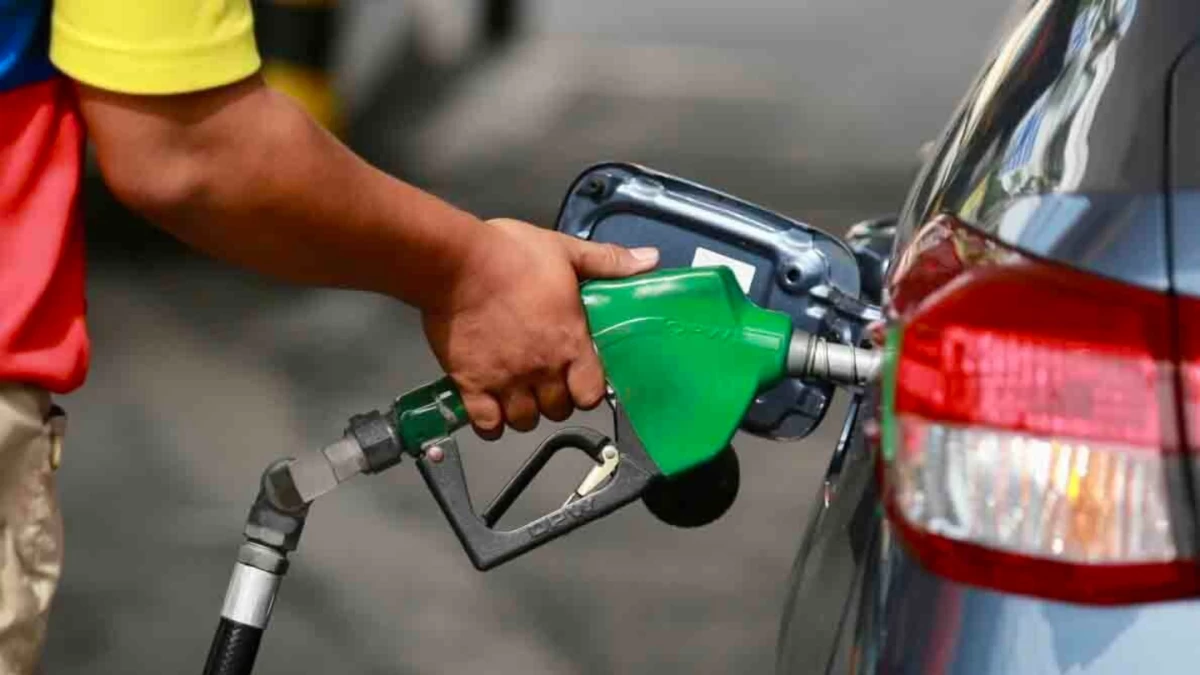
The Department of Finance (DOF) has begun negotiations with Switzerland-based SICPA SA for a proposed ₱13.44-billion fuel marking program extension beyond the expiration of the current contract in mid-2026, ensuring the continuation of a key anti-smuggling initiative that has been in place since 2019.
A customs memorandum circular (CMC) signed by Bureau of Customs (BOC) Commissioner Ariel F. Nepomuceno last June 4 relayed an April 27 special department order (DO) issued by DOF Secretary Frederick D. Go creating a negotiation committee for the unsolicited proposal submitted by SICPA SA.
A ranking DOF official confirmed to Manila Bulletin over the weekend that negotiations are ongoing, although details of the discussions were not immediately available.
According to the Public-Private Partnership (PPP) Center, the proposed project is estimated to cost ₱13.44 billion and remains under negotiation. The PPP Center identified the DOF as the implementing agency and SICPA as the private proponent.
SICPA’s proposal seeks to continue and upgrade the nationwide fuel marking program, which is designed to curb fuel smuggling, misdeclaration, as well as other illicit fuel activities while helping improve government revenue collection.
The fuel marking program requires imported and locally refined gasoline, diesel, as well as kerosene to be marked with a chemical identifier that allows authorities to verify whether the correct duties and taxes have been paid. It also includes field testing to detect smuggled, adulterated, diluted, or otherwise non-compliant fuel products.
The program aims to minimize fuel smuggling and misdeclaration, strengthen revenue collection by the BOC and the Bureau of Internal Revenue (BIR), establish a nationwide monitoring and testing system, promote transparent operating procedures, as well as enhance the capabilities of the country’s two largest tax-collection agencies in enforcing fuel-related regulations.
This project was added to the Marcos Jr. administration’s PPP pipeline in June last year.
The existing fuel marking program is being implemented by a joint venture (JV) between SGS Philippines Inc. and SICPA, which supplies the fuel marker and undertakes the marking of taxable petroleum products. As Manila Bulletin reported earlier, the contract covers a total volume of about 119 billion liters of fuel.
Fuel marking was rolled out in September 2019, albeit after some delays, following the implementation of the Tax Reform for Acceleration and Inclusion (TRAIN) Law in 2018.
Prior to the program’s rollout, government estimates showed that fuel smuggling and misdeclaration were costing state coffers about ₱26.9 billion in foregone revenues annually. Separate estimates by the Manila-based Asian Development Bank (ADB) and industry groups placed potential annual losses even higher.
Petroleum-related duties and taxes have historically accounted for about two-fifths of the BOC’s yearly collections, making fuel marking an important revenue-protection measure.
Under the program, the BOC and the BIR are authorized to conduct field testing and enforcement operations, including the confiscation of unmarked or adulterated fuel products and the apprehension of violators. The BOC oversees fuel marking in depots, warehouses, vessels, and fuel-transport vehicles, while the BIR supervises implementation at refineries, fuel depots, gasoline stations, and other retail outlets.
Fuel marking costs ₱0.06884 per liter, an expense shouldered by oil companies. During the program’s first year of implementation, however, the government absorbed the entire cost.