ADVERTISEMENT

25 years on, EPIRA has worked

Published Jun 8, 2026 12:05 am  |  Updated Jun 7, 2026 04:10 pm
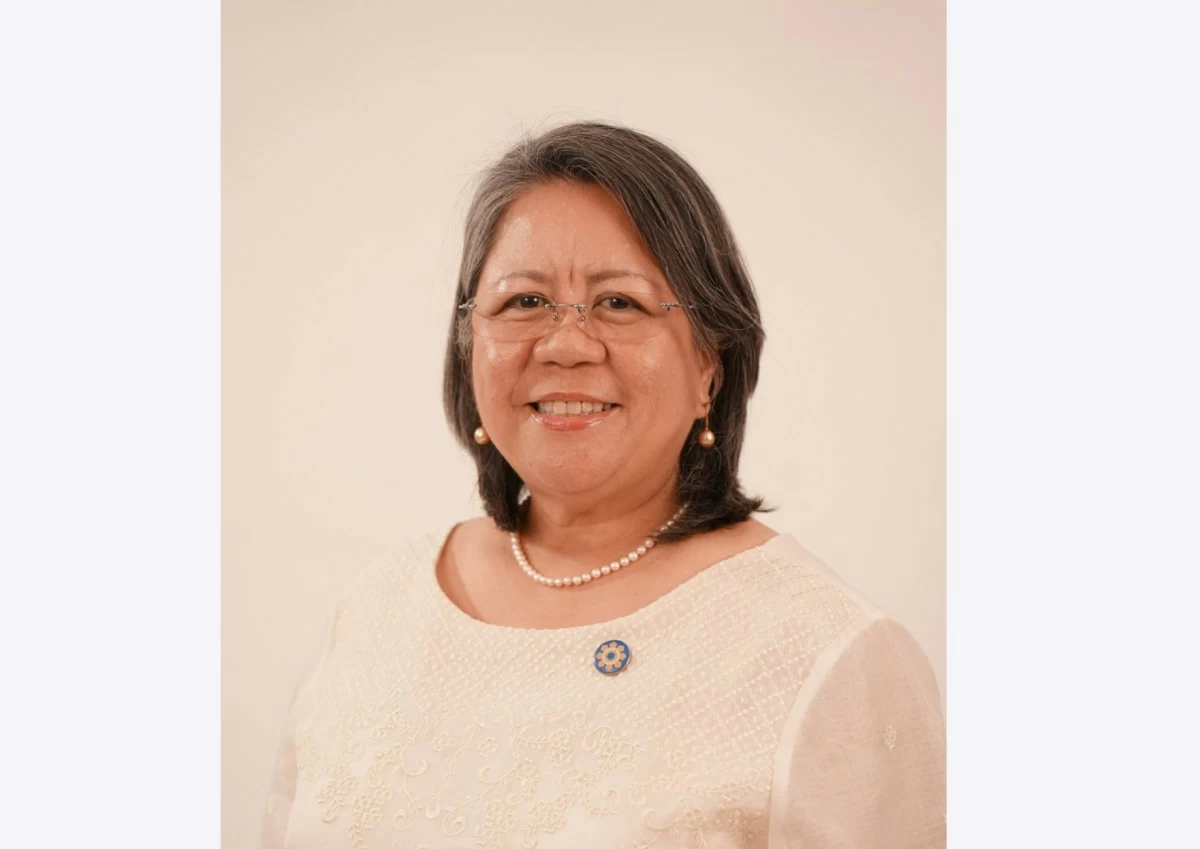
Undersecretary Rowena Cristina L. Guevara, Department of Energy
The Electric Power Industry Reform Act turns 25 this year. We have lived under it long enough to say something about it.
It worked.
That is not a popular thing to say in some quarters. The complaint that Philippine electricity is too expensive is loud and continuous, and EPIRA gets blamed for it. But blaming EPIRA for the price of electricity is like blaming the road for the price of fuel. The framework was never designed to make electricity cheap. It was designed to make electricity affordable. It was designed to make the sector function, after a decade in which it had stopped functioning. By these measures, and these are the right measures, it has done its job.
Anyone who lived through the early 1990s will remember what a non-functioning electricity sector looked like. Eight to 12 hours of blackouts a day. Manufacturers running diesel generators just to keep plants open. Hotels with their own power stations in the basement. The National Power Corporation drowning in foreign-currency debt that had reached more than a trillion pesos by the early 2000s, debt the national government would eventually have to assume. That is the country EPIRA was passed for.
Twenty-five years on, the country is unrecognizable in this respect. Generation capacity has more than doubled. The lights stay on. Electrification has climbed past 95 percent of households. Communities that had no power for generations have it now. There is a wholesale market where prices are discovered every day, instead of being set by political negotiation. There is an independent regulator. NPC's generation assets have mostly been sold to private operators, who run them better than the government did. None of this was inevitable. Plenty of countries tried similar reforms and ended up worse off than when they started. The Philippines did not.
We did not get here by accident. We got here because the law was good and the people who implemented it, across five administrations now, mostly knew what they were doing. The framers built the regulatory institutions before they sold the assets, which is not how every country sequenced it. They created PSALM with a defined mandate to handle NPC's obligations, instead of leaving them to the general fund. They gave the Energy Regulatory Commission enough independence to make hard decisions and absorb the political cost. They wrote in protections for low-income households through the lifeline rate. These were the right calls.
EPIRA also gave the country something we tend not to value until we lose it: continuity. Five presidents, two pandemics, half a dozen global energy shocks, and one major renewable-energy push later, the framework is still standing. Investors know the rules. Cooperatives know what they are responsible for. Consumers know where to go with their grievances. That kind of stability is not glamorous, but it is the reason capital keeps flowing into the sector and the reason the renewable energy transition is happening at the pace it is.
The transition is the next big thing. About 25 percent of our generation today is renewable. The target is 35 percent by 2030 and 50 percent by 2040. The Department has awarded more than 1,300 renewable energy contracts with a total awarded capacity above 160 gigawatts, against the roughly 30 gigawatts currently installed. The pipeline is enormous. Whether all of it gets built will depend on grid investment, on the regulatory decisions of the next several years, and on whether the financing comes together. The framework for delivering it, the auction program, the priority dispatch rules, the foreign ownership rules opened up in 2022, the net-metering program for rooftop solar, is all working. EPIRA is the platform.
The other commitment is finishing total electrification. About five percent of households are still without electricity, mostly in remote areas where the local electric cooperative is struggling. The Department estimates ₱100 billion to close the gap. Internal modeling suggests that investment returns up to four times that in economic value over time. The math is good. Now we have to mobilize the money.
Which is the point worth ending on. The people who built EPIRA are mostly still around, still working, still capable of fixing what needs fixing. The framework is not perfect. It is not finished. But it is sound, and it is ours, and after 25 years it has earned the benefit of the doubt for the next 25.
ADVERTISEMENT
.most-popular .layout-ratio{ padding-bottom: 79.13%; } @media (min-width: 768px) and (max-width: 1024px) { .widget-title { font-size: 15px !important; } }

{{ articles_filter_1561_widget.title }}

.most-popular .layout-ratio{ padding-bottom: 79.13%; } @media (min-width: 768px) and (max-width: 1024px) { .widget-title { font-size: 15px !important; } }

{{ articles_filter_1562_widget.title }}

.most-popular .layout-ratio{ padding-bottom: 79.13%; } @media (min-width: 768px) and (max-width: 1024px) { .widget-title { font-size: 15px !important; } }

{{ articles_filter_1563_widget.title }}

{{ articles_filter_1564_widget.title }}

.mb-article-details { position: relative; } .mb-article-details .article-body-preview, .mb-article-details .article-body-summary{ font-size: 17px; line-height: 30px; font-family: "Libre Caslon Text", serif; color: #000; } .mb-article-details .article-body-preview iframe , .mb-article-details .article-body-summary iframe{ width: 100%; margin: auto; } .read-more-background { background: linear-gradient(180deg, color(display-p3 1.000 1.000 1.000 / 0) 13.75%, color(display-p3 1.000 1.000 1.000 / 0.8) 30.79%, color(display-p3 1.000 1.000 1.000) 72.5%); position: absolute; height: 200px; width: 100%; bottom: 0; display: flex; justify-content: center; align-items: center; padding: 0; } .read-more-background a{ color: #000; } .read-more-btn { padding: 17px 45px; font-family: Inter; font-weight: 700; font-size: 18px; line-height: 16px; text-align: center; vertical-align: middle; border: 1px solid black; background-color: white; } .hidden { display: none; }
function initializeAllSwipers() { // Get all hidden inputs with cms_article_id document.querySelectorAll('[id^="cms_article_id_"]').forEach(function (input) { const cmsArticleId = input.value; const articleSelector = '#article-' + cmsArticleId + ' .body_images'; const swiperElement = document.querySelector(articleSelector); if (swiperElement && !swiperElement.classList.contains('swiper-initialized')) { new Swiper(articleSelector, { loop: true, pagination: false, navigation: { nextEl: '#article-' + cmsArticleId + ' .swiper-button-next', prevEl: '#article-' + cmsArticleId + ' .swiper-button-prev', }, }); } }); } setTimeout(initializeAllSwipers, 3000); const intersectionObserver = new IntersectionObserver( (entries) => { entries.forEach((entry) => { if (entry.isIntersecting) { const newUrl = entry.target.getAttribute("data-url"); if (newUrl) { history.pushState(null, null, newUrl); let article = entry.target; // Extract metadata const author = article.querySelector('.author-section').textContent.replace('By', '').trim(); const section = article.querySelector('.section-info ').textContent.replace(' ', ' '); const title = article.querySelector('.article-title h1').textContent; // Parse URL for Chartbeat path format const parsedUrl = new URL(newUrl, window.location.origin); const cleanUrl = parsedUrl.host + parsedUrl.pathname; // Update Chartbeat configuration if (typeof window._sf_async_config !== 'undefined') { window._sf_async_config.path = cleanUrl; window._sf_async_config.sections = section; window._sf_async_config.authors = author; } // Track virtual page view with Chartbeat if (typeof pSUPERFLY !== 'undefined' && typeof pSUPERFLY.virtualPage === 'function') { try { pSUPERFLY.virtualPage({ path: cleanUrl, title: title, sections: section, authors: author }); } catch (error) { console.error('ping error', error); } } // Optional: Update document title if (title && title !== document.title) { document.title = title; } } } }); }, { threshold: 0.1 } ); function showArticleBody(button) { const article = button.closest("article"); const summary = article.querySelector(".article-body-summary"); const body = article.querySelector(".article-body-preview"); const readMoreSection = article.querySelector(".read-more-background"); // Hide summary and read-more section summary.style.display = "none"; readMoreSection.style.display = "none"; // Show the full article body body.classList.remove("hidden"); } document.addEventListener("DOMContentLoaded", () => { let loadCount = 0; // Track how many times articles are loaded const offset = [1, 2, 3, 4, 5, 6, 7, 8, 9, 10]; // Offset values const currentUrl = window.location.pathname.substring(1); let isLoading = false; // Prevent multiple calls if (!currentUrl) { console.log("Current URL is invalid."); return; } const sentinel = document.getElementById("load-more-sentinel"); if (!sentinel) { console.log("Sentinel element not found."); return; } function isSentinelVisible() { const rect = sentinel.getBoundingClientRect(); return ( rect.top < window.innerHeight && rect.bottom >= 0 ); } function onScroll() { if (isLoading) return; if (isSentinelVisible()) { if (loadCount >= offset.length) { console.log("Maximum load attempts reached."); window.removeEventListener("scroll", onScroll); return; } isLoading = true; const currentOffset = offset[loadCount]; window.loadMoreItems().then(() => { let article = document.querySelector('#widget_1690 > div:nth-last-of-type(2) article'); intersectionObserver.observe(article) loadCount++; }).catch(error => { console.error("Error loading more items:", error); }).finally(() => { isLoading = false; }); } } window.addEventListener("scroll", onScroll); });

Sign up by email to receive news.