







Safe food, shared responsibility
Published Jun 7, 2026 12:05 am
|
Updated Jun 6, 2026 04:06 pm


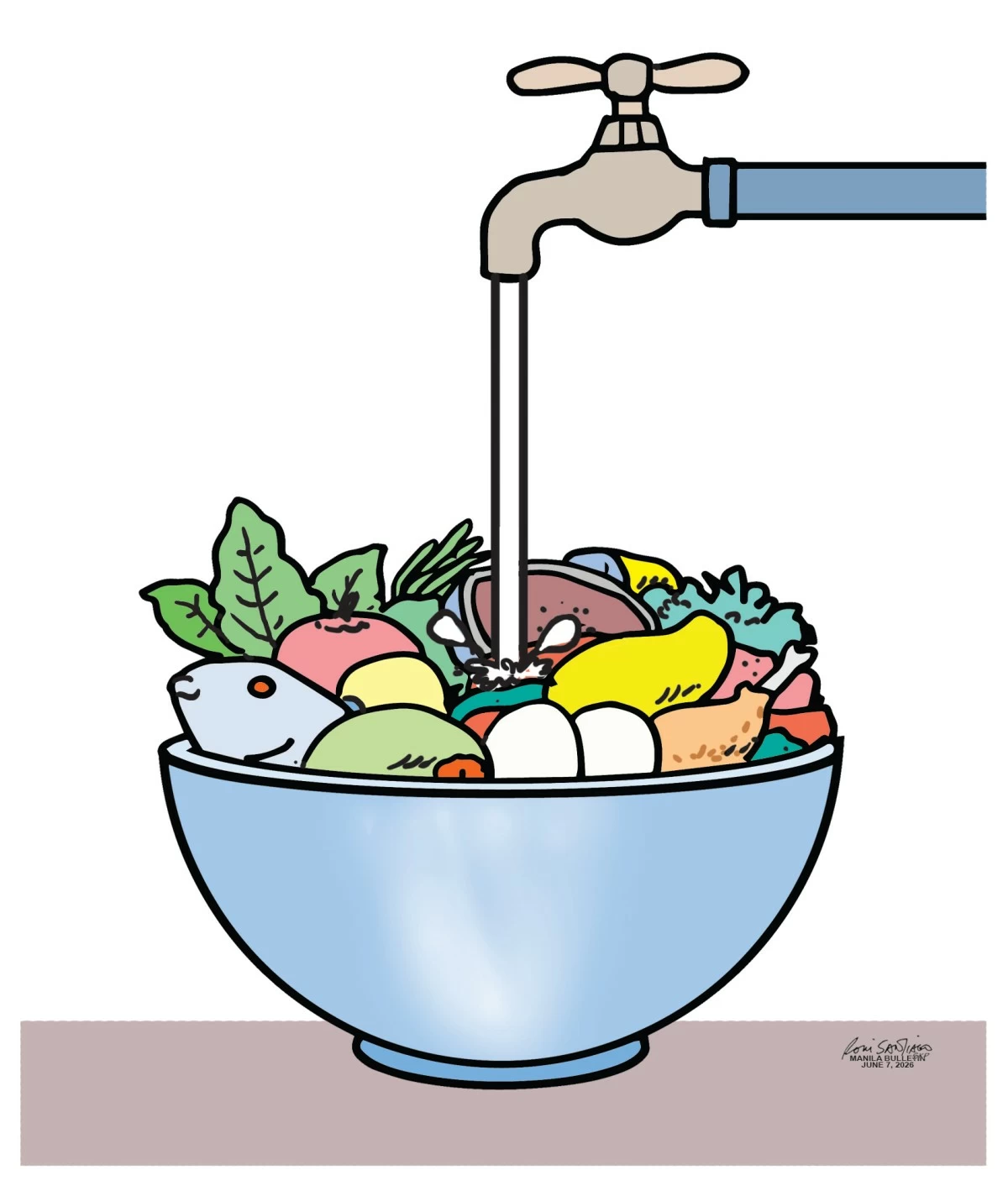
Food is more than nourishment. It is the foundation of life, health, productivity, and national development. Yet every meal carries an invisible risk when food safety is neglected. As the world observes World Food Safety Day today, June 7, we are reminded that ensuring safe food is not merely a public health concern. It is a shared responsibility that demands commitment from government, businesses, and every Filipino citizen.
Foodborne diseases continue to threaten millions of lives worldwide. Contaminated food can carry harmful bacteria, viruses, parasites, and chemicals that cause illness, disability, and even death. Beyond the human toll, unsafe food weakens economies, burdens healthcare systems, disrupts trade, and undermines public confidence in food supply chains.
In a country where food security remains a priority, food safety must be treated with equal urgency.
The government plays the most critical role in establishing and enforcing standards that protect consumers. The Department of Health (DOH) must strengthen disease surveillance systems, improve laboratory testing capacities, and intensify public education campaigns on food hygiene and safe handling practices. Prompt detection and reporting of foodborne outbreaks can save lives and prevent widespread health emergencies.
At the same time, the Department of Agriculture (DA) must ensure that food safety begins at the source. Farmers, fisherfolk, and food producers should receive continuous training on good agricultural practices, proper use of fertilizers and pesticides, and safe harvesting methods. Strong monitoring systems must be implemented to prevent contaminated products from entering markets. The DA must also promote modern technologies that improve food quality and traceability from farm to table.
Other government agencies have equally important responsibilities. Local government units should regularly inspect public markets, slaughterhouses, restaurants, and food establishments. Regulatory bodies must strictly enforce food safety laws, impose penalties on violators, and ensure that imported and locally produced food products meet safety standards. Effective coordination among agencies is essential because food safety challenges do not stop at institutional boundaries.
The private sector is a vital partner in this effort. Restaurants, food manufacturers, distributors, and retailers bear a direct responsibility to protect consumers. Profit should never come before public health. Businesses must maintain strict sanitation standards, ensure proper storage and transportation of food, train employees regularly, and adopt internationally recognized food safety management systems. Transparency and accountability should guide every stage of food production and service. Consumers trust businesses with their health every time they make a purchase, and that trust must be earned daily.
However, food safety cannot be achieved by institutions alone. Every Filipino has a role to play. Individuals must practice proper handwashing, safe food preparation, and correct food storage at home. Consumers should be vigilant in checking product labels, expiration dates, and the cleanliness of establishments where they buy food. Reporting suspected food safety violations can also help authorities protect communities from preventable harm.
Food safety is not simply about avoiding illness. Ultimately, it is about safeguarding human dignity, protecting livelihoods, strengthening public trust, and securing a healthier future for all. The food on our tables connects farmers, businesses, regulators, and consumers in one continuous chain. A single weak link can endanger countless lives.
On this World Food Safety Day, let us recognize that safe food is everyone’s responsibility. By working together—government agencies, private enterprises, and citizens—we can build a food system that sustains life, promotes health, and ensures that every Filipino can eat with confidence and peace of mind.