






 Entertainment
Celebrities
Sharmaine, Vanessa, and Melanie trend in PH Social Media: Who are they really?
Entertainment
Celebrities
Sharmaine, Vanessa, and Melanie trend in PH Social Media: Who are they really?
Sharmaine, Vanessa, and Melanie trend in PH Social Media: Who are they really?
By Neil Ramos


At A Glance
- What started as absurd short-form content quickly evolved into a widespread meme across TikTok, Facebook, and even real-world spaces like supermarkets.
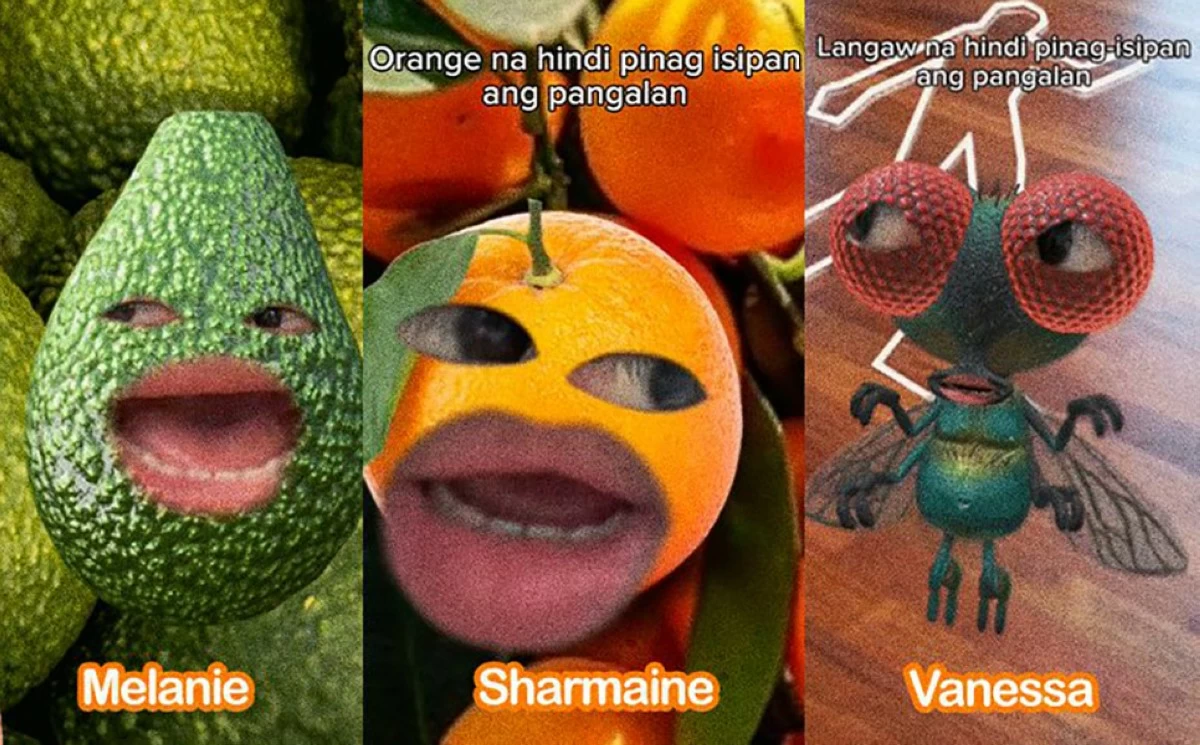
A strange and hilarious trend has been circulating across Philippine social media, with the names Sharmaine, Vanessa, and Melanie popping up in memes, captions, and short-form videos.
The skits are hosted on TikTok and thrive on absurd humor. What makes them stand out is how ordinary objects suddenly develop personalities and start questioning the logic of their own names. Instead of simply existing as an orange, a fly, or an avocado, the characters complain that their identities are too literal, too blunt, and not “elegant” enough. They then decide to rebrand themselves with more human-sounding names, as if they are going through a personal identity crisis with comedic flair.
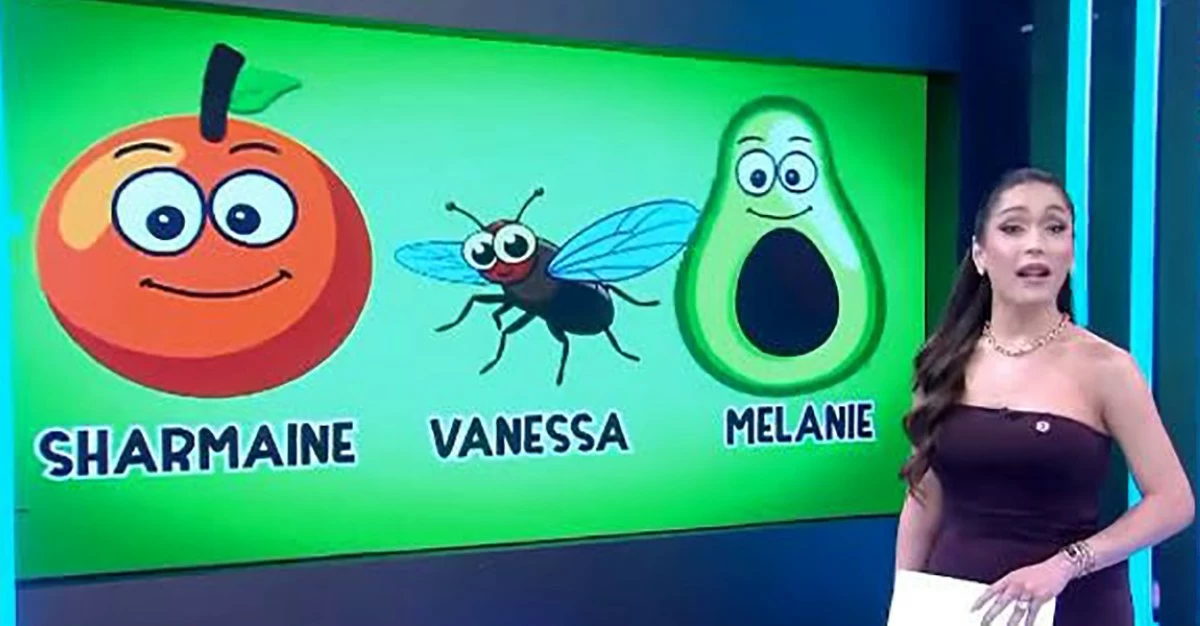
Sharmaine is the character who started it all. She is actually an orange, but she is not happy about being reduced to something as simple as her color and fruit identity. In her skit, she expresses frustration that her name is basically just a description rather than a real name. She insists on being called Sharmaine instead, as if that alone upgrades her status from fruit to something more sophisticated. One of the most memorable jokes tied to her character is the idea of having her name “notarized” so it becomes officially valid, a punchline that plays on Filipino familiarity with bureaucratic processes.
Vanessa follows shortly after, adding to the growing absurd universe. She is actually a fly, but she also rejects the simplicity of being called exactly what she is. For her, the label “fly” feels too obvious, almost insulting in its lack of imagination. So she chooses the name Vanessa, a name that feels more polished and human, distancing herself from her insect identity. Her entry into the trend reinforces the idea that even the smallest and most overlooked creatures deserve a sense of dignity, at least in a comedic sense.
Then comes Melanie, the avocado, who enters the storyline through a classic case of misunderstanding. Her character’s joke revolves around the confusion between “abogado” and “avocado,” a wordplay that fits perfectly into Filipino humor. This mix-up becomes the trigger for her own identity crisis, leading her to also reject her original name. Like the others, she chooses a more human-sounding name, completing the trio that now dominates the viral trend.
What makes Sharmaine, Vanessa, and Melanie so popular is not just the absurd premise, but how easily it fits into everyday Filipino humor. The skits rely heavily on wordplay, exaggerated reactions, and relatable nonsense that feels both random and familiar at the same time. It is the kind of humor that spreads quickly because it is easy to quote, remix, and insert into completely unrelated situations.
The trend became even more widespread when netizens started using the names outside the original videos. Suddenly, oranges in supermarkets were being labeled as Sharmaine, and people online began jokingly referring to fruits and insects using these “elevated” names. Even brands and online pages joined in on the fun, turning the joke into a shared cultural moment rather than just a TikTok series.
Behind all of this is BAETT, whose skits on TikTok show how simple ideas can turn into viral ecosystems when executed with the right comedic timing. By giving voice and emotion to everyday objects, the content taps into a kind of surreal humor that resonates strongly with Filipino audiences, especially in short-form video platforms where absurdity thrives.
In the end, the Sharmaine, Vanessa, and Melanie trend is not really about fruits or insects at all. It is about how the internet takes something simple, exaggerates it, and turns it into a shared joke that millions of people can participate in. And in this case, even an orange is not safe from wanting a better name.