






 Entertainment
Music and Concerts
Of non-fathers and un-sons: Virgin Labfest's 'Elehiya'
Entertainment
Music and Concerts
Of non-fathers and un-sons: Virgin Labfest's 'Elehiya'
Of non-fathers and un-sons: Virgin Labfest's 'Elehiya'



This year’s edition of the Virgin Labfest is upon us, and the twenty-first VLF iteration is called “Hubo’t Hubad,” running from June 3 up to June 28. As per its DNA and identity, the Virgin Labfest is all about untried, untested, unstaged plays—acting as a petri dish and incubator for playwrights and their new works. It is where creators expose their work to test audiences, then proceed to fine-tune their stage plays—or even turn them into screenplays. It is being held at the Tanghalang Ignacio Gimenez (CCP Black Box Theater), and even this early, I’ve heard there is strong demand for tickets, so booking ahead is advised.
On the afternoon of June 5, I made time to watch the first play of Set C: “Balat Kalabaw.” Written by Dustin Celestino and directed by Ron Capinding, “Elehiya” features a five-man cast. There is Yan Yuzon as Lalaki, the meta-narrator; and two sets of fathers and sons.
First, we are introduced to Dennis Marasigan as Gardo, and his son Ed, portrayed by John Sanchez. The second pair consists of film director Carlitos Siguion-Reyna as Nick, and his real-life son Rafa, who takes on the role of Nick’s son, Kulas.
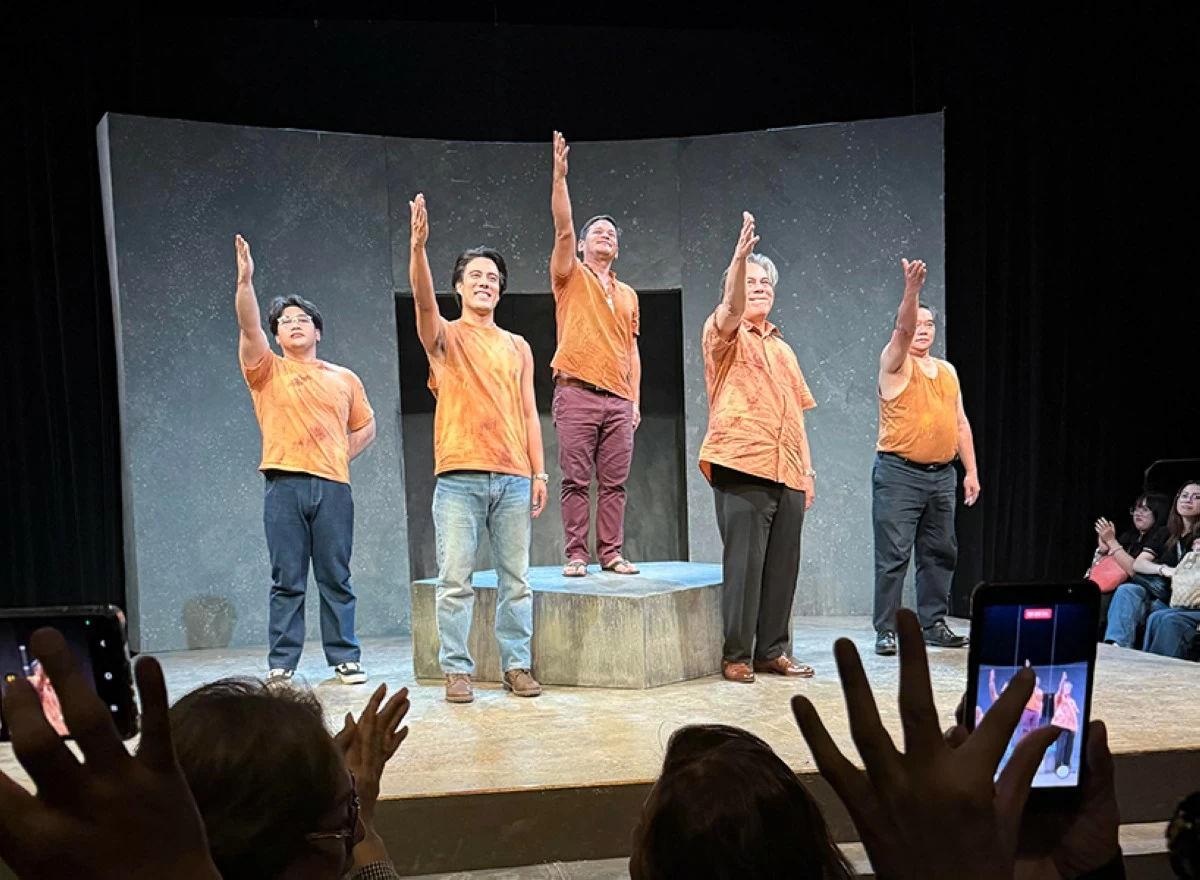
What Celestino has created structurally is a series of monologues, though from the outset there is a playful and whimsical take on what a monologue can be. As Lalaki opens the play, he immediately breaks the fourth wall, goes meta, and speaks directly to us, the audience. It is more a one-sided conversation than a monologue in its strict sense. This is a smart device, as Lalaki takes us into his confidence, almost treating us as close friends.
Gardo and Ed are introduced through a cryptic opening, and what gradually unfolds is a letter being written by Ed to his father. The narrative explores fatherhood, parenting, toxic masculinity, and the culture of silence that often pervades Filipino households—especially the emotional restraint between father and son. It highlights how expressing love can feel almost taboo, as though it risks exposing too much vulnerability.
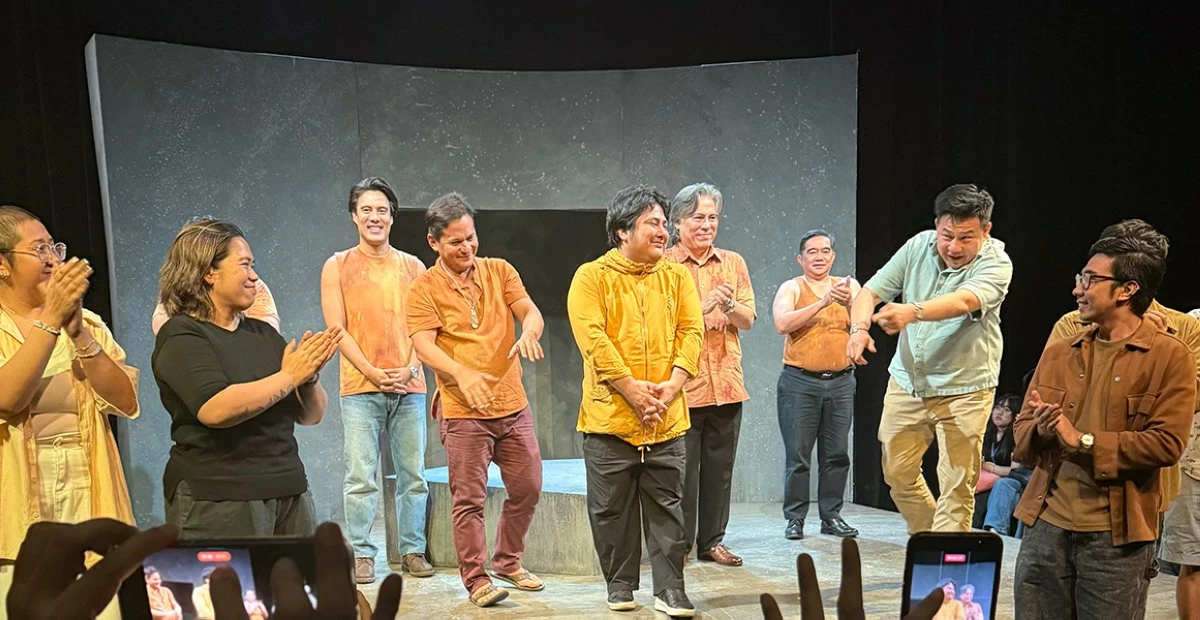
A second father-son pairing is then introduced: Nick and Kulas. We are immediately made aware that Nick belongs to a different social class—a business owner, unlike Gardo, who is clearly a wage earner. Yet the same emotional dynamics are examined through a different lens. In this strand, both characters are revealed to be speaking to the same therapist, albeit at different times.
What is brilliant in both the text and direction is how the monologues begin to intersect, overlap, and collapse into each other—playing off one another, teasing and illuminating the emotional landscape shared by these four individuals. Together, they form a fuller picture of the difficulty Filipino fathers and sons face when it comes to genuine emotional communication.
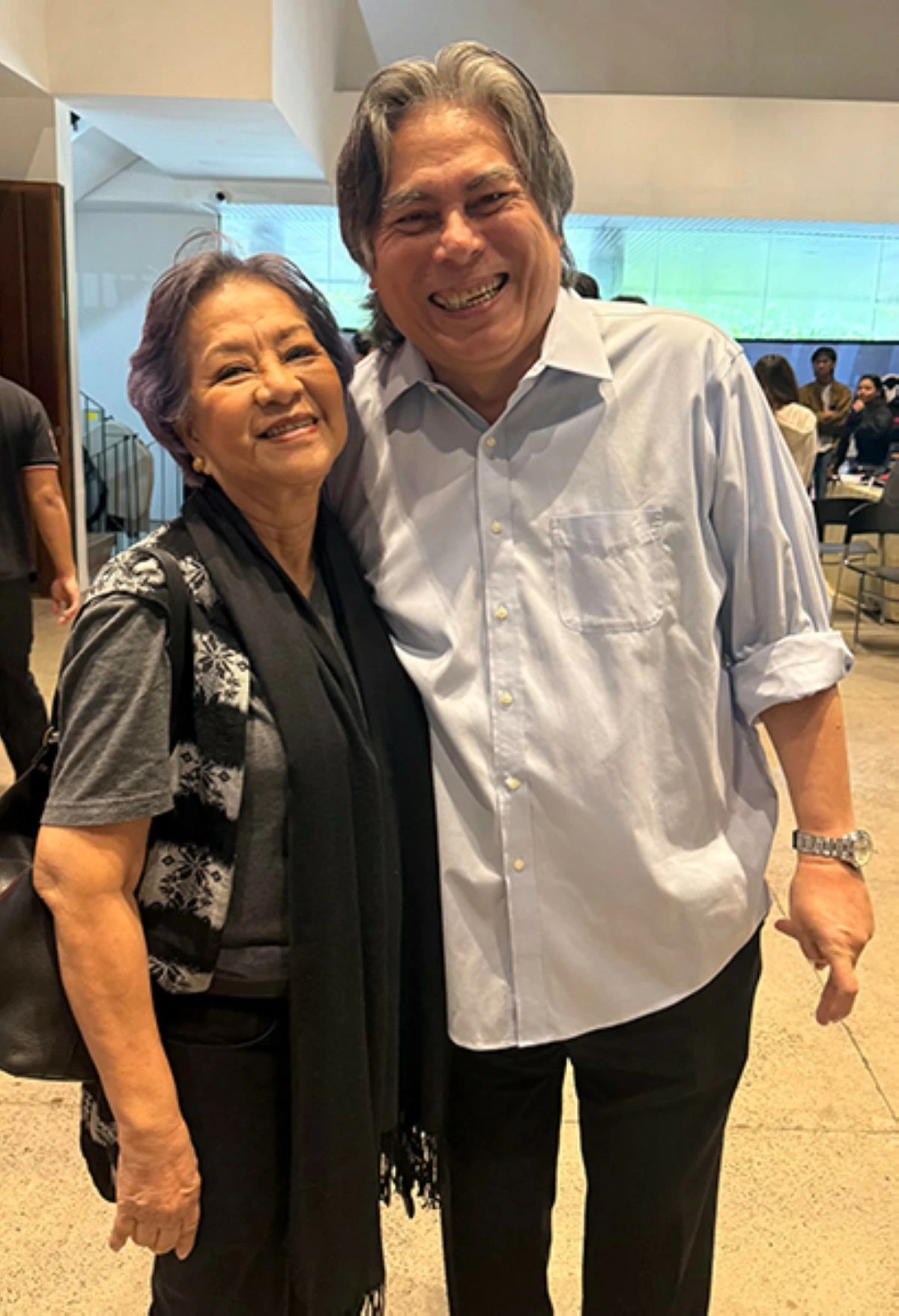
Celestino clearly understands his material well, crafting relationships that are distinct yet deeply resonant. The acting is top-notch, and the blocking, lighting, and movement all serve the material effectively. If anything, the ending tends to overemphasize its point, and could benefit from some trimming, as the message is already clear.
If there is a ringing endorsement of how well the drama resonated with its audience, it came after the show: while waiting in line at the men’s restroom, I overheard a man cursing because he had cried—and hated that he did. In a nutshell, that is why this Celestino piece matters, and why it works.
Virgin Labfest has always been a journey of discovery, delight, and surprise. I hope to catch more of the plays before the run ends—and you should as well.