







Carrying Bangsamoro to the world stage
How this 18-year-old student champions his hometown at UN headquarters
Published Jun 6, 2026 02:41 pm


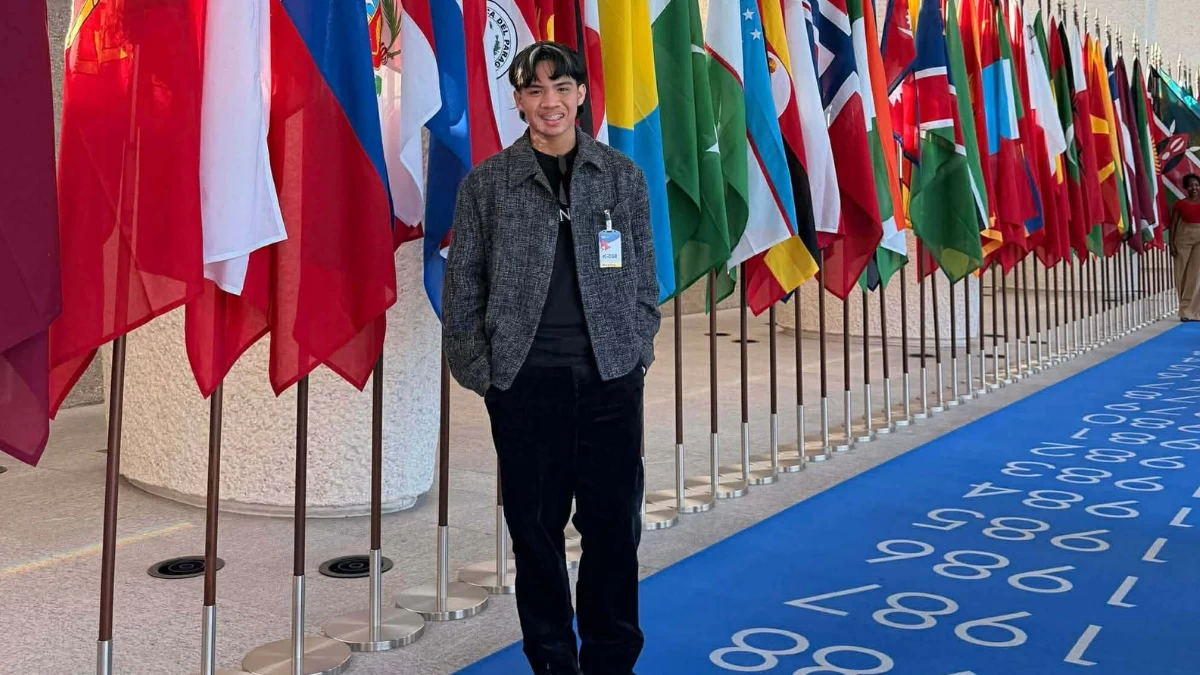
Datu Jamsheed Hisham Bandila
For many young people, introducing themselves is as simple as stating their name and where they come from. For 18-year-old Datu Jamsheed Hisham Bandila, it carries a deeper responsibility.
A Diplomacy and International Affairs student at De La Salle-College of Saint Benilde, Datu grew up in the Bangsamoro Autonomous Region in Muslim Mindanao (BARMM), where he became familiar with the misconceptions often attached to his hometown. While many people know Bangsamoro through stories of conflict, he grew up seeing a different reality, one defined by resilience, community, and hope. Those experiences inspired him to become an advocate for his roots and the stories that deserve to be heard beyond the region.
Recently, Datu, who is also the founder and president of youth organization Sinag Youth Philippines, had the opportunity to bring that mission to an international audience through the International Project Programme of the United Nations Institute for Training and Research (UNITAR) in partnership with Ureka Education. Together with fellow students from De La Salle-College of Saint Benilde and youth leaders from different countries, he traveled to Geneva, Switzerland, for a learning experience that ultimately became something more personal.
“The first time I said ‘Bangsamoro’ in Geneva, I wasn’t just naming a place. I was naming myself,” he told Manila Bulletin Lifestyle.
For Datu, Bangsamoro is inseparable from who he is. “Bangsamoro is my hometown. It is my identity. It shapes how I speak, think, and carry responsibility,” he said. “It is not something I can separate from who I am.”
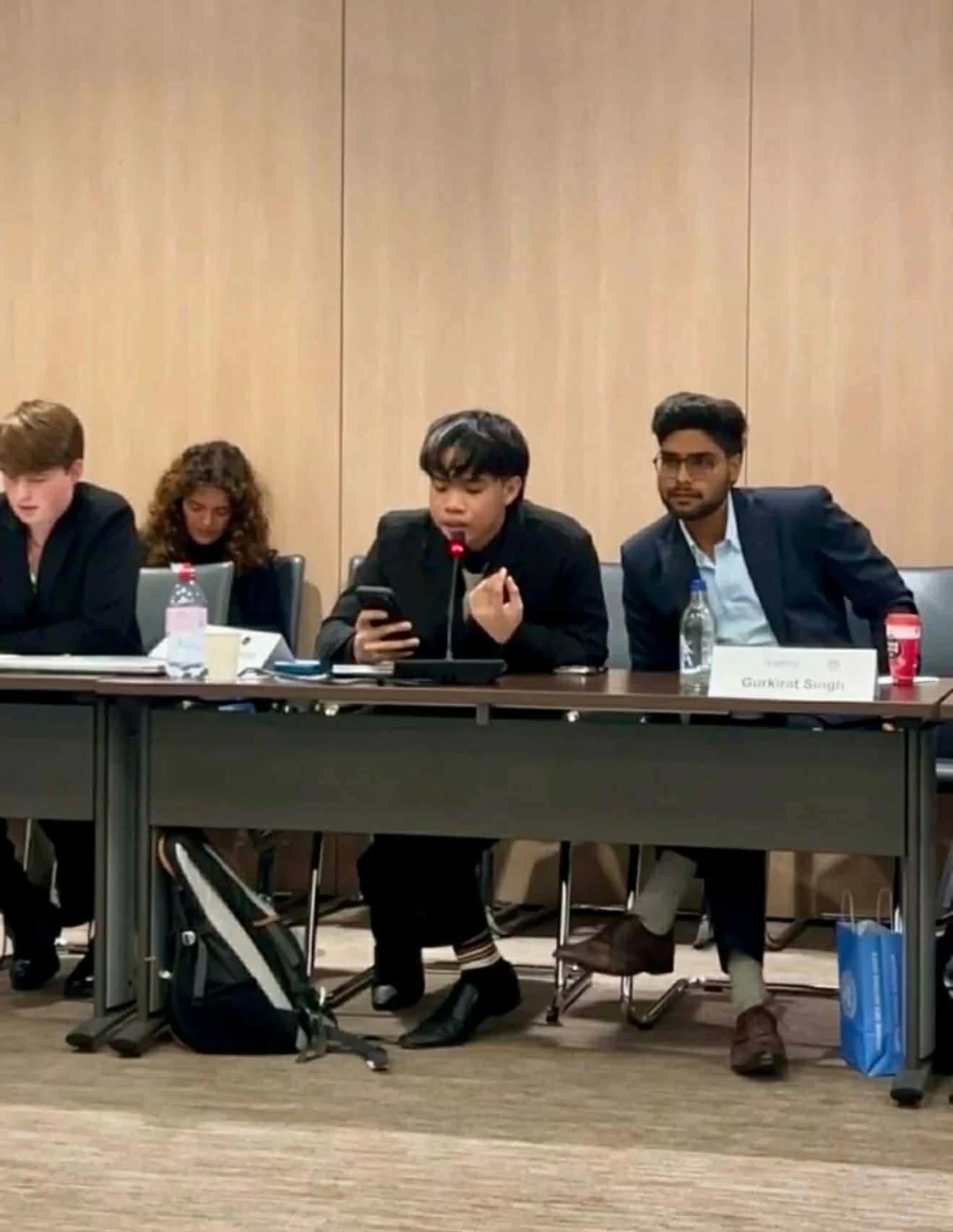
Inside the United Nations headquarters, he found himself among young people confidently sharing stories about their respective countries. When it was his turn, he chose to speak not only about a region on a map, but about the realities of the people who call it home.
“I spoke about students continuing education despite distance and limitations. I spoke about communities rebuilding hope in places often misunderstood,” he recalled. “I spoke about a region too often introduced through conflict, but rarely through the resilience of its people.”
As he shared those stories, Datu realized he was carrying more than his own perspective.
“I was carrying people, those who risk their lives so others may live in peace, dream without fear, and have their own identity,” he said.
What surprised him most was the response from his fellow delegates. Instead of seeing Bangsamoro as a distant concept, they wanted to learn more.
“They listened. Genuinely. They asked questions not out of formality but curiosity,” he said. “Slowly, Bangsamoro became real to them, not distant, not abstract, but human.”
The experience became even more meaningful when his peers selected him to lead their group and place Bangsamoro at the center of their presentation.
“That moment stayed with me more than anything else in Geneva,” he said. The experience reinforced a lesson that continues to guide his advocacy work. “Sometimes the world does not reject your story; it has simply never been given the chance to understand it.”
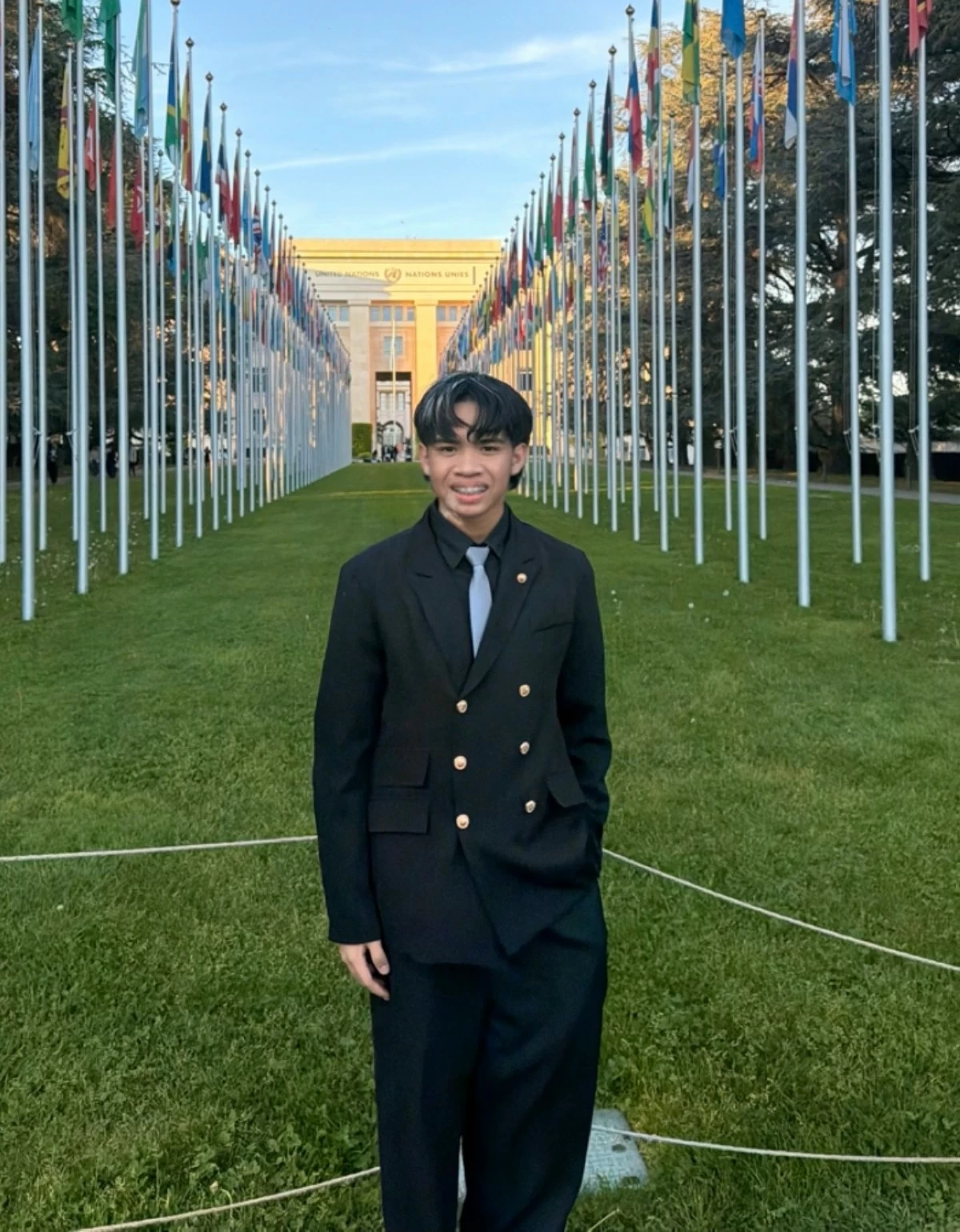
Screenshot
As a young leader, he believes that representation goes beyond visibility.
“Representation is not just presence. It is a responsibility,” he said. “It is making sure your home is not only defined by struggle but also by strength and possibility.”
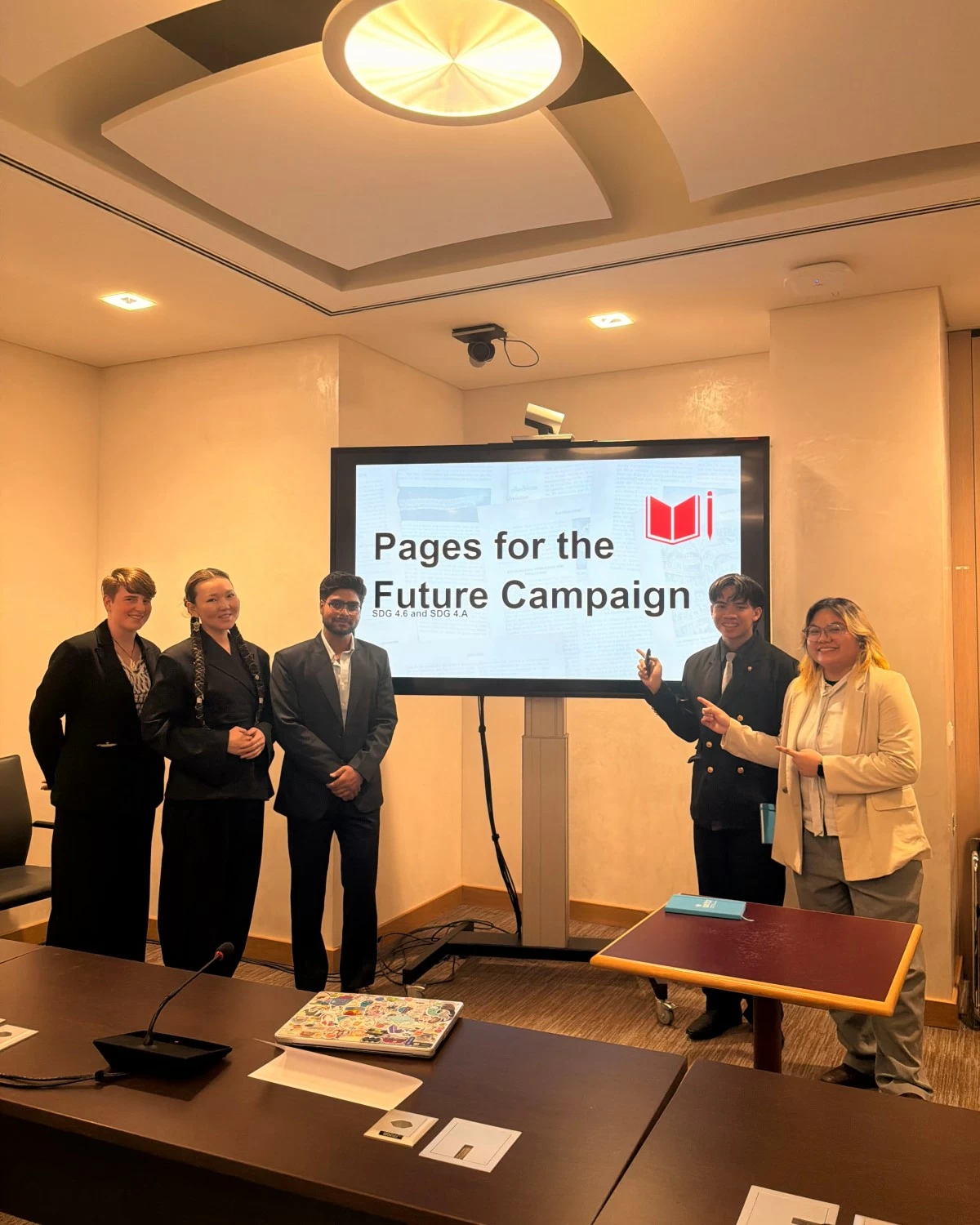
That belief continues through Sinag Youth Philippines and its initiatives, including the “Pages for the Future Campaign,” which advocates for quality education and youth empowerment in the Bangsamoro region.
For him, speaking at an international platform was not the culmination of his advocacy but another step in a larger journey.
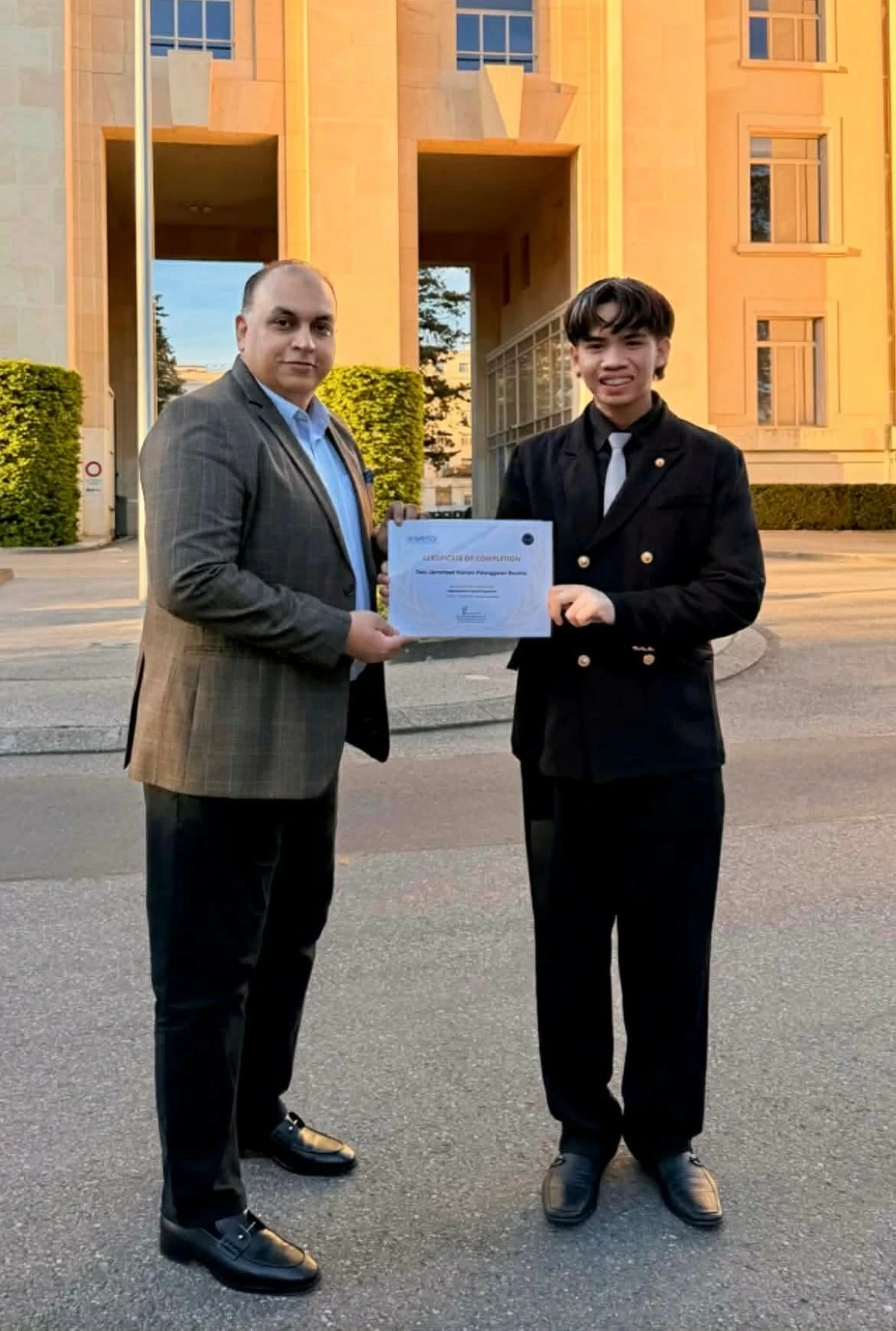
“More than ever, I believe Bangsamoro deserves its rightful place in global spaces,” Datu said. And as he looks toward future opportunities to represent his community, his commitment remains clear.
“I am a son of Bangsamoro,” he said. “And I will carry it into every space I enter, until the world no longer sees it as unfamiliar, but finally understands it as a story that was always meant to be heard.”