






 Business
The Economy
Inflation slows to 6.8% in May as fuel prices ease, but risks remain
Business
The Economy
Inflation slows to 6.8% in May as fuel prices ease, but risks remain
Inflation slows to 6.8% in May as fuel prices ease, but risks remain


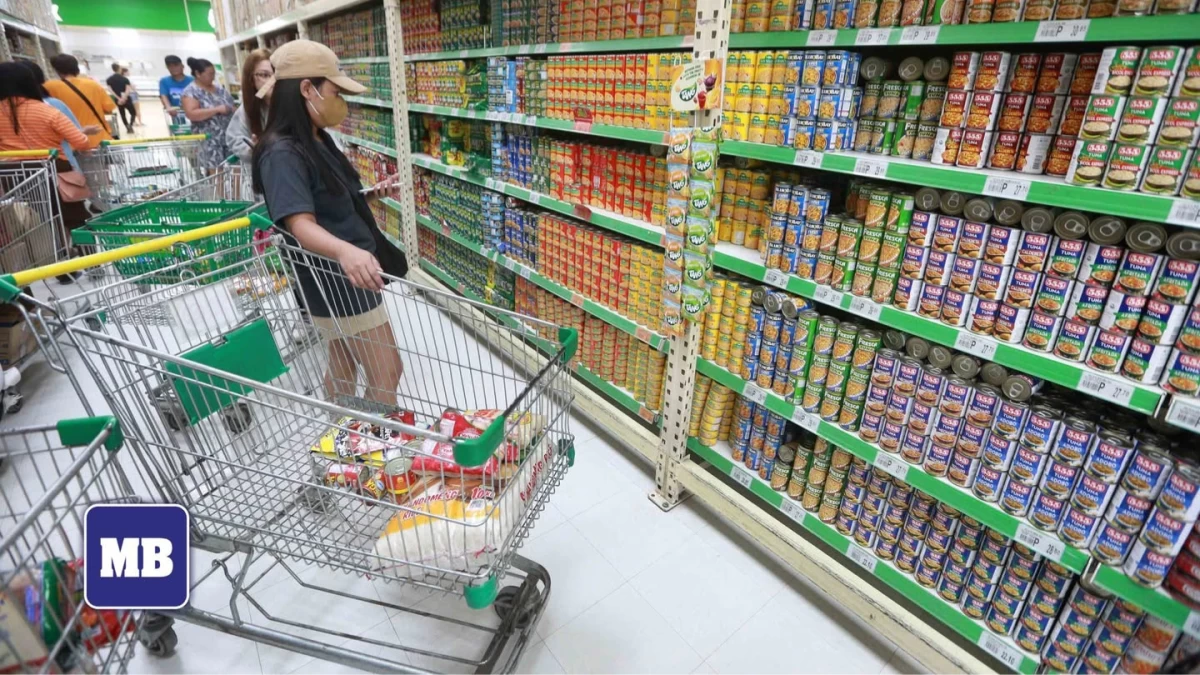
The inflation rate in May eased slightly to 6.8 percent from the more-than-three-year high of 7.2 percent recorded in April, although it remained well above the government’s two- to four-percent target range for manageable annual price increases.
Last month’s headline rate nonetheless surged from just 1.3 percent in May last year, Philippine Statistics Authority (PSA) chief and National Statistician Claire Dennis S. Mapa reported on Friday, June 5.
In the first five months of 2026, inflation averaged an above-target 4.5 percent as the effects of global oil price and supply shocks caused by the prolonged war in the Middle East lingered.
Although May’s headline inflation rate eased slightly, it remained the second-highest reading since May 2023. The slowdown in overall price growth was mainly driven by easing transport costs during the month.
This deceleration was driven by lower domestic fuel prices, with transport inflation slowing to 16.2 percent from 21.4 percent in April.
Inflation for food and non-alcoholic beverages likewise eased to 5.7 percent from six percent in April, although prices of some commodities remained elevated.
Inflation for housing, water, electricity, gas, and other fuels eased to 7.8 percent during the month from 8.2 percent in April.
With a purchasing power of ₱0.7364 in May, a ₱100 bill from 2018 could buy only ₱73.64 worth of goods today.
While the slower inflation rate in May does not guarantee a substantial easing of price pressures in the coming months, Mapa said energy-price volatility, particularly fuel prices, remains heavily influenced by external factors, including geopolitical developments in the Middle East.
Domestic fuel prices remain vulnerable to the effects of the global oil crisis.
“Moving forward to June, of course there are risks, there is slight [external] volatility on our fuel prices, although prices have gone down on the first week. But we will continue to monitor,” Mapa told a media briefing.
The PSA is also closely monitoring food prices this month after food emerged as a key driver of inflation in May.
“Also affecting the energy for the housing, water, electricity, gas, and other fuels, and food prices, particularly rice.”
Earlier this week, the Congressional Policy and Budget Research Department (CPBRD) reported that low-income households may need to spend about ₱490.8 more on monthly rice purchases.
This follows the expected increase in the price of regular-milled rice by 19.4 percent, or ₱10.6 per kilo.