






Manila Bulletin
 Property and Living
The great real estate reset: What Filipino homebuyers really want now
Property and Living
The great real estate reset: What Filipino homebuyers really want now
Property and Living
The great real estate reset: What Filipino homebuyers really want now
The great real estate reset: What Filipino homebuyers really want now
Ready and connected communities are becoming more valuable because they offer clarity, access, and everyday ease
Published Jun 4, 2026 05:40 pm


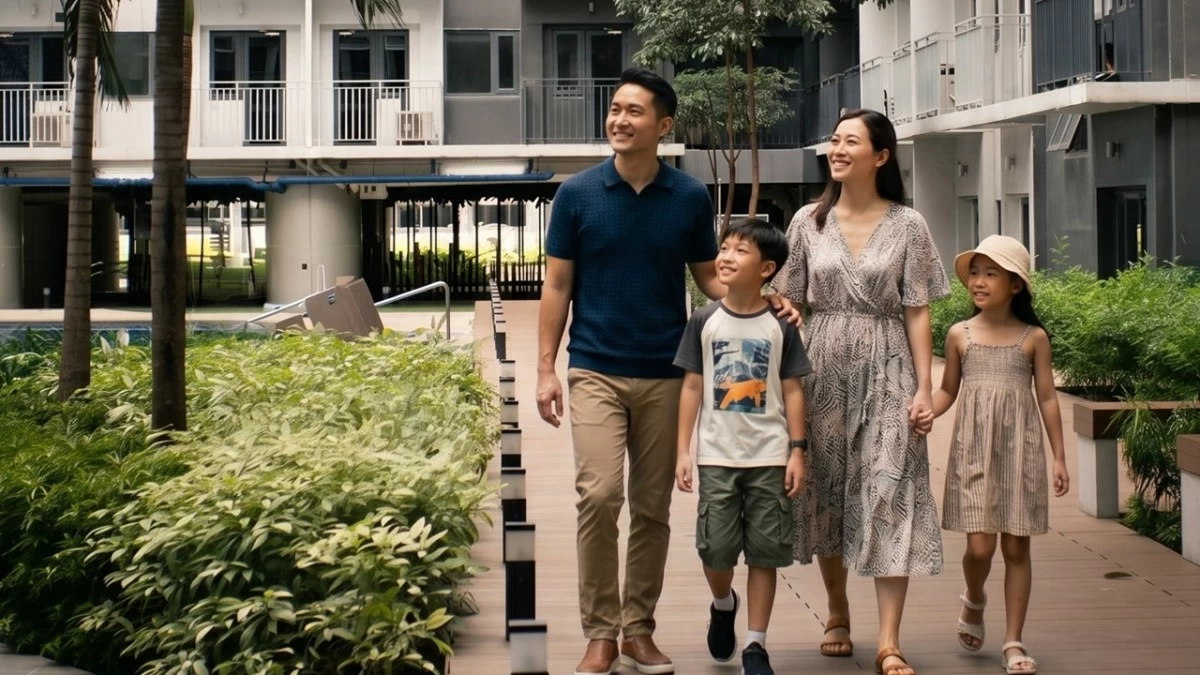
Ready and connected communities make daily living easier by keeping everything families need within reach. (Photo: SMDC)
The Filipino homebuyer has changed. For years, real estate was sold through aspiration: polished lobbies, beautiful showrooms, impressive amenities, glossy brochures, investment upside, and the promise of a better life. But today, that old dream is no longer enough.
Buyers still want progress, security, and something meaningful to call their own. But they are now asking harder, more practical questions: Does this home make sense for my life? Can I use it soon? Can it support my work, my family, and my daily routine? Can it adjust if my plans change? Is the community already functioning? What happens after I buy?
This is the great real estate reset. It is a shift from promise to proof. From aspiration to usefulness. From selling a lifestyle to supporting real life.
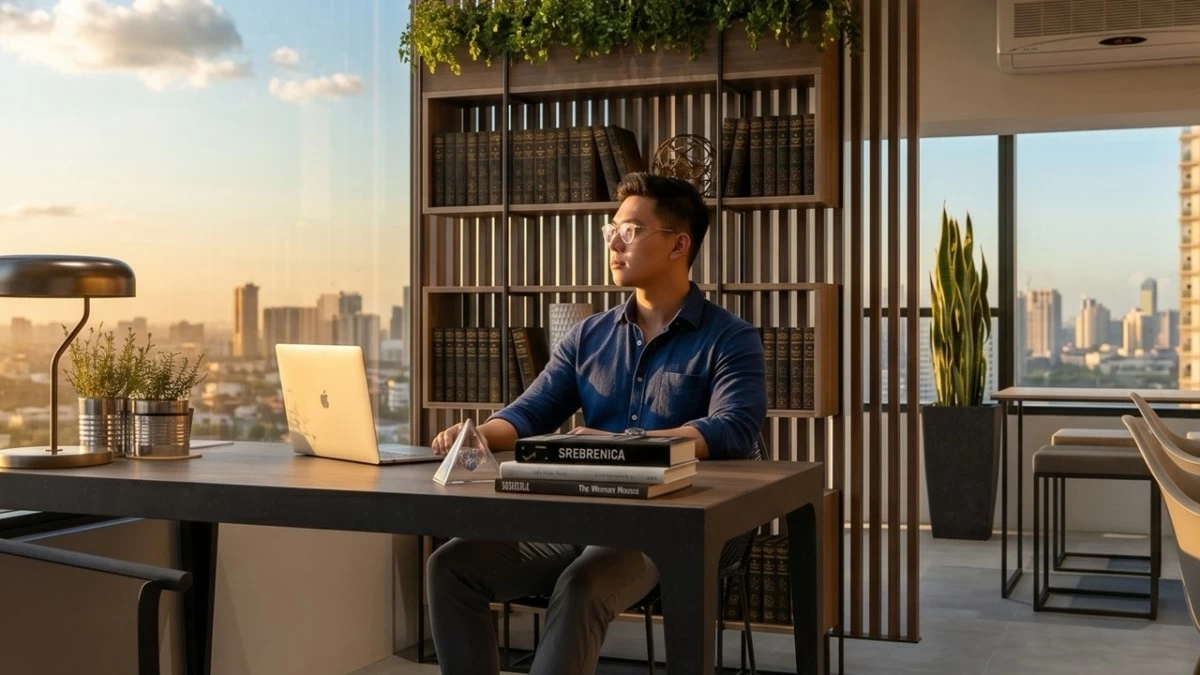
Modern homeownership means having a home that adapts to changing lifestyles and work arrangements. (Photo: SMDC)
From dreaming to deciding
The new Filipino homebuyer is not less aspirational. The buyer is simply more awake. After years of changing work patterns, rising costs, traffic, global uncertainty, and shifting household priorities, people have become more conscious of how their choices affect everyday life. A home is no longer viewed only as a milestone. It is also a working decision.This does not mean that design, location, and amenities no longer matter. They still do, but they are no longer the full story. A beautiful lobby can create interest, but buyers now want to know how the property will feel on an ordinary day. A promising address can attract attention, but buyers are looking more closely at what that address actually gives them in terms of access, movement, services, and long-term use.
Ready homes offer greater clarity
For many Filipinos, homeownership has always been tied to security. Today, that desire has become even more practical. Ready-for-occupancy homes, for example, allow buyers to see the actual property, experience the surroundings, check the unit, understand the community, and make decisions based on what is already there.Across SMDC’s ready-for-occupancy communities such as Shore Residences, Light Residences, Fame Residences, Glam Residences, and Air Residences, buyers are able to experience the value of established locations, existing amenities, and communities that are already part of the city’s daily rhythm.
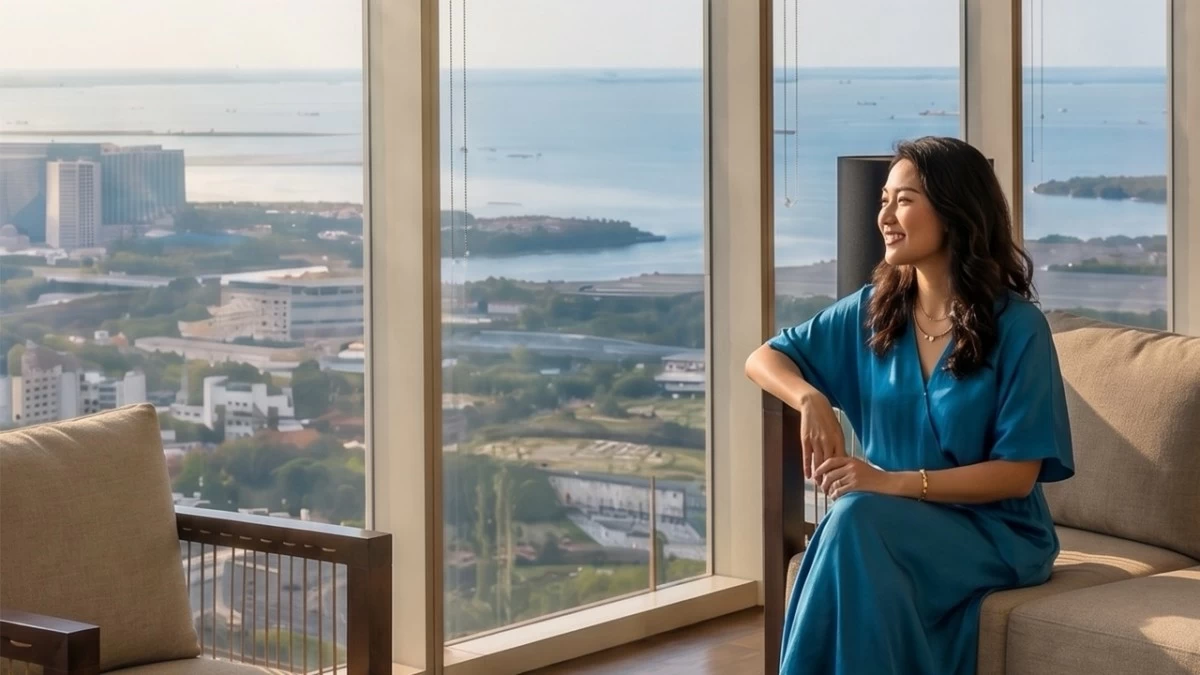
Dreams feel closer when home is connected to the people, places, and opportunities that shape daily life. (Photo: SMDC)
Usefulness is the new aspiration
Usefulness has also become a stronger form of aspiration. A useful home helps people manage daily life. It places essentials closer. It reduces unnecessary travel. It supports work-from-home arrangements. It gives families access to services, leisure, and everyday needs with less friction.This is where SMDC continues to resonate with today’s buyers. Many SMDC communities are located within or near established SM environments, where daily life is already in motion. Residents have access to retail, dining, supermarkets, services, transport connections, and lifestyle destinations that help make routines more manageable.
At the Mall of Asia Complex, for instance, SMDC communities such as Shore, Sea, Shell, S, and Sail Residences are surrounded by a larger district where homes are connected to offices, retail, dining, entertainment, hotels, convention spaces, and the bay area. In Makati, developments such as Jazz, Air, Lush, and Red Residences place residents closer to business, lifestyle, and everyday essentials. Along key urban corridors, Light, Fame, and Glam Residences give buyers access to highly connected parts of Metro Manila.
A home that can adjust to life
Flexibility now matters just as much. A unit may begin as a first home and later become an investment. It may be used by a family member, leased out, furnished for a tenant, or kept as a future home.Through the SMDC Good Stays Program, homeowners may explore leasing support and furnishing solutions that help bridge the gap between ownership and actual use. These programs recognize that a buyer’s needs do not end at purchase. A home should be able to support different plans, life stages, and uses over time.
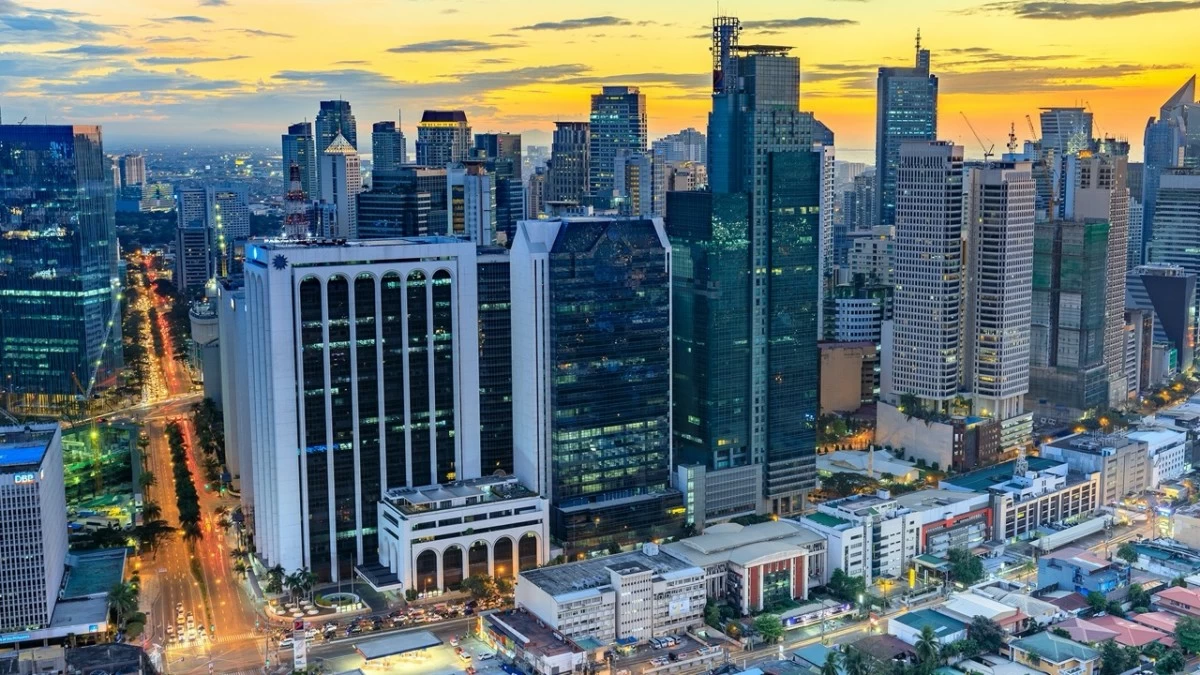
In today’s market, buyers are choosing homes that offer real-world advantages, from accessibility to long-term adaptability. (Photo: SMDC)
Proof is replacing promise
Perhaps the biggest change in today’s market is this: buyers want proof. They want to see actual communities, understand the neighborhood, inspect the home, know what services are nearby, and have clarity on turnover, property management, leasing options, furnishing, and daily living.The next era of real estate is about understanding how people actually live.
For SMDC, this means continuing to build communities that respond to real needs: connected locations, ready options, property management, furnishing pathways, and ownership programs that recognize the journey beyond the sale.
The dream is still there. But it has become wiser, more practical, and more demanding in the best possible way.
Today, people are not only looking for a home that says they have arrived. They are looking for a home that helps them live better once they do.
For those looking for homes designed around real life, SMDC’s ready-for-occupancy and pre-selling communities offer accessible, connected, and supported living options across key locations. Visit www.smdc.com to learn more