







Maynilad water rates to drop starting this July
Published Jun 4, 2026 03:41 pm


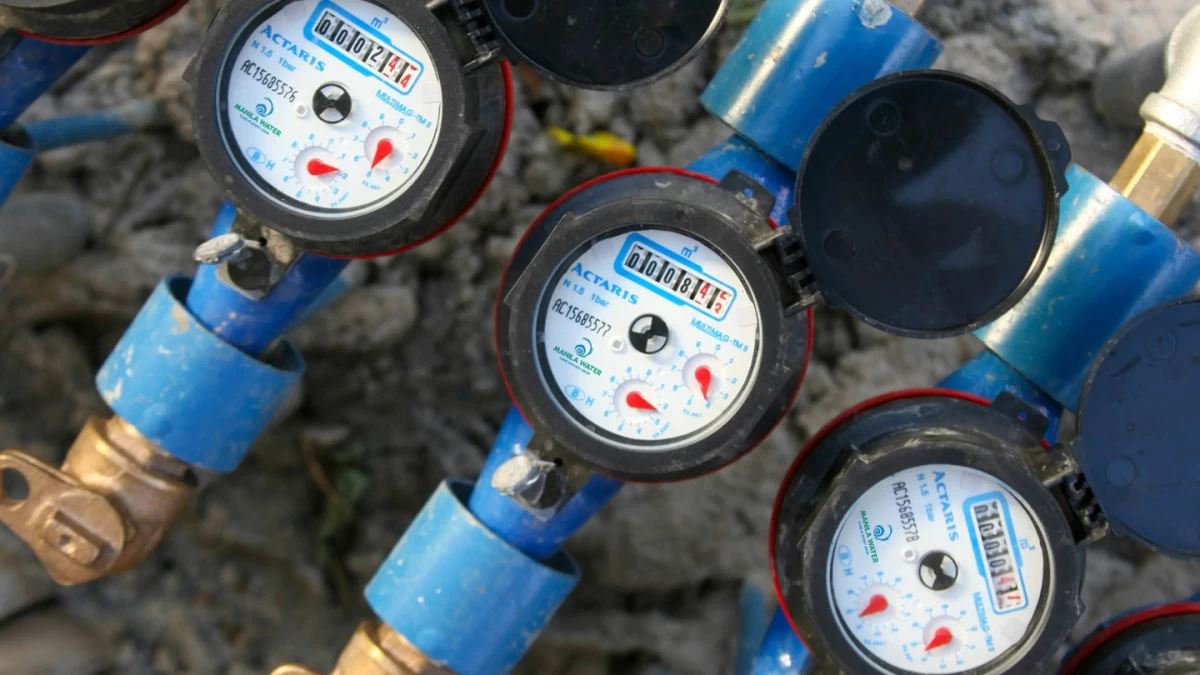
Maynilad Water Services Inc. will lower water tariffs for the third quarter starting July 1 on the back of stronger peso that has reduced the cost of servicing the utility’s foreign debt.
The Metropolitan Waterworks and Sewerage System Regulatory Office (MWSS-RO) approved a rate rollback of ₱0.12 per cubic meter for Maynilad customers, Chief Regulator Patrick Lester N. Ty said in a virtual media briefing on Thursday, June 4.
The downward adjustment due to the decline in the Foreign Currency Differential Adjustment (FCDA) to a negative ₱0.25 per cubic meter from negative ₱0.13 per cubic meter in the second quarter.
The quarterly adjustment mechanism offsets or surcharges consumers based on fluctuations in foreign exchange rates. Water concessionaires use these tariff revenues to fund capital expenditures, network expansions, and wastewater treatment upgrades.
Ty said the third-quarter tariff reduction was primarily driven by the appreciation of the peso against the Japanese yen. Nearly half of Maynilad’s outstanding foreign debt is denominated in yen, making the concessionaire a major beneficiary of the currency movement. The cost relief comes as local consumers grapple with persistent inflation and elevated commodity prices.
By contrast, customers of East Zone concessionaire Manila Water Co. will see no tariff adjustments from July through September.
Ty explained that the calculated currency fluctuation for Manila Water amounted to less than ₱0.01 per cubic meter, making a structural rate change impractical for the three-month period.
Manila Water’s FCDA will remain flat at ₱0.39 per cubic meter, which represents 0.76 percent of its ₱50.70 average basic charge.
Both concessionaires are continuing infrastructure rollouts to stabilize the capital's water supply. Maynilad said earlier this week that its ₱955 million Parada Pumping Station and Reservoir project in Valenzuela City is 90 percent complete. The facility will add 40 million liters of storage capacity and boost water pressure for approximately 50,000 residents once fully operational.
Meanwhile, Manila Water is upgrading alternative raw water facilities to diversify its supply lines and reduce reliance on Angat Dam, the primary water source for Metro Manila.