ADVERTISEMENT

Manila defends labor policies against burdensome US trade penalties

Published Jun 4, 2026 05:35 pm
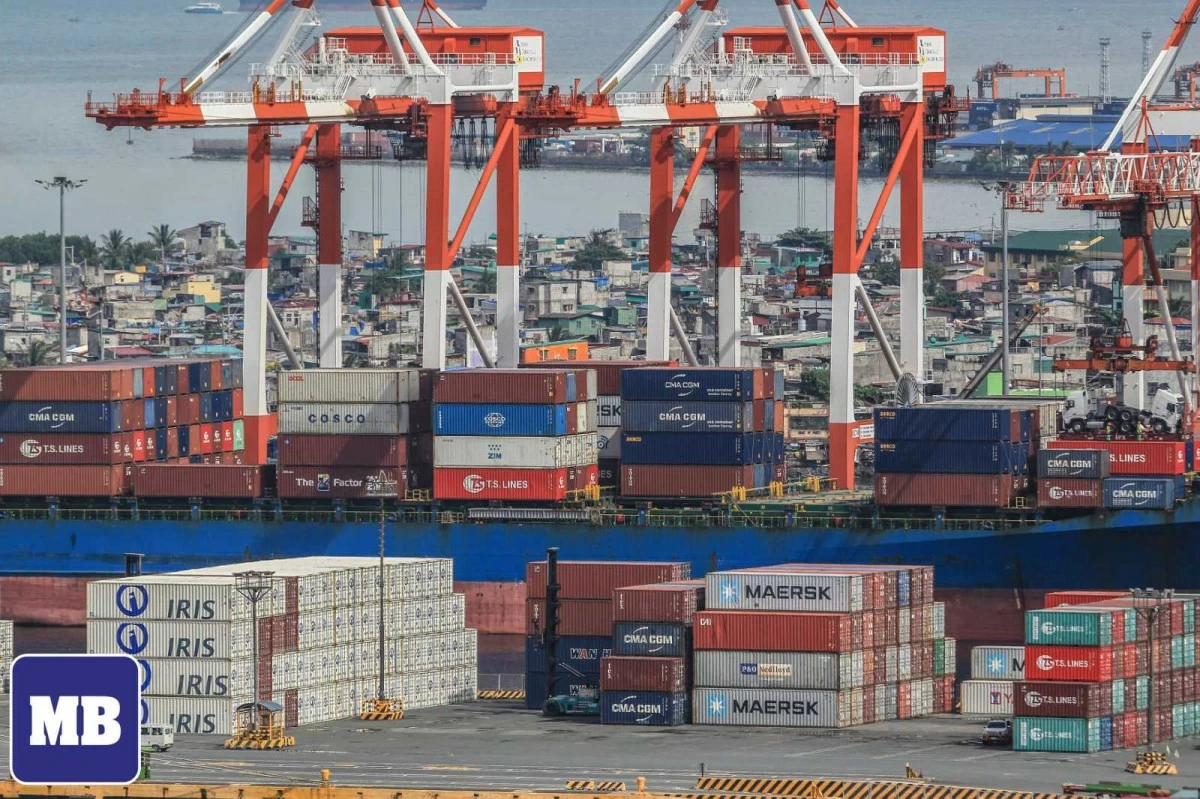
(Manila Bulletin file photo)
The Philippines is now taking steps to evade the imposition of a 12.5-percent tariff from the United States (US) over its alleged failure to crack down on the importation of goods made with forced labor.
Trade Undersecretary Allan Gepty said the government would respond to the proposed duties by the Office of the US Trade Representative (USTR), reiterating the country’s stance that it has a strong legal framework against forced labor.
“The report is still for comment. Affected countries have until July 6 to comment,” Gepty told Manila Bulletin.
“In any case, the Philippines is actively engaging with the US and submits that the country has a strong policy against forced labor,” he added.
In a statement on Tuesday, June 2 (US time), the USTR said its investigation found that the Philippines and 53 other economies have failed to impose and effectively enforce a ban on trade in goods produced with forced labor.
It stressed that the lack of safeguards against forced labor goods is not only unreasonable but also burdensome and restrictive to US commerce, including its workers.
In retaliation, the USTR will impose a tariff rate of 12.5 percent on certain imports from the Philippines.
The country would have faced a lower 10 percent duty if it had imposed a forced labor import ban or implemented a “partial regime” preventing the trade of such goods.
These tariffs include specific product exemptions, including agricultural commodities, raw minerals, and electronic products such as semiconductor devices.
The USTR said it would accept comments on the proposed tariffs until July 6, with a public hearing on the matter scheduled for the following day.
In an earlier submission to the USTR, Gepty acknowledged that the Philippines currently has no explicit import prohibition on goods made with forced labor. certain
However, he said this does not automatically mean that the country’s current policy and practices are “unreasonable, discriminatory, and causes burden or restrict US commerce.”
“The absence of an explicit statutory ban on the import of goods produced with forced labor should not be interpreted as the Philippines' acceptance or tolerance of such practices,” Gepty said in a comment seen by Manila Bulletin.
“The Philippine government is actively addressing the need for specific regulatory frameworks through ongoing legislative and policy reforms to strengthen enforcement measures,” he added.
The Philippine Exporters Confederation Inc. (Philexport) also countered the USTR’s claims, saying that local exporters are compliant with labor standards and responsible sourcing.
“We urge the USTR to engage in constructive dialogue with Philippine authorities and the private sector to better appreciate the reforms already undertaken and the continuing measures being implemented,” said Philexport President Sergio Ortiz-Luis Jr.
He said the country’s negotiators, who are led by Gepty, should directly ask the US to determine “which products and country the violations are coming from” so that the government would be able to identify its lapses.
“The US needs to share specific details on such cases so we are not working blindly,” said Ortiz-Luis.

Related Tags

Office of the United States Trade Representative (USTR) Allan Gepty
ADVERTISEMENT
.most-popular .layout-ratio{ padding-bottom: 79.13%; } @media (min-width: 768px) and (max-width: 1024px) { .widget-title { font-size: 15px !important; } }

{{ articles_filter_1561_widget.title }}

.most-popular .layout-ratio{ padding-bottom: 79.13%; } @media (min-width: 768px) and (max-width: 1024px) { .widget-title { font-size: 15px !important; } }

{{ articles_filter_1562_widget.title }}

.most-popular .layout-ratio{ padding-bottom: 79.13%; } @media (min-width: 768px) and (max-width: 1024px) { .widget-title { font-size: 15px !important; } }

{{ articles_filter_1563_widget.title }}

{{ articles_filter_1564_widget.title }}

.mb-article-details { position: relative; } .mb-article-details .article-body-preview, .mb-article-details .article-body-summary{ font-size: 17px; line-height: 30px; font-family: "Libre Caslon Text", serif; color: #000; } .mb-article-details .article-body-preview iframe , .mb-article-details .article-body-summary iframe{ width: 100%; margin: auto; } .read-more-background { background: linear-gradient(180deg, color(display-p3 1.000 1.000 1.000 / 0) 13.75%, color(display-p3 1.000 1.000 1.000 / 0.8) 30.79%, color(display-p3 1.000 1.000 1.000) 72.5%); position: absolute; height: 200px; width: 100%; bottom: 0; display: flex; justify-content: center; align-items: center; padding: 0; } .read-more-background a{ color: #000; } .read-more-btn { padding: 17px 45px; font-family: Inter; font-weight: 700; font-size: 18px; line-height: 16px; text-align: center; vertical-align: middle; border: 1px solid black; background-color: white; } .hidden { display: none; }
function initializeAllSwipers() { // Get all hidden inputs with cms_article_id document.querySelectorAll('[id^="cms_article_id_"]').forEach(function (input) { const cmsArticleId = input.value; const articleSelector = '#article-' + cmsArticleId + ' .body_images'; const swiperElement = document.querySelector(articleSelector); if (swiperElement && !swiperElement.classList.contains('swiper-initialized')) { new Swiper(articleSelector, { loop: true, pagination: false, navigation: { nextEl: '#article-' + cmsArticleId + ' .swiper-button-next', prevEl: '#article-' + cmsArticleId + ' .swiper-button-prev', }, }); } }); } setTimeout(initializeAllSwipers, 3000); const intersectionObserver = new IntersectionObserver( (entries) => { entries.forEach((entry) => { if (entry.isIntersecting) { const newUrl = entry.target.getAttribute("data-url"); if (newUrl) { history.pushState(null, null, newUrl); let article = entry.target; // Extract metadata const author = article.querySelector('.author-section').textContent.replace('By', '').trim(); const section = article.querySelector('.section-info ').textContent.replace(' ', ' '); const title = article.querySelector('.article-title h1').textContent; // Parse URL for Chartbeat path format const parsedUrl = new URL(newUrl, window.location.origin); const cleanUrl = parsedUrl.host + parsedUrl.pathname; // Update Chartbeat configuration if (typeof window._sf_async_config !== 'undefined') { window._sf_async_config.path = cleanUrl; window._sf_async_config.sections = section; window._sf_async_config.authors = author; } // Track virtual page view with Chartbeat if (typeof pSUPERFLY !== 'undefined' && typeof pSUPERFLY.virtualPage === 'function') { try { pSUPERFLY.virtualPage({ path: cleanUrl, title: title, sections: section, authors: author }); } catch (error) { console.error('ping error', error); } } // Optional: Update document title if (title && title !== document.title) { document.title = title; } } } }); }, { threshold: 0.1 } ); function showArticleBody(button) { const article = button.closest("article"); const summary = article.querySelector(".article-body-summary"); const body = article.querySelector(".article-body-preview"); const readMoreSection = article.querySelector(".read-more-background"); // Hide summary and read-more section summary.style.display = "none"; readMoreSection.style.display = "none"; // Show the full article body body.classList.remove("hidden"); } document.addEventListener("DOMContentLoaded", () => { let loadCount = 0; // Track how many times articles are loaded const offset = [1, 2, 3, 4, 5, 6, 7, 8, 9, 10]; // Offset values const currentUrl = window.location.pathname.substring(1); let isLoading = false; // Prevent multiple calls if (!currentUrl) { console.log("Current URL is invalid."); return; } const sentinel = document.getElementById("load-more-sentinel"); if (!sentinel) { console.log("Sentinel element not found."); return; } function isSentinelVisible() { const rect = sentinel.getBoundingClientRect(); return ( rect.top < window.innerHeight && rect.bottom >= 0 ); } function onScroll() { if (isLoading) return; if (isSentinelVisible()) { if (loadCount >= offset.length) { console.log("Maximum load attempts reached."); window.removeEventListener("scroll", onScroll); return; } isLoading = true; const currentOffset = offset[loadCount]; window.loadMoreItems().then(() => { let article = document.querySelector('#widget_1690 > div:nth-last-of-type(2) article'); intersectionObserver.observe(article) loadCount++; }).catch(error => { console.error("Error loading more items:", error); }).finally(() => { isLoading = false; }); } } window.addEventListener("scroll", onScroll); });

Sign up by email to receive news.