







A beginner's guide to fountain pens
From avoiding common mistakes to choosing the right one, here's how to start writing with fountain pens
Published Jun 4, 2026 11:53 am


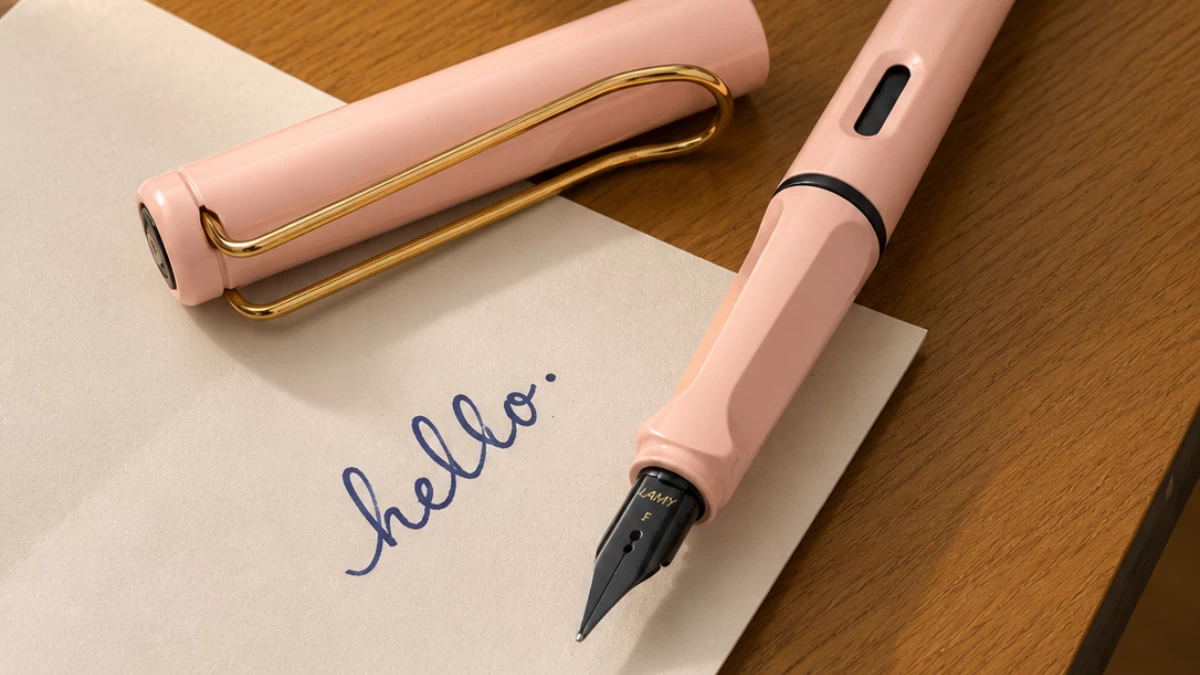
Fountain pen guide
As students prepare for the opening of the 2026-2027 school year, notebooks, bags, and writing tools are once again finding their way into shopping carts. While today's generation has grown up surrounded by digital devices, many young people are rediscovering the appeal of putting pen to paper. Among the writing tools enjoying renewed interest are fountain pens, known for their smooth writing experience and personal touch.
For beginners, however, fountain pens can seem intimidating. To help first-time users get started, Manila Bulletin spoke with Kathy Kenny Balmores, the crafter behind Ang Arty ni Kathy and an associate of The Crafters Marketplace Manila. Through her journaling workshops, she has introduced many newcomers to the hobby and shared practical tips for those looking to make the switch.

Kathy Kenny Balmores (Photos: Kathy Balmores)
Start simple
According to Kathy, aspiring users do not need expensive pens or perfect handwriting to enjoy fountain pens. "Start with an affordable beginner-friendly fountain pen and don't worry about having the perfect handwriting," she said. "Focus on enjoying the writing experience."
Unlike ballpoint pens, fountain pens require a lighter touch. Instead of pressing hard on the page, users should allow the pen to glide naturally across the paper.
Are fountain pens practical for students?
She believes fountain pens can work well for students, particularly those who enjoy writing by hand.
Because they require less pressure, fountain pens are often more comfortable during long writing sessions and may help reduce hand fatigue. However, students need to be more mindful of ink refills and paper quality than when using ordinary pens. Many users also appreciate the smoother writing experience, refillable design, and wide variety of available ink colors.
Avoid common mistakes
Kathy said that one of the most common mistakes among beginners is pressing too hard when writing. Another is leaving ink inside the pen for long periods without cleaning it. Using unsuitable paper can also affect performance and make writing less enjoyable.
To keep fountain pens in good condition, she recommends flushing them with clean water every few weeks, especially when changing ink colors. Users should also keep the cap on when not in use and store pens properly to prevent the nib from drying out.
A more intentional writing experience
Despite the rise of digital devices, fountain pens continue to appeal to younger generations. "Fountain pens offer something digital devices cannot: a personal and tactile experience," she said.
Many young people enjoy journaling, creative writing, sketching, and collecting stationery. For them, fountain pens make writing feel more intentional and enjoyable. Her advice for first-time users is simple: start small, experiment with different inks and papers, and enjoy the process.
"The hobby is about finding tools that make writing enjoyable," she said. "Most importantly, have fun with the experience."