






Manila Bulletin
 Business
Trade & Industry
US labor-tariff threat risks penalizing compliant exporters
Business
Trade & Industry
US labor-tariff threat risks penalizing compliant exporters
Business
Trade & Industry
US labor-tariff threat risks penalizing compliant exporters
US labor-tariff threat risks penalizing compliant exporters
Published Jun 3, 2026 05:51 pm


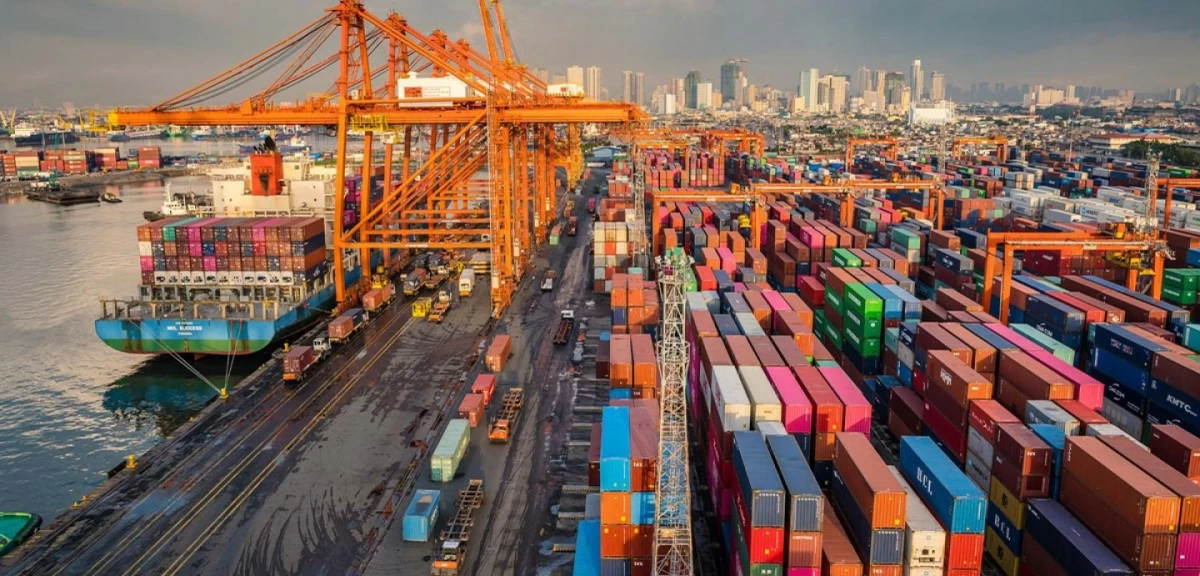
The country’s umbrella organization of exporters has raised alarm over the planned imposition of additional duties of up to 12.5 percent on shipments to the United States (US), arguing that the measure was proposed without basis.
Philippine Exporters Confederation Inc. (Philexport) President Sergio Ortiz-Luis Jr. said the tariff proposal by the Office of the United States Trade Representative (USTR) is not grounded in reality, as the country has a strong legal framework prohibiting forced labor.
“A blanket tariff approach risks penalizing compliant exporters and workers while overlooking the substantial reforms already undertaken by the Philippines,” he said.
The USTR is proposing a 12.5-percent tariff on economies that it found lacking in the prohibition of and enforcement against the importation of goods produced with forced labor.
The Philippines and 53 other US trading partners were found by the USTR to have failed to impose and effectively enforce a ban on imports produced with forced labor.
Based on its findings, the lack of these safeguard measures is considered unreasonable and burdensome to US commerce.
In response, Ortiz-Luis said there is no such practice among Philexport’s individual and organizational members, noting that local exporters comply with global labor and sourcing standards.
He said exporters are guided by local laws that strictly prohibit forced labor, slavery, involuntary servitude, and human trafficking. This is in addition to the country’s efforts to align its labor standards with those set by the International Labour Organization (ILO).
“We urge the USTR to engage in constructive dialogue with Philippine authorities and the private sector to better appreciate the reforms already undertaken and the continuing measures being implemented,” said Ortiz-Luis.
Ortiz-Luis, who also leads the Employers Confederation of the Philippines (ECOP), said the country’s chief negotiators should actively engage with their US counterparts to demonstrate its ongoing compliance efforts.
He added that the Philippines is not in the best position to determine which products and countries the violations are coming from.
“For this reason, the US needs to share specific details on such cases so we are not working blindly,” he said.
Based on its statement, the USTR’s proposed implementation of the 12.5-percent duties would exempt certain items listed under Annex A of its Federal Register notice.
For the Philippines, the most relevant exemptions include semiconductor devices, which are among the country’s top export commodities; agricultural commodities such as coconuts, bananas, pineapples, and mangoes; and raw minerals such as nickel ores and concentrates.
The USTR’s proposed tariffs are not yet final, as it is still accepting comments and proposed responsive actions from the investigated economies, including the Philippines, until July 7. (Dexter Barro II)