ADVERTISEMENT

Toyota supports Japan-Philippines bilateral relations with manufacturing commitment and ecosystem support

Published Jun 3, 2026 12:56 pm
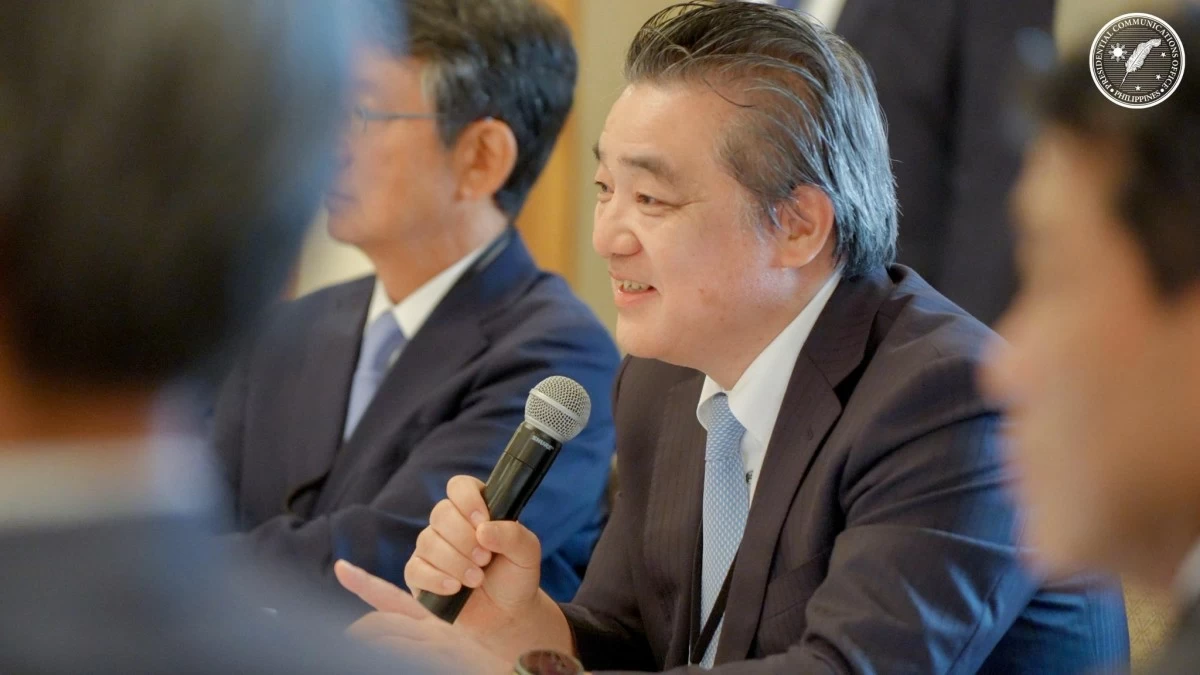
Toyota Asia Region CEO Masahiko Maeda (Photo courtesy of Presidential Communications Office)
Demonstrating the power of strategic economic partnership, Toyota reaffirmed its commitment to promoting bilateral relations between Japan and the Philippines during the recent high-level Tokyo Business Roundtable. Attended by President Ferdinand R. Marcos Jr. and top Japanese business executives, the high-level meeting highlighted how industrial synergy can build a more integrated, resilient, and future-ready economic corridor between the two nations.
President Marcos underscored the structural value of longtime Japanese investors like Toyota, shifting the bilateral narrative beyond standard trade into hard, long-term commercial infrastructure.
"Japanese companies have long been part of the Philippine story. But today, I want to say this clearly: you are no longer just investors in our economy; you are the builders of our economy. Across infrastructure, manufacturing, energy, mobility, logistics, digital transformation, trade, tourism, and services, Japanese enterprise has become deeply embedded in the Philippine development journey," President Marcos stated in the room of business leaders in Tokyo.
Representing Toyota Motor Corporation (TMC) at the roundtable, Asia Region CEO Masahiko Maeda highlighted the company’s deep economic footprints in the Philippines through almost 38 years of its business operations.
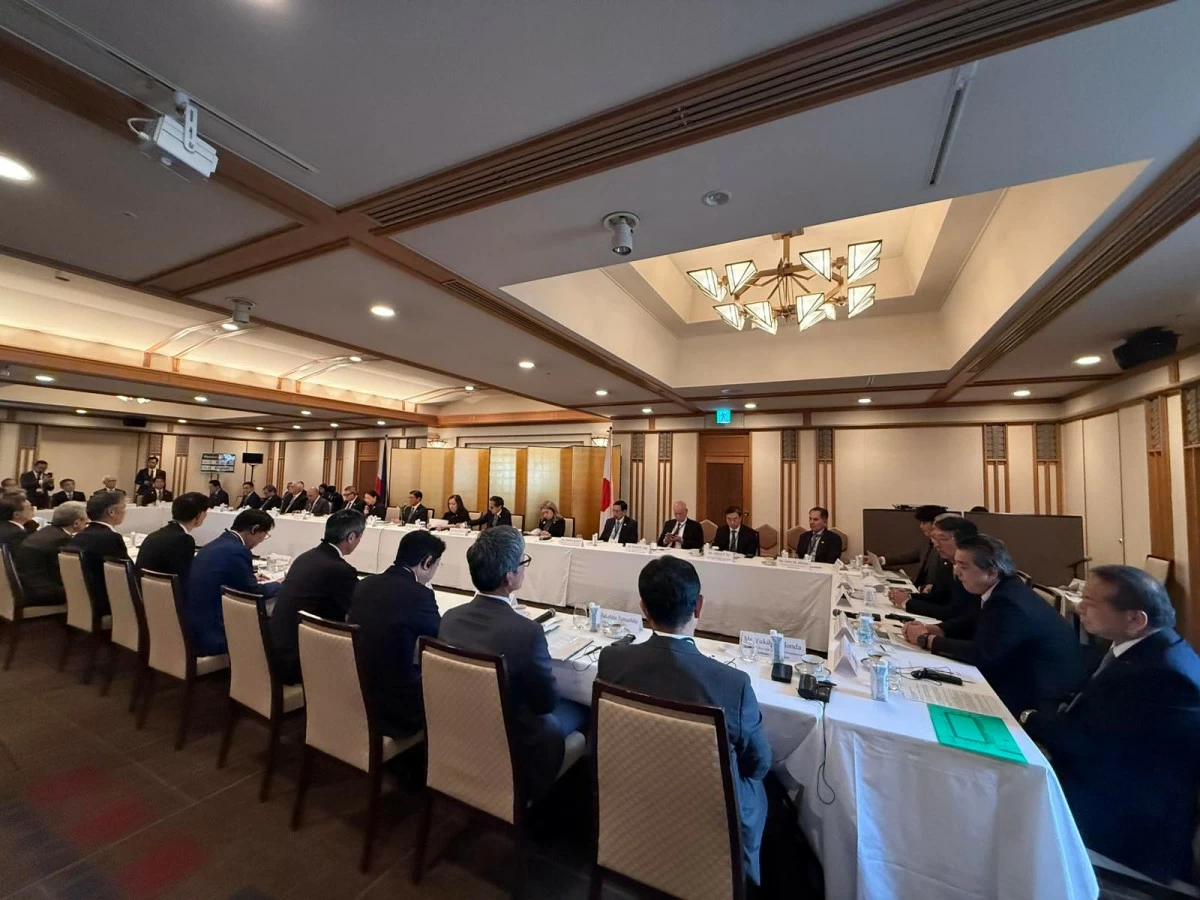
TMC and TMP high officials join the Tokyo Business Roundtable
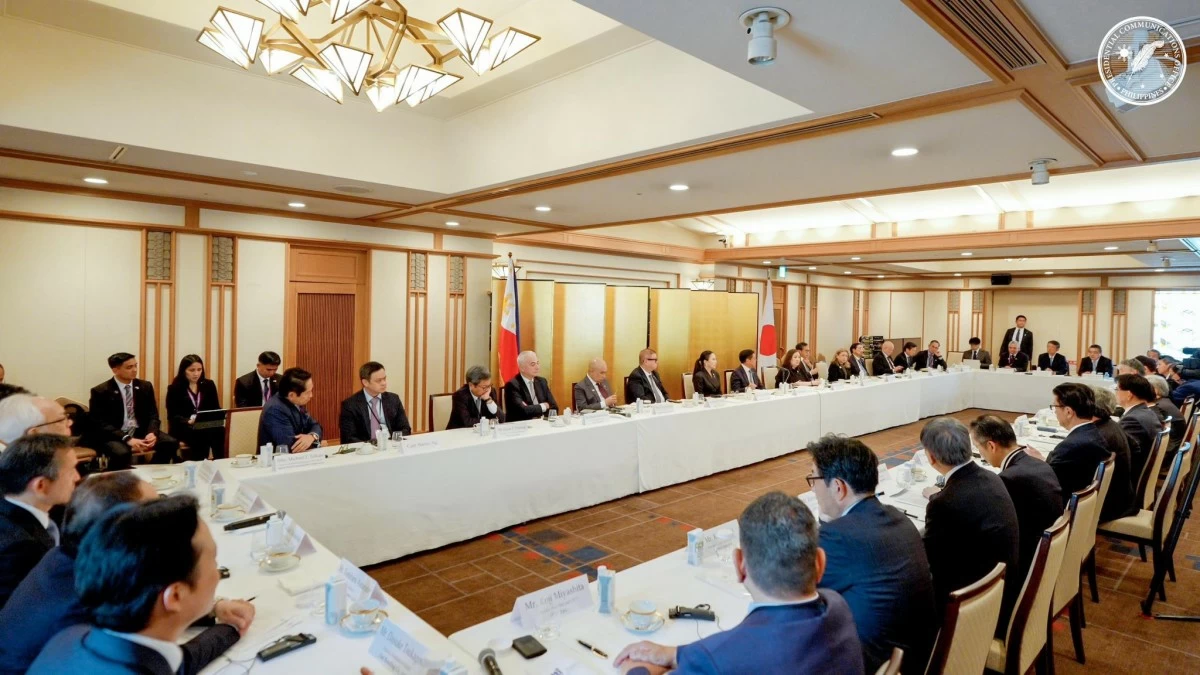
High-level Business Roundtable attended by Japanese business leaders held at the Imperial Hotel Tokyo (Photo courtesy of Presidential Communications Office)
"Toyota remains committed to being a reliable, long-term partner to the Philippines supporting industrial development and ASEAN cooperation... We encourage the government to promote CKD-based local manufacturing across all technologies... This will help Micro, Small, and Medium Enterprises (MSMEs), deepen localization, strengthen local suppliers including conversions, attract investment, and sustain employment," Maeda said at the roundtable.
Toyota Motor Philippines Corporation (TMP) spearheads the Philippine’s automotive manufacturing through the local production of iconic models like the Vios, Innova and the Tamaraw—a commercial vehicle designed to empower MSMEs and modernize public transport.
TMP continues to maintain Complete Knocked-Down (CKD) operations in the Philippines. In an evolving global supply chain, the importance of continued government support to sustain the local automotive manufacturing industry was highlighted, including for Internal Combustion Engine Vehicles (ICEV) that are deeply linked to the supply chain and everyday customers, enabling Mobility for All.
A cornerstone of the supply chain is Toyota Aisin Philippines, Inc. (TAP), which is engaged in automotive transmission production and exportation. Through TAP, the Toyota Group has cumulatively exported manual transmissions worth over USD 3.8 billion to global markets including Asia, Africa, and Latin America, positioning the Philippines as a vital hub in global automotive value chains.
Another key focus of Toyota's forward-looking strategy aligns with the Asian Zero Emission Community (AZEC) cooperation framework. In his speech, Mr. Maeda mentioned biofuels as a crucial element of energy security that can also support the Philippines’ agricultural sectors.
By encouraging the practical adoption of biofuels such as E20, B5, and beyond, the Philippines can enable a clean mobility ecosystem that directly engages local farmers into the energy supply chain, ensuring that the country’s path toward decarbonization remains economically inclusive, more self-reliant and secure.
The roundtable concluded with a massive vote of confidence from participating Japanese corporations, endorsing the Philippines' economic direction. Moving forward, the sustained collaboration between the Philippine government and industrial actors like Toyota, ensures that the 70-year diplomatic and economic alliance between the Philippines and Japan will continue to yield synergistic benefit in the mid- to long-term.

Related Tags

Toyota Motor Philippines Corporation
ADVERTISEMENT
.most-popular .layout-ratio{ padding-bottom: 79.13%; } @media (min-width: 768px) and (max-width: 1024px) { .widget-title { font-size: 15px !important; } }

{{ articles_filter_1561_widget.title }}

.most-popular .layout-ratio{ padding-bottom: 79.13%; } @media (min-width: 768px) and (max-width: 1024px) { .widget-title { font-size: 15px !important; } }

{{ articles_filter_1562_widget.title }}

.most-popular .layout-ratio{ padding-bottom: 79.13%; } @media (min-width: 768px) and (max-width: 1024px) { .widget-title { font-size: 15px !important; } }

{{ articles_filter_1563_widget.title }}

{{ articles_filter_1564_widget.title }}

.mb-article-details { position: relative; } .mb-article-details .article-body-preview, .mb-article-details .article-body-summary{ font-size: 17px; line-height: 30px; font-family: "Libre Caslon Text", serif; color: #000; } .mb-article-details .article-body-preview iframe , .mb-article-details .article-body-summary iframe{ width: 100%; margin: auto; } .read-more-background { background: linear-gradient(180deg, color(display-p3 1.000 1.000 1.000 / 0) 13.75%, color(display-p3 1.000 1.000 1.000 / 0.8) 30.79%, color(display-p3 1.000 1.000 1.000) 72.5%); position: absolute; height: 200px; width: 100%; bottom: 0; display: flex; justify-content: center; align-items: center; padding: 0; } .read-more-background a{ color: #000; } .read-more-btn { padding: 17px 45px; font-family: Inter; font-weight: 700; font-size: 18px; line-height: 16px; text-align: center; vertical-align: middle; border: 1px solid black; background-color: white; } .hidden { display: none; }
function initializeAllSwipers() { // Get all hidden inputs with cms_article_id document.querySelectorAll('[id^="cms_article_id_"]').forEach(function (input) { const cmsArticleId = input.value; const articleSelector = '#article-' + cmsArticleId + ' .body_images'; const swiperElement = document.querySelector(articleSelector); if (swiperElement && !swiperElement.classList.contains('swiper-initialized')) { new Swiper(articleSelector, { loop: true, pagination: false, navigation: { nextEl: '#article-' + cmsArticleId + ' .swiper-button-next', prevEl: '#article-' + cmsArticleId + ' .swiper-button-prev', }, }); } }); } setTimeout(initializeAllSwipers, 3000); const intersectionObserver = new IntersectionObserver( (entries) => { entries.forEach((entry) => { if (entry.isIntersecting) { const newUrl = entry.target.getAttribute("data-url"); if (newUrl) { history.pushState(null, null, newUrl); let article = entry.target; // Extract metadata const author = article.querySelector('.author-section').textContent.replace('By', '').trim(); const section = article.querySelector('.section-info ').textContent.replace(' ', ' '); const title = article.querySelector('.article-title h1').textContent; // Parse URL for Chartbeat path format const parsedUrl = new URL(newUrl, window.location.origin); const cleanUrl = parsedUrl.host + parsedUrl.pathname; // Update Chartbeat configuration if (typeof window._sf_async_config !== 'undefined') { window._sf_async_config.path = cleanUrl; window._sf_async_config.sections = section; window._sf_async_config.authors = author; } // Track virtual page view with Chartbeat if (typeof pSUPERFLY !== 'undefined' && typeof pSUPERFLY.virtualPage === 'function') { try { pSUPERFLY.virtualPage({ path: cleanUrl, title: title, sections: section, authors: author }); } catch (error) { console.error('ping error', error); } } // Optional: Update document title if (title && title !== document.title) { document.title = title; } } } }); }, { threshold: 0.1 } ); function showArticleBody(button) { const article = button.closest("article"); const summary = article.querySelector(".article-body-summary"); const body = article.querySelector(".article-body-preview"); const readMoreSection = article.querySelector(".read-more-background"); // Hide summary and read-more section summary.style.display = "none"; readMoreSection.style.display = "none"; // Show the full article body body.classList.remove("hidden"); } document.addEventListener("DOMContentLoaded", () => { let loadCount = 0; // Track how many times articles are loaded const offset = [1, 2, 3, 4, 5, 6, 7, 8, 9, 10]; // Offset values const currentUrl = window.location.pathname.substring(1); let isLoading = false; // Prevent multiple calls if (!currentUrl) { console.log("Current URL is invalid."); return; } const sentinel = document.getElementById("load-more-sentinel"); if (!sentinel) { console.log("Sentinel element not found."); return; } function isSentinelVisible() { const rect = sentinel.getBoundingClientRect(); return ( rect.top < window.innerHeight && rect.bottom >= 0 ); } function onScroll() { if (isLoading) return; if (isSentinelVisible()) { if (loadCount >= offset.length) { console.log("Maximum load attempts reached."); window.removeEventListener("scroll", onScroll); return; } isLoading = true; const currentOffset = offset[loadCount]; window.loadMoreItems().then(() => { let article = document.querySelector('#widget_1690 > div:nth-last-of-type(2) article'); intersectionObserver.observe(article) loadCount++; }).catch(error => { console.error("Error loading more items:", error); }).finally(() => { isLoading = false; }); } } window.addEventListener("scroll", onScroll); });

Sign up by email to receive news.