






Manila Bulletin
 Philippines
National
Poe calls House-passed National Nutrition Program Bill a boon for Pinoy youth
Philippines
National
Poe calls House-passed National Nutrition Program Bill a boon for Pinoy youth
Philippines
National
Poe calls House-passed National Nutrition Program Bill a boon for Pinoy youth
Poe calls House-passed National Nutrition Program Bill a boon for Pinoy youth
Published Jun 3, 2026 11:58 pm


At A Glance
- Rep. Brian Poe hails the House's June 3 approval of HB No. 9466, which expands the National Feeding Program into a comprehensive National Nutrition Program for Filipino children.
- He stressed that hunger and malnutrition hinder children's health, learning, and development, and said the measure ensures wider access to nutritious meals while involving schools, parents, LGUs, and communities.
- Poe emphasized that the program also supports farmers, fisherfolk, and the local economy.
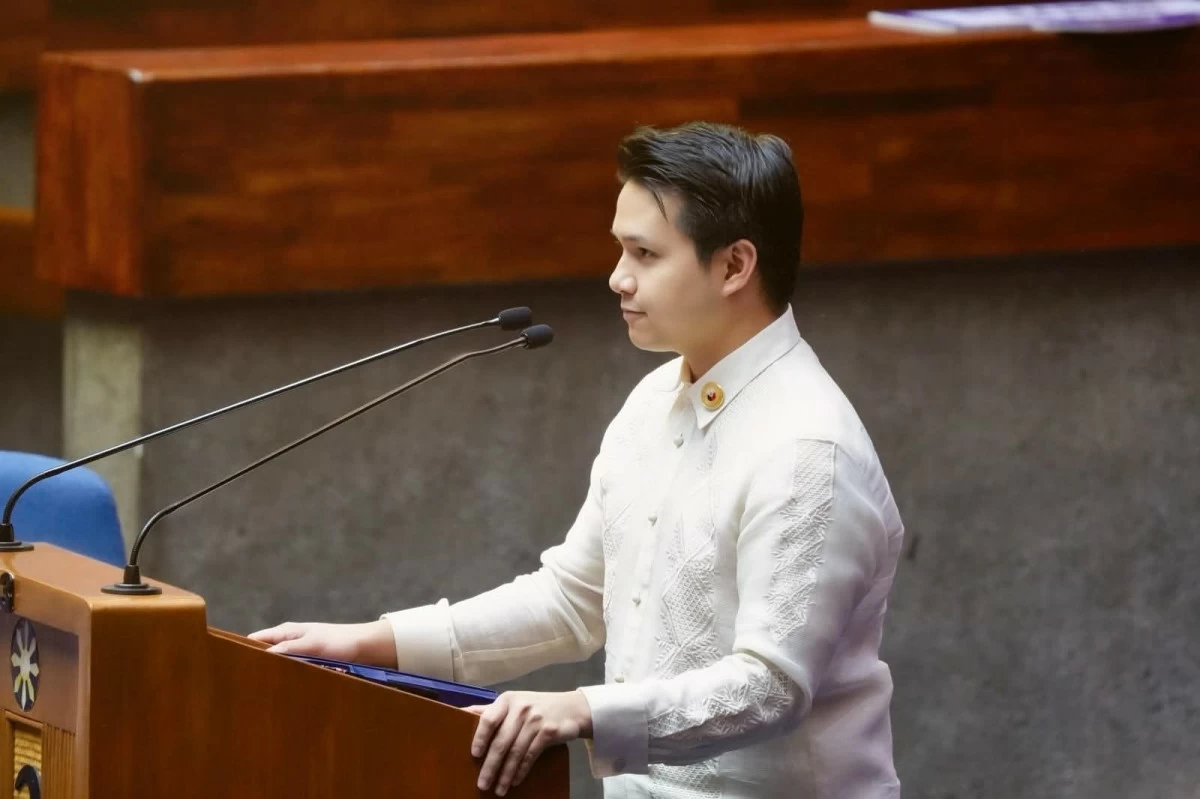
FPJ Panday Bayanihan Party-list Rep. Brian Poe (Contributed photo)
“A nutrition budget is a literacy budget."
FPJ Panday Bayanihan Party-list Rep. Brian Poe highlighted this on Wednesday night, June 3 as he hailed the House of Representatives' passage on third and final reading of House Bill (HB) No. 9466.
The proposed statute seeks to transform the current National Feeding Program into a broader and more comprehensive National Nutrition Program for Filipino children.
A principal author of the measure, Poe says the bill represents a significant step toward ensuring that more young Filipinos receive the nutrition support they need to grow, learn, and succeed.
The proposal amends Republic Act (RA) No. 11037, or the Masustansyang Pagkain para sa Batang Pilipino Act, by expanding its coverage and strengthening government efforts to combat child hunger and malnutrition.
According to Poe, addressing hunger is essential to improving educational outcomes and creating better opportunities for children. He noted that poor nutrition continues to undermine the health, learning capacity, and long-term development of many Filipino students.
“Naniniwala ako na ang gutom at malnutrisyon ay kabilang sa pinakamalalaking hadlang sa pag-unlad ng ating mga kabataan. Kapag ang isang bata ay pumapasok sa paaralan nang gutom, naapektuhan hindi lamang ang kanyang kalusugan kundi pati ang kanyang kakayahang matuto, at maabot ang kanyang buong potensyal,” said the neophyte solon from Pangasinan.
(I believe that hunger and malnutrition are among the biggest obstacles to the development of our youth. When a child goes to school hungry, it affects not only their health but also their ability to learn and reach their full potential.)
The bill aims to reach more beneficiaries by providing regular access to nutritious meals while promoting a whole-of-community approach to nutrition. It encourages stronger participation from schools, parents, local government units, and community partners to help ensure the program's effectiveness and sustainability.
“Sa pamamagitan ng panukalang ito, magiging mas malawak ang national feeding program at mas maraming batang Pilipino ang mabibigyan ng sapat at masustansyang pagkain,” added Poe.
(Through this proposal, the national feeding program will be expanded and more Filipino children will be provided with sufficient and nutritious food.)
Beyond its nutrition objectives, Poe emphasized that the proposal could also generate economic benefits by creating additional demand for agricultural and fishery products sourced from local producers.
“Mahalaga rin para sa akin na ang programang ito ay magbibigay din ng pagkakataon sa ating mga farmers, fisherfolk, at local economy para kumita at maghanapbuhay. Sa ganitong paraan, hindi lamang natin pinapalakas ang nutrisyon ng mga bata kundi sinusuportahan din natin ang kabuhayan ng mga pamilyang Pilipino,” Poe noted.
(It is also important to me that this program gives opportunities for our farmers, fisherfolk, and local economy to earn and find livelihood. In this way, we not only strengthen children’s nutrition but also support the livelihood of Filipino families.)
Poe likewise acknowledged the foundation laid by RA No. 11037, which was enacted during the 17th Congress through the efforts led by his mother, then-senator Grace Poe.
He expressed hope that the current Congress would build upon that legacy by institutionalizing a more expansive and inclusive nutrition program for Filipino children.
He called on the Senate to prioritize the bill's passage, stressing that its immediate approval would help ensure that more Filipino children receive the nutrition support necessary for healthy development and quality education.