ADVERTISEMENT

Philippines faces up to 12.5% US tariff after forced-labor probe

Published Jun 3, 2026 03:13 pm
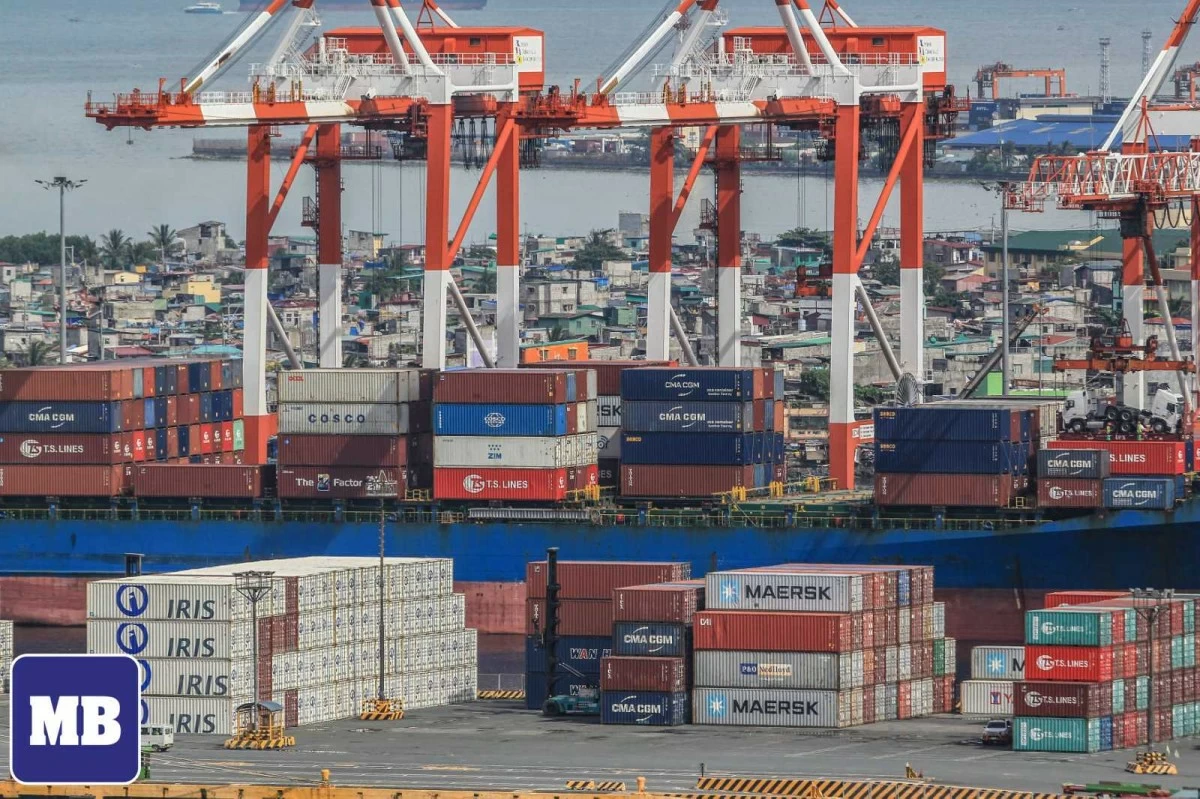
(Manila Bulletin file photo)

The Philippines could soon face additional duties of up to 12.5 percent on some of its exports to the United States (US) as a result of its alleged failure to enforce measures banning the entry of goods produced with forced labor.

The Office of the US Trade Representative (USTR) announced in a statement on Tuesday, June 2 (US time), that the Philippines is among the 54 economies that have failed to impose and effectively enforce a forced-labor import ban.

The USTR recently launched an investigation into 60 of its trading partners to determine whether their reported failure to prohibit the importation of goods produced with forced labor is unreasonable or discriminatory and whether it restricts US commerce.

USTR Ambassador Jamieson Greer said the failure to act places US businesses on “an unlevel playing field” when competing with companies that enjoy an artificial cost advantage due to forced-labor inputs.

“The failure of our most important trading partners to address the importation of goods made with forced labor is unacceptable,” he said. “We will no longer tolerate this disparity.”

Based on the USTR’s findings, the Philippines has failed to impose and effectively enforce a forced-labor import prohibition, which it considers “unreasonable” and restrictive to US businesses.

“For the foregoing reasons, the results of this investigation indicate that the acts, policies, and practices of the Philippines related to the failure to impose and effectively enforce a forced labor import prohibition are unreasonable and burden or restrict US commerce,” the USTR said.

Under Section 301(b) of the US Trade Act of 1974, the USTR will now take all appropriate and feasible action to eliminate the practice, including the imposition of additional tariffs on Philippine goods.

The USTR said it is proposing a tariff rate of 10 percent for economies that have imposed a forced-labor import ban, have committed to imposing and enforcing such a prohibition through an agreement on reciprocal tariffs, or have implemented a partial regime that effectively prevents the entry of goods produced with forced labor.

Since the Philippines is not covered by these provisions, it would be subject to a higher 12.5-percent tariff.

The USTR noted that certain imports under Annex A of its Federal Register notice would be exempt from the imposition of these additional duties.

Among the exempted products are agricultural commodities such as coconuts, bananas, pineapples, and mangoes; raw minerals such as nickel ores and concentrates; and certain semiconductor devices, which are among the country’s top export commodities.

The USTR’s proposed tariffs are not yet final, as it is still accepting comments and proposed responsive actions from the investigated economies until July 7.

During the investigation, Department of Trade and Industry (DTI) Undersecretary Allan B. Gepty asserted in a position paper that the Philippines has a strong legal framework prohibiting forced labor, grounded in “constitutional guarantees, detailed statutory provisions, and international obligations.”

“The absence of an explicit import prohibition does not automatically mean that the current policy and practices of the Philippines are unreasonable, discriminatory, and causes burden or restrict US commerce,” Gepty said in the April 14 position paper earlier reported by Manila Bulletin.

“In any case, the Philippines is focused on addressing this issue to further align its trade regime with changing international norms and to eliminate any residual space for conduct involving forced or compulsory labor,” he added.

Related Tags

Office of the United States Trade Representative (USTR) Philippines Tariffs
ADVERTISEMENT
.most-popular .layout-ratio{ padding-bottom: 79.13%; } @media (min-width: 768px) and (max-width: 1024px) { .widget-title { font-size: 15px !important; } }

{{ articles_filter_1561_widget.title }}

.most-popular .layout-ratio{ padding-bottom: 79.13%; } @media (min-width: 768px) and (max-width: 1024px) { .widget-title { font-size: 15px !important; } }

{{ articles_filter_1562_widget.title }}

.most-popular .layout-ratio{ padding-bottom: 79.13%; } @media (min-width: 768px) and (max-width: 1024px) { .widget-title { font-size: 15px !important; } }

{{ articles_filter_1563_widget.title }}

{{ articles_filter_1564_widget.title }}

.mb-article-details { position: relative; } .mb-article-details .article-body-preview, .mb-article-details .article-body-summary{ font-size: 17px; line-height: 30px; font-family: "Libre Caslon Text", serif; color: #000; } .mb-article-details .article-body-preview iframe , .mb-article-details .article-body-summary iframe{ width: 100%; margin: auto; } .read-more-background { background: linear-gradient(180deg, color(display-p3 1.000 1.000 1.000 / 0) 13.75%, color(display-p3 1.000 1.000 1.000 / 0.8) 30.79%, color(display-p3 1.000 1.000 1.000) 72.5%); position: absolute; height: 200px; width: 100%; bottom: 0; display: flex; justify-content: center; align-items: center; padding: 0; } .read-more-background a{ color: #000; } .read-more-btn { padding: 17px 45px; font-family: Inter; font-weight: 700; font-size: 18px; line-height: 16px; text-align: center; vertical-align: middle; border: 1px solid black; background-color: white; } .hidden { display: none; }
function initializeAllSwipers() { // Get all hidden inputs with cms_article_id document.querySelectorAll('[id^="cms_article_id_"]').forEach(function (input) { const cmsArticleId = input.value; const articleSelector = '#article-' + cmsArticleId + ' .body_images'; const swiperElement = document.querySelector(articleSelector); if (swiperElement && !swiperElement.classList.contains('swiper-initialized')) { new Swiper(articleSelector, { loop: true, pagination: false, navigation: { nextEl: '#article-' + cmsArticleId + ' .swiper-button-next', prevEl: '#article-' + cmsArticleId + ' .swiper-button-prev', }, }); } }); } setTimeout(initializeAllSwipers, 3000); const intersectionObserver = new IntersectionObserver( (entries) => { entries.forEach((entry) => { if (entry.isIntersecting) { const newUrl = entry.target.getAttribute("data-url"); if (newUrl) { history.pushState(null, null, newUrl); let article = entry.target; // Extract metadata const author = article.querySelector('.author-section').textContent.replace('By', '').trim(); const section = article.querySelector('.section-info ').textContent.replace(' ', ' '); const title = article.querySelector('.article-title h1').textContent; // Parse URL for Chartbeat path format const parsedUrl = new URL(newUrl, window.location.origin); const cleanUrl = parsedUrl.host + parsedUrl.pathname; // Update Chartbeat configuration if (typeof window._sf_async_config !== 'undefined') { window._sf_async_config.path = cleanUrl; window._sf_async_config.sections = section; window._sf_async_config.authors = author; } // Track virtual page view with Chartbeat if (typeof pSUPERFLY !== 'undefined' && typeof pSUPERFLY.virtualPage === 'function') { try { pSUPERFLY.virtualPage({ path: cleanUrl, title: title, sections: section, authors: author }); } catch (error) { console.error('ping error', error); } } // Optional: Update document title if (title && title !== document.title) { document.title = title; } } } }); }, { threshold: 0.1 } ); function showArticleBody(button) { const article = button.closest("article"); const summary = article.querySelector(".article-body-summary"); const body = article.querySelector(".article-body-preview"); const readMoreSection = article.querySelector(".read-more-background"); // Hide summary and read-more section summary.style.display = "none"; readMoreSection.style.display = "none"; // Show the full article body body.classList.remove("hidden"); } document.addEventListener("DOMContentLoaded", () => { let loadCount = 0; // Track how many times articles are loaded const offset = [1, 2, 3, 4, 5, 6, 7, 8, 9, 10]; // Offset values const currentUrl = window.location.pathname.substring(1); let isLoading = false; // Prevent multiple calls if (!currentUrl) { console.log("Current URL is invalid."); return; } const sentinel = document.getElementById("load-more-sentinel"); if (!sentinel) { console.log("Sentinel element not found."); return; } function isSentinelVisible() { const rect = sentinel.getBoundingClientRect(); return ( rect.top < window.innerHeight && rect.bottom >= 0 ); } function onScroll() { if (isLoading) return; if (isSentinelVisible()) { if (loadCount >= offset.length) { console.log("Maximum load attempts reached."); window.removeEventListener("scroll", onScroll); return; } isLoading = true; const currentOffset = offset[loadCount]; window.loadMoreItems().then(() => { let article = document.querySelector('#widget_1690 > div:nth-last-of-type(2) article'); intersectionObserver.observe(article) loadCount++; }).catch(error => { console.error("Error loading more items:", error); }).finally(() => { isLoading = false; }); } } window.addEventListener("scroll", onScroll); });

Sign up by email to receive news.