






Manila Bulletin
 Embassies & Foreign Affairs
Italy at 80: Reflecting on the Republic's legacy and future
Embassies & Foreign Affairs
Italy at 80: Reflecting on the Republic's legacy and future
Embassies & Foreign Affairs
Italy at 80: Reflecting on the Republic's legacy and future
Italy at 80: Reflecting on the Republic's legacy and future
As Italy marks the 80th anniversary of the Republic, it highlights its democratic foundations, global partnerships, and growing ties with the Philippines
By MBrand
Published Jun 3, 2026 05:35 pm


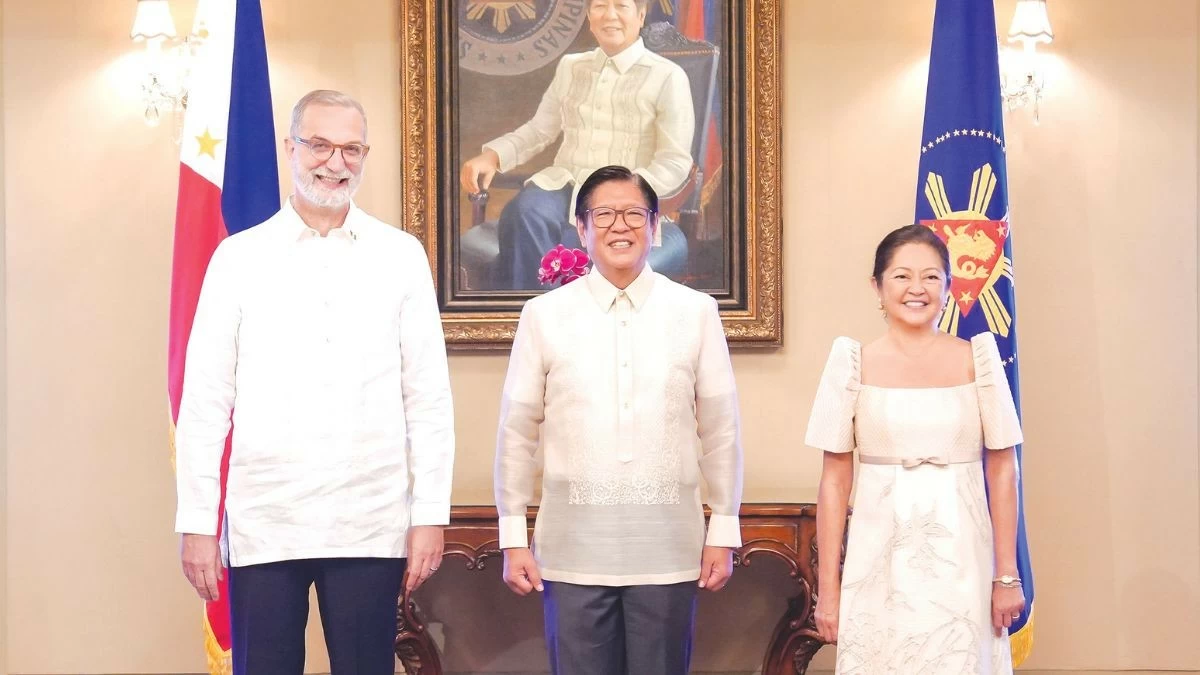
Davide Giglio, ambassador of Italy to the Philippines, with President Ferdinand Marcos Jr. and First Lady Liza Araneta-Marcos (Photo: Embassy of Italy in Manila)
The Italian Republic 1946-2026
June 2, 1946, was a watershed day in Italian history. After the end of World War II and the demise of the Fascist dictatorship, free elections were held. Women were called to the polls for the first time. The choice made on that date to dismiss the monarchy and adopt the republican system was crucial to the rebirth of Italy, which quickly rebounded and regained its place in the international community.
Over the past 80 years, the Italian Republic has kept its promises both domestically and on the international stage. It is a prosperous, stable, and fully reliable partner from political, economic, security, and defense perspectives. As the custodian of a civilization tracing back 3,000 years, it is also an indispensable cultural reference point in Europe and beyond.
Politically, the institutional framework established in 1946 has proved to be simultaneously stable, resilient, flexible, and capable of successfully accommodating emerging challenges and the evolving demands and needs of the nation.
Economically, the Italian Republic has assured constant and solid economic growth and unprecedented prosperity for its citizens. Italy, a country that accounts for just 0.2 percent of the world's landmass and 0.74 percent of the global population, remains among the world's top 10 most advanced economies. It sits in the G7 and the G20. It is a commercial powerhouse: the world's seventh-largest manufacturing country (and the second in the European Union), as well as the sixth-largest exporter globally, with a remarkable variety of products. It remains a primary magnet for foreign investment and tourist flows and an enduring source of aspirational lifestyles and quality products.
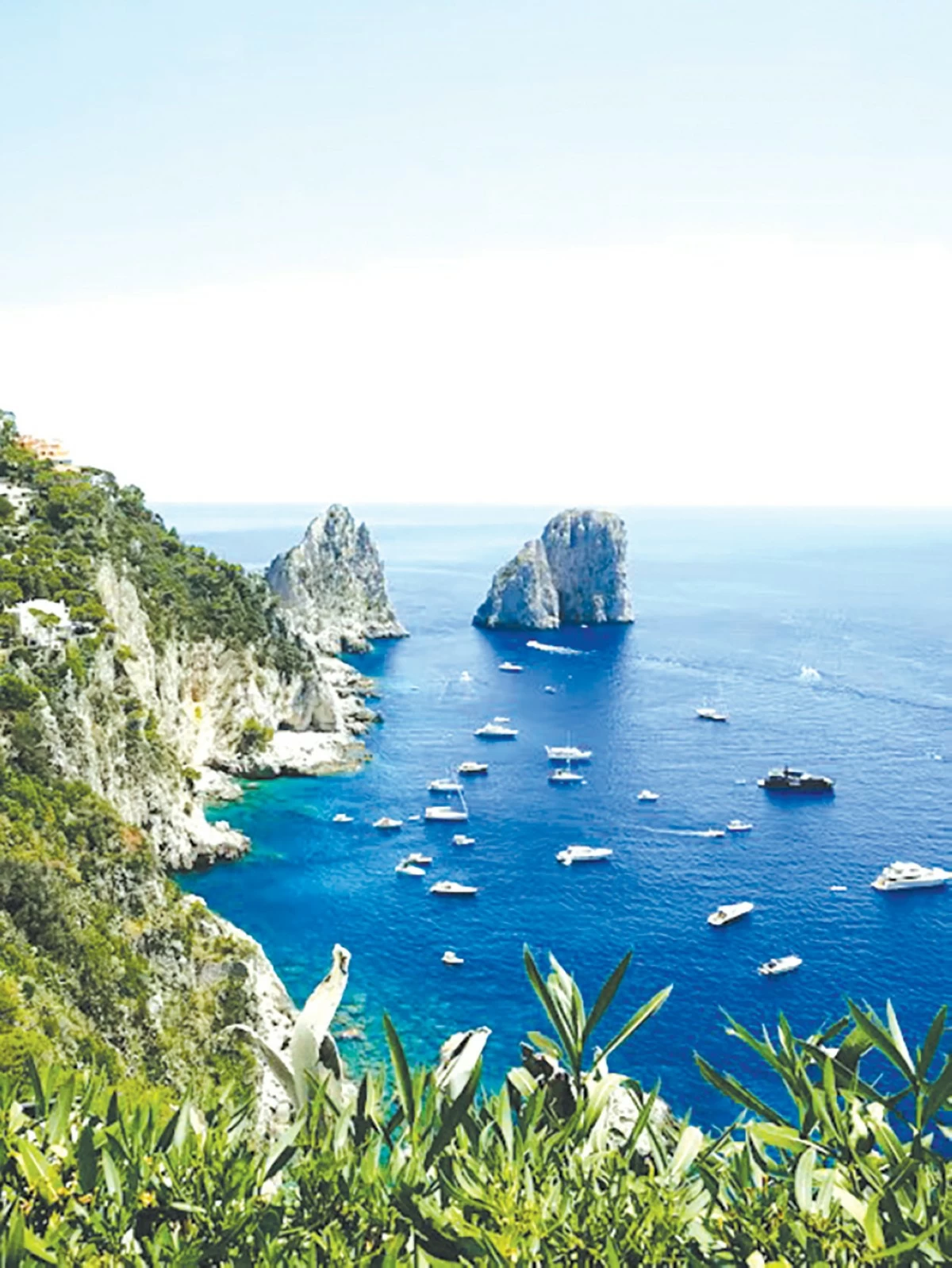
The Faraglioni, Isle of Capri (Photo: Embassy of Italy in Manila)
All these achievements were built on a core of values such as entrepreneurship, dedication to work, democracy, freedom, justice, and peace that were enshrined in the 1946 Constitution. That document remains today the bedrock of the rights and responsibilities that define Italian identity and the national community.
On the global stage, the Italian Republic set a clearly defined path from its earliest days. Europe and the Atlantic Alliance were its pillars. They remain so today. Italy was a founding member of NATO in 1949 and was among the six European countries that initiated the project that has blossomed into the European Union. Its entry into the family of the United Nations in 1955 sealed its vocation for peace, dialogue, and multilateralism.
The Republic is a major security provider. Today, Italy is the largest troop contributor among Western countries to U.N. peacekeeping operations and the seventh-largest contributor to the regular and peacekeeping budgets.
The path traced in 1946, both domestically and internationally, has served Italy well. It has consistently guided Italy on the international stage and will continue to represent the country's lodestar in the current troubled global environment.
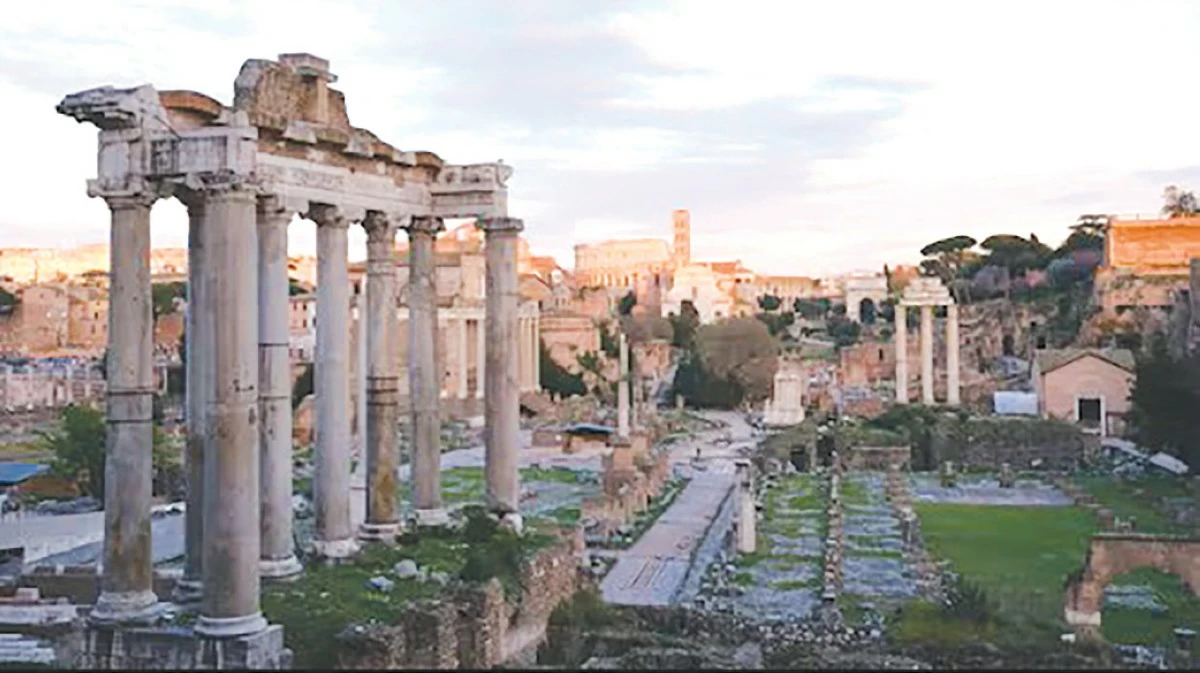
The Imperial Fora, Rome (Photo: Embassy of Italy in Manila)
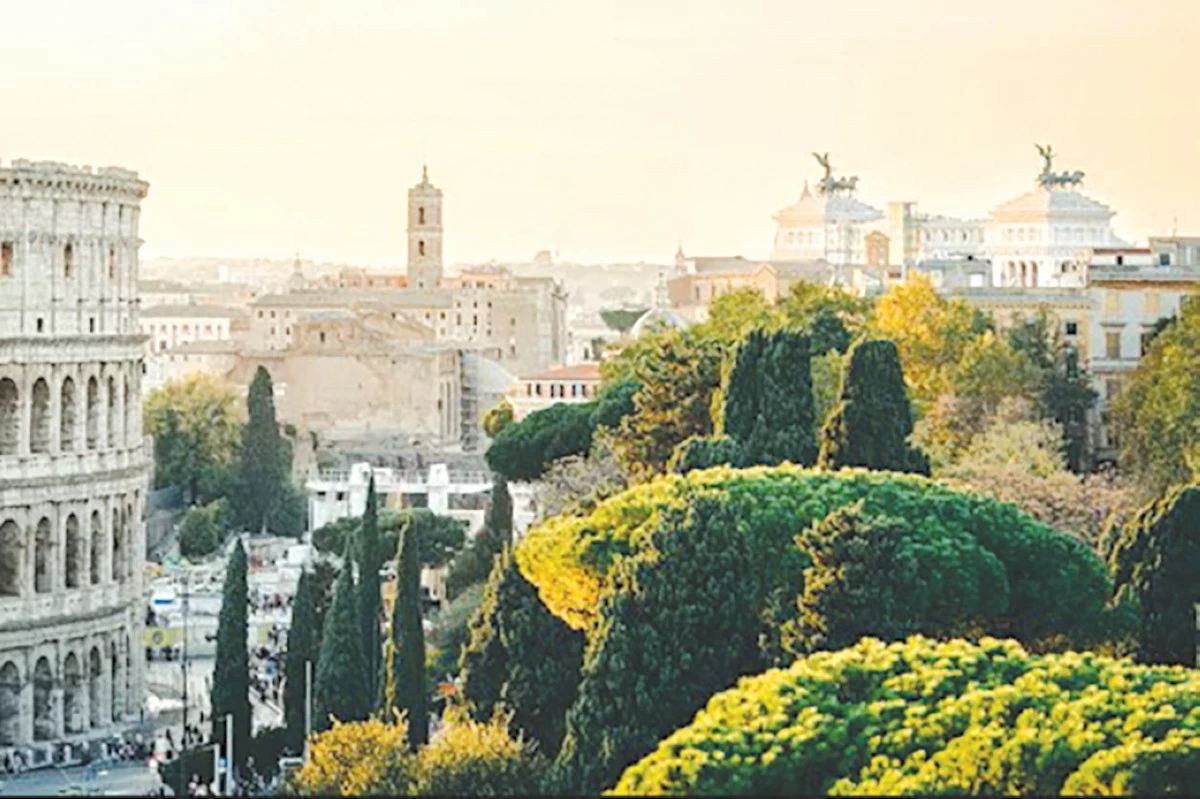
The Colosseum and the 'Altare della Patria', Rome (Photo: Embassy of Italy in Manila)
Italy remains committed to continuing support for Ukraine as it rebuts the Russian war of aggression launched in 2022 and resists efforts to forcefully redefine European balances and borders. Italy will continue to help contain escalation and heal the wounds in the Middle East, while alleviating the human tragedy in Gaza and its burden of civilian suffering. In the Persian Gulf, it stands ready to offer post-conflict contributions to international efforts aimed at restoring the peaceful passage of strategic trade waterways. In Africa, Italy will address the political instability and sectarian conflicts in the Sahel and the Horn of Africa that compound environmental crises, extreme poverty, and forced migration.
In the Indo-Pacific, it intends to pursue efforts in areas such as sustainable and inclusive prosperity, the green and digital transition, connectivity, security, and defense, and to help increase stability where competition among powers is resulting in increased friction.
In the vast Indo-Pacific, Italy feels a special bond with the Philippines. Italy and the Philippines are contemporary republics, having both been founded in 1946. Mutual respect has been a fundamental feature of the bilateral relationship.
Italy has been intensifying its efforts to assist the Philippines in various domains, with trade first and foremost. Italy looks forward to the success of the ongoing negotiations between the European Union and the Philippines for a free trade agreement. A renewed and more advanced framework will provide a powerful boost to bilateral trade ties, which remain below their full potential. In the defense and security domain, a landmark bilateral agreement was signed on Valentine's Day this year, setting the conditions for an expanded and advanced partnership. Recently, Italy participated in the Balikatan exercise for the first time.
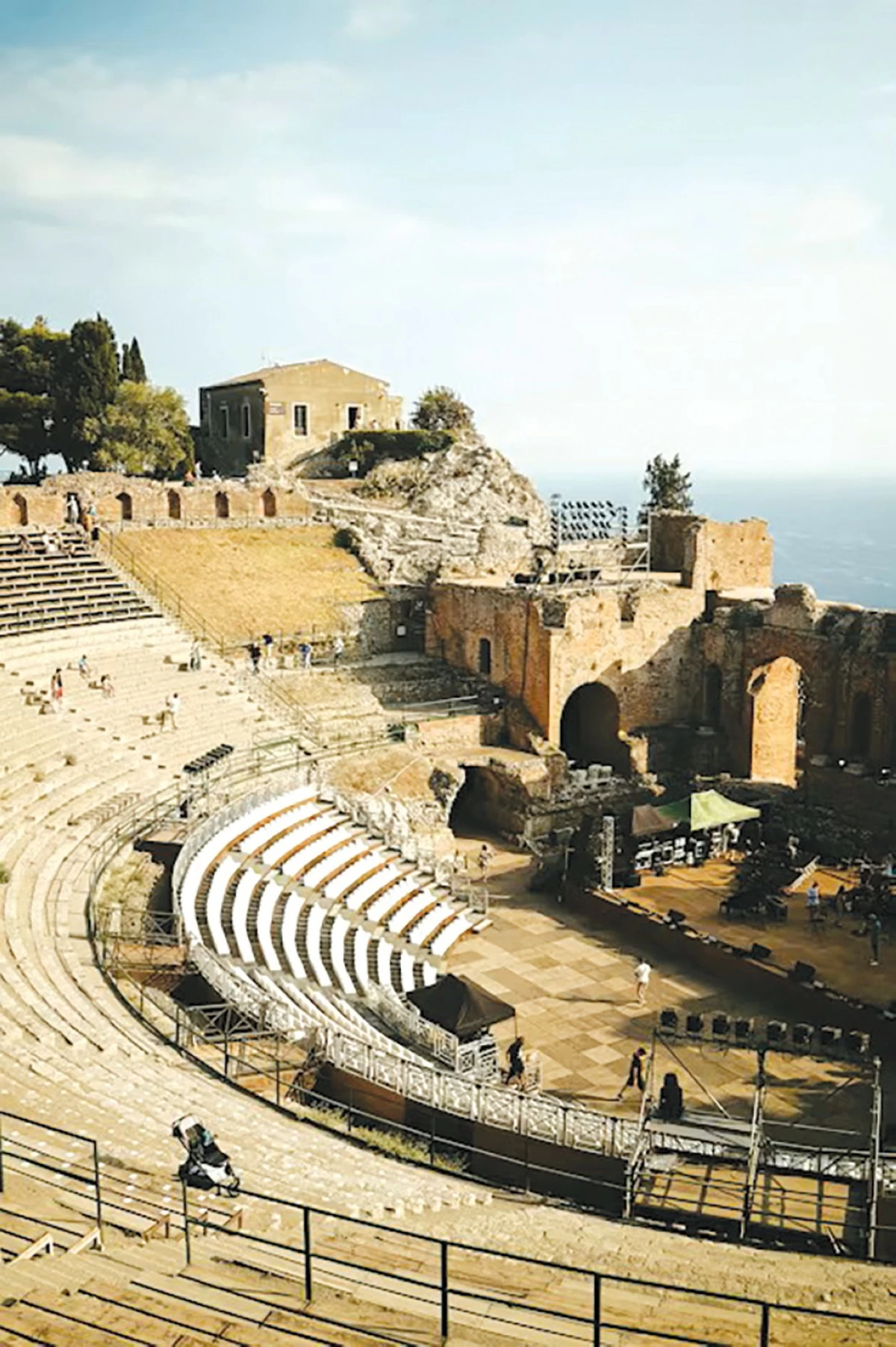
The Greek Theater, Taormina (Photo: Embassy of Italy in Manila)
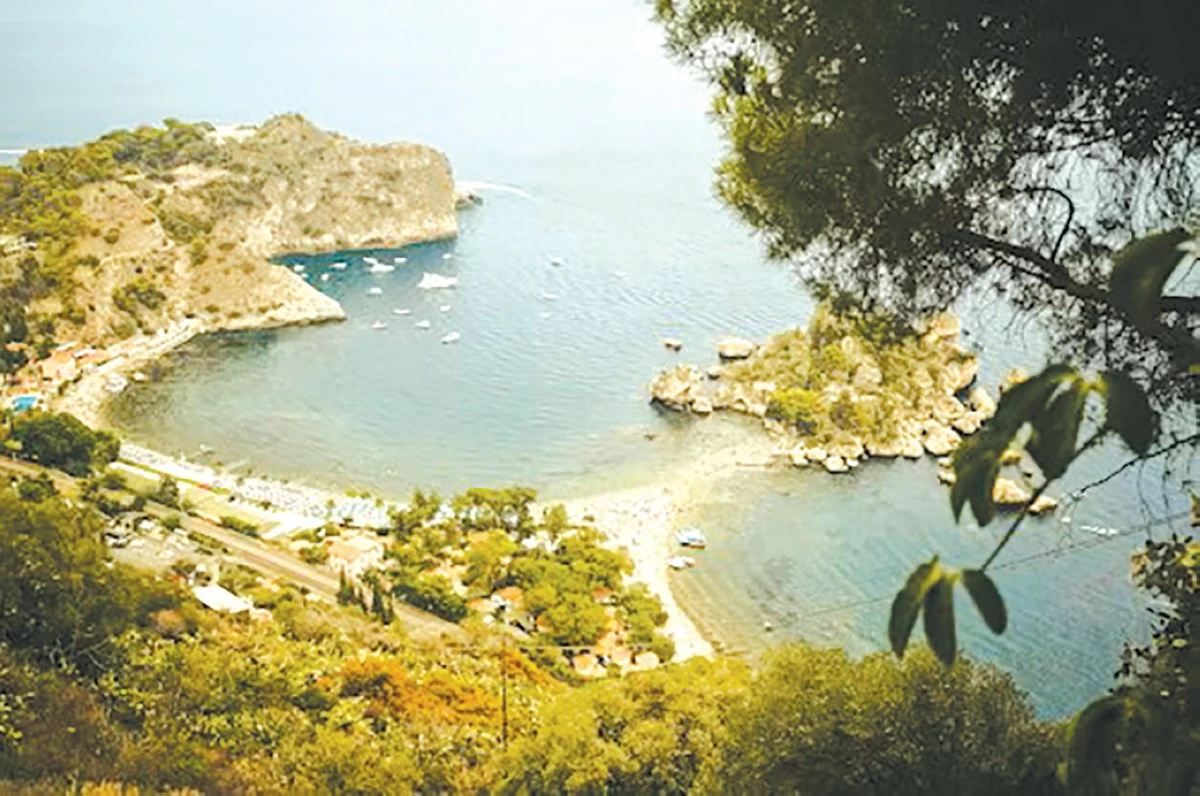
Taormina's beach and the 'Isola Bella' (Photo: Embassy of Italy in Manila)
In the economic domain, through its participation in the Luzon Economic Corridor initiative, Italy intends to signal its support for improved connectivity in the Philippines. Italy has long viewed with keen interest the Philippines' ambitious development programs. It has contributed to ongoing efforts to promote sustainable economic growth and infrastructure development in the country. Italian companies have been involved in high-profile projects in sectors such as transport infrastructure and semiconductor manufacturing. Italy intends to coordinate more intensively and connect more closely with like-minded partners and financial institutions to promote public and private investments in strategic infrastructure according to criteria of sustainability, resilience, quality, and inclusiveness.
Overall, bilateral cooperation is developing rapidly and across a broad front. Agreements are in the pipeline covering areas such as justice, agriculture, migration, social security, space, tourism, mobility, natural resources, culture, and cinema.
At the people-to-people level, the presence in Italy of the largest Filipino community in the European Union, numbering about 165,000 people, and known for being industrious and well integrated, constitutes a strong connection between the two countries. Bilateral collaboration is expected to become increasingly close, considering Italy's growing need for qualified labor in industries such as shipbuilding, seafaring, and nursing. Tourism flows have been developing in both directions. More than 70,000 arrivals from Italy were registered in the Philippines last year. The Embassy issued more than 35,000 visas to Filipinos.
In conclusion, the principles and spirit that inspired the establishment of the Italian Republic in 1946 remain strong and sound 80 years later. They are anchored in the Charter of the United Nations and remain a firm point of reference for the Italian nation. In the current international context, marked by hegemonic aspirations that disturb the global balance, Italy is committed to resisting impulses toward fragmentation and approaches that measure international relations on a zero-sum basis.
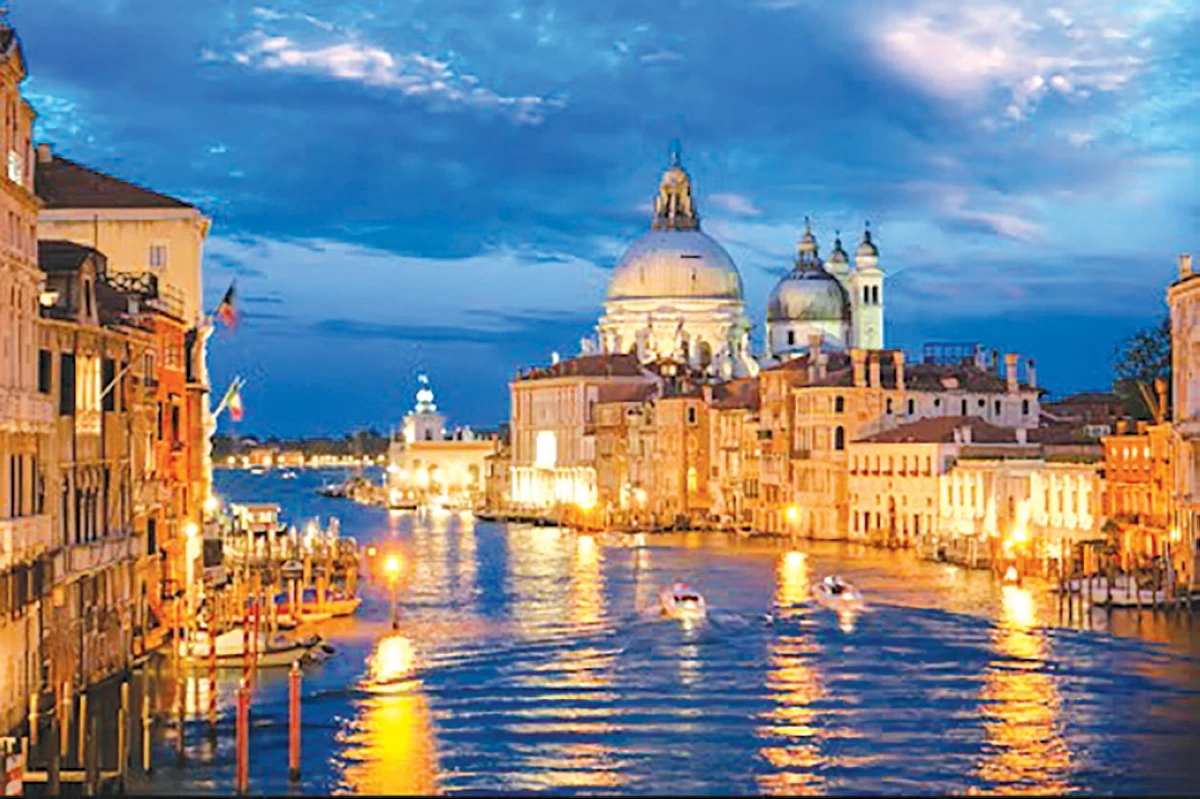
(Photo: Embassy of Italy in Manila)
Such impulses undermine a cooperative model of international engagement that has served the world well and that focuses on patiently building trust among states and peoples. Such a model is best served by international law and multilateralism, to which Italy remains firmly committed, as well as by cultivating the ability to listen and pursue mutually beneficial and shared solutions.
To pursue such a course, the European Union will continue to be a multiplier of Italian resources and policies and therefore play a central role in Italy's international activity. The actions of the Italian Republic are inseparable from those of the Union. Protecting its cohesion, prestige, strength, and effectiveness is, in reality, another way of promoting Italy's role, national interest, and capacity to lead globally.
To face profound transformations and unprecedentedly complex global challenges, Italy looks forward to forging partnerships worldwide, especially in the Philippines. Together, we can help ensure continued peace, prosperity, health, and success for our peoples and the rest of the world.
In a spirit of enduring friendship: Viva l'Italia! Viva le Filippine!