






Manila Bulletin
 World
Israel kills 11 in Lebanon, a day after Trump said Israel and Hezbollah will de-escalate
World
Israel kills 11 in Lebanon, a day after Trump said Israel and Hezbollah will de-escalate
World
Israel kills 11 in Lebanon, a day after Trump said Israel and Hezbollah will de-escalate
Israel kills 11 in Lebanon, a day after Trump said Israel and Hezbollah will de-escalate
Published Jun 3, 2026 08:40 am


BEIRUT (AP) — Israeli drone strikes on southern Lebanon on Tuesday killed 11 people, including a man along with his son and daughter, the state-run news agency said, a day after U.S. President Donald Trump said Israel and the militant group Hezbollah agreed to dial back fighting.
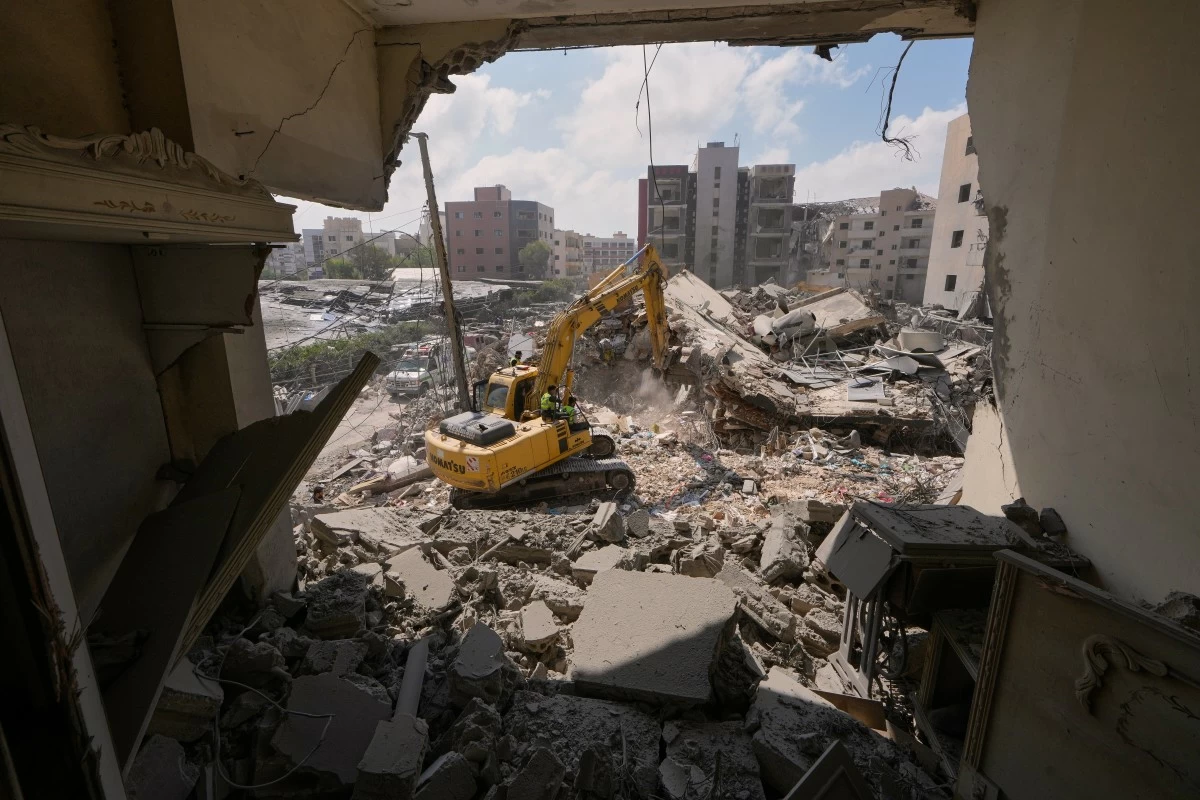
Rescue workers use an excavator, as they search for victims under the rubble of a building that was hit Monday in an Israeli airstrike in the southern port city of Tyre, Lebanon, Tuesday, June 2, 2026. (AP Photo/Mohammed Zaatari)
Hezbollah, which is backed by Iran, launched dozens of projectiles and drones toward Israeli soldiers in southern Lebanon and Israeli cities and towns in recent days as Israel's airstrikes killed dozens, including women and children, in Lebanon. Hezbollah did not carry out any attacks on Israel after Trump's announcement.
The ongoing hostilities — despite Trump's announcement and a nominal ceasefire that began in April — are deepening displacement for Lebanon's conflict-weary population. They also are a significant sticking point in negotiations to extend a ceasefire in the U.S.-Israeli war in Iran, as the Islamic Republic wants any such deal to end fighting in Lebanon, too.
Two semiofficial Iranian news agencies reported Tuesday that the country cut off communication with mediators facilitating the ceasefire talks.
Another round of talks between Israel and Lebanon began Tuesday in Washington, where Lebanese negotiators will seek a full ceasefire that will prevent future attacks. The talks began in April and were the first in more than three decades between the countries, which have no formal diplomatic relations. Hezbollah has rejected direct talks, counting on pressure from Iran.
The planned talks come days after Israeli ground troops made their deepest incursion into Lebanon in 26 years and Israel then threatened to strike Beirut's southern suburbs, causing panic in the Lebanese capital as thousands fled.
Israel says it will keep attacking if Hezbollah does
Trump said Monday he'd spoken with Israeli Prime Minister Benjamin Netanyahu and had communicated with Hezbollah through mediators, and that no troops would be "going to Beirut." But the intensity of attacks between Israel and Hezbollah continued.
Israeli Defense Minister Israel Katz said Tuesday that Israel previously refrained from attacking Beirut out of deference to negotiations between the U.S. and Iran. But he said Netanyahu informed Trump in a phone call late Monday that Israel will attack Beirut's southern suburbs if Hezbollah continues targeting northern Israel, echoing comments from the prime minister the previous day.
Lebanon's top political authorities insist that the talks must continue, despite Beirut's struggles in stopping the strikes, and the mounting pressure from over 1 million displaced people living in difficult conditions.
"Negotiations is the least costly option on Lebanon and the Lebanese people," Prime Minister Nawaf Salam said. "It is the shortest road to the occupation and allow our people in the south to return to the cities and villages."
An Israeli drone strike hit a car on the road linking the southern town of Marjayoun with the city of Nabatiyeh, killing James Karam, a dentist from the nearby Christian town of Qlayaa, along with his daughter and son, Lebanon's state-run National News Agency reported Tuesday.
The Lebanese army said two soldiers were lightly wounded when another drone targeted them on a road outside the city.
Drone strikes killed two Syrians working at a plant nursery in the village of Jibchit and two people in the nearby village of Toul, the news agency reported. A third strike hit a car near the village of Harouf, killing one person.
Two other airstrikes on southern Lebanon killed three people, according to NNA.
The Israeli military said it wasn't aware of any Israeli strikes in the area where Karam and his family members were killed.
NNA also reported that an Israeli airstrike in the southern village of Marwaniyeh on Monday killed six people from the Abdullah family. Hassan and his wife Hanan were killed alongside four children Ali, Ibrahim, Leen and Julia. A third son survived but is undergoing treatment.
Hezbollah said Tuesday its fighters fired anti-tank missiles on Israeli troops who were pushing into the southern village of Hadatha, about 7 kilometers (4 miles) from the Israeli border.
Sirens sounded in several areas in northern Israel, its military said in a statement. It added that "a suspicious aerial target" was identified in the area where Israeli soldiers are operating in southern Lebanon, but that no injuries were reported.
More than 3,400 people have been killed in Lebanon
The latest round of fighting between Israel and Hezbollah has killed 3,468 people in Lebanon and displaced more than 1 million people. According to Netanyahu's office, at least 27 Israeli soldiers and a defense contractor have been killed in or near southern Lebanon. Two civilians have also been killed in northern Israel.
Israel's military said late Monday that a soldier was killed in southern Lebanon. It added that seven more soldiers were wounded in the incident, three of them severely.
Hezbollah's use of hard-to-detect fiber-optic drones has been deadly for the Israeli military, which is struggling to respond.