







DTI defends proposed solar certification rules


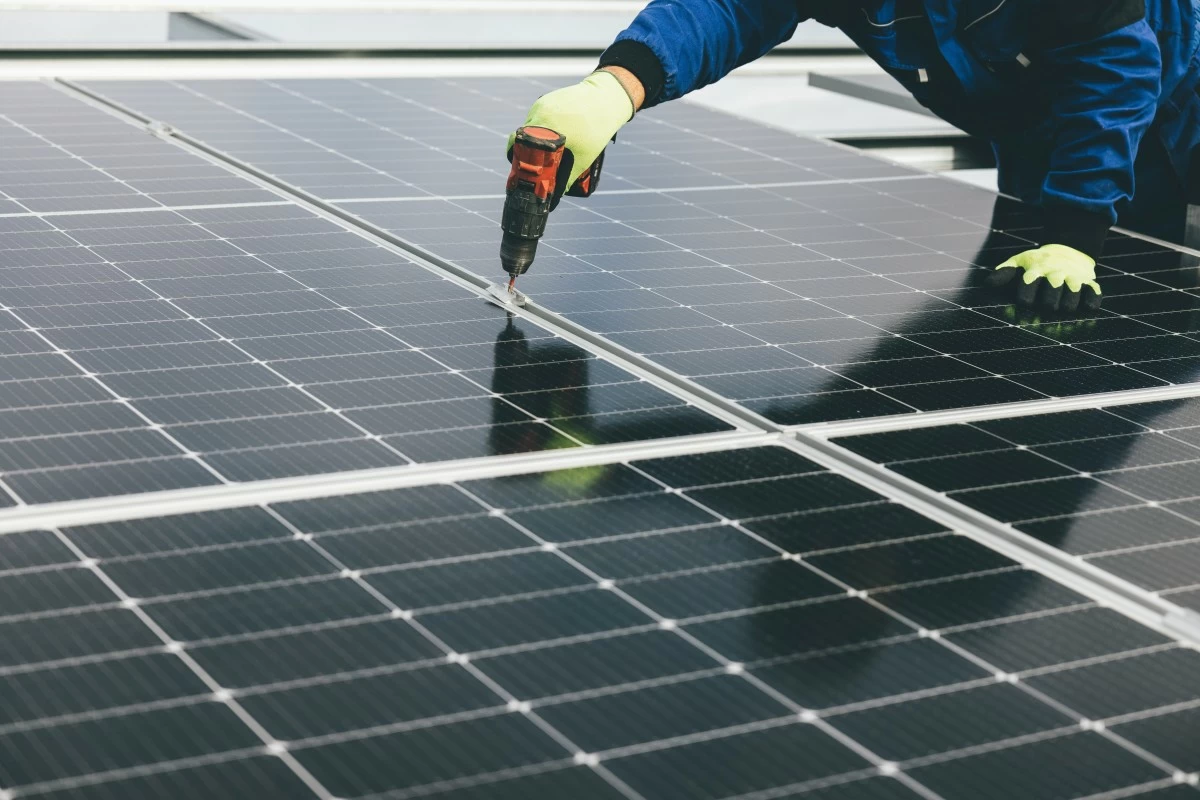
The Department of Trade and Industry (DTI) defended its proposed mandatory product certification for solar energy systems, saying the measure is aimed at protecting consumers from substandard products and preventing the Philippines from becoming a dumping ground for rejected equipment.
“As more Filipino families, businesses, and communities turn to solar power to lower electricity costs and secure a more stable energy future, it is important that the products entering the Philippine market are safe, reliable, and built to last,” Roque said.
According to the DTI chief, the proposal is intended to protect consumers from low-quality and potentially unsafe solar products that may fail after a short period of use or pose safety risks to homes and commercial establishments.
Roque said the planned certification system would also help prevent the entry of substandard solar products that have been rejected in other markets.
“By upholding clear quality standards, the government seeks to give Filipinos greater confidence that the solar systems they invest in are durable, properly tested, and capable of delivering real savings over the long term,” she said.
The DTI also clarified that the proposed regulation would recognize test reports issued by accredited and recognized testing laboratories and would not cover the installation or mounting of solar energy systems.
“As the country continues its transition toward cleaner and more affordable energy, ensuring the quality and safety of solar products is critical to protecting consumers, strengthening trust in renewable energy, and supporting the sustainable growth of the solar industry in the Philippines,” Roque said.
The DTI said it remains open to comments and recommendations on the proposed rules, with stakeholders and members of the public given until July 25 to submit feedback.
Roque’s statement comes a week after the DTI conducted a public consultation on a draft department administrative order (DAO) that would require solar energy systems and components to comply with the country’s safety and quality standards.
Under the draft DAO, solar energy components would be required to secure a Philippine Standards (PS) safety and quality certification mark before being allowed to enter the Philippine market.
The proposed regulation covers both local and foreign manufacturers of inverters, rapid shutdown devices, battery charge controllers, solar photovoltaic (PV) modules, PV cables, and battery energy storage systems (BESS).
The DTI earlier said importers of covered solar energy components would also be required to obtain an import commodity clearance (ICC) certification mark.
According to the agency, the stricter requirements are meant to safeguard consumers, ensure product reliability, and support the adoption of safe and efficient solar energy technologies.
The DTI has cited the rapid growth in solar installations nationwide, as well as concerns raised by electric utility firms over potential safety risks associated with unregulated or improperly installed solar facilities.
Under the draft rules, manufacturers would be given one year from the effectivity of the order to comply with the proposed requirements, while violators could face sanctions including show-cause orders, cease and desist orders, and product recalls.