






 Business
The Economy
Biz, governance groups push anti-corruption reforms as prosecutions alone not enough to stop next 'flood-control scandal'
Business
The Economy
Biz, governance groups push anti-corruption reforms as prosecutions alone not enough to stop next 'flood-control scandal'
Biz, governance groups push anti-corruption reforms as prosecutions alone not enough to stop next 'flood-control scandal'


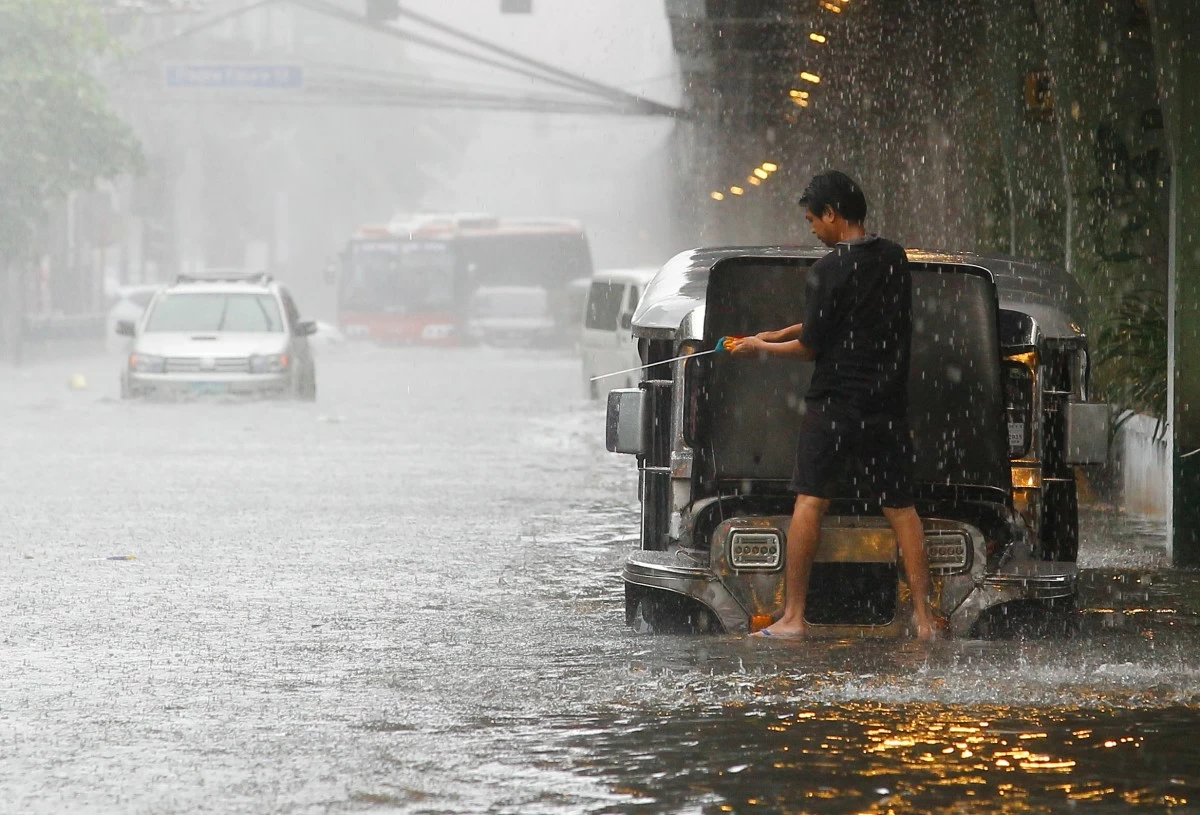
Reforms in public procurement, infrastructure oversight, and accountability must be fully carried out to ensure that the billion-peso flood-control corruption scandal does not happen again and those responsible are made to answer, according to four governance and business groups.
In a joint statement on Wednesday, June 3, the groups said the filing of plunder and related charges by the Office of the Ombudsman was a welcome development, but warned that accountability remains incomplete and several reforms needed to prevent similar abuses remain unfinished. The statement was issued by the Institute of Corporate Directors (ICD), Institute for Solidarity in Asia (ISA), Justice Reform Initiative (JRI), and Management Association of the Philippines (MAP).
“The challenge before the country is therefore not merely to prosecute past wrongdoing, but to ensure that the conditions that allowed it to occur are fundamentally addressed,” the groups said.
Five months ago, the groups warned that the flood-control scandal was not just a case of alleged wrongdoing by a few individuals, but a symptom of deeper weaknesses in public procurement, infrastructure oversight, and accountability.
They said they had called for urgent reforms to strengthen transparency, improve monitoring, and protect public funds from corruption, as well as the full investigation and prosecution “to the highest extent possible” of those involved in the scandal.
Since then, the groups said the Ombudsman has announced the filing of plunder and related charges against public officials, while implementation of the New Government Procurement Act (NGPA) and other transparency initiatives has begun.
“These actions demonstrate that public institutions can respond when confronted with credible allegations of wrongdoing. Yet accountability remains incomplete,” they said.
The flood-control controversy has also spilled over into the broader economy. Philippine economic growth fell to a post-pandemic low of 4.4 percent in 2025 and slowed further to 2.8 percent in the first quarter of 2026, as government spending on public goods and services was tempered and investor sentiment weakened.
Of the four reform initiatives the groups proposed in December 2025, they said meaningful progress has been made only on beneficial ownership disclosure through the Securities and Exchange Commission’s (SEC) beneficial ownership disclosure rules as well as hierarchical and applicable relations and beneficial ownership registry (HARBOR).
“These measures have the potential to make it more difficult for hidden interests and intermediary entities to benefit from government contracts,” they said.
However, the groups stressed that the success of these measures would depend on effective implementation and their integration with procurement, tax, audit, and anti-money laundering systems.
By contrast, the groups said full project-life-cycle transparency, rapid-response mechanisms for procurement red flags, and public monitoring systems for major infrastructure projects remain largely unfinished “despite their importance to preventing corruption before public funds are lost.”
The groups said recent investigations and previous corruption cases, from ZTE to the Priority Development Assistance Fund (PDAF), Pharmally, and now flood-control projects, showed a recurring pattern of weak transparency, fragmented oversight, delayed intervention, and inadequate visibility into who ultimately benefits from government spending.
“Investigations and prosecutions are essential, but they occur only after funds have been disbursed and public trust has already been damaged,” they said.
The groups said the greater challenge is to build systems capable of detecting irregularities early, exposing conflicts of interest, preventing procurement abuses before they result in major losses, and ensuring the objective investigation and prosecution of all persons implicated in such irregularities when warranted by evidence.
They said this should apply “whether government officials or private individuals, whether junior or senior in rank—in accordance with due process and the rule of law.”
“The country should not allow this moment of accountability to pass without meaningful institutional change. Public attention may eventually move elsewhere, but the underlying governance weaknesses will remain unless decisive reforms are implemented,” the groups said.
“The filing of cases should mark the beginning—not the end—of the reform process,” they added.
The groups urged the government to expedite the investigation, prosecution, and resolution of major corruption cases arising from ongoing investigations into flood-control projects, including the apprehension and prosecution of individuals who remain beyond the reach of Philippine courts.
They also called for the full implementation of the transparency, beneficial ownership, and digital monitoring provisions of the NGPA.
The groups further pressed the government to integrate the SEC’s beneficial ownership disclosure rules and HARBOR with procurement, tax, audit, and anti-money laundering (AML) systems to verify contractor ownership, detect conflicts of interest, and identify suspicious procurement patterns.
They said the government should establish public, real-time monitoring of major infrastructure projects, including disbursements, variation orders, cost overruns, delays, and contractor concentration.
The groups also called for stronger coordination among the Ombudsman, the Commission on Audit (COA), the Anti-Money Laundering Council (AMLC), the Department of Budget and Management (DBM), the Government Procurement Policy Board (GPPB), the SEC, the Bureau of Internal Revenue (BIR), and implementing agencies so that procurement red flags would trigger immediate investigation and corrective action.
“The Filipino people deserve more than another major scandal followed by years of investigation and delayed accountability,” the groups said.
“They deserve institutions capable of preventing abuse, detecting irregularities early, and ensuring that violations are addressed swiftly and fairly, regardless of position or influence,” they added.
“This opportunity for lasting reform should not be wasted.”