







Bill strengthening BCDA gets final House nod
Published Jun 3, 2026 11:35 am


At A Glance
- The House on June 2 approved via 271-9-2 vote HB 9257, which sought to amend the Bases Conversion and Development Act to allow portions of BCDA properties to be declared alienable and disposable.
- The bill allocates five percent of covered land for residential and mixed-use purposes, another five percent for institutional and industrial use, with the President authorized to declare an additional five percent.
- Safeguards require master development plans, presidential approval, and remittance of proceeds to the Treasury, aiming to expand housing, jobs, and inclusive growth.
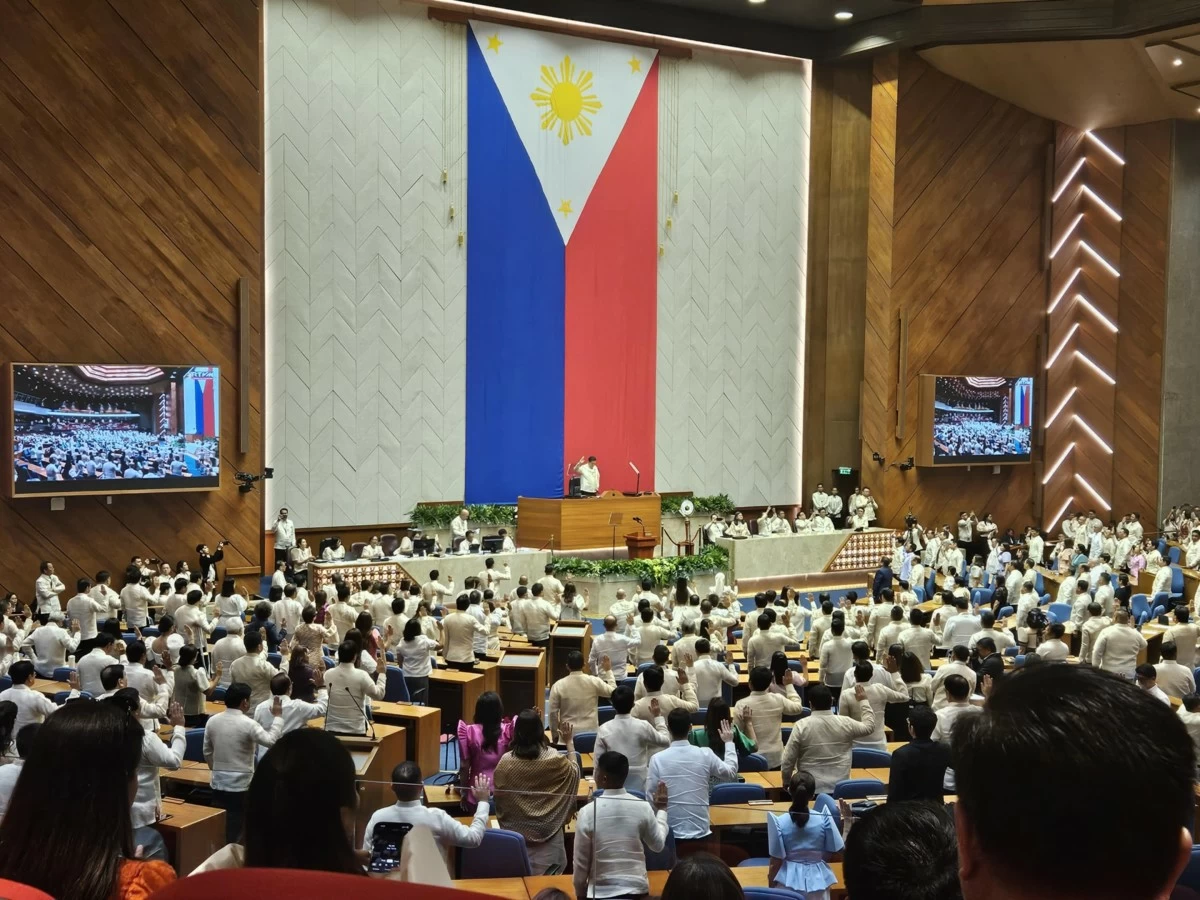
The House plenary (Ellson Quismorio/ MANILA BULLETIN)
The House of Representatives overwhelmingly approved on third and final reading on Tuesday night, June 2 a measure that aimed to strengthen the Bases Conversion and Development Authority (BCDA).
Nominal voting for House Bill (HB) No. 9257 during plenary session yielded a result of 271-9-2 (yes-no-abstain).
The measure forms part of the Legislative-Executive Development Advisory Council Common Legislative Agenda (LEDAC-CLA), which are aggressively being pushed by House Speaker Isabela 6th district Rep. Faustino “Bojie” Dy III and House Majority Ilocos Norte 1st district Rep. Sandro Marcos in the final days of first regular session of the 20th Congress.
The measure seeks to amend Republic Act No. 7227, or the Bases Conversion and Development Act of 1992, by declaring portions of selected BCDA properties as alienable and disposable lands, subject to strict planning rules and presidential approval.
Under the bill, up to 10 percent of the total land area within the Clark Special Economic Zone, including New Clark City and Clark Freeport Zone, Poro Point Freeport Zone, John Hay Reservation and Bataan Technology Park may be classified as alienable and disposable.
Five percent of the covered land will be set aside for residential and mixed-use purposes, primarily socialized housing, while another five percent will be allocated for institutional and industrial uses consistent with government priorities.
The President may also declare an additional five percent for the same purposes, taking into account market demand and economic conditions.
According to Majority Leader Marcos, the bill would allow the government to put strategic public assets to better use while ensuring that development directly benefits ordinary Filipinos.
“This bill is about turning idle potential into real opportunities — homes for families, jobs for workers, investments for communities and stronger growth for the country,” Marcos said.
He said the bill includes safeguards by requiring master development plans, coordination with concerned agencies and approval by the President before any sale or disposition of covered land.
“We are not simply opening land for disposition. We are creating a disciplined, transparent and development-driven framework so these areas can become engines of inclusive growth,” said the presidential son.
Proceeds from the sale or disposition of covered lands will be remitted to the Bureau of the Treasury and accrue to the general fund.
The BCDA will also be required to submit implementation updates to the Office of the President (OP) every three years.
The measure further provides that nothing in the proposed law shall be construed as transferring existing military bases under the jurisdiction of the Department of National Defense (DND) or the Armed Forces of the Philippines (AFP) to the BCDA.
The final approval of the bill reflects the House leadership’s commitment to practical reforms that support housing, job creation and stronger economic development according to Marcos.
“Government assets must work for the people. With proper safeguards, planning and accountability, this measure will help transform strategic development areas into communities of opportunity,” said the majority leader.
The House is set to approve more LEDAC bills during its final plenary session Wednesday afternoon. After this, Congress will adjourn sine die.