







Bill expanding National Nutrition Program hurdles House
Published Jun 3, 2026 08:35 pm


At A Glance
- The House unanimously approves HB No. 9466, seeking to expand the National Feeding Program into a comprehensive National Nutrition Program to combat hunger, malnutrition, and learning poverty among children.
- The measure broadens coverage to all public school learners from Kindergarten to Grade 3 and undernourished students up to Grade 12, increases feeding days from 120 to 200, and includes vulnerable groups such as pregnant learners, children with disabilities, and indigenous learners.
- It adopts a nutrition‑centered framework with interventions like micronutrient supplementation, milk feeding, sanitation, health education, and local food sourcing.
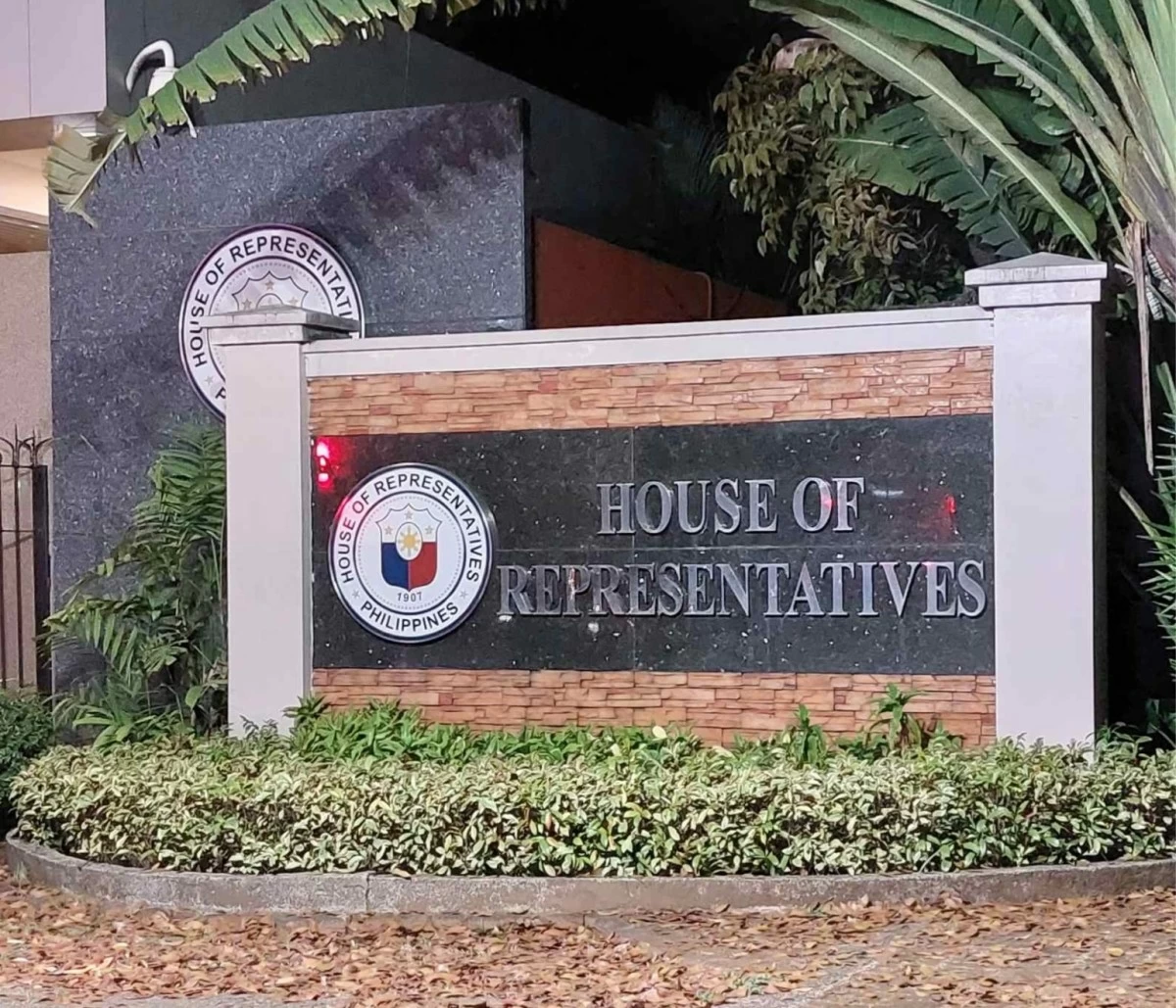
The House of Representatives (Ellson Quismorio/ MANILA BULLETIN)
The House of Representatives has unanimously approved another Marcos administration priority measure, this time one that expands the government’s existing feeding program into an initiative that addresses hunger, malnutrition, and learning poverty among Filipino children.
Passed on third and final reading on the strength of 297 affirmative votes during plenary session Wednesday, June 3 was House Bill (HB) No. 9466.
The full title of HB No. 9466 reads, "An act converting the national feeding program into a national nutrition program by expanding its scope and coverage and enhancing its support mechanisms, and appropriating funds therefor, amending for the purpose Republic Act no. 11037, or the 'Masustansyang Pagkain para sa Batang Pilipino Act'".
Together with HB No. 9461, or the proposed “Child Online Safety and Protection Act of 2026"; and HB No. 9397, or the proposed "Right to Information (RTI) Act of 2026", HB No. 9466 is a Legislative-Executive Development Advisory Council (LEDAC) priority measure under the current administration.
HB No. 9461 and HB No. 9397 were unanimously approved on third and final reading during plenary session Tuesday, June 2. This means that none of the House members voted in the negative or abstained during nominal voting.
All LEDAC measures were aggressively pushed by House Speaker Isabela 6th district Rep. Faustino "Bojie" Dy III and Majority Leader Ilocos Norte 1st district Rep. Sandro Marcos, even as the House adjourned sine die following Wednesday's plenary session.
HB No. 9466 expands the “Masustansyang Pagkain Para sa Batang Pilipino Act" by broadening feeding coverage, strengthening nutrition interventions and integrating support for health, education and local agriculture.
Speaker Dy, House Committee on Basic Education and Culture Chairman Pasig City lone district Rep. Roman Romulo, and Leyte 1st district Rep. Martin Romualdez were among the principal authors of the measure.
Marcos said the bill recognizes that hunger remains one of the biggest obstacles to learning and child development in the country.
“No child should be forced to learn on an empty stomach. By strengthening and expanding our nutrition programs, we are giving Filipino children a better chance to succeed in school, stay healthy and reach their full potential,” Marcos said.
Romualdez said that under the bill, the Department of Education's (DepEd) school-based feeding program will be expanded to cover all public school learners from Kindergarten to Grade 3, as well as undernourished learners from Grades 4 to 12.
He said the bill also increases the number of feeding days from 120 to 200 annually to provide more sustained nutritional support to learners throughout the school year.
“This measure goes beyond assisting schoolchildren. It also provides support to nutritionally at-risk pregnant learners, children with disabilities, indigenous learners, and other vulnerable sectors who are more likely to experience hunger and malnutrition. No Filipino child or learner should be left behind simply because of their circumstances,” Romualdez, a former two-time Speaker, said.
The measure adopts a broader nutrition-centered approach by institutionalizing interventions that address not only hunger but also micronutrient deficiencies, child growth and development, maternal nutrition, sanitation, health education and food security.
It also strengthens the government's milk feeding program through the Department of Agriculture and the National Dairy Authority while prioritizing the procurement of locally produced fresh milk and dairy products from Filipino farmers and cooperatives.
To support rural livelihoods and boost domestic food production, the bill requires that at least 30 percent of agricultural and fishery products used under the program be sourced directly from local farmers and fisherfolk, particularly small-scale producers.
Romualdez said the measure goes beyond feeding children and also serves as an investment in the country's long-term development.
“This is more than a nutrition program. It is an investment in our children, our schools, our farmers and our future. By connecting nutrition, education and agriculture, we are creating a stronger foundation for inclusive and sustainable development,” he said.
The bill likewise provides for micronutrient supplementation, iron and folic acid interventions, regular health examinations, deworming, sanitation and hygiene programs, nutrition education and the establishment of central kitchens in school divisions to improve food safety and meal distribution.
“Every peso invested in nutrition yields benefits that extend far beyond the classroom. Healthier children become better learners, more productive citizens and stronger contributors to nation-building. This measure is a strategic investment in the future of the Philippines,” said the Leyte lawmaker and Lakas-Christian Muslim Democrats (Lakas-CMD) president.