






Manila Bulletin
 Philippines
National
AFP welcomes Filipinos' support for increased military presence in WPS
Philippines
National
AFP welcomes Filipinos' support for increased military presence in WPS
Philippines
National
AFP welcomes Filipinos' support for increased military presence in WPS
AFP welcomes Filipinos' support for increased military presence in WPS
Published Jun 3, 2026 03:20 pm


At A Glance
- According to the OCTA Reseach Tugon ng Masa survey that was commissioned by the AFP, a majority of Filipinos support measures that reinforce the country's territorial rights in the WPS.
- Among the preferred responses to the maritime dispute, 69 percent supported increased naval patrols and troop presence in the WPS.
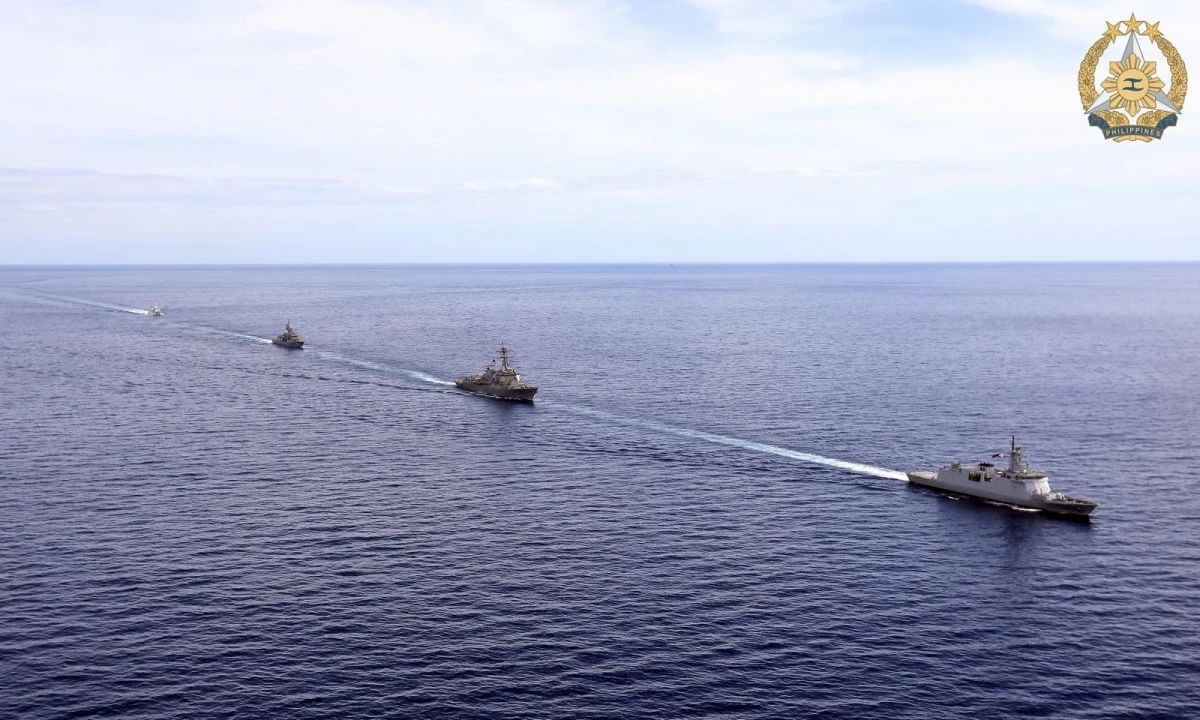
BRP Diego Silang (FFG7), USS Dewey (DDG 105), HMAS Towoomba (FFH 156), and BRP Teresa Magbanua (MRRV 9701) sail in coordinated formation during the 14th Multilateral Maritime Cooperative Activity with the Philippines, Australia, and United States in the West Philippine Sea on February 16, 2026. (Photo: AFP)
The Armed Forces of the Philippines (AFP) on Wednesday, June 3, disclosed it was elated with the results of a recent survey showing strong public backing for a more assertive stance in the West Philippine Sea (WPS), saying the findings reinforce the military’s ongoing defense posture and modernization drive.
AFP spokesperson for WPS retired admiral Roy Vincent Trinidad said the military sees the results of the OCTA Research Tugon ng Masa survey as a clear signal of national resolve.
“The AFP welcomes the results of the recent OCTA Research Tugon ng Masa survey, which clearly reflect the strong, unified resolve of our nation,” Trinidad said.
According to the OCTA Research Tugon ng Masa survey that was commissioned by the AFP, a majority of Filipinos support measures that reinforce the country’s territorial rights in the WPS.
The nationwide face-to-face survey was conducted from March 19 to 25, covering 1,200 respondents aged 18 and above. It showed that public opinion is largely focused on asserting territorial rights, pursuing diplomacy, and improving defense capabilities.
Among the preferred responses to the maritime dispute, 69 percent supported increased naval patrols and troop presence in the WPS.
This was followed by 66 percent who backed resolving tensions through peaceful diplomacy, and 64 percent who supported military modernization to improve territorial defense.
Other options received less support, including expanded diplomatic outreach to other countries (37 percent), joint patrols with allied nations (29 percent), and setting aside disputes for joint economic cooperation (23 percent).
Nine percent of respondents were either undecided or declined to answer.
The survey also found that 72 percent of adult Filipinos are aware of ongoing WPS issues, with awareness levels highest in Metro Manila and the Visayas, and lower in Balance Luzon and Mindanao.
The poll carried a ±3% margin of error at a 95 percent confidence level.
“We are deeply encouraged that the top measures favored by our citizens to address the West Philippine Sea conflict focus heavily on territorial assertion, diplomacy and defense modernization,” Trinidad said.
“Specifically, the high public support for expanding naval patrols and military presence (69 percent), utilizing peaceful diplomacy (66 percent), and modernizing the AFP (64 percent) directly aligns with our mandate,” the spokesperson added.
Tensions have persisted in key maritime features within the country’s exclusive economic zone (EEZ), where Filipino fishermen continue to operate under shifting security conditions due to heavy Chinese presence.
The military has repeatedly stressed its role in securing the country’s EEZ and maintaining presence in contested waters while also supporting civilian fishing activities in affected areas through the implementation of the Comprehensive Archipelagic Defense Concept (CADC), a newly adopted framework aimed at strengthening external defense and improving maritime awareness across the country’s vast waters.
“Your AFP remains steadfast in securing our exclusive economic zone, reinforcing our maritime presence and protecting Filipino fishermen,” Trinidad said.
“This overwhelming public trust fortifies our determination to defend our national sovereignty and resist any coercive and aggressive actions in our maritime domain,” he added.