






 Philippines
National
Imee Marcos questions Philippine's $10-M pledge to WHO; seeks Senate probe
Philippines
National
Imee Marcos questions Philippine's $10-M pledge to WHO; seeks Senate probe
Imee Marcos questions Philippine's $10-M pledge to WHO; seeks Senate probe


At A Glance
- Senator Imee Marcos on Tuesday, June 2 questioned the Philippine government's reported US $10-million pledge to the World Health Organization (WHO) through the Department of Health (DOH).
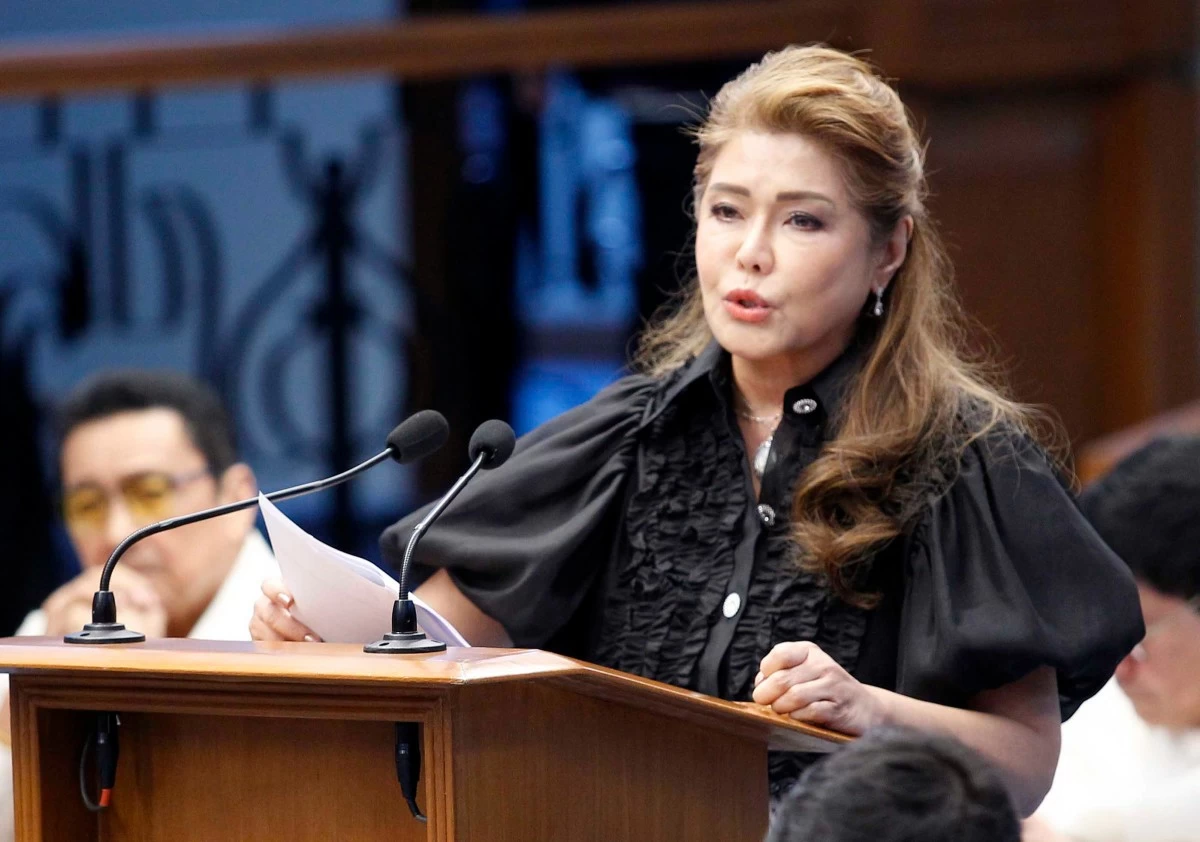
Senator Imee Marcos on Tuesday, June 2 questioned the Philippine government’s reported US $10-million pledge to the World Health Organization (WHO) through the Department of Health (DOH).
Marcos, who regained chairmanship of the Senate Committee on Foreign Relations, said the government should provide a public explanation on the circumstances of the pledge which was reportedly made in October 2024 during the 75th Session of the Western Pacific Regional Committee.
“Ten million dollars ($10-million) is equivalent to roughly P600-million. Is this pledge more urgent, necessary or beneficial than using the same funds directly for Filipino patients and health facilities?” Marcos asked.
“In contrast, PhilHealth has yet to pay billions to DOH Hospitals and the entire country has a ballooning Php 18.5T debt as of March 2026, making this ‘generous’. donation questionable!” she said.
The contribution, she noted, was earmarked for WHO's Investment Round, the international body's new mechanism for mobilizing predictable and flexible funding to support its core programs from 2025 to 2028.
Marcos said a Senate inquiry is necessary to obtain all necessary documents, authorizations, and clearances related to the pledge.
She filed Senate Resolution No. 418 on the matter as legislation may be necessary to strengthen congressional oversight over voluntary contributions, donations, pledges, or financial commitments made by executive agencies to international organizations.
She also said a Senate inquiry into the pledge is necessary to determine if the reported amount is included in the National Expenditure Program (NEP), the General Appropriations Act (GAA) or any specific budget line item of the DOH or any other government agency.
It is also necessary to know if Congress was fully informed that such amount will be committed to the WHO.
“We must ensure that public funds are disbursed in a lawful, prudent, transparent, and accountable manner, especially amid competing domestic healthcare priorities,” Marcos stressed.
“While international cooperation is important, it is not clear whether such a large commitment was supported by our legal processes,” she said.